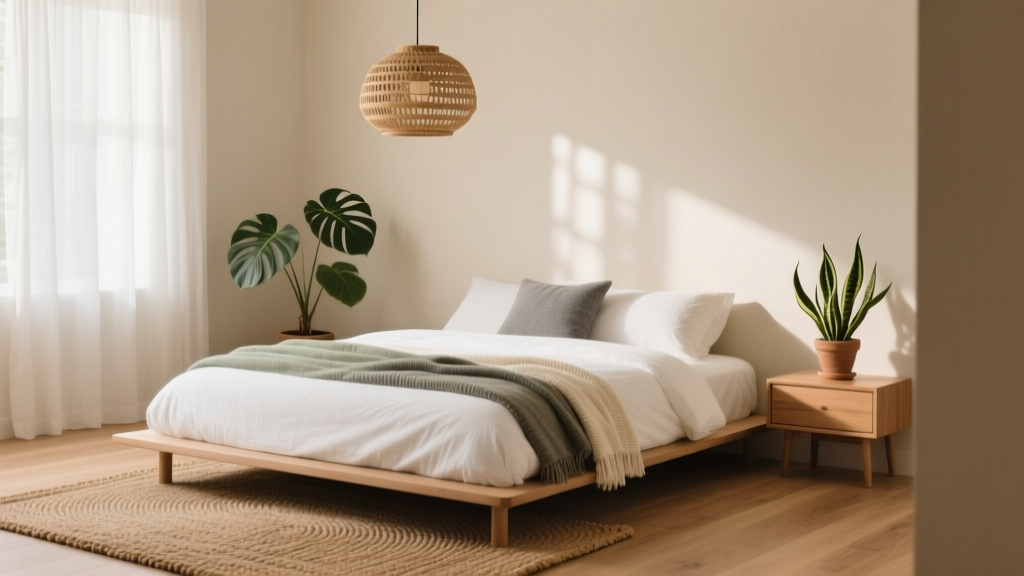
How to Create a Bedroom That Feels Grounded - The Decor Mag
A grounded bedroom has a quiet kind of confidence. The moment you step in, your shoulders drop, your breath slows, and the room gently signals that you’re safe to rest. That feeling isn’t just aesthetic—it’s deeply connected to sleep quality. A calmer sleep environment helps your nervous system shift out of “alert mode,” making it easier to fall asleep, stay asleep, and wake up feeling restored.
For homeowners and renters alike, creating a grounded bedroom doesn’t require a full renovation or a designer budget. It’s built through a handful of intentional choices: natural materials, a balanced layout, soft lighting, a stable color palette, and a few wellness-minded upgrades that reduce noise, clutter, and sensory stimulation.
Below, you’ll find practical bedroom design tips, product types to look for, material recommendations, budget ranges, and common mistakes to avoid—so you can turn your bedroom into a space that supports rest, relaxation, and overall wellbeing.
What “Grounded” Means in Bedroom Design
In decor terms, “grounded” usually means visually and physically anchored—nothing feels floaty, chaotic, overly bright, or out of scale. In sleep wellness terms, it means the room reduces stress signals: harsh light, visual clutter, uncomfortable temperatures, scratchy fabrics, or loud distractions.
The design cues of a grounded bedroom
- Low, stable visual lines: Beds that feel anchored, nightstands that match the bed’s scale, art placed at human height.
- Natural textures: Wood, linen, wool, leather (or vegan alternatives), rattan, stone, clay.
- Soft, warm lighting: Ambient layers and dimmable fixtures instead of bright overhead glare.
- Controlled palette: Muted earth tones, warm neutrals, and fewer competing colors.
- Intentional negative space: Clear surfaces and a layout that’s easy to navigate at night.
Start With the Layout: Create a Sense of Safety and Flow
A grounded bedroom begins with how your body moves through the room. An awkward path to the bed, furniture that crowds the doorway, or a lack of symmetry can subtly keep you on edge—especially when you’re tired.
Bed placement that supports rest
- Prioritize the “commanding position”: Ideally, place the bed where you can see the door while lying down, without being directly in line with it. This tends to feel more secure and calming.
- Anchor with a headboard: A headboard (upholstered, wood, or cane) creates a strong visual “backing” and reduces the sense of floating.
- Keep breathing room around the bed: Aim for at least 18–24 inches of clearance on each side when possible, especially for couples.
- Use symmetry when you can: Matching nightstands or lamps can reduce visual noise and help the room feel balanced.
Renter-friendly layout tricks
- Define the sleep zone: Use a rug under the bed (or 2 runners on each side) to visually ground the space.
- Hide work cues: If your desk must be in the bedroom, place it out of direct sight from the bed or screen it with a curtain panel or open shelving divider.
Choose Grounding Colors: Warm Neutrals and Earth Tones
Color has a direct impact on how your bedroom feels at night. A sleep-friendly color palette reduces contrast and stimulation, helping the brain wind down. You don’t need to avoid color—just choose shades that feel softened and stable.
Grounded bedroom color palettes that support sleep
- Warm whites and creamy neutrals: ivory, oatmeal, linen, warm alabaster
- Earthy beiges and tans: sand, camel, taupe, mushroom
- Muted greens: olive, sage, eucalyptus (especially calming in bedrooms)
- Clay and terracotta tones: soft rust, cinnamon, dusty rose-clay
- Deep anchors (use sparingly): charcoal-brown, deep olive, warm navy
Budget ranges for a color refresh
- $15–$60: Pillow covers, a throw blanket, lampshades in warmer tones
- $50–$150: Area rug accent, curtain panels, a larger piece of wall art
- $40–$100 per gallon: Interior paint (often 1–2 gallons for a bedroom, depending on size)
Grounding Furniture: Low Profiles, Natural Materials, and Solid Scale
Furniture influences groundedness more than most people expect. Overly delicate pieces, mismatched scales, or flimsy frames can make the room feel unsettled. Aim for sturdy silhouettes and tactile materials that read “steady” at a glance.
What to look for in a grounded bed frame
- Low to mid-height profile: Visually calms the room and feels more anchored.
- Wood frames (oak, walnut, birch): Warm, stable, and timeless.
- Upholstered frames in linen or performance fabric: Adds softness and sound absorption.
- Platform base or solid slats: Reduces squeaks and supports mattress longevity.
Nightstands and storage that reduce stress
- Choose enclosed storage: Drawers or cabinets hide visual clutter, which helps the brain relax at bedtime.
- Match the nightstand height to the mattress: Top surface roughly level with the top of your mattress for easy reach.
- Opt for rounded edges if you move around at night: Softer shapes feel gentler and can prevent bumps.
Budget ranges for furniture upgrades
- Bed frame: $200–$600 (budget), $600–$1,500 (mid-range), $1,500–$3,500+ (investment hardwood/upholstery)
- Nightstands: $80–$200 (budget), $200–$600 (mid-range), $600–$1,200+ (solid wood/designer)
- Dresser/storage: $250–$700 (budget), $700–$1,800 (mid-range), $1,800+ (investment)
Bedding That Feels Grounded: Weight, Texture, and Breathability
Bedding is where grounded design meets sleep wellness most directly. The right materials help regulate temperature and reduce night waking, while the right textures create a comforting “settled” feeling.
Best bedding materials for a calming sleep environment
- 100% cotton percale: Crisp, breathable, great for hot sleepers and a fresh hotel feel.
- 100% cotton sateen: Smoother and slightly warmer; feels cozy without being heavy.
- European flax linen: Textural, temperature-balancing, relaxed and grounded.
- Wool or wool-blend blanket: Naturally temperature-regulating and weighty in a comforting way.
- Down or down-alternative duvet insert: Choose the warmth level based on your climate and sleep temperature.
Grounded layering formula (simple and effective)
- Breathable sheets (cotton percale or linen)
- Mid-layer (light quilt, matelassé coverlet, or wool blanket)
- Duvet (with a linen or cotton duvet cover in a muted tone)
- Finishing touch (one textured throw at the foot of the bed)
Budget ranges for bedding
- Sheet set: $40–$90 (budget cotton), $100–$220 (mid-range percale/sateen), $220–$400+ (premium linen)
- Duvet cover: $50–$120 (budget), $120–$250 (mid-range), $250–$450+ (premium linen)
- Weighted blanket (optional): $60–$120 (budget), $120–$250 (mid-range)
Sleep tip: If you’re curious about a weighted blanket, many sleep specialists suggest starting around 8–12% of your body weight. If you run hot, look for breathable fills (glass microbeads) and cotton covers.
Lighting That Settles the Nervous System
Lighting is one of the fastest ways to shift a bedroom from “restless” to “restful.” Bright, cool-toned light can suppress melatonin and keep you alert. Warm, dim light encourages your body to wind down.
The ideal bedroom lighting plan (3 layers)
- Ambient light: A ceiling fixture on a dimmer, or a soft floor lamp if overhead light feels harsh.
- Task light: Bedside lamps or adjustable sconces for reading.
- Accent light: A small lamp on a dresser, a salt lamp-style glow (choose an actual warm LED), or subtle LED strip lighting behind a headboard.
What bulbs to buy for a sleep-friendly bedroom
- Color temperature: 2200K–2700K (warm, candlelight-to-soft-white range)
- Dimmable: Yes, if your lamp/fixture supports it
- Shades: Fabric or paper shades diffuse light more gently than clear glass
Budget ranges for lighting upgrades
- $10–$30: Warm LED bulbs, plug-in dimmer, softer lampshade
- $40–$150: Table lamps, floor lamp, plug-in wall sconces
- $150–$500+: Hardwired sconces, statement flush mount with dimmer
Sleep tip: Two hours before bed, switch to your lowest, warmest lighting setting. It’s a design move and a circadian rhythm support tool in one.
Texture, Sound, and Air: The “Invisible” Grounding Elements
Even the most beautiful bedroom can feel ungrounded if it echoes, smells stale, or feels stuffy. These sensory details are often the missing link in a truly restful sleep environment.
Sound-softening decor that looks good
- Area rug: Adds warmth and reduces echo (especially in rentals with hard flooring).
- Full-length curtains: Heavier curtain panels dampen sound and add visual softness.
- Upholstered headboard: Helps absorb sound and feels cozy.
Air quality and temperature regulation
- Keep the room cool: Many sleepers find the most comfortable range is around 60–67°F (15–19°C).
- Choose low-VOC options: Paints, finishes, and even some rugs can off-gas. Look for low-VOC or GREENGUARD-certified products when possible.
- Consider an air purifier: Helpful for allergies, dust, and wildfire smoke regions.
Scent (keep it subtle)
- Best calming notes: lavender, cedarwood, bergamot, chamomile
- Use gentle delivery: Linen spray, a reed diffuser across the room, or a low-output diffuser earlier in the evening (avoid overpowering fragrance at bedtime)
Styling a Grounded Bedroom Without Adding Clutter
A grounded bedroom feels curated, not crowded. The goal is to add warmth and personality while protecting calm visual space—especially around the bed.
Simple styling rules that work every time
- Keep nightstands “low-noise”: Aim for only 3–5 items total.
- Use a tray: Corral essentials (hand cream, book, glasses) so they look intentional.
- Choose one hero moment: A piece of art above the bed, textured pillows, or a beautiful pendant—one focal point prevents scattered visual energy.
Nightstand essentials for better sleep
- Soft lamp with warm bulb
- Coaster or carafe for water
- Book or journal (paper beats screens)
- Small catchall dish for jewelry/earplugs
- Optional: analog alarm clock to keep the phone away from the bed
Common Mistakes That Make a Bedroom Feel Ungrounded
- Too many tiny decor items: They read as clutter and keep the eye “busy.” Swap for fewer, larger pieces.
- Cool, bright bulbs: 4000K–6500K lighting can feel clinical and disrupt your wind-down routine.
- Mismatched scale: A delicate lamp on a bulky nightstand (or vice versa) makes the room feel off-balance.
- No textile softness: Bare windows, no rug, and minimal bedding can create echo and a cold, unsettled vibe.
- Work-life overlap: Visible cords, monitors, or paperwork near the bed can trigger mental alertness at night.
- Ignoring comfort for aesthetics: Scratchy bedding, the wrong pillow height, or a too-firm rug underfoot will undo the calm, no matter how pretty it looks.
A Grounded Bedroom Checklist (Do This in a Weekend)
- Swap bulbs to 2200K–2700K warm LEDs.
- Clear surfaces: nightstands and dresser tops to only essentials.
- Add one grounding textile: a rug, curtain panels, or a wool blanket.
- Upgrade one sleep-touchpoint: sheets, pillow, or duvet insert.
- Rebalance the layout: center the bed, add matching lamps, or improve walkway clearance.
- Create a tech boundary: charge phones across the room or in a drawer.
FAQ: Creating a Grounded, Sleep-Friendly Bedroom
What colors make a bedroom feel grounded and calm?
Warm neutrals and muted earth tones tend to feel most grounding: creamy whites, taupe, oatmeal, soft terracotta, sage, and olive. If you like darker colors, use deep warm navy or charcoal-brown as an accent rather than painting everything dark.
How can I make my bedroom feel grounded on a small budget?
Start with the highest impact, lowest cost changes: warm light bulbs ($10–$30), decluttering (free), a textured throw and pillow covers ($30–$80), and secondhand solid wood nightstands or a dresser. A rug can also dramatically reduce echo and add warmth without a remodel.
Does bedroom design really affect sleep quality?
Yes. A bedroom’s lighting, temperature, sound levels, and visual clutter all influence how easily your body relaxes. A calmer sleep environment supports a smoother wind-down routine and can reduce disruptions that lead to fragmented sleep.
What’s the best lighting for a sleep-friendly bedroom?
Use warm, dimmable lighting—ideally 2200K–2700K. Layer your lighting with bedside lamps, soft ambient light, and gentle accent lighting so you’re not relying on a bright overhead fixture at night.
How do I make a rental bedroom feel more grounded without painting?
Focus on removable, high-impact updates: curtain panels hung high and wide, a large rug, bedding in earthy tones, warm bulbs, plug-in sconces, and peel-and-stick wallpaper behind the bed for a subtle, textured backdrop.
Should I use a weighted blanket for a grounded feel?
Some people find weighted blankets calming, especially if stress or restlessness makes it hard to settle. Choose a breathable option and a weight that feels secure but not restrictive (often around 8–12% of body weight). If you sleep hot, prioritize airflow and lighter bedding layers.
Next Steps: Bring Grounded Calm Into Your Bedroom
A grounded bedroom is built through small, steady choices: warmer light, softer textures, fewer visual distractions, and furniture that feels solid and supportive. Pick one category to start—lighting, bedding, layout, or color—and make a single upgrade this week. Then stack the next improvement when you’re ready. The result is a bedroom that looks calmer, feels safer, and supports better sleep night after night.
For more soothing bedroom design ideas, sleep-friendly decor guides, and practical upgrades for every budget, explore the latest on thedecormag.com.
More Articles
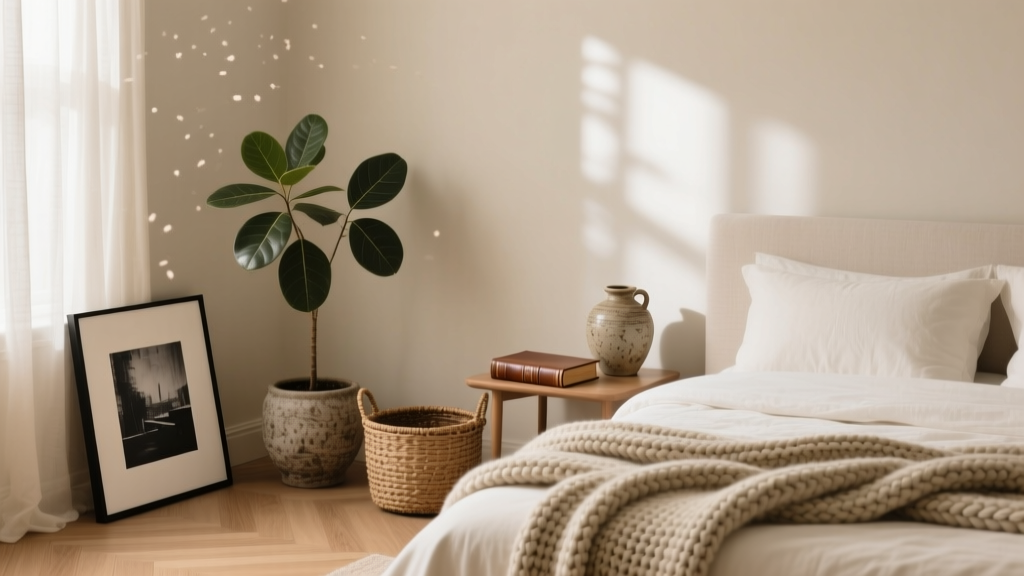 How to Create a Bedroom That Feels Collected - The Decor Mag
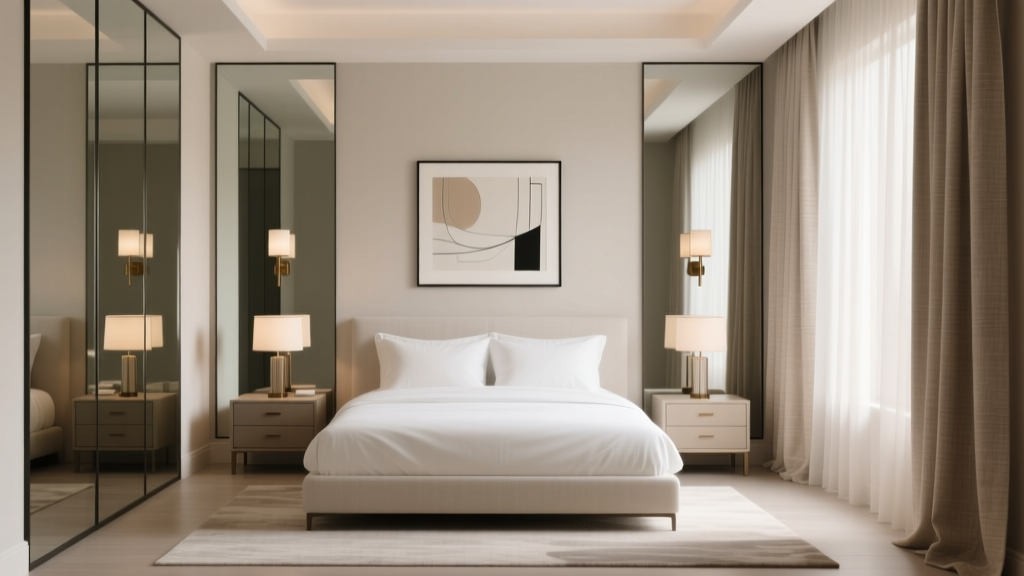 How to Create Symmetry in Bedroom Design - The Decor Mag
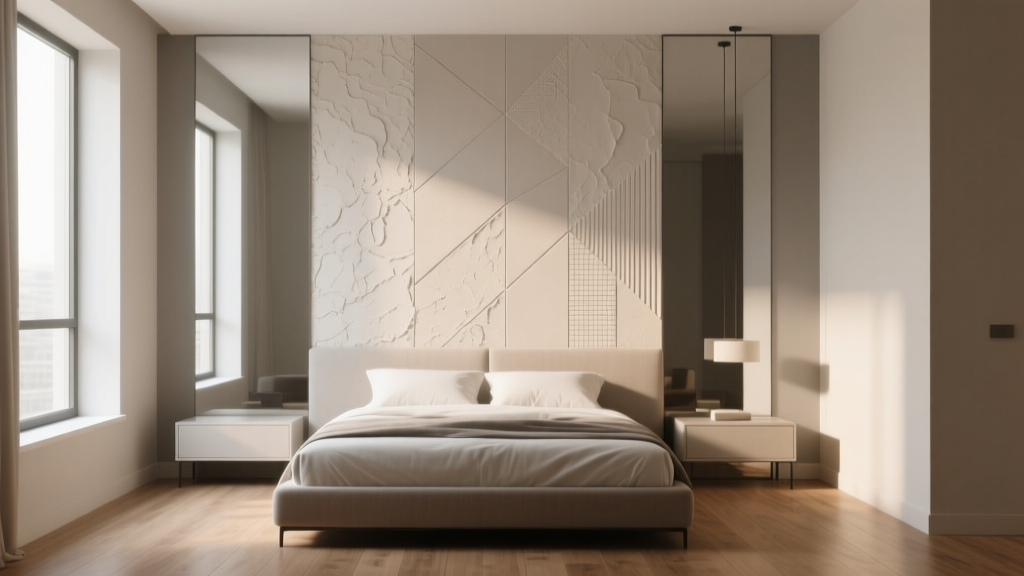 Bedroom Plaster Wall Treatment Ideas - The Decor Mag
 Bedroom Paint for Sleep Quality | The Decor Mag
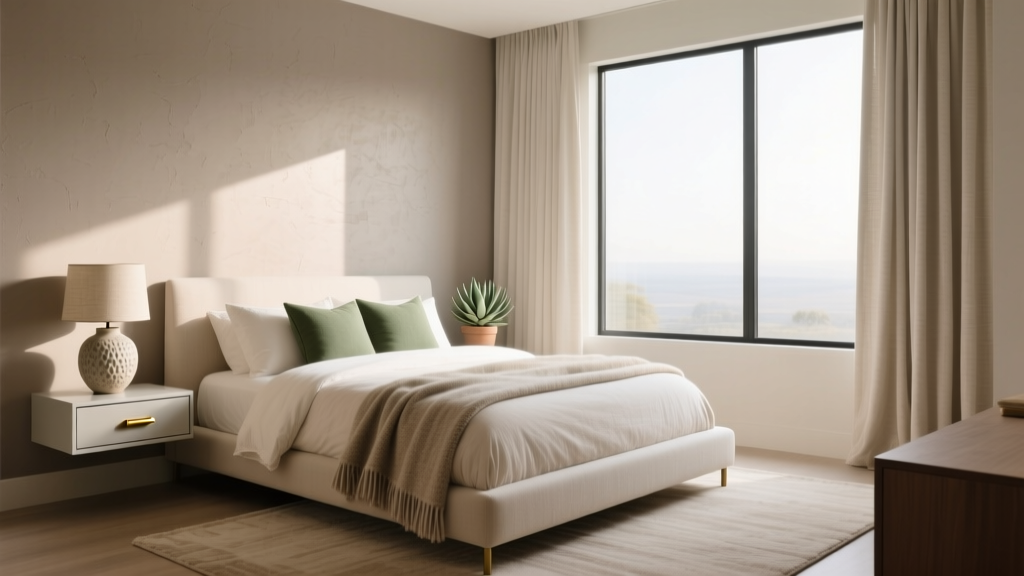 How to Create a Bedroom Color Story - The Decor Mag
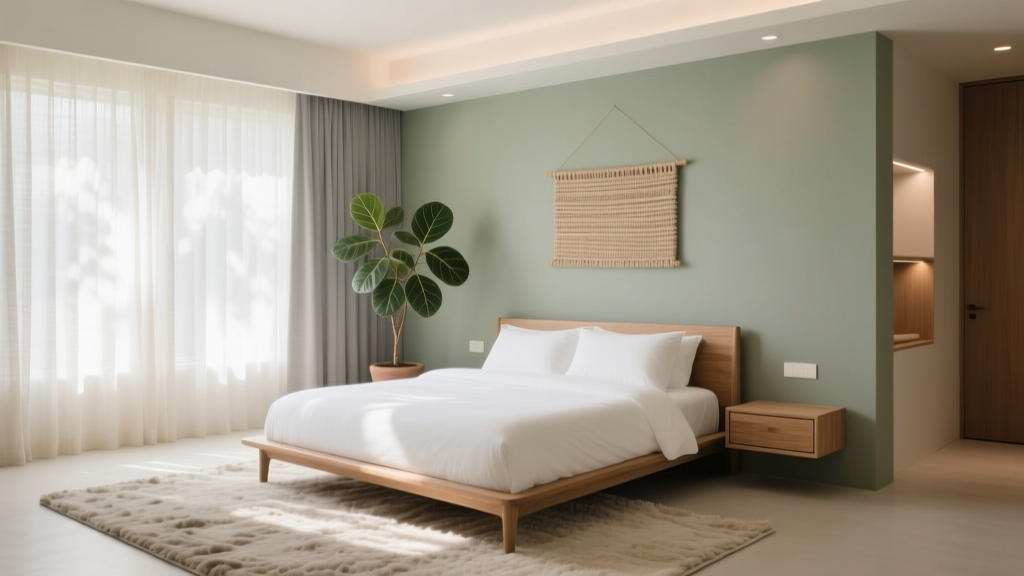 How to Create a Bedroom Sanctuary - The Decor Mag
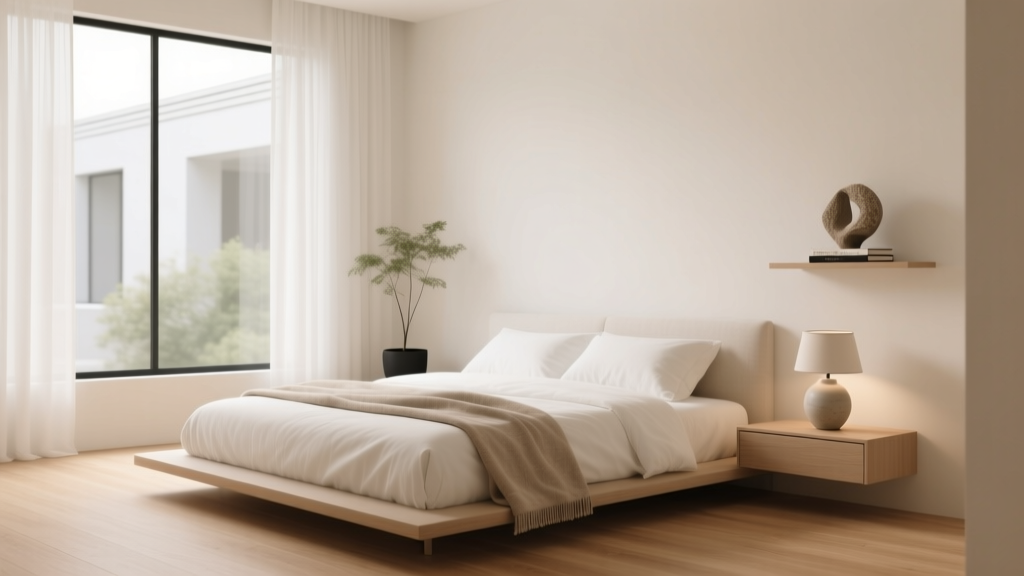 Minimalist Bedroom Design Guide - The Decor Mag
 How to Create a Bedroom Color Palette - The Decor Mag
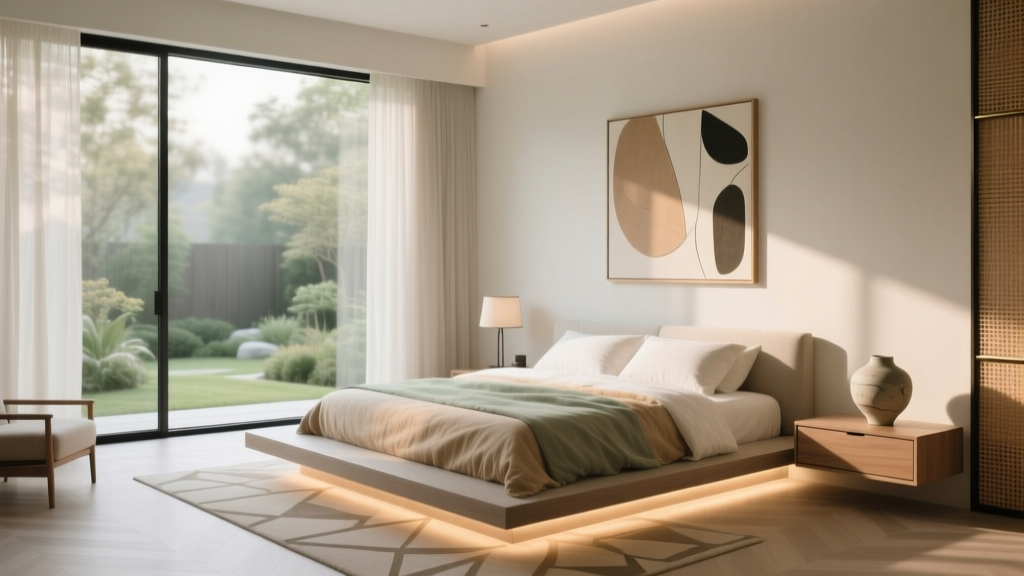 Modern Bedroom Design Ideas for 2026 - The Decor Mag
 Best Bedroom Sleep Journal Writing Prompts - The Decor Mag