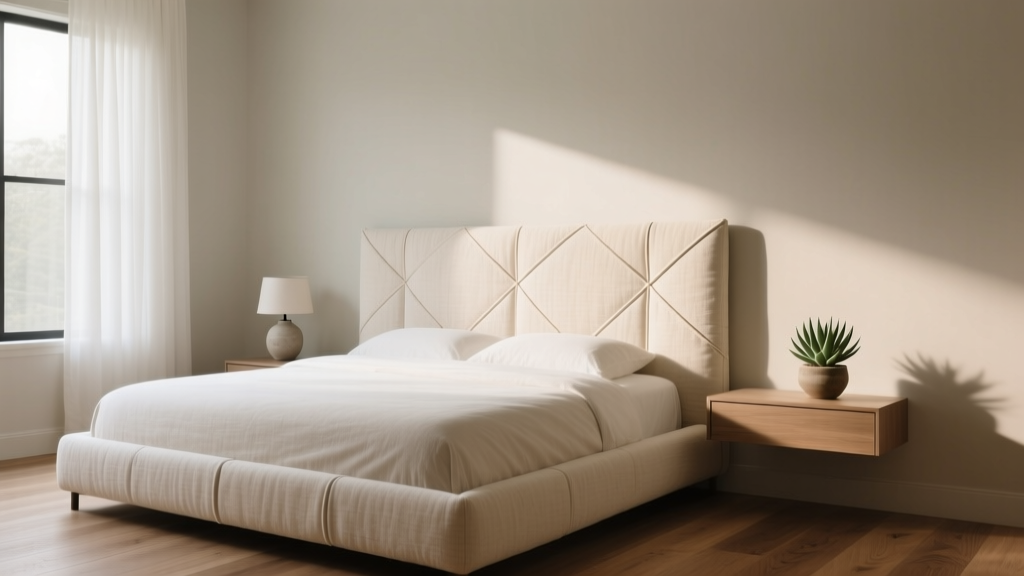
Bedroom Fabric Wrapped Headboard Ideas - The Decor Mag
A headboard does more than finish a bed—it shapes how your bedroom feels the moment you walk in. A fabric wrapped headboard, in particular, brings softness, sound-absorbing comfort, and a layered look that can make a sleep space feel calmer and more complete. When the area behind your pillow looks and feels cozy, it subtly signals “rest” to the brain—an underrated boost for relaxation and bedtime routine consistency.
Because the bed is usually the visual anchor of a bedroom, upgrading the headboard can transform the entire room without a full remodel. For renters, fabric wrapped headboard ideas can be especially appealing: many options are lightweight, easy to install, and reversible. For homeowners, they’re a practical way to add insulation, reduce echo, and build a bedroom design that supports better sleep quality.
Below are fabric wrapped headboard styles, materials, and layout tips that balance decor and sleep wellness—plus budgets, common mistakes to avoid, and simple next steps to help you create a more restful bedroom environment.
Why a Fabric Wrapped Headboard Supports a Better Sleep Environment
Bedroom design affects sleep in quiet ways: light bounce, sound reflection, temperature perception, and even how visually “busy” the space feels. Fabric adds softness that can help your room feel less stark and more soothing.
- Sound dampening: Upholstered surfaces absorb some noise and reduce echo, helpful in apartments or rooms with hard flooring.
- Comfort: A padded fabric headboard supports reading in bed without cold, hard contact.
- Visual calm: Textile texture can warm up minimalist rooms and soften high-contrast decor.
- Insulation feel: Headboards on exterior walls can reduce the “cold wall” sensation, making the bed feel more cocooned.
Fabric Wrapped Headboard Styles (With Practical Design Tips)
1) Classic Upholstered Panel Headboard
A clean rectangle wrapped in linen, cotton, or velvet is timeless. It’s ideal for sleepers who want a calm, hotel-like bedroom without added visual clutter.
- Best for: Small bedrooms, minimalist decor, Scandinavian or modern design.
- Recommended look: Mid-height (40–52") so pillows don’t visually swallow it.
- Sleep-friendly tip: Choose a matte weave (linen, cotton-linen blend) to reduce glare from bedside lamps.
Budget range: $150–$600 ready-made; $80–$250 DIY (foam + plywood + fabric).
2) Channel-Tufted Headboard (Vertical or Horizontal)
Channel tufting adds structure and rhythm. Vertical channels can make ceilings look taller; horizontal channels can make the bed feel wider and more grounded.
- Best for: Contemporary bedrooms, mid-century modern spaces, primary suites.
- Recommended fabric: Performance velvet or performance linen for durability and easy cleaning.
- Sleep-friendly tip: Vertical channels paired with warm, dim lighting creates a calming “spa” effect at night.
Budget range: $250–$1,200 depending on size and upholstery quality.
3) Wingback Fabric Headboard for a Cocooned Feel
Wingbacks wrap slightly around the sides of the bed, creating a snug, sheltered vibe that can feel especially comforting in open-plan spaces or large rooms.
- Best for: Drafty rooms, big bedrooms that need intimacy, beds not centered on a wall.
- Recommended pairing: Layered pillows + a breathable duvet to balance the “enveloped” feeling.
- Sleep-friendly tip: Wings can block some light spill from windows or hallway gaps, supporting a darker sleep environment.
Budget range: $500–$2,000 (often higher due to extra structure).
4) Extra-Wide “Wall-to-Wall” Upholstered Headboard
Extending fabric beyond the bed width reads luxurious and visually quiet, especially when paired with matching bedside tables. It also reduces the need for lots of wall art above the bed.
- Best for: Primary bedrooms, modern luxury looks, rooms where the bed wall needs balance.
- Design tip: Keep it simple—solid color or subtle texture—so the room stays restful.
- Sleep-friendly tip: Less visual clutter around the bed helps your mind “downshift” at night.
Budget range: $800–$3,000 custom; $400–$1,200 modular panels.
5) Fabric Wrapped Headboard Panels (Modular Tiles)
Upholstered wall panels—often peel-and-stick or mounted with simple brackets—are renter-friendly and flexible. You can create a soft headboard zone without a heavy frame.
- Best for: Renters, awkward wall widths, DIY lovers, sound-sensitive sleepers.
- Layout idea: Run panels from mattress height to 12–18" above your pillow line.
- Sleep-friendly tip: Panels can reduce echo in rooms with hardwood floors, helping the bedroom feel calmer.
Budget range: $120–$600 depending on coverage and brand.
6) Slipcovered Fabric Headboard (Washable and Low-Stress)
If you want a headboard that stays fresh, slipcovers are a practical choice—especially for allergy-prone sleepers, pet owners, or homes with kids.
- Best for: High-traffic households, allergy-sensitive sleepers, warm climates.
- Best materials: Cotton canvas, twill, or washable linen blends.
- Sleep-friendly tip: Washable covers help manage dust and dander, improving bedroom air quality.
Budget range: $200–$900; replacement slipcovers $60–$250.
Best Fabrics and Materials for Comfort, Durability, and Clean Air
Fabric choices (what to pick and why)
- Linen and linen blends: Breathable, matte, relaxed texture. Great for a soothing bedroom design. Mid to high cost.
- Cotton canvas or twill: Durable, often washable, budget-friendly. Slightly more casual look.
- Velvet (prefer performance velvet): Plush, sound-softening, cozy in cooler climates. Choose darker tones to hide marks.
- Bouclé: Trend-forward and tactile, but can catch dust and snag with pets—best in low-shed households.
- Performance fabrics: Designed to resist stains and pilling—excellent for everyday bedrooms and rental properties.
Padding and structure essentials
- Foam thickness: 1–2" foam works for a sleek look; 2–3" for a plush, lounge-worthy headboard.
- Wrap layer: Add a layer of batting over foam for smoother corners and a softer feel.
- Backer: Plywood is common; for lighter builds, MDF can work but is heavier and less moisture-friendly.
Health and wellness considerations
- Low-VOC materials: Look for low-VOC foam and low-emission adhesives to support a cleaner sleep environment.
- Allergy management: Tighter weaves (canvas, twill) can hold less dust than heavily textured fabrics.
- Moisture awareness: If your bed is against an exterior wall, ensure good ventilation to prevent dampness behind upholstered pieces.
Color Ideas That Feel Restful (and Still Stylish)
Color influences how energizing or soothing a bedroom feels. For sleep quality, many people respond well to softer contrasts and mid-to-low saturation tones.
Sleep-friendly fabric wrapped headboard colors
- Warm neutrals: Oatmeal, sand, mushroom, camel—cozy without feeling heavy.
- Soft greens: Sage, olive-gray—grounding and nature-linked, great for stress relief.
- Dusty blues: Muted navy, slate, smoky denim—calm and classic for bedroom decor.
- Gentle blush or clay: Adds warmth, flattering under lamplight, especially in north-facing rooms.
- Charcoal or deep taupe: Creates a “cave effect” when paired with warm lighting—helpful for light-sensitive sleepers.
Practical tip: If your walls are bright white, choose a headboard fabric with texture (linen, tweed, slub weave) to soften the contrast and reduce the “clinical” feel.
Pairing Your Headboard with Bedding, Furniture, and Lighting
Bedding recommendations for a cohesive, restful look
- Sheets: Cotton percale for hot sleepers; sateen for a smoother feel; linen for maximum breathability.
- Duvet/comforter: Choose a weight that matches your climate; consider a duvet insert with two weights (summer/winter) if temperatures vary.
- Pillows: Keep the visual stack simple—2 sleeping pillows + 1–2 decorative cushions is plenty for a calm bedroom layout.
Nightstands and spacing that support relaxation
- Nightstand height: Aim for the top to sit within 2–4" of the top of your mattress for easy reach.
- Clear surfaces: Reserve space for essentials only: lamp, water, book, charging station (ideally away from the pillow zone).
- Walkway: Maintain about 24–30" of clearance on each side when possible, especially if you wake at night.
Lighting that flatters fabric and supports melatonin
- Bedside lamps or sconces: Use warm bulbs (2700K or warmer) to avoid harsh blue-white light.
- Dimmers: One of the most effective upgrades for sleep-friendly bedroom lighting.
- Reading lights: If you read in bed, aim light toward the book, not your eyes (and not directly across the bed to your partner).
Product types to consider: Plug-in wall sconces for renters, swing-arm sconces for targeted reading, or touch-dimmer lamps for quick light control.
Renter-Friendly Fabric Wrapped Headboard Ideas
You can create a high-impact headboard moment without permanent changes.
- Peel-and-stick upholstered panels: Choose lightweight tiles and follow weight limits carefully.
- Floor-standing headboard: Some designs wedge between wall and bed frame, no drilling required.
- Fabric-wrapped DIY panel: Build a padded panel and attach it to the bed frame with straps or removable brackets.
- Headboard “pillow wall”: Large upholstered back cushions mounted on a rail or hung with removable hooks (check weight ratings).
Budget range for renter solutions: $80–$500 depending on scale and materials.
DIY Basics: A Simple Fabric Wrapped Headboard Plan
If you enjoy hands-on projects, a DIY fabric wrapped headboard can look custom for a fraction of the cost.
- Measure: Width of the bed (or wider for a luxe look). Decide height based on pillow stack and ceiling height.
- Cut the base: Plywood cut to size (many hardware stores will cut for you).
- Add foam + batting: Use spray adhesive (low-VOC if possible), then wrap batting for smooth edges.
- Wrap the fabric: Pull taut and staple on the back. Keep tension even to avoid ripples.
- Mount safely: French cleat for wall-mounting, or bolt to a compatible bed frame.
DIY cost estimate: $80–$250 for a queen, depending on fabric quality and foam thickness.
Common Mistakes to Avoid
- Choosing delicate fabric for real life: Silk and loose weaves can snag easily. For daily use, prioritize performance fabric or sturdy cotton/linen blends.
- Going too light without a plan: Very pale fabrics near pillows can show hair oils and makeup. If you love light colors, consider slipcovers or performance upholstery.
- Mounting too high or too low: If the headboard disappears behind pillows, it won’t have the calming visual impact you want.
- Over-tufting in dust-prone rooms: Deep tufts can collect dust. If allergies are a concern, choose smoother upholstery and vacuum it regularly.
- Ignoring lighting temperature: Even the most beautiful headboard can feel harsh under cool (4000K+) bulbs. Warm light supports a sleep-ready bedroom atmosphere.
- Overcrowding the bed wall: Busy gallery walls, bright art, and strong patterns can fight the headboard and make the room feel mentally “loud.”
FAQ: Bedroom Fabric Wrapped Headboards
What’s the best fabric for a headboard in a bedroom?
For most homes, performance linen, performance velvet, cotton canvas, or a linen-cotton blend offers the best balance of comfort, durability, and easy care. If allergies are a concern, tighter weaves (canvas/twill) are often easier to keep clean.
Are upholstered headboards hard to keep clean?
Not necessarily. Vacuum with an upholstery attachment every 1–2 weeks, spot-clean as needed, and consider a slipcovered headboard if you want the option to wash. Performance fabrics are the lowest-maintenance option for everyday bedrooms.
Will a fabric wrapped headboard help with noise?
It can help reduce echo and soften the sound in a room, especially if you also add a rug, curtains, and layered bedding. It won’t fully soundproof a room, but it often makes the sleep environment feel quieter and more comfortable.
How tall should a fabric wrapped headboard be?
A common sweet spot is 40–60" tall from the floor, depending on ceiling height and mattress thickness. If you use large pillows, err on the taller side so the headboard remains visible and visually grounding.
Can renters install a fabric headboard without drilling?
Yes. Look for floor-standing headboards, headboards that attach to the bed frame, or modular upholstered panels rated for removable mounting methods. Always follow weight limits and test a small area first to protect paint.
What headboard color is best for sleep?
Soft, muted tones—warm neutrals, sage green, dusty blue, and gentle taupe—tend to support a calming bedroom design. Pair the color with warm, dimmable bedside lighting to keep the room sleep-friendly at night.
Actionable Next Steps for a Calmer Bedroom
- Pick your headboard goal: Cozy cocoon (wingback), quiet luxury (extra-wide), or simple calm (classic panel).
- Choose a fabric you can live with: Performance upholstery or washable slipcovers if maintenance stresses you out.
- Set your budget: $80–$250 DIY, $150–$1,200 ready-made, $800–$3,000 custom wall-to-wall.
- Support sleep with lighting: Add warm bulbs and a dimmer so your bedroom lighting matches your wind-down routine.
- Keep the bed wall visually quiet: Let texture do the work—fabric, gentle color, and clean lines help the brain relax.
A fabric wrapped headboard is one of the most comforting upgrades you can make for bedroom decor and sleep quality—soft to the touch, soothing to look at, and practical for everyday living. For more calming bedroom design ideas and sleep-friendly room upgrades, explore the latest guides on thedecormag.com.
More Articles
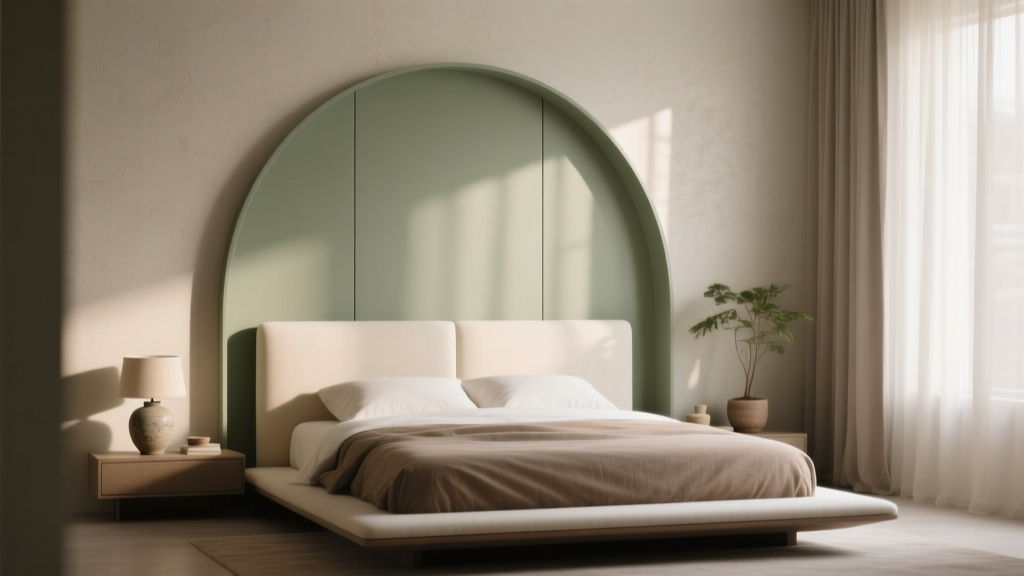 Bedroom Arched Headboard Design Trend - The Decor Mag
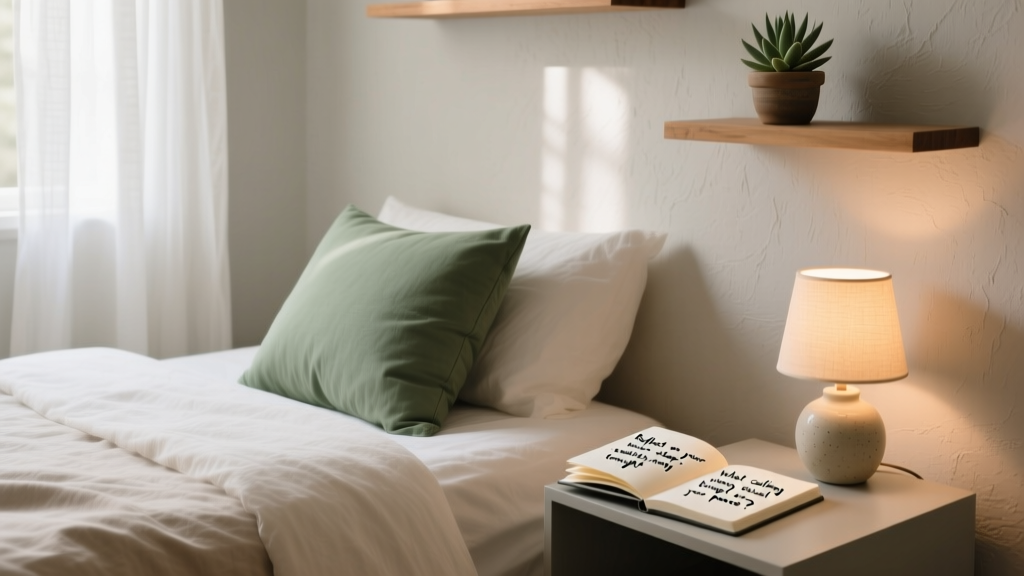 Best Bedroom Sleep Journal Prompts - The Decor Mag
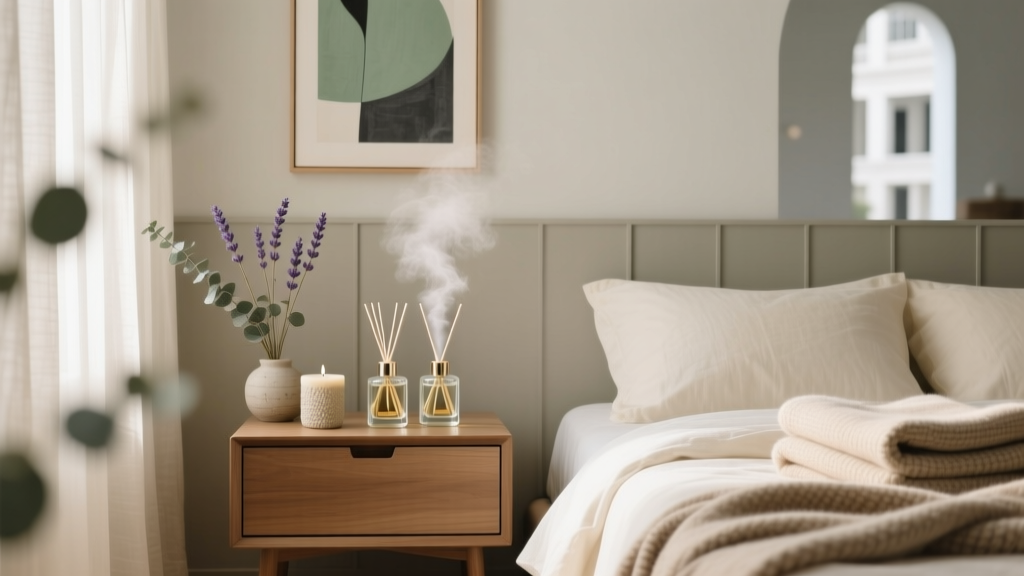 Best Bedroom Essential Oil Blend for Sleep - The Decor Mag
 Bedroom Curtains for Better Sleep (2026)
 Summer Bedroom Design: Stay Cool & Stylish
 Bedroom Reeded Glass Wardrobe Doors - The Decor Mag
 Reading Corner in Bedroom: Decor Ideas (2026)
 Bedroom Curved Headboard Upholstery Trend - The Decor Mag
 Best Bedroom Lingerie Drawer Organizers - The Decor Mag
 Bedroom Fluted Nightstand Design - The Decor Mag