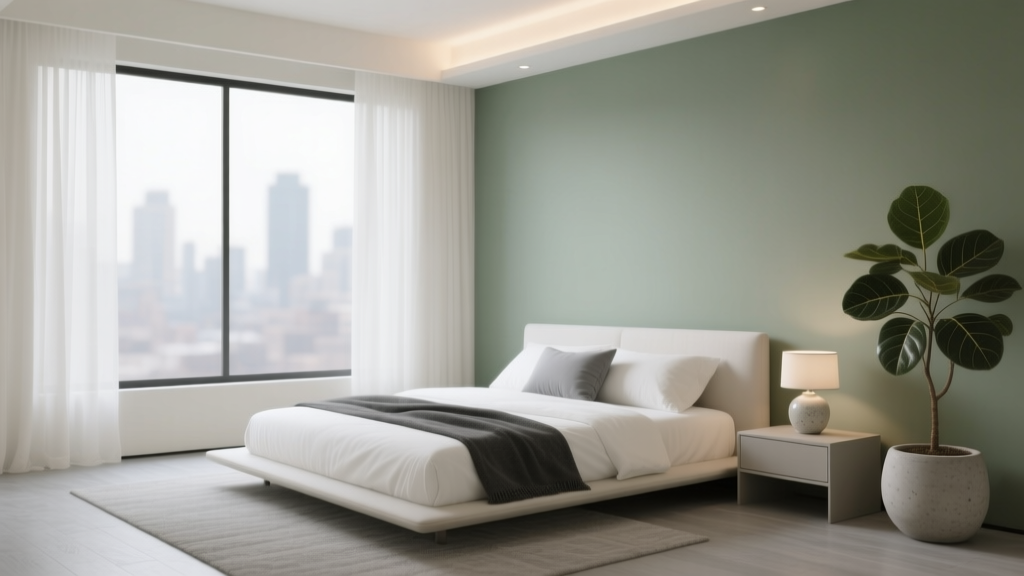
How to Create a Bedroom for Deep Rest - The Decor Mag
Deep rest doesn’t start when your head hits the pillow—it starts the moment you enter your bedroom. The sleep environment you create (light, sound, temperature, textures, and layout) sends constant signals to your nervous system about whether it’s safe to soften, slow down, and let go. When your room supports calm, your body can move more easily into the stages of sleep that restore energy, mood, immune function, and focus.
For homeowners and renters alike, bedroom design is one of the most practical wellness upgrades available. You don’t need a full renovation to improve sleep quality; a few strategic changes to bedding, lighting, and clutter can noticeably reduce nighttime wake-ups and help you fall asleep faster. Think of this as designing a dedicated “rest cue”—a space that consistently tells your brain: this is where we recover.
Below, you’ll find calming, expert, and realistic ways to create a sleep-friendly bedroom—from furniture placement and color choices to material recommendations, budget ranges, and common mistakes to avoid.
Start With the Foundations: What Your Brain Needs to Sleep
A great bedroom for deep rest supports three essentials:
- Darkness: signals melatonin production and reduces sleep fragmentation.
- Quiet (or steady sound): limits micro-awakenings that you may not remember but still affect sleep quality.
- Cool comfort: helps your body temperature drop, a key cue for falling asleep and staying asleep.
Design choices should reinforce these basics. Before shopping for decor, do a quick audit:
- What wakes you up most: light, sound, temperature, discomfort, or stress?
- What feels most distracting in your room: clutter, harsh lighting, bright colors, or electronics?
- What do you want to feel when you walk in: grounded, cocooned, airy, hotel-calm?
Plan a Sleep-Supportive Layout (Even in Small Spaces)
Place the bed to feel stable and protected
The bed is the centerpiece of bedroom design and the strongest “rest cue.” A stable placement reduces visual stress and makes the room feel calmer.
- Best placement: headboard on a solid wall, with a clear view of the door (without being directly in line with it).
- Avoid: placing the bed under a window if drafts, street noise, or light leaks are an issue.
- Balance: try to leave space on both sides of the bed when possible for easier movement and a less cramped feel.
Keep pathways clear to reduce subconscious tension
When you have to sidestep laundry piles or squeeze around furniture, your body stays on alert. A smoother pathway helps your brain register the bedroom as safe and settled.
- Maintain 24–30 inches of walking space on at least one side of the bed.
- Choose wall-mounted shelves or slim nightstands for narrow rooms.
- Use under-bed storage bins with lids to conceal visual clutter (preferably for off-season items, not daily chaos).
Create zones: sleep, dressing, and reading
If your bedroom also functions as an office or workout area, define boundaries so sleep doesn’t compete with daytime energy.
- Use a room divider, curtain, or tall bookcase to visually separate a desk from the bed.
- Place a small chair or bench in a corner for reading so the bed remains primarily for sleep.
- If possible, keep work materials in a closed cabinet or lidded basket after hours.
Choose the Right Bed and Mattress for Deep Rest
Invest where it matters most
When it comes to sleep quality, the bed setup has the highest return on investment. If your budget is limited, prioritize the mattress, then pillows, then sheets.
Budget ranges (queen):
- Mattress: $400–$900 (value), $900–$1,800 (mid-range), $1,800–$3,500+ (premium)
- Bed frame: $150–$400 (basic), $400–$900 (mid-range), $900–$2,000+ (designer/solid wood)
- Pillows (pair): $40–$120 (value), $120–$250 (mid-range), $250+ (premium specialty)
Pick a supportive, quiet bed frame
Squeaky frames and shifting slats can disrupt rest—especially for light sleepers.
- Look for solid wood or heavy-gauge steel frames with a center support beam (queen and up).
- Consider an upholstered headboard to soften sound and add comfort for reading.
- Use felt pads between frame joints and the floor to reduce noise.
Mattress comfort: match feel to your sleep position
- Side sleepers: medium to medium-soft, with pressure relief at shoulders/hips.
- Back sleepers: medium to medium-firm for lumbar support.
- Stomach sleepers: firmer surface to prevent lower-back sink.
- Hot sleepers: hybrid or latex with breathable cover; avoid overly plush foam unless it has strong airflow design.
Bedding Materials That Help You Sleep Cooler and Calmer
Sheets: prioritize breathability and feel
Texture matters. Scratchy or clingy fabric can cause micro-wakeups and restlessness. For a sleep-friendly bedroom, choose natural fibers whenever possible.
- Cotton percale: crisp, cool, ideal for hot sleepers; look for long-staple cotton.
- Linen: airy and moisture-wicking; softens over time; great for warm climates.
- Bamboo-derived viscose/lyocell: smooth and cool; choose reputable brands for better durability.
- Flannel (seasonal): cozy for winter; consider it as a cold-weather swap.
Budget ranges (queen sheet set): $40–$80 (basic cotton), $80–$160 (quality percale/linen blends), $160–$300+ (premium linen/long-staple cotton)
Comforters and duvets: manage temperature with layers
Overheating is a common sleep disruptor. Instead of one heavy blanket, build flexible layers.
- Down or down-alternative duvet: choose a breathable cotton shell; pick a lighter fill for warmer rooms.
- Wool blanket: excellent temperature regulation (warm but not sweaty).
- Quilt: ideal as a top layer for a hotel-style bed that doesn’t trap heat.
Tip: Use two duvets (one light, one medium) and rotate seasonally. It’s often cheaper than buying multiple specialty comforters.
Pillows: align your neck and calm your jaw
- Side sleepers: higher loft pillow to fill shoulder-to-neck gap.
- Back sleepers: medium loft; consider a contoured foam or latex for support.
- Stomach sleepers: low loft (or no pillow) to reduce neck strain.
Wellness note: If you wake with jaw tension, try a supportive pillow that keeps your head neutral and consider a softer, lower pillow height to reduce neck strain.
Lighting Design for a More Restful Sleep Environment
Use layered lighting instead of one bright overhead
Harsh overhead lighting can keep your brain in “day mode.” Layered, warm lighting cues the body to wind down.
- Ambient: a dimmable ceiling light or shaded lamp for overall glow.
- Task: bedside reading lamps with warm bulbs.
- Night navigation: motion-activated low lights for the path to the bathroom.
Choose warm color temperatures at night
- Look for 2700K (warm) to 2200K (extra warm) bulbs for evening use.
- Use dimmers or smart bulbs to lower brightness 1–2 hours before bed.
- Avoid cool white bulbs (4000K+) in the bedroom—they can feel energizing and clinical.
Block light like a boutique hotel
Light pollution is one of the most common reasons people struggle with deep sleep. Even small leaks can reduce sleep depth for sensitive sleepers.
- Blackout curtains: best for streetlights, early sun, and shift workers.
- Layered window treatments: sheer curtains + blackout drapes for daytime softness and nighttime darkness.
- Budget option: blackout roller shades ($40–$150 per window) paired with simple curtains.
Color and Decor That Quiet the Mind
Pick calming colors that reduce visual noise
Color psychology isn’t magic, but your brain does respond to visual intensity. Softer, muted hues tend to feel more restful.
- Best calming wall colors: warm whites, soft greige, muted sage, dusty blue, clay-beige, gentle taupe.
- If you love dark walls: deep navy, charcoal, or forest green can feel cocooning—pair with warm lighting and light bedding for balance.
- Avoid (if sleep is a struggle): high-saturation reds, neon accents, and very stark bright white with cool lighting.
Choose textures that invite relaxation
- Rugs: wool or wool-blend for softness and sound absorption; $120–$400 for 5x7 value to mid-range, $400–$1,200+ for premium.
- Throws: cotton knit, linen, or wool for breathable comfort.
- Upholstery: natural fabrics (cotton, linen blends) feel calmer and often sleep “cooler” than slick synthetics.
Keep decor intentional and uncluttered
A restful bedroom doesn’t have to be minimalist, but it should feel edited. Too many objects compete for attention, which can subtly raise mental arousal.
Try this simple rule: two surfaces, mostly clear (nightstands and dresser top), with a small tray for essentials.
Sound, Scent, and Air Quality: The Hidden Sleep Design Tools
Control noise with soft materials and steady sound
- Add curtains, rugs, and upholstered elements to reduce echo.
- Use a white noise machine or a fan to mask intermittent sounds (traffic, neighbors).
- If you share walls, consider fabric wall hangings or a bookcase against the shared wall for extra dampening.
Improve air quality for easier breathing at night
- Wash bedding weekly in fragrance-free detergent if you’re sensitive.
- Consider an air purifier (HEPA) for allergies or dust; $70–$150 (small rooms), $150–$300 (mid-range), $300+ (larger spaces).
- Keep humidity comfortable: 30–50% is a common sweet spot. A simple hygrometer ($10–$20) helps.
Use scent lightly, if at all
Some people find lavender or chamomile calming, while others get headaches from fragrance. If you use scent:
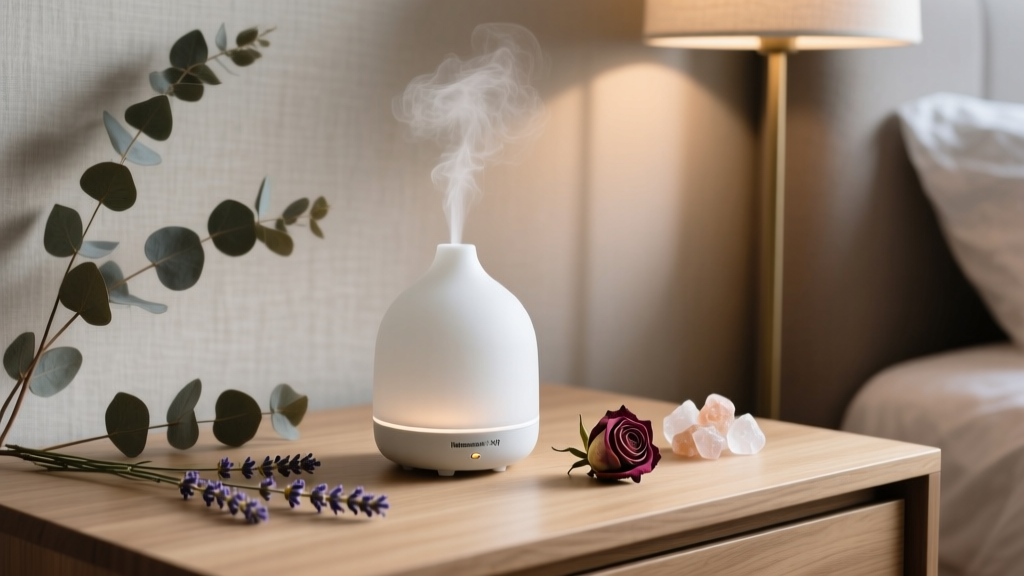
- Choose a low-output diffuser on a timer, or a linen spray used earlier in the evening.
- Avoid overpowering candles right before bed (bright light + strong scent can be stimulating).
Bedroom Wellness Habits That Pair Beautifully With Great Decor
The best bedroom design supports behavior. A few small routines reinforce deep rest:
- Digital sunset: charge phones away from the bed (use a dresser or shelf). Consider an analog alarm clock ($15–$40).
- Gentle wind-down corner: keep a book, eye mask, and hand cream in a bedside tray.
- Temperature cue: aim for a cool room—many sleepers prefer 60–67°F (15.5–19.5°C), adjusting for personal comfort.
- Evening lighting routine: dim lights 60–90 minutes before sleep to help your body shift into rest mode.
Common Mistakes to Avoid
- Overly bright, cool lighting: a single 5000K overhead bulb can make your bedroom feel like a workspace.
- Too many pillows and decor items: visually busy beds can feel like a “to-do list.” Keep it simple and plush.
- Clutter near the bed: stacks of laundry, paperwork, and random chargers increase mental load at night.
- Ignoring window light leaks: streetlights and early sun can sabotage sleep quality even if you “get used to it.”
- Choosing style over comfort: scratchy bedding, flimsy frames, and tiny lamps may look good but disrupt rest.
- Working in bed: it blurs the brain’s association between bed and sleep, making it harder to wind down.
FAQ: Bedroom Design for Better Sleep
What is the best bedroom color for sleep?
Soft, muted tones tend to be most sleep-friendly: warm white, greige, sage, dusty blue, and gentle taupe. If you prefer dark colors, deep navy or charcoal can feel cocooning when paired with warm lighting and lighter bedding.
Do blackout curtains really help sleep quality?
Yes—especially if you’re sensitive to light, live near streetlights, or wake with early sunrise. Blackout curtains or blackout shades reduce light exposure that can fragment sleep and interfere with melatonin production.
How can I make a small bedroom feel more restful?
Focus on clear pathways, slim nightstands, and closed storage. Use layered lighting (warm bedside lamps instead of a bright overhead), and keep decor edited. A mirror can help with brightness in the daytime, but avoid placing it where it reflects the bed if it feels visually stimulating at night.
What bedding materials are best for hot sleepers?
Cotton percale, linen, and some bamboo-derived lyocell options tend to sleep cooler than heavy microfiber or plush synthetics. Choose lighter duvet fills, and consider layering with a breathable quilt instead of one thick comforter.
Should I keep plants in the bedroom?
If you enjoy them, a few low-maintenance plants can make the room feel calmer. Keep soil tidy, avoid strongly fragrant blooms, and don’t overcrowd surfaces. If allergies are an issue, prioritize an air purifier and minimal dust-collectors.
What’s the most cost-effective upgrade for better sleep?
Usually: blackout window coverage ($40–$200 per window) and better pillows ($40–$150) or quality sheets ($80–$160). These changes can noticeably improve comfort and reduce nighttime disruptions without a full redesign.
Next Steps: A Simple Weekend Plan for Deeper Rest
If you want a calmer bedroom without feeling overwhelmed, tackle it in this order:
- Nightstand reset: clear clutter, add a small tray, and limit items to sleep supports (book, eye mask, lip balm).
- Lighting upgrade: swap to 2700K bulbs and add a dimmer or warm bedside lamps.
- Darkness fix: add blackout curtains or shades to reduce light leaks.
- Bedding refresh: choose breathable sheets and a temperature-appropriate duvet or quilt.
- Layout tweak: improve pathways and stabilize the bed placement if possible.
Your bedroom doesn’t need to be perfect to be deeply restful—it just needs to consistently support comfort, calm, and darkness. With a few intentional design choices, you can build a sleep environment that makes deep rest feel natural again.
For more soothing bedroom design ideas, sleep-friendly decor guides, and practical room refreshes, explore the latest on thedecormag.com.
More Articles
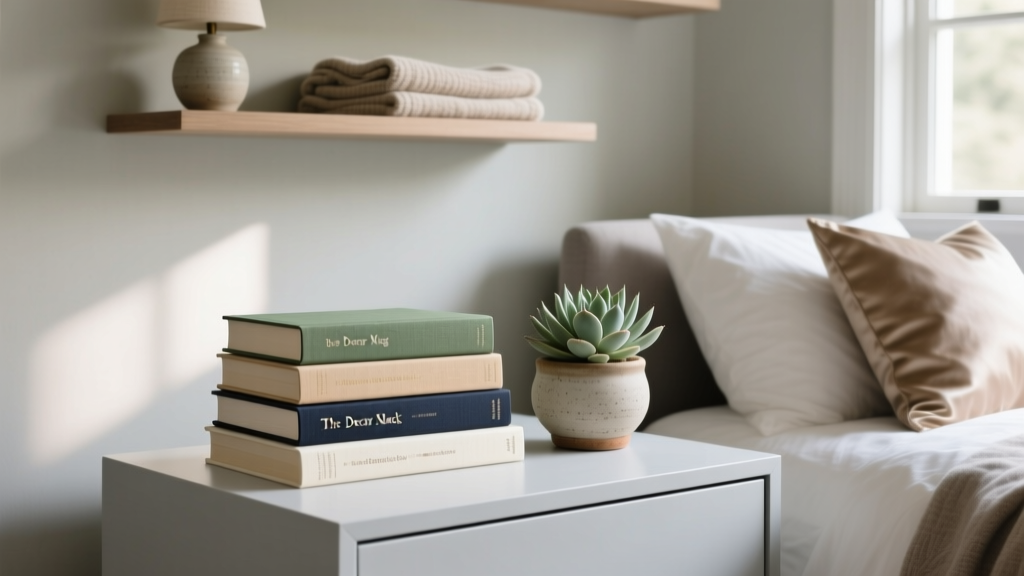 Best Bedroom Bedside Reading Stack - The Decor Mag
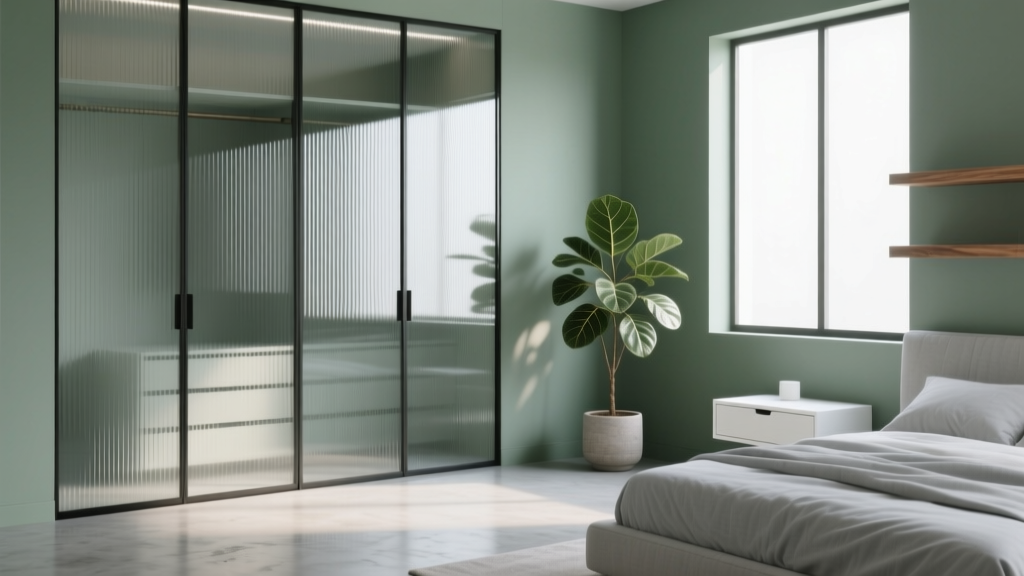 Bedroom Reeded Glass Wardrobe Doors - The Decor Mag
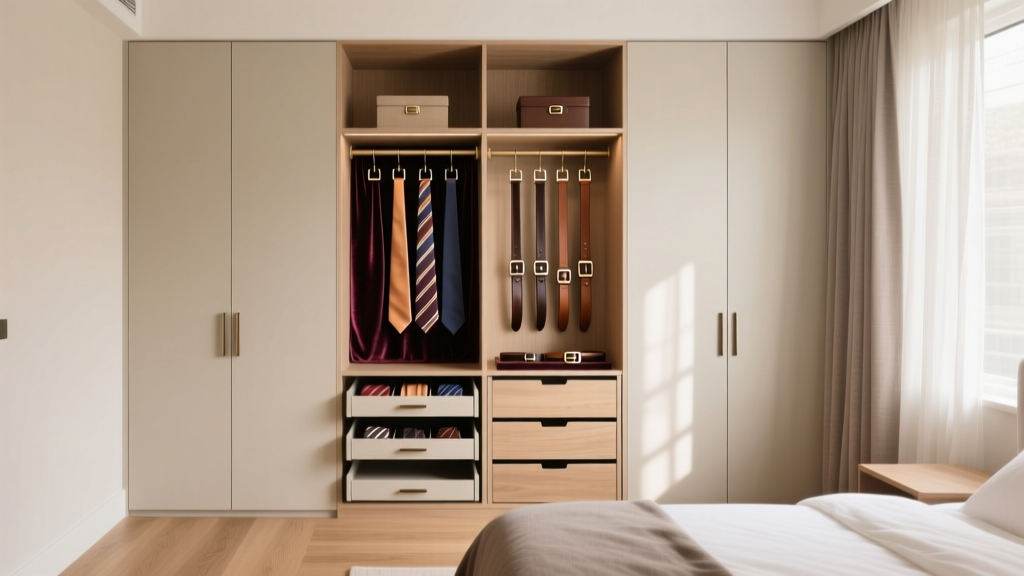 Best Bedroom Tie and Belt Storage - The Decor Mag
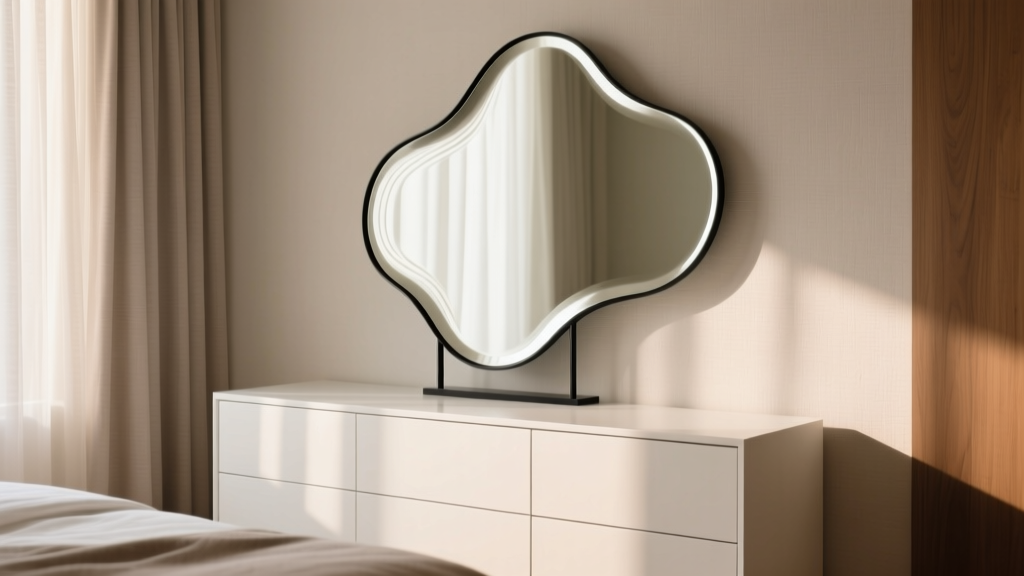 Bedroom Organic Shaped Mirror Above Dresser - The Decor Mag
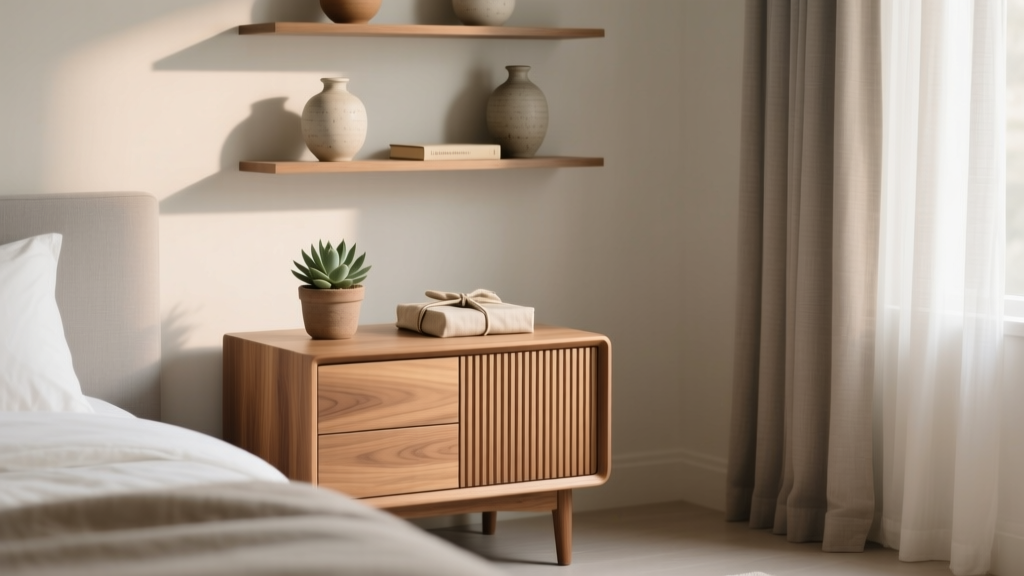 Bedroom Reeded Wood Nightstand Trend - The Decor Mag
 Scheme Kitchen Design Essentials: Precision, Proportion, and Purpose-Built Functionality
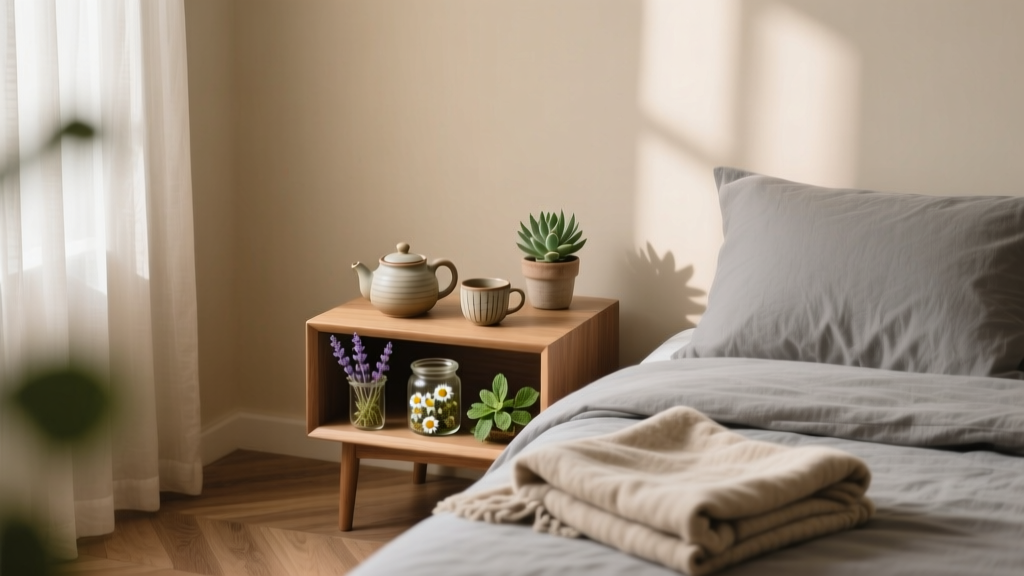 Best Bedroom Herbal Tea Bedside Setup - The Decor Mag
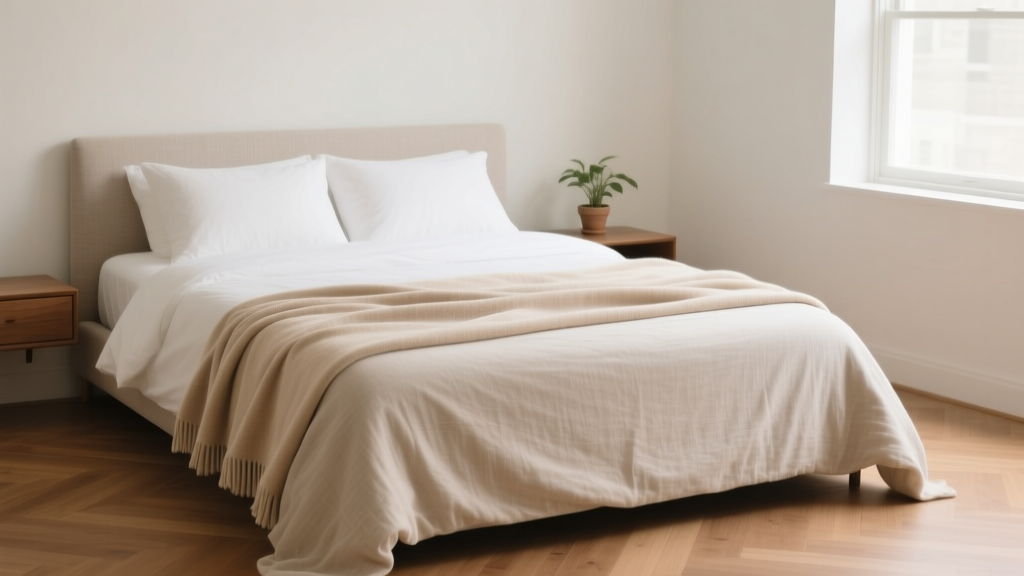 How to Choose Bedroom Throw Size for Bed - The Decor Mag
 Bedroom Natural Stone Nightstand Top - The Decor Mag
 Best Bedroom Aromatherapy Diffuser Blend - The Decor Mag