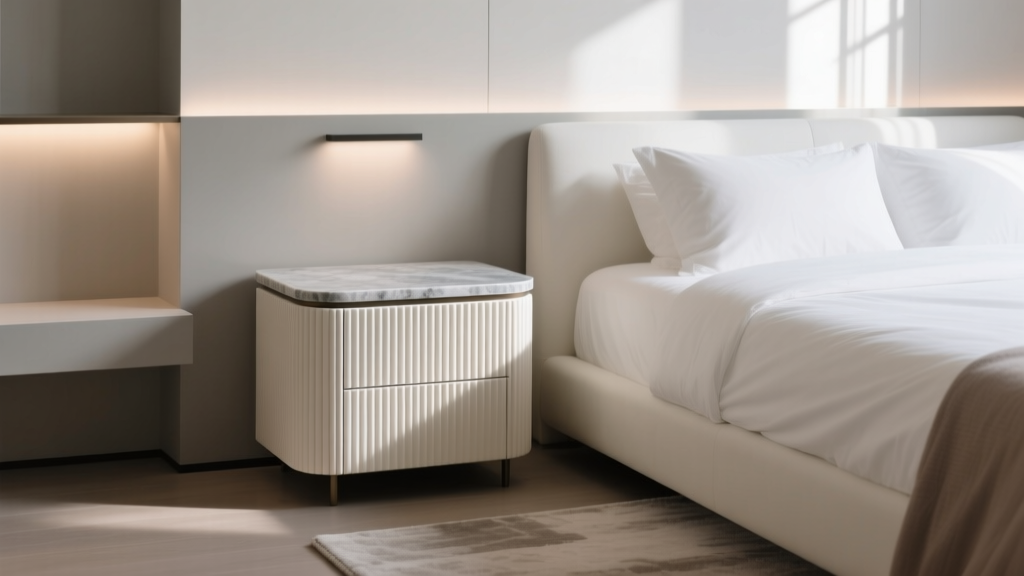
Bedroom Fluted Nightstand with Stone Top - The Decor Mag
A bedroom that supports deep, steady sleep is rarely about one “perfect” item—it’s about a handful of smart choices working together. Still, the nightstand deserves more attention than it gets. It’s the piece you reach for when you’re drowsy, the surface that holds your water, book, lamp, and calming rituals, and the furniture that quietly sets the tone for your whole sleep environment.
A fluted nightstand with a stone top blends visual softness with practical performance. The fluting adds gentle texture that reads as calm rather than busy, while the stone top offers a cool, durable landing spot for a warm mug, an essential-oil diffuser, or a glass of water. When chosen thoughtfully, it becomes a small “sleep station” that supports better bedroom design, less clutter, and smoother bedtime routines—three factors that often translate directly to better rest and wellbeing.
Below, you’ll find design guidance, wellness-forward considerations, and practical recommendations—materials, lighting, layout tips, and budget ranges—to help you choose and style a fluted nightstand with a stone top for a more relaxing bedroom.
Why a Fluted Nightstand with Stone Top Works So Well for Bedrooms
Fluting adds calm texture without visual noise
Fluted fronts (vertical grooves) create rhythm and dimension. Unlike high-contrast patterns, fluting tends to feel soothing and architectural. It also helps a nightstand look intentional even in a simple bedroom decor scheme—especially helpful for renters working with basic walls and standard flooring.
Stone tops are naturally practical for bedtime living
Stone—real or engineered—handles daily wear beautifully. The cool-to-the-touch surface can feel refreshing, and it’s less prone to heat rings than many wood finishes.
- Great for: water glasses, bedside carafes, candles (safer on stone, though still use caution), warm tea, skincare.
- Sleep-friendly bonus: a stone top is easy to wipe clean, which helps reduce dust buildup near the bed—useful for allergy-sensitive sleepers.
A well-chosen nightstand reduces friction at bedtime
When your essentials are within reach and your surface stays clear, your brain reads the space as “settled.” That sense of order supports a calmer nervous system—an underrated connection between bedroom design and sleep quality.
Choosing the Right Size: Height, Width, and Storage That Support Better Sleep
Nightstand height: aim for mattress-level alignment
The most comfortable height is typically within 1–2 inches of your mattress top. Too low, and you’ll hunch and strain; too high, and you’ll knock things over half-asleep.
- Standard range: 22–28 inches tall
- Platform beds: often pair well with 20–24 inches
- Taller mattresses: often need 26–30 inches
Width and depth: keep it proportional to the bed
For visual balance and easy access, your nightstand shouldn’t feel like an afterthought or a bulky blocker.
- For a twin/full bed: 16–22 inches wide
- For a queen: 18–26 inches wide
- For a king: 20–30 inches wide (or larger if you have the space)
- Depth tip: 15–18 inches deep fits most lamps and books without crowding walkways.
Storage: drawers beat open shelves for sleep
Open shelves tend to collect visual clutter (chargers, receipts, lotion bottles) which can subtly increase mental stimulation. For a calmer bedroom decor approach, prioritize enclosed storage.
- Best setup: 1–2 drawers plus a clean top
- Quiet-close hardware: soft-close drawers reduce night noise and prevent jarring slams.
Materials Guide: Best Fluted Woods and Stone Tops (and What to Avoid)
Fluted base materials
- Solid oak or ash: durable, beautiful grain, ideal for fluting (holds detail well). Great for warm, modern, Scandinavian, and organic modern bedroom design.
- Walnut veneer over hardwood: rich tone with stable construction; often more budget-friendly than solid walnut.
- MDF with high-quality veneer: common in mid-range pieces; can be stable and smooth, but look for well-finished edges and sturdy drawer slides.
Stone top options (and how they behave)
- Marble: timeless and cool, but porous; can etch from acidic spills (citrus, skincare acids). Best if you’re okay with gentle patina or use coasters.
- Quartz (engineered stone): highly stain-resistant, consistent color, easy-care. Excellent for busy households and low-fuss bedroom styling.
- Travertine: soft, earthy, spa-like; typically filled/sealed. Adds warmth and texture but needs gentle care.
- Sintered stone/porcelain slab: very durable, excellent heat and stain resistance; often found in higher-end modern pieces.
Finish and air quality considerations
If sleep wellness is a priority, keep an eye on finishes and odors—especially in small bedrooms.
- Look for low-VOC finishes when available.
- If a new nightstand has a strong smell, air it out in a ventilated area for a few days before placing it beside your bed.
- Consider a Greenguard or similar certification if you’re sensitive to off-gassing (availability varies by brand).
Style Pairings: Making a Stone-Top Fluted Nightstand Feel Cohesive
Best color palettes for a sleep-friendly bedroom
To support a calmer sleep environment, choose colors that feel grounded and soft under evening lighting.
- Warm neutrals: cream, sand, oatmeal, camel (beautiful with oak + travertine)
- Muted greens: sage, olive-gray (pairs well with walnut + white stone)
- Dusty blues: slate blue, misty navy (great with light stone and brushed brass)
- Soft grays: warm gray, greige (works with almost any stone top)
Hardware and metal finishes
- Brushed brass: warm and comforting, excellent with cream bedding and warm wood tones.
- Matte black: crisp and modern, best when the rest of the room has at least a few black accents to tie it together.
- Nickel/chrome: clean and airy; works best in cooler palettes.
Stone veining and pattern: keep it quiet
For a restful bedroom, choose stone with subtle veining rather than high-contrast movement. Busy patterns can feel visually “loud,” especially when you see them first thing in the morning and last thing at night.
Bedside Lighting That Complements Stone and Supports Sleep
Choose warm, dimmable light
Lighting is one of the biggest levers in sleep-friendly bedroom design. Bright, cool bulbs can suppress melatonin and make it harder to wind down.
- Best bulb range for evening: 2200K–2700K (warm white)
- Must-have feature: dimmer or 3-way brightness
- Glare check: use a shade that diffuses light rather than exposing a bare bulb.
Lamp shapes that pair beautifully with fluting
- Ceramic or linen-shade table lamps: soften the look of stone and add gentle texture.
- Glass lamps: feel lighter visually—great for small bedrooms or narrow nightstands.
- Wall-mounted sconces: free up surface space and reduce clutter; ideal for narrow bedside clearances.
Practical placement
- Place the lamp so the switch is reachable while lying down.
- Aim for the bottom of the lampshade to sit around eye level when seated in bed to reduce glare.
How to Style a Fluted Stone-Top Nightstand (Without Clutter)
The 5-item rule for a calmer surface
A stone top can invite over-styling because it’s so pretty. For better sleep hygiene, keep the top intentionally sparse. A simple guideline: no more than five items.
- Light source: lamp or sconce
- Water: a lidded carafe or glass on a coaster
- One calming object: small plant, framed photo, or smooth stone tray
- One functional item: book or journal (not a pile)
- One containment piece: catchall dish for rings/earplugs
Use trays to create visual order
A tray prevents “tiny-item sprawl,” which helps a bedroom feel more peaceful.
- Best tray materials: wood, leather, matte ceramic
- Size tip: keep it to about one-third of the stone top so you still have clear space.
Charge devices out of sight
If you can, keep phones off the stone top. Screen habits are strongly linked to sleep quality, and a visible phone tends to pull attention.
- Use a drawer with a cable grommet or a charging organizer.
- Consider a sunrise alarm clock to reduce reliance on your phone.
Layout Tips: Where the Nightstand Should Sit for Flow and Relaxation
- Leave breathing room: aim for at least 2–4 inches between bed frame and nightstand so bedding doesn’t snag and cleaning is easier.
- Mind the walkway: try to maintain 24–30 inches of clearance in tight rooms (even 18–22 inches can work in a small rental if planned well).
- Anchor with a rug: a rug that extends 18–24 inches beyond the side of the bed makes the bedside feel softer and quieter underfoot.
Budget Ranges: What to Expect (and Where to Spend)
Entry-level: $150–$350
- Often MDF/engineered wood with faux-stone or thin stone veneer.
- Look for sturdy drawer slides and a stable base (no wobble).
- Best for renters who want the look without a long-term commitment.
Mid-range: $350–$800
- Higher-quality veneer, better fluting detail, real stone tops more common (marble/quartz/travertine).
- Soft-close drawers and better hardware are more likely.
- Strong value zone for long-term bedroom design upgrades.
Premium: $800–$1,800+
- Solid wood bases, thicker stone slabs, refined joinery, excellent hardware.
- Often customizable finishes or more unique stone selections.
- Best if you plan to keep the piece through multiple moves.
Sleep-Friendly Wellness Tips for Your Bedside Setup
- Keep the top cool and clear: a cluttered surface can increase stress. A clear stone top reads “clean” and helps the brain settle.
- Choose scent carefully: if using candles or diffusers, stick with gentle options like lavender or chamomile and avoid overpowering blends. Extinguish candles well before sleep.
- Support a wind-down routine: store a book, eye mask, or magnesium lotion in the top drawer so bedtime is easy and consistent.
- Reduce nighttime disruptions: add felt pads under objects that clink on stone (trays, lamps, coasters).
Common Mistakes to Avoid
- Choosing the wrong height: a nightstand that’s far below or above the mattress makes nighttime reaching awkward and increases spills.
- Over-styling the stone top: stone is a focal point; too many objects make the space feel busy rather than restful.
- Ignoring glare: a bright, cool bulb or exposed bulb can sabotage a relaxing bedroom lighting plan.
- Skipping coasters and seals: marble and travertine can stain or etch. Protect the surface to keep it looking serene.
- Letting cords take over: cable clutter reads as mental clutter—use clips, drawers, or a cord channel.
- Buying a wobbly piece: if the nightstand isn’t stable, every touch becomes a mini disturbance—especially frustrating when you’re trying to drift off.
FAQ: Fluted Nightstands with Stone Tops
Is a stone top too cold or harsh for a cozy bedroom?
Not when it’s balanced with soft textures. Pair the stone with warm bedding (linen, cotton sateen, or brushed cotton), a fabric-shade lamp, and a rug underfoot. The contrast often makes a bedroom feel more layered and inviting.
What stone is easiest to maintain for a bedside table?
Quartz and sintered stone/porcelain slab are typically the easiest—highly stain-resistant and low-fuss. Marble and travertine are beautiful but benefit from coasters and occasional sealing, depending on the finish.
Do fluted nightstands collect dust?
The grooves can hold a little dust, but it’s manageable. Use a soft brush attachment on a vacuum or a microfiber cloth. If allergies affect your sleep, a quick weekly wipe-down helps keep the sleep environment cleaner.
Should I get one nightstand or two?
Two nightstands create symmetry and a calmer visual rhythm, which many people find relaxing. If space or budget is tight, one nightstand still works—try balancing the other side with a floor lamp or wall sconce to keep the room feeling intentional.
What’s the best bedside lighting if I read at night?
Choose a dimmable lamp with a warm bulb (2200K–2700K). For reading, a shade that directs light downward or a swing-arm wall sconce works well—bright enough for pages, soft enough to protect a wind-down mood.
How do I protect a marble or travertine nightstand top?
Use coasters, avoid setting skincare bottles directly on the stone, wipe spills promptly, and consider a stone sealer if recommended by the manufacturer. A small tray can also create a protective “zone” for everyday items.
Next Steps: Build a Bedside Setup That Helps You Sleep
Start with the basics: choose a fluted nightstand that matches your mattress height, prioritize drawers for a clutter-free look, and opt for a stone top that fits your maintenance comfort level. Then refine the experience—warm, dimmable lighting; a simple tray system; and a bedtime routine supported by what you keep within reach. These small design decisions shape a calmer bedroom decor story and a more restorative sleep environment.
If you’re ready for more ideas—headboards, bedroom lighting plans, soothing color palettes, and renter-friendly upgrades—explore more bedroom inspiration on thedecormag.com.
More Articles
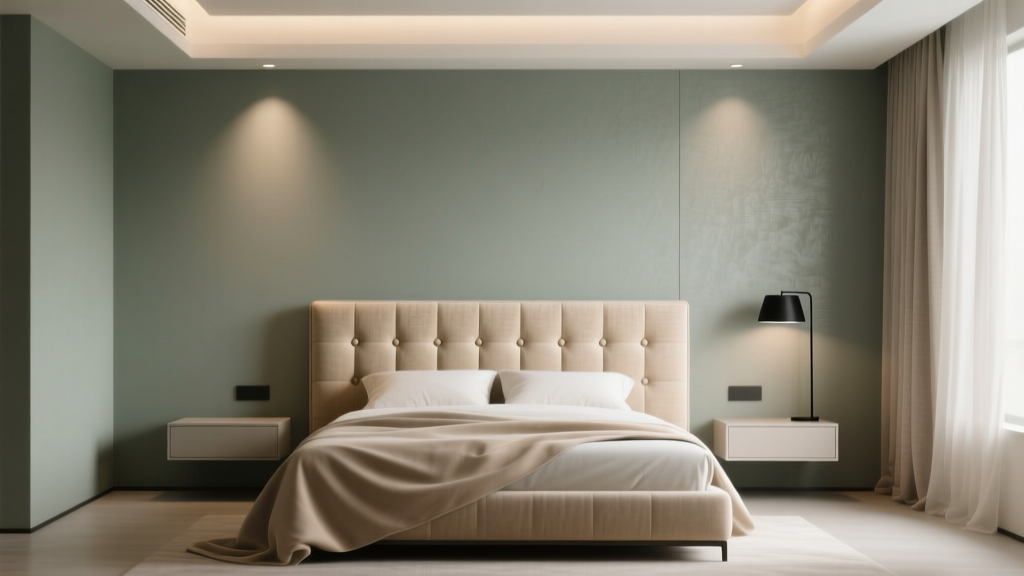 Bedroom Upholstered Headboard Trends - The Decor Mag
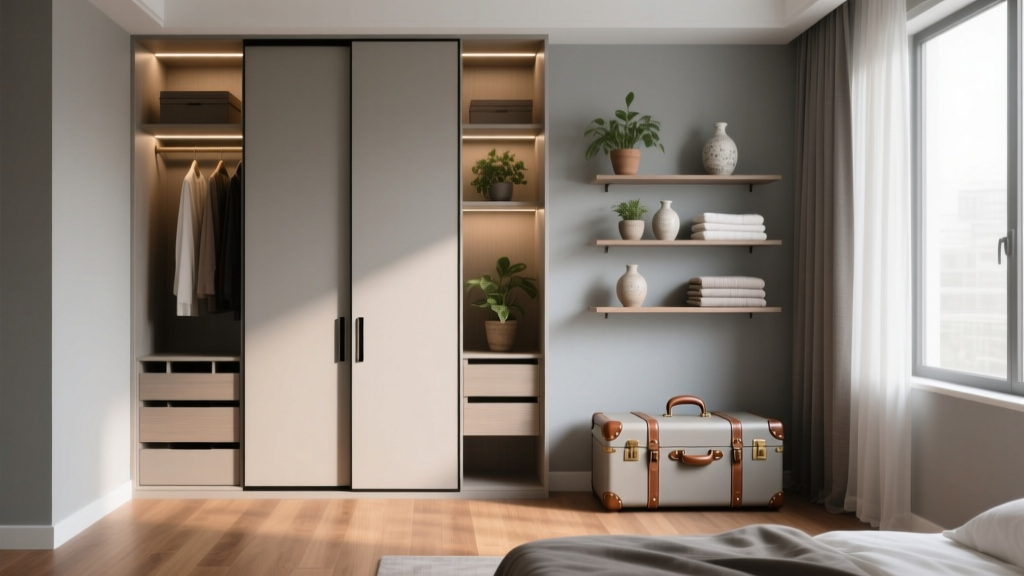 Best Bedroom Luggage Storage Solutions - The Decor Mag
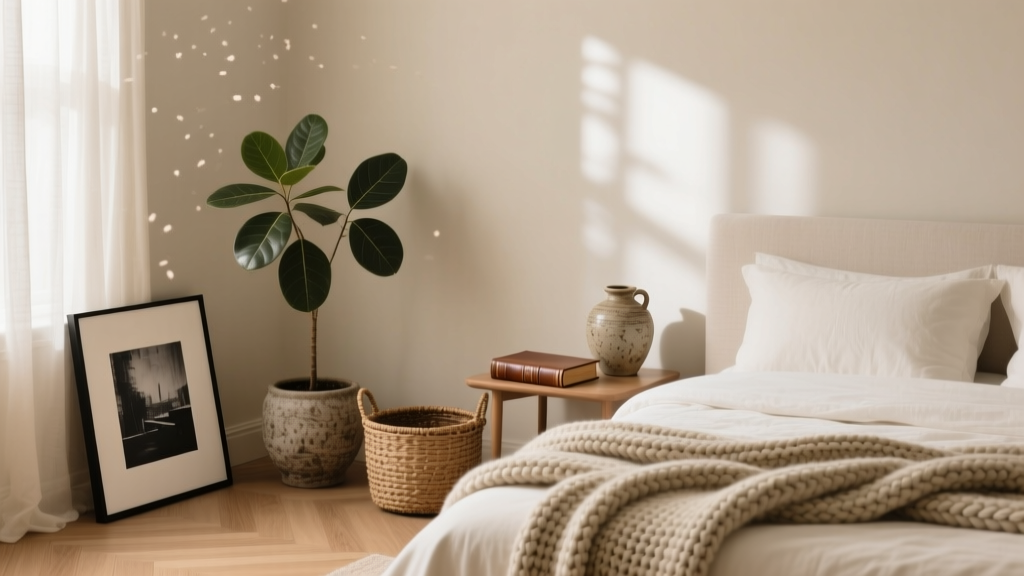 How to Create a Bedroom That Feels Collected - The Decor Mag
 How to Match Your Family’s Needs With the Right Bedroom Options: A Practical, Evidence-Based Guide
 Best Bedroom Herbal Tea Bedside Setup - The Decor Mag
 Best Bedroom Bedside Carafe and Glass - The Decor Mag
 Best Bedroom Mirror Placement Ideas - The Decor Mag
 How to Choose Bedroom Lighting for Reading - The Decor Mag
 How to Choose Bedroom Bedding Weight - The Decor Mag
 Best Bedroom Bedside Essential Oil Roller - The Decor Mag