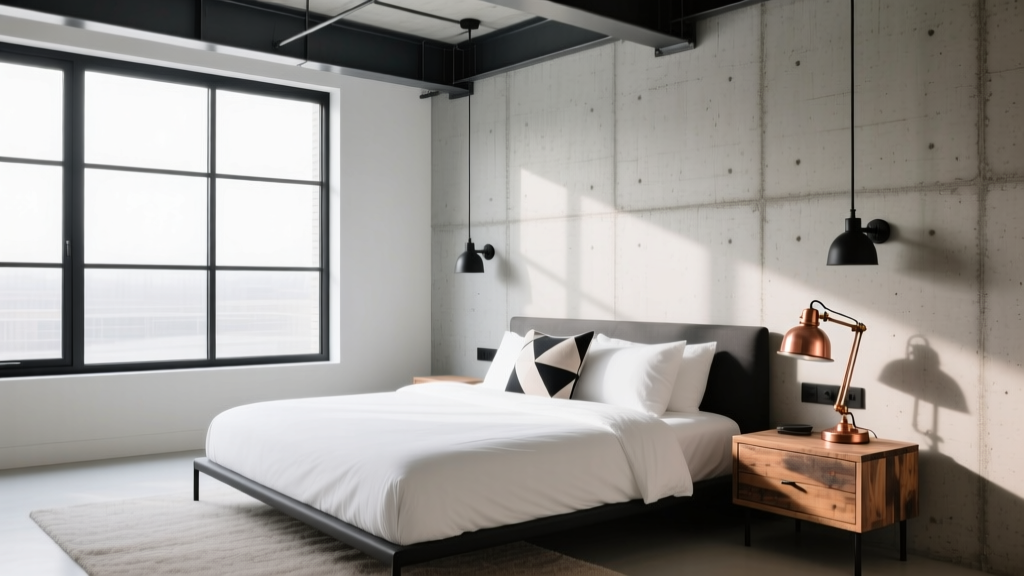
Industrial Bedroom Design Inspiration - The Decor Mag
An industrial bedroom can feel quietly grounding: simple lines, honest materials, and a calm, uncluttered mood that helps your mind shift from “doing” to “resting.” When the design is thoughtful, industrial style isn’t cold or harsh—it’s steady, tactile, and sleep-friendly, with a focus on function and comfort.
Your bedroom design directly influences sleep quality. Lighting, noise, temperature, and visual “busyness” all affect how quickly you fall asleep and how deeply you rest. Industrial decor naturally supports a better sleep environment because it favors minimal ornament, durable surfaces, and a streamlined layout. The key is balancing raw elements (metal, concrete, exposed wood) with softness (textiles, warm lighting, cozy bedding) so the space feels restorative rather than stark.
This guide shares practical industrial bedroom design ideas you can use whether you own your home or rent. You’ll find furniture and bedding recommendations, color palettes, lighting plans, layout tips, wellness-focused upgrades, budget ranges, and common mistakes to avoid—so you can create an industrial bedroom that looks intentional and feels genuinely restful.
What Makes an Industrial Bedroom Feel Calm (Not Cold)
Industrial style is inspired by warehouses and converted lofts: exposed structures, utilitarian pieces, and materials that show their age gracefully. For sleep and relaxation, the most successful industrial bedrooms follow a simple formula: clean structure + warm layers.
Core industrial elements to consider
- Materials: blackened steel, iron, brushed metal, reclaimed or lightly distressed wood, concrete or plaster-look finishes, leather accents
- Shapes: straight lines, squared frames, minimal profiles, practical storage
- Details: visible bolts or hardware, grid patterns, factory-style lighting (used thoughtfully), vintage-inspired pieces
Softening elements that improve the sleep environment
- Warm lighting (2700K or warmer) to support melatonin and reduce nighttime alertness
- Textiles that invite touch: linen, cotton percale, wool, velvet, faux fur, or a plush rug
- Sound absorption from curtains, rugs, and upholstered accents to reduce echo (common in industrial spaces)
Industrial Bedroom Color Palettes That Support Rest
Color is one of the fastest ways to make an industrial bedroom feel soothing. Many industrial interiors lean dark and dramatic, which can work beautifully for sleep—if you balance it with warm undertones and enough soft contrast.
Sleep-friendly industrial palettes
- Soft charcoal + warm white + natural oak: calm, classic, and bright enough for smaller rooms
- Deep gray-green + matte black + tan leather: moody but grounded; great for cozy nighttime vibes
- Greige + iron + cream textiles: ideal for renters who want “industrial light” without painting everything dark
- Terracotta accent + concrete gray + warm wood: adds warmth and prevents the space from feeling sterile
Paint and finish tips
- Choose matte or eggshell finishes for walls to reduce glare and create a softer feel at night.
- If you love black walls, consider a single accent wall behind the bed to keep the room from feeling smaller.
- For a concrete look without construction, try limewash, microcement-look paint, or plaster-effect finishes (many are DIY-friendly).
Furniture Picks: Industrial Style With Comfort First
Industrial furniture should feel sturdy and streamlined, but your bedroom still needs comfort cues—especially around the bed. Start with the largest items, then fill in storage and surfaces that support an easy nighttime routine.
The bed: your anchor piece
- Metal frame (matte black or gunmetal) for a clean industrial look; choose one with solid slats for mattress support.
- Wood-and-metal bed (reclaimed wood headboard, steel rails) for warmth without losing edge.
- Upholstered headboard in a structured shape (charcoal linen, saddle leather, or faux leather) if you read in bed and want extra comfort.
Budget ranges (bed frame):
- $150–$400: simple metal platform frames, basic headboards
- $400–$1,000: wood/metal combinations, better finishes, sturdier joinery
- $1,000–$2,500+: solid wood + steel craftsmanship, custom or heirloom-quality frames
Nightstands that reduce clutter
Industrial bedrooms can look messy quickly if surfaces collect cords and items. Look for nightstands that hide the small stuff.
- Two-drawer metal nightstands with soft-close (great for light sleepers)
- Wood tops with metal frames to warm up the bedside
- Wall-mounted shelves for tight spaces (pair with cord clips to keep it neat)
Dressers and storage: keep the room visually quiet
- Low, wide dressers help the room feel stable and less cluttered
- Wardrobes with sliding doors are excellent for renters with limited closets
- Under-bed bins in fabric or lidded wood/metal to reduce dust and visual noise
Smart layout tip: keep a clear walking path (ideally 24–36 inches) on both sides of the bed if possible. Easy movement reduces stress and prevents “bedroom obstacle course” energy.
Bedding and Textiles: The Secret to a Cozy Industrial Bedroom
Industrial decor comes alive when the bedding looks inviting. This is also where sleep wellness lives: breathable fabrics, temperature control, and tactile comfort.
Best bedding materials for sleep quality
- Cotton percale (crisp, cool): ideal for warm sleepers and summer
- Cotton sateen (smoother, slightly warmer): great for a cozy feel without heavy weight
- European flax linen (breathable, relaxed texture): perfect for softening industrial edges
- Wool or wool-blend blanket: temperature-regulating and excellent for layering
Industrial-friendly bedding colors
- White, ivory, oatmeal, and stone for an airy loft feel
- Charcoal, slate, and deep olive for a cocoon effect
- Rust, camel, or tobacco accents to warm up black metal and gray walls
Textile layering formula (simple and sleep-ready)
- Breathable sheet set (percale or linen)
- Midweight duvet insert (down alternative for easy care; wool for temperature balance)
- Duvet cover in a calming neutral to keep the visual field quiet
- One textured throw (chunky knit, wool, or washed cotton) at the foot of the bed
- Rug under the bed to reduce echo and provide warmth underfoot
Budget ranges (bedding upgrades):
- $60–$150: cotton sheet sets, basic duvet covers, simple throws
- $150–$350: higher-quality percale, linen blends, better duvet inserts
- $350–$800+: premium linen, wool inserts, long-staple cotton, multiple layers
Lighting: Industrial Style Without Harsh Glare
Lighting can make or break an industrial bedroom. Many industrial fixtures are visually striking—cages, exposed bulbs, metal shades—but exposed bulbs can feel glaring and can interfere with winding down at night.
A sleep-friendly industrial lighting plan
- Ambient light: a flush mount, semi-flush, or shaded pendant with a diffuser
- Task lighting: adjustable wall sconces or swing-arm lamps for reading
- Low evening light: a small lamp or dimmable fixture for pre-sleep routines
Bulbs and controls that support your circadian rhythm
- Choose 2700K (warm) or 2200K (extra warm) bulbs for bedtime hours.
- Add dimmers wherever possible (plug-in dimmers work for rentals).
- Use smart bulbs to schedule lights warmer and dimmer in the evening.
- Avoid bright overhead lights within 60–90 minutes of bedtime if you’re sensitive to light.
Industrial fixture types that feel softer
- Opal glass globes with black hardware (industrial silhouette, gentle diffusion)
- Metal shade pendants with warm inner finishes (brass-toned interiors bounce warmer light)
- Fabric-shaded lamps on metal bases (best of both worlds)
Walls, Windows, and Floors: Get the Loft Look Without Losing Comfort
Industrial wall ideas (renter-friendly options included)
- Peel-and-stick faux brick as an accent wall behind the bed
- Removable wallpaper in concrete, plaster, or subtle geometric patterns
- Large-scale art (black-and-white photography, architectural prints) to create impact without clutter
Window treatments for better sleep
Industrial windows often look best with simple treatments, but sleep is easier when the room is dark and quiet.
- Blackout curtains in linen-look fabric (hung high and wide to block light gaps)
- Double-layer approach: sheer + blackout for daytime privacy and nighttime darkness
- Cellular shades (also help with temperature control and noise reduction)
Flooring and rugs to reduce echo
- Low-pile wool rug for warmth and sound absorption
- Jute or flatweave for texture (layer a soft rug near the bed if you want more comfort)
- Rug sizing tip: aim for at least 8’x10’ under a queen bed when possible, so you step onto softness on both sides
Layout Ideas for Industrial Bedrooms (Small Rooms and Open Lofts)
Good bedroom layout supports relaxation because your brain reads it as “easy to navigate” and “ready for rest.” Industrial style already leans functional—use that to your advantage.
Small industrial bedroom layout tips
- Choose a platform bed with storage to reduce extra furniture.
- Use wall sconces instead of table lamps to free nightstand space.
- Stick to one statement material (like black metal) and keep the rest neutral for visual calm.
Open-plan loft bedroom tips
- Create a “sleep zone” with a large rug and consistent bedside lighting.
- Use a divider (open shelving, a slatted screen, or a curtain track) to reduce visual stimulation from the rest of the space.
- Position the bed away from the main walkway to minimize nighttime disruption.
Sleep Wellness Upgrades That Pair Beautifully With Industrial Decor
- Air quality: add an air purifier with a quiet sleep mode; industrial rooms often have more hard surfaces that collect dust.
- Temperature: use breathable bedding and consider a fan or cooling mattress topper if you sleep hot.
- Noise control: add curtains, a rug, and upholstered elements; use a white noise machine if street sounds are an issue.
- Declutter system: a tray on the nightstand + one drawer for essentials helps keep the space visually calm.
- Scent routine: subtle lavender, cedar, or chamomile in a diffuser (low setting) can become a sleep cue—avoid overpowering fragrances.
Common Industrial Bedroom Mistakes to Avoid
- Too much black and gray with no warmth: balance with oak tones, camel leather, or creamy textiles.
- Exposed bulbs everywhere: they cause glare; choose shaded fixtures or frosted bulbs.
- Echoey, empty-feeling rooms: add a rug, curtains, and upholstered or textile elements for sound absorption.
- Overdoing “factory” props: too many signs, gears, or themed decor can feel busy and disrupt a restful mood.
- Ignoring storage: industrial style looks best when surfaces are clear; prioritize closed storage if you’re sensitive to clutter.
- Bright, cool lighting at night: daylight bulbs (4000K–6500K) can make it harder to wind down.
FAQ: Industrial Bedroom Design and Sleep Environment
Can an industrial bedroom still feel cozy?
Yes. Use warm lighting (2700K or lower), layered bedding (linen or cotton + a textured throw), and at least one soft surface like a wool rug or upholstered headboard. Industrial style becomes cozy when you add warmth and touchable texture.
What are the best industrial bedroom colors for sleep?
Charcoal, deep green-gray, greige, and warm whites are excellent for a calming sleep environment. Keep contrast gentle and avoid overly bright accent colors near the bed.
How do I get an industrial look in a rental without renovations?
Focus on removable changes: a black metal bed frame, plug-in wall sconces, peel-and-stick concrete or brick on one wall, and industrial-style hardware on a dresser (if allowed). Use curtains and rugs to soften the space and improve sleep quality.
What lighting is best for an industrial bedroom at night?
Dimmable, warm lighting is ideal. Choose shaded fixtures or opal glass to reduce glare. If you read in bed, use a directional sconce and keep overhead lighting low and warm in the evening.
How can I reduce noise in an industrial-style room?
Add thick curtains, a large rug, and soft bedding layers. Upholstered pieces absorb sound, and a white noise machine can help mask outside noise. This is especially helpful in lofts or rooms with hard floors.
Do industrial materials affect sleep comfort?
Hard, reflective materials can increase echo and make a room feel cooler. The fix is simple: counterbalance metal and concrete with textiles, warm wood, and soft lighting to create a calmer sleep environment.
Next Steps: Build Your Industrial Bedroom, One Calm Choice at a Time
Start with two foundations: a supportive bed setup (frame + mattress + breathable bedding) and warm, dimmable lighting. Then bring in industrial character through one or two material statements—black metal, reclaimed wood, or concrete-look texture—while using rugs, curtains, and layered textiles to keep the room quiet and comfortable.
If you want quick wins this week, try this checklist:
- Swap to warm bulbs and add a dimmer or smart lighting schedule.
- Add a rug beside or under the bed for softness and sound absorption.
- Choose two calm colors (one light, one deep) and repeat them across bedding and decor.
- Clear the nightstand and set up a simple bedtime station (lamp, book, water, charger management).
For more soothing bedroom design inspiration and sleep-friendly decor ideas, explore the latest guides and room looks on thedecormag.com.
More Articles
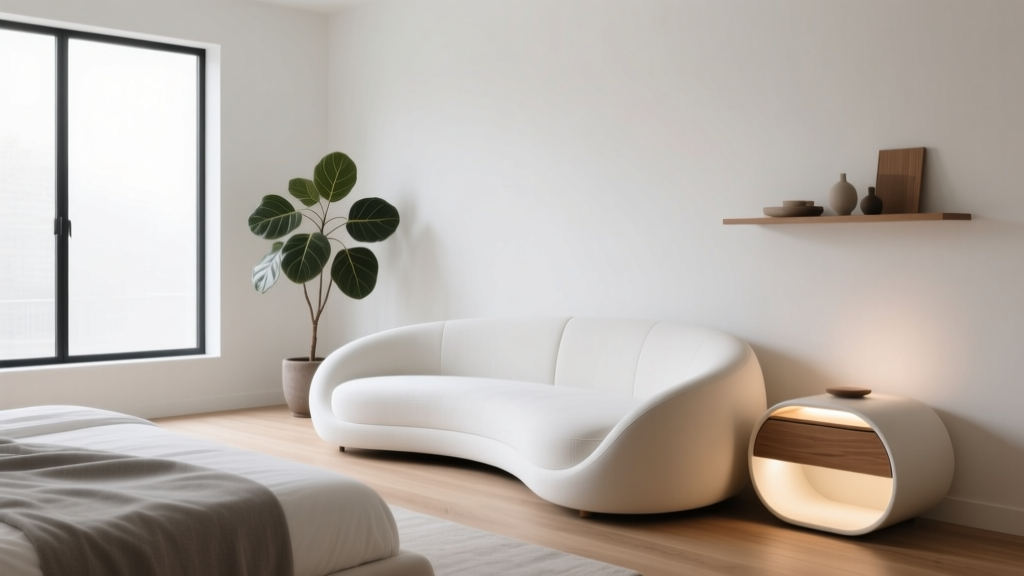 Bedroom Curved Furniture Design Trend - The Decor Mag
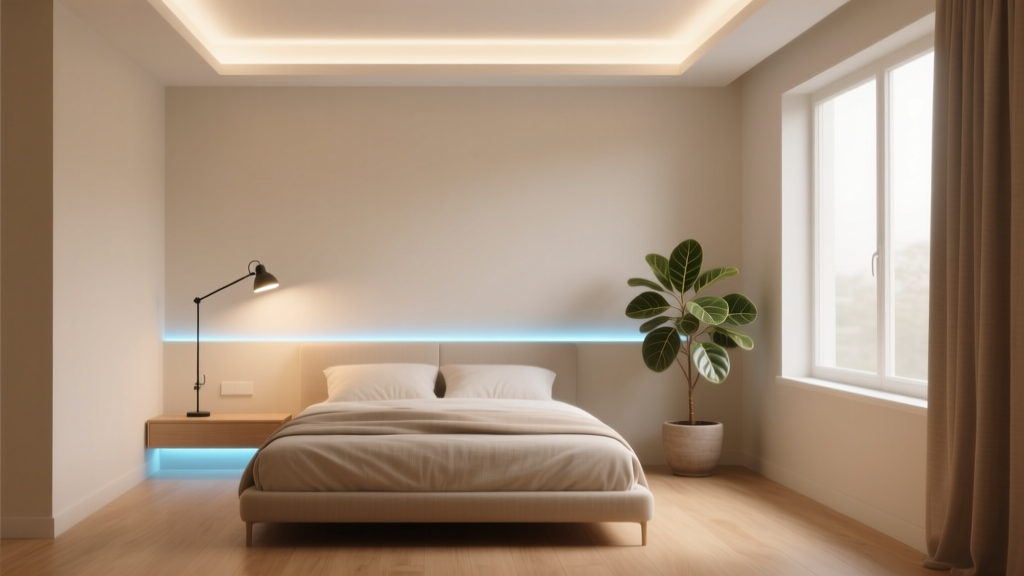 Three-Layer Bedroom Lighting: Calm & Functional (2026)
 How to Choose Bedroom Blanket Ladder Style - The Decor Mag
 Best Bedroom Sleep Mask and Pillow Spray - The Decor Mag
 How to Choose Bedroom Mattress Firmness - The Decor Mag
 Bedroom Paint for Sleep Quality | The Decor Mag
 Best Bedroom Bedside Hydration Station - The Decor Mag
 Best Bedroom Sleep Tracking Device Spot - The Decor Mag
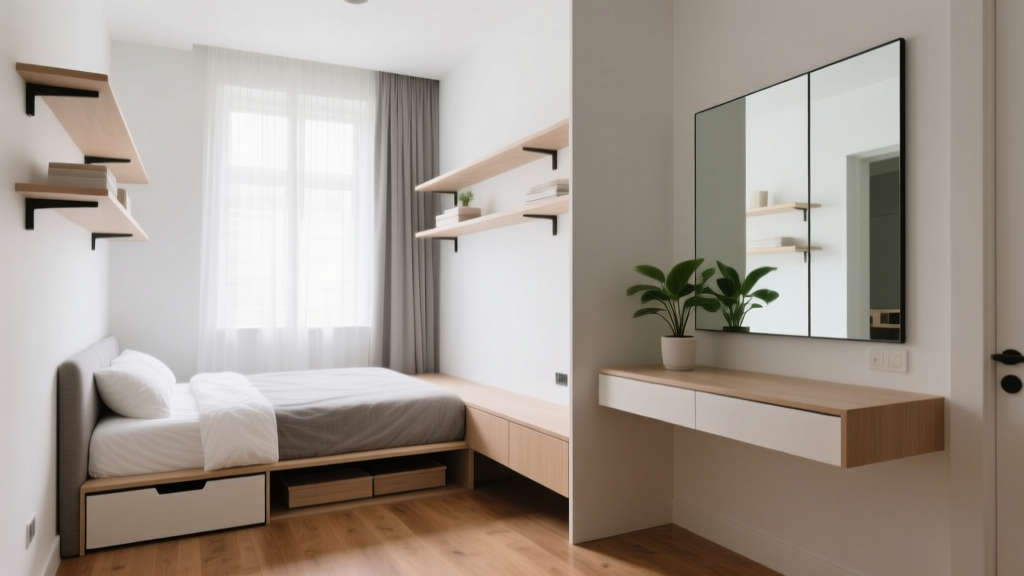 Small Bedroom Layout Hacks for Apartments (2026)
 How to Create a Bedroom Color Palette - The Decor Mag