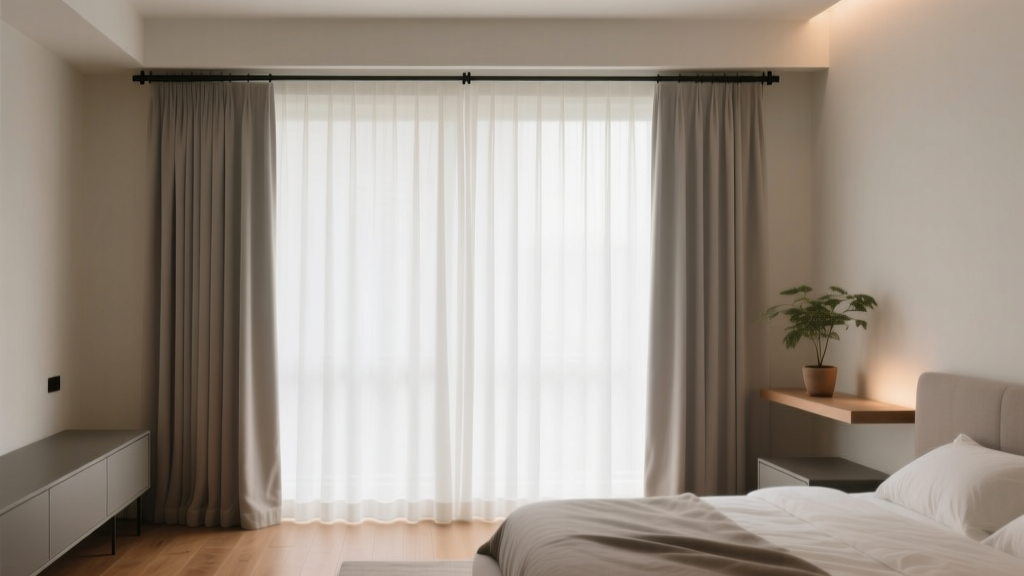
How to Choose Bedroom Curtain Length - The Decor Mag
Bedroom curtains do more than “finish” a room. The right curtain length can soften harsh light, reduce outside noise, improve privacy, and visually calm the space—small design choices that add up to a noticeably better sleep environment. If your curtains puddle awkwardly, hover above the floor, or expose the sides of the window, the room can feel slightly unsettled even when everything else is beautiful.
Length is also one of the simplest ways to control mood. Longer panels create a restful, hotel-like vertical line that makes ceilings feel higher and the room feel more serene. Shorter curtains can be practical in certain layouts, but in bedrooms they often let in extra light and can look visually “busy,” which isn’t ideal when you’re trying to wind down.
This guide walks you through choosing bedroom curtain length based on function, window type, and the kind of sleep sanctuary you want—plus wellness-minded tips on light control, fabric choices, and common mistakes to avoid.
Why Curtain Length Matters for Sleep Quality
Your brain takes cues from your environment. A bedroom that’s dark, quiet, and visually uncluttered supports melatonin production and helps signal that it’s time to rest. Curtains are one of the biggest surface areas in most bedrooms, so their length and fit can either reinforce that calm—or undermine it.
- Light control: Longer curtains usually seal better against the window, reducing light leaks that can disrupt sleep.
- Temperature comfort: Properly sized curtains reduce drafts in winter and block solar heat in summer—helpful for maintaining a cooler sleep temperature.
- Noise softening: Full-length, heavier fabrics absorb sound more effectively than shorter panels.
- Visual tranquility: A clean, consistent curtain line is quietly soothing, especially when paired with calming bedroom colors and warm lighting.
The Standard Bedroom Curtain Lengths (and What They Look Like)
Curtains are typically sold in a few common lengths. Choosing one that aligns with your room’s proportions is the fastest way to make the bedroom feel intentional.
- 63 inches: Often ends around the window sill or slightly below. Best for kitchens or small windows; rarely ideal for bedrooms unless there’s a radiator, desk, or low furniture directly under the window.
- 84 inches: A common “apartment standard.” Works if your rod is mounted just above the window frame and your ceilings are 8 feet, but can look short if you mount higher (which is usually recommended).
- 96 inches: Great for 8–9 foot ceilings when you mount the rod higher to make the room feel taller.
- 108 inches: Ideal for 9–10 foot ceilings or for creating a dramatic, elevated look with high-mounted rods.
- 120+ inches (extra-long): For tall ceilings, large windows, or a luxurious puddle effect.
Pick a Curtain “Break” Style: Float, Kiss, or Puddle
Once you know your approximate length, decide how you want the curtains to meet the floor. In bedrooms, these three styles are the most common.
1) Floor-Float (½ inch above the floor)
Panels hover just above the floor. This is the most practical choice for bedrooms that need easy cleaning, frequent vacuuming, or have pets.
- Best for: Renters, pet owners, kids’ bedrooms, high-traffic primary bedrooms
- Sleep perk: Still provides full coverage when paired with a proper rod width and liner
2) Floor-Kiss (touching the floor)
Panels lightly touch the floor for a tailored, calm look—often the most “designer” option without extra maintenance.
- Best for: Most adult bedrooms, hotel-inspired decor, minimalist bedroom design
- Sleep perk: Helps reduce light gaps at the bottom edge
3) Puddle (1–3 inches extra fabric on the floor)
Panels intentionally “break” onto the floor for softness and drama. In a bedroom, this can look romantic and cozy, but it collects dust.
- Best for: Low-dust environments, formal styling, rarely opened/closed curtains
- Sleep perk: Slightly better draft control, but only if side gaps are also addressed
How to Measure for Bedroom Curtain Length (Step-by-Step)
Accurate measuring is what separates curtains that look custom from curtains that feel like an afterthought. Use a metal tape measure for best results.
- Decide rod placement first. For a calmer, taller look, mount the rod 6–10 inches above the window frame, or about 2–3 inches below the ceiling (whichever makes sense for your molding and layout).
- Measure from the rod ring/clip position. If you’re using rings, measure from the eyelet where the drapery hook sits—not the rod itself.
- Measure down to your desired endpoint. Choose float, kiss, or puddle. Write down the exact number in inches.
- Account for header style. Grommets, back tabs, rod pockets, and pinch pleats all hang a little differently. If you’re between sizes, it’s usually easier to hem than to add length.
- Double-check for obstacles. Baseboard heaters, radiators, bed frames, nightstands, or a desk under the window can affect the best length.
Quick measuring shortcut
- Rod mounted high + 8-foot ceiling? 96-inch panels are often a safe starting point.
- Rod just above frame + 8-foot ceiling? 84-inch panels may work, but test first.
Bedroom-Specific Layout Scenarios (What to Choose and Why)
When the bed is near the window
If the headboard or side of the bed is close to the window, full-length curtains create a calmer backdrop and reduce glare for evening reading.
- Best choice: Floor-kiss or floor-float in blackout or lined fabric
- Tip: Use a wraparound curtain rod to reduce side light leaks and prevent the fabric from brushing the bed.
When there’s a radiator or baseboard heater
Safety and airflow come first. Avoid long curtains that rest directly on a heat source.
- Best choice: Floor-float that clears the heater, or consider Roman shades with side panels for style
- Tip: If you love the look of full-length drapes, install them wide so the panels stack clear of the heater when open.
When furniture sits under the window (desk, dresser, or bench)
This is one of the few times shorter treatments can make sense, but you can often keep a full-length look by mounting wide and letting curtains frame the window.
- Best choice: Full-length curtains mounted wide + a roller shade or cellular shade for function
- Alternative: Roman shade only, if floor-length panels would constantly bunch behind furniture
When you have a sliding door or balcony door
Go long and functional. You’ll open and close these often.
- Best choice: Floor-float in durable fabric with a smooth-glide track
- Tip: Consider ceiling-mounted curtain tracks for a clean, modern bedroom look and better light control.
Choose Fabrics and Linings That Support a Restful Sleep Environment
Length sets the silhouette; fabric sets the mood and performance. For bedrooms, prioritize softness, light control, and a gentle drape.
Best curtain materials for bedrooms
- Blackout curtains (poly blends or multi-layer weaves): Best for light sleepers, city bedrooms, and shift workers.
- Linen or linen-blend drapes: Breathable, relaxed, and calming; pair with a blackout liner if you need darkness.
- Velvet: Excellent for insulation and noise reduction; ideal for cozy bedroom decor and colder climates.
- Cotton twill or canvas: Durable and structured; works well with a liner for better sleep-friendly darkness.
Liner options (often worth the upgrade)
- Room-darkening liner: Softens daylight, good for most sleepers.
- True blackout liner: Best for maximum darkness and circadian rhythm support.
- Thermal liner: Helps stabilize bedroom temperature and reduce drafts.
Color, Pattern, and Hardware Choices That Feel Calming
For a relaxing bedroom design, curtain color should feel like an exhale. You don’t need to avoid personality—just keep the overall visual noise low.
- Colors for better sleep: warm white, oatmeal, greige, soft taupe, muted sage, dusty blue, gentle clay.
- Patterns: subtle textures (slub linen, tone-on-tone stripes) read calmer than high-contrast prints.
- Hardware finish: matte black for modern calm, brushed brass for warmth, soft nickel for classic simplicity.
Lighting tip that works with curtains
Pair full-length curtains with warm, dimmable bedside lamps (2700K or warmer). Bright overhead light bouncing off pale curtains can feel stark at night. Use layered lighting:
- Bedside lamps for reading
- A soft floor lamp in a corner
- Optional: a warm LED strip behind a headboard for gentle ambient light
Budget Ranges and What You Can Expect
You can create a sleep-friendly window setup at nearly any budget. The key is prioritizing length and light control first, then upgrading fabric and hardware.
- Budget ($25–$80 per panel): Ready-made polyester room-darkening/blackout curtains; basic rods. Look for wider panels to reduce center gaps.
- Mid-range ($80–$200 per panel): Linen blends, velvet options, better linings, sturdier hardware, smoother drape.
- Higher-end ($200–$600+ per panel): Custom lengths, pinch pleats, premium linings, designer fabrics, ceiling tracks—best for tall ceilings or tricky windows.
Sleep-Friendly Curtain Tips for a Darker, Quieter Bedroom
- Go wider than the window. Extend the rod 8–12 inches beyond each side of the window to reduce light leaks and make the window feel larger.
- Use enough fullness. Aim for 2x the window width in total curtain fabric for a plush, sound-softening look.
- Layer for flexibility. Combine sheer curtains (daytime privacy) with blackout drapes (nighttime sleep support).
- Seal the edges. Consider a wraparound rod or add magnetic strips to reduce side gaps—especially helpful under streetlights.
- Keep airflow in mind. If allergies are a concern, choose washable fabrics or vacuum with a brush attachment weekly.
Common Mistakes to Avoid
- Hanging curtains too low. A rod placed right on top of the window frame can make the ceiling feel shorter and the room less serene.
- Choosing panels that are too short. “High-water” curtains can look unfinished and may leak light at the bottom.
- Not using enough width. Skinny panels pulled tight look flat and let in more light—less ideal for a restful sleep environment.
- Ignoring the header style. Grommets and rod pockets change where the fabric starts; measure accordingly.
- Skipping liners when you need them. If early morning light wakes you, a blackout liner is often more effective than changing curtain color.
- Letting curtains block vents or heaters. This can reduce comfort and create safety issues—adjust length or mount wider.
FAQ: Bedroom Curtain Length
What is the best curtain length for a bedroom?
For most bedrooms, floor-kiss curtains (touching the floor) create the most calming, finished look and help with light control. If you want easier cleaning, choose a floor-float about ½ inch above the floor.
Should bedroom curtains touch the floor?
Yes, in most cases. Curtains that touch or nearly touch the floor look more tailored and tend to block more light at the bottom edge—helpful for sleep quality.
How high should I hang curtain rods in a bedroom?
A reliable guideline is 6–10 inches above the window frame, or 2–3 inches below the ceiling. Hanging higher makes the room feel taller and often looks more serene.
What if my curtains are too long?
Hemming is the cleanest fix. Many dry cleaners offer affordable hemming, and some curtains include iron-on hem tape for a renter-friendly solution. If the fabric is very thick (like velvet), professional hemming usually looks best.
What if my curtains are too short?
Options include lowering the rod (if it won’t look cramped), adding a coordinating fabric band at the bottom, or replacing with a longer standard length (often 96 inches). If you’re aiming for a sleep-friendly bedroom, longer is usually the better upgrade.
Are blackout curtains worth it for sleep?
If light wakes you up—or you live near streetlights—blackout curtains or blackout liners can make a real difference. They support a darker sleep environment, which helps your body maintain a healthier circadian rhythm.
Next Steps: Choose Length, Then Fine-Tune the Sleep Setup
Start by deciding the look you want at the floor (float, kiss, or puddle), then measure from your planned rod placement. Choose a fabric that matches your sleep needs—blackout for maximum darkness, linen blends for breezy softness, velvet for warmth and quiet. Finish with calming bedroom colors, layered lighting, and enough curtain width to reduce light gaps.
For more sleep-friendly bedroom design ideas—from window treatments to bedding, layout, and relaxing decor—explore the latest guides on thedecormag.com.
More Articles
 Bedroom Fluted Wood Dresser Trend - The Decor Mag
 Best Bedroom Memory Display Shelf - The Decor Mag
 Best Bedroom Throw Pillow Combinations - The Decor Mag
 How to Choose Bedroom Quilt Cover Pattern - The Decor Mag
 How to Incorporate Plants in Bedroom Decor - The Decor Mag
 Global Textiles in Bedrooms: Styling Ideas (2026)
 Best Bedroom White Noise Setup - The Decor Mag
 Plaster Range Hood Headboard for Bedrooms
 Bedroom Window Seat Design Ideas - The Decor Mag
 Best Bedroom Scarf and Accessory Storage - The Decor Mag