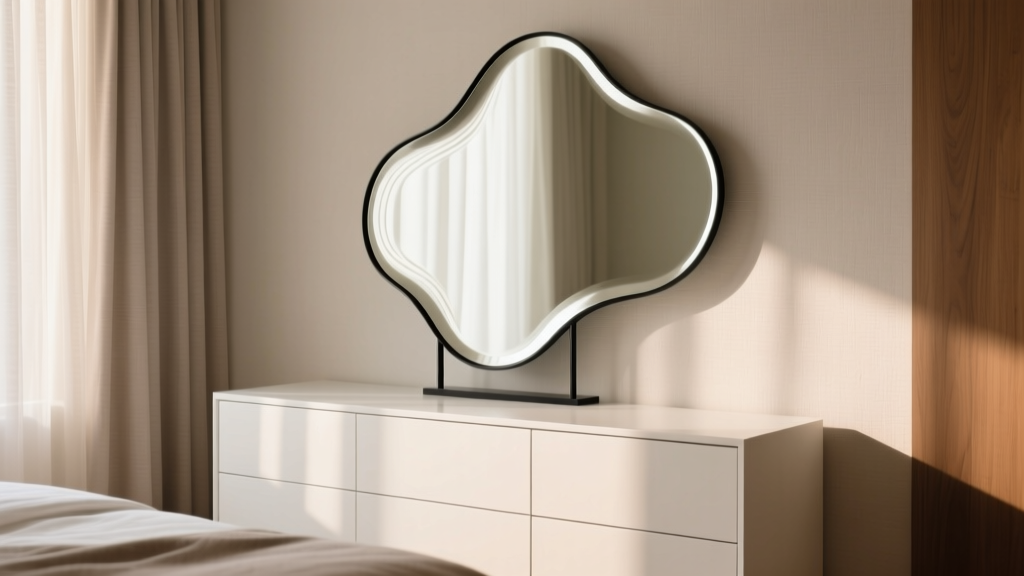
Bedroom Organic Shaped Mirror Above Dresser - The Decor Mag
An organic shaped mirror above a dresser is more than a styling moment—it can quietly improve how your bedroom feels at the start and end of every day. Bedrooms that support good sleep tend to share the same qualities: calm visual rhythm, gentle lighting, a sense of spaciousness, and fewer “hard edges” that keep the mind on alert. Organic mirrors—those soft, irregular silhouettes inspired by nature—help create that ease, especially when they’re placed at eye level where you’ll see them often.
From a sleep wellness perspective, what you see in the evening matters. A bedroom that feels bright, busy, or cluttered can subtly raise stress and delay relaxation. The mirror-and-dresser wall is a prime opportunity to build a soothing focal point that supports restful routines: skincare, journaling, laying out clothes, or simply slowing down before bed. Done well, it becomes a functional landing zone that looks serene instead of stimulating.
This guide walks through how to choose the right organic mirror, hang it safely above a dresser, and design the surrounding decor for a sleep-friendly bedroom environment—whether you’re a homeowner making a long-term upgrade or a renter looking for low-commitment changes.
Why an Organic Mirror Works So Well in Bedroom Design
Organic shaped mirrors soften a space. In bedrooms, soft lines and natural materials are associated with calm and restoration—two key goals for a healthy sleep environment. A shapely mirror can also make a room feel lighter and more open, which helps many people feel less “boxed in” at night.
Design benefits (and why they support better sleep)
- Gentler visual energy: Curves and asymmetry reduce the “sharpness” that can make a room feel tense.
- More light without more glare: Mirrors bounce existing light around the room, reducing the need for overly bright overhead bulbs at night.
- A calmer focal point: One intentional statement piece often replaces multiple small items that read as clutter.
- Better daily routines: A dresser mirror setup encourages consistent wind-down and morning habits—both linked to improved sleep quality.
How to Choose the Right Organic Shaped Mirror Above a Dresser
1) Get the proportions right
Scale is the difference between “effortless” and “awkward.” A mirror above a dresser should relate to the width of the furniture beneath it.
- Ideal mirror width: About 60–80% of the dresser width.
- Example: For a 60-inch dresser, aim for a mirror around 36–48 inches wide.
- Height range: Typically 24–40 inches tall, depending on ceiling height and dresser height.
2) Choose a frame material that feels restful
Material choices influence the bedroom’s sensory “temperature.” For sleep-friendly decor, aim for tactile, warm, low-gloss finishes.
- Light wood (oak, ash, birch): Warm and airy; ideal for Scandinavian, Japandi, coastal, and modern organic bedrooms.
- Walnut or darker wood: Grounding; works beautifully with warm neutrals and moody, cocoon-like bedrooms.
- Brass or champagne metal: Adds warmth without harshness; choose satin or brushed finishes (avoid high-gloss for a calmer look).
- Matte black metal: Crisp and modern; best balanced with soft textiles so the room doesn’t feel too sharp.
- Rattan or cane: Relaxed and textural; great for boho or nature-inspired bedroom design.
3) Pick mirror glass and edge details thoughtfully
- Clear glass: Brightens most; best if you control glare with warm, dimmable lighting.
- Antiqued or lightly tinted glass: Softer, moodier reflection; can feel more calming in the evening.
- Rounded edges: A small detail that reinforces the organic, soothing effect.
Budget ranges (what to expect)
- Budget ($60–$180): Smaller organic mirrors (24–30"), thin metal frames, some rattan options.
- Mid-range ($180–$450): Larger statement sizes (30–45"), thicker wood frames, better backing and hang hardware.
- Investment ($450–$1,200+): Oversized mirrors (45"+), artisanal woodwork, custom shapes, antiqued glass, premium finishing.
Placement: Height, Spacing, and Safe Hanging
Best height above the dresser
A common sweet spot is 6–10 inches between the top of the dresser and the bottom of the mirror. This keeps the mirror visually connected to the furniture while allowing room for a lamp, tray, or a small vase.
- Eye-level rule: The mirror’s center should land around 57–65 inches from the floor for most adults.
- Higher ceilings: You can go slightly higher, but avoid floating the mirror too far above the dresser—it can feel disconnected and “busy” visually.
Anchoring and hardware: a sleep-friendly safety upgrade
Bedrooms should feel secure. A heavy mirror that isn’t mounted properly can create low-grade anxiety, even if you don’t consciously notice it.
- Use wall studs whenever possible, especially for mirrors over 20 lbs.
- If you can’t hit studs: Use high-quality drywall anchors rated well above the mirror’s weight.
- Choose D-rings or French cleats for stability (especially for wide mirrors).
- Add felt bumpers behind the mirror corners to reduce wall scuffs and prevent shifting.
- Secure the dresser too: If you have children or pets, anchor the dresser to the wall for safety.
Renter-friendly options
- Lean the mirror: A large organic mirror can be safely leaned on a sturdy dresser if the mirror has a stable frame and you use anti-slip pads. (Avoid in homes with kids/pets.)
- Use a picture ledge: Install a narrow ledge above the dresser and rest a lighter mirror on it for a flexible, removable setup.
- Adhesive hooks: Only for very light mirrors and only with manufacturer-approved weight ratings—many organic mirrors are too heavy for this method.
Styling the Dresser + Mirror Wall for a Calm Sleep Environment
Create a simple “wind-down vignette”
Instead of decorating the entire dresser top, build one intentional zone that supports bedtime habits. Keep the remaining surface mostly clear to reduce visual noise.
- Catch-all tray: Wood, ceramic, or stone (for jewelry, hand cream, a watch).
- Soft light source: A warm table lamp or wall sconce (more on lighting below).
- One natural element: A small vase with eucalyptus, olive branches, or dried pampas (skip strong scents close to bedtime if you’re sensitive).
- A lidded box: Hides clutter instantly—chargers, hair ties, sleep mask.
Balance the mirror with decor (without making it busy)
Organic mirrors already have movement. Pair them with quiet, grounding shapes on the dresser.
- Best pairings: Rounded ceramic lamp bases, low bowls, stacked books in neutral covers, linen runners.
- Avoid: Too many small objects, shiny decor that reflects light harshly, and busy patterns right under the mirror.
Use symmetry lightly
Perfect symmetry can feel formal. A “soft symmetry” looks calmer and more natural with an organic mirror.
- One lamp on one side + a taller vase or plant on the other
- A centered tray + one small object off to the side
- A pair of sconces flanking the mirror (if your style leans more structured)
Lighting Recommendations: The Key to a Sleep-Friendly Mirror Setup
Mirrors amplify whatever light you give them. For a relaxing bedroom, the goal is warm, dimmable, layered lighting—so the mirror reflects a gentle glow, not a harsh spotlight.
Best bedroom lighting types for a dresser-and-mirror wall
- Dimmable table lamp: Ideal for renters and quick upgrades. Choose a shade that diffuses light (linen or frosted glass).
- Plug-in wall sconces: Great if you want more surface space on the dresser. Look for swing-arm styles for task lighting.
- Backlit mirror (LED): Works in modern bedrooms, but choose warm color temperature and a dimmer.
Sleep-well lighting specs
- Color temperature: 2200K–2700K for evening calm (warm white).
- Brightness: Use 400–800 lumens at the dresser for gentle task lighting; rely on dimmers to lower it at night.
- Bulb type: LED is efficient, but prioritize warm, high-quality light. Avoid cool white bulbs (4000K+), which can feel energizing.
Color Palette and Materials That Complement an Organic Mirror
For bedroom design that supports sleep, think muted, nature-based color and tactile materials. The mirror can be your organic focal point; the rest should feel like a soft exhale.
Sleep-friendly color ideas
- Warm neutrals: ivory, oatmeal, sand, warm gray
- Soft greens: sage, olive, eucalyptus
- Dusty blues: slate blue, muted denim, blue-gray
- Earthy accents: terracotta, clay, caramel (best in small doses)
Material pairings that feel calming
- Dresser: wood veneer, solid wood, or matte-painted finishes (avoid high-gloss in a sleep space)
- Textiles nearby: linen curtains, cotton bedding, wool or cotton rug
- Decor: ceramic, travertine, marble (used sparingly), woven baskets
Layout Tips: Where the Dresser-and-Mirror Wall Works Best
Best positions in the room
- Opposite a window (side wall): Brightens the room with reflected daylight without shining directly into your eyes in bed.
- Near the closet: Makes dressing easier and keeps routines contained in one zone.
- Away from the bed’s direct line of sight: Many people sleep better when mirrors don’t reflect the bed, reducing visual stimulation at night.
If the mirror reflects the bed
If your layout forces the mirror to face the bed, you can still keep the space restful:
- Use blackout curtains or layered window treatments to reduce nighttime reflections
- Angle the mirror slightly (with safe mounting) so it reflects a wall, art, or a plant instead
- Keep lighting very warm and dim in the evening to prevent bright reflections
Bedding and Nearby Decor Recommendations (So the Mirror “Belongs”)
A mirror above the dresser looks most calming when it echoes the bedroom’s textiles and shapes. If your bedding is crisp and angular, add softness elsewhere; if it’s already plush, keep the dresser styling minimal.
Easy bedding upgrades that complement organic shapes
- Quilted coverlet in cotton or linen (light texture reads calm)
- Two-layer bedding: sheet + duvet + a lightweight throw for visual depth without clutter
- Pillows: keep decorative pillows to 1–2; choose solid colors or subtle patterns
Bedroom rug choices that reduce visual “sharpness”
- Wool or wool-blend rug: soft underfoot, naturally insulating for a cozy sleep environment
- Low-pile rug: easier to clean, good for allergy-sensitive sleepers
- Rounded rug corners: pairs beautifully with an organic mirror shape
Sleep-Friendly Wellness Tips for the Mirror-and-Dresser Zone
- Keep it low-clutter: A clear surface reduces mental load. Try a “one tray rule” to contain small items.
- Use the mirror to reinforce routines: Place a small notepad for tomorrow’s to-do list so your brain doesn’t carry it to bed.
- Mind scent and sensitivity: If you use candles or diffusers, choose gentle, sleep-associated scents (lavender, chamomile) and avoid overpowering fragrance near bedtime.
- Reduce blue light: Avoid placing a charging phone dock on the dresser directly under the mirror—reflections can amplify screen glow.
- Choose quieter storage: Felt-lined trays and soft-close drawer pads help keep the bedroom more serene at night.
Common Mistakes to Avoid
- Hanging the mirror too high: Creates a floating, disconnected look and can feel subtly unsettling.
- Choosing a mirror that’s too small: A tiny mirror over a long dresser reads like clutter instead of a focal point.
- Over-styling the dresser top: Too many decor items create visual noise—counterproductive for sleep quality.
- Using cool, bright bulbs: Mirrors magnify harsh light, making the bedroom feel energizing instead of restful.
- Ignoring glare and reflections: If the mirror reflects a bright window or a TV, the room can feel less calm, especially at night.
- Unsecured mounting: A heavy mirror needs proper hardware; peace of mind is part of good bedroom design.
FAQ: Bedroom Organic Shaped Mirror Above Dresser
What size mirror should I hang above my dresser?
Aim for a mirror that’s about 60–80% of your dresser’s width. For a 60-inch dresser, a 36–48 inch wide organic mirror usually looks balanced.
How high should the mirror be above the dresser?
Leave about 6–10 inches between the dresser top and the bottom of the mirror. Adjust slightly based on lamp height and the mirror’s overall scale.
Are organic shaped mirrors too trendy for a bedroom?
They can be timeless when you choose natural materials (wood, brushed metal, rattan) and a softer, less extreme silhouette. The more “nature-inspired” the shape, the longer it tends to last visually.
Should a mirror face the bed?
Many people find it more restful when mirrors don’t directly reflect the bed. If your layout requires it, reduce reflections with warm dim lighting, angle the mirror slightly, and avoid reflective clutter on the dresser.
What lighting looks best with a dresser mirror in a bedroom?
Use warm, dimmable lighting—ideally 2200K–2700K. A table lamp with a linen shade or plug-in sconces on either side of the mirror create a flattering, calming glow.
What’s a renter-friendly way to add a mirror above a dresser?
Try a lighter mirror on a picture ledge, or lean a large mirror securely on the dresser using anti-slip pads (best for pet- and child-free homes). For hanging, use removable methods only if the mirror is truly lightweight and the hardware rating is appropriate.
Next Steps: A Calmer Dresser-and-Mirror Wall in One Weekend
Start with a quick plan: measure your dresser, choose an organic mirror sized to fit (60–80% of the width), and decide on a warm, dimmable light source. Then simplify the dresser top into one functional vignette—tray, lamp, and one natural element—so the space supports your wind-down routine instead of competing with it.
- Measure dresser width and ceiling height
- Choose a mirror frame finish that matches your room’s tone (wood, brushed metal, rattan)
- Hang it 6–10 inches above the dresser with proper anchors
- Switch to warm bulbs (2200K–2700K) and add a dimmer
- Edit surface clutter down to a tray + a few calming essentials
For more bedroom design ideas that support real rest—layout tips, lighting guides, and sleep-friendly decor—explore the latest inspiration on thedecormag.com.
More Articles
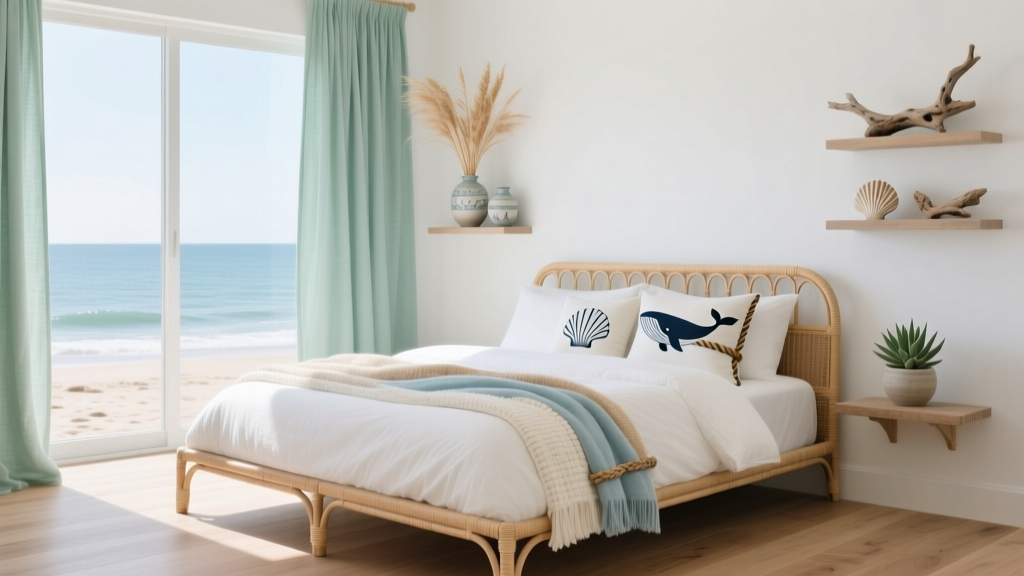 Coastal Bedroom Decor Inspiration - The Decor Mag
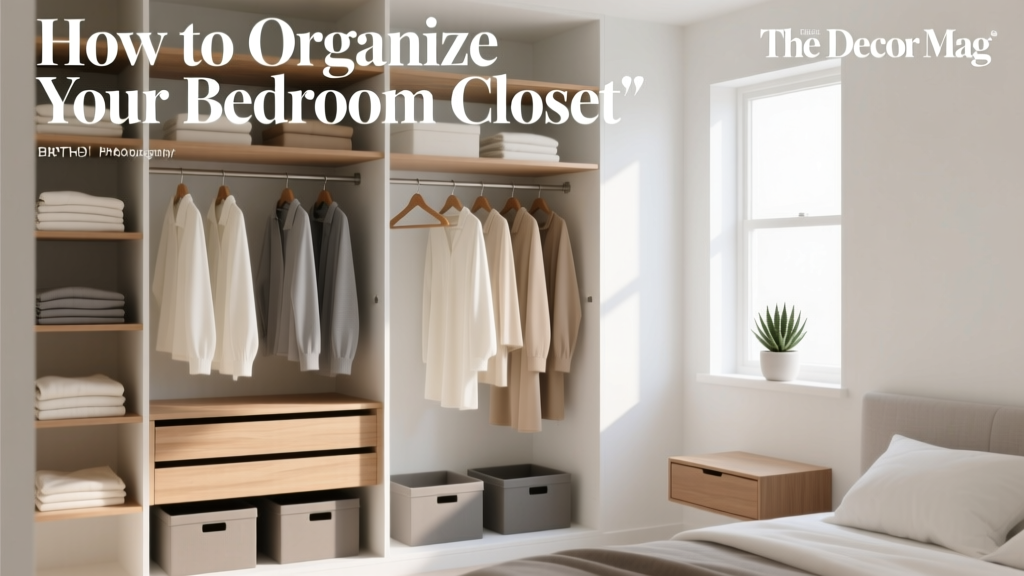 How to Organize Your Bedroom Closet - The Decor Mag
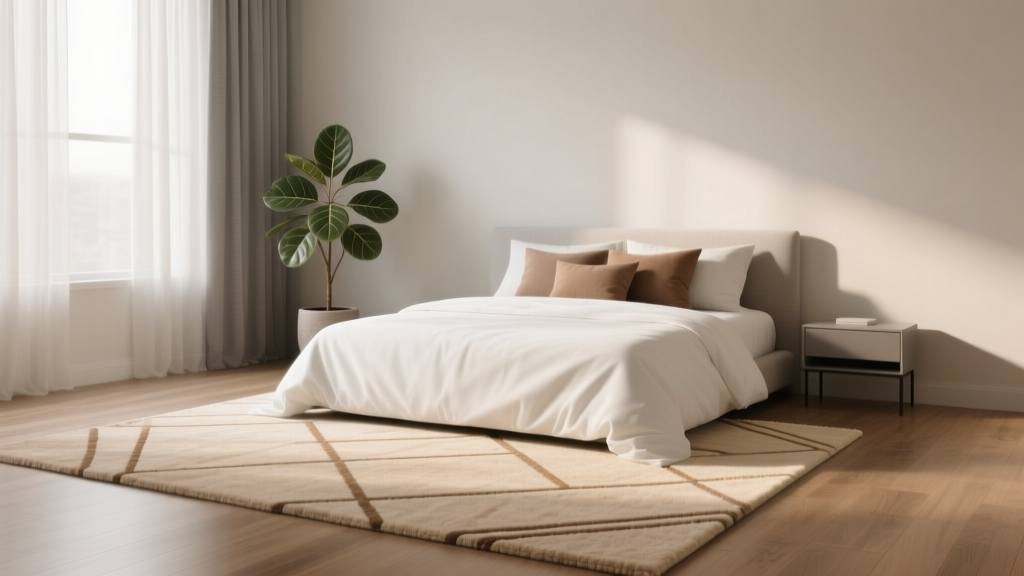 How to Choose Bedroom Rug Size - The Decor Mag
 Hotel Bedroom Decor: Transform Your Space (2026)
 How to Choose Bedroom Euro Sham Size - The Decor Mag
 How to Choose Bedroom Pillow Insert Fill - The Decor Mag
 Best Bedroom Sleep Spray Collection - The Decor Mag
 Best Bedroom Bedside Notebook and Pen - The Decor Mag
 How to Incorporate Woven Textiles in Bedroom - The Decor Mag
 How to Create a Bedroom That Feels Timeless - The Decor Mag