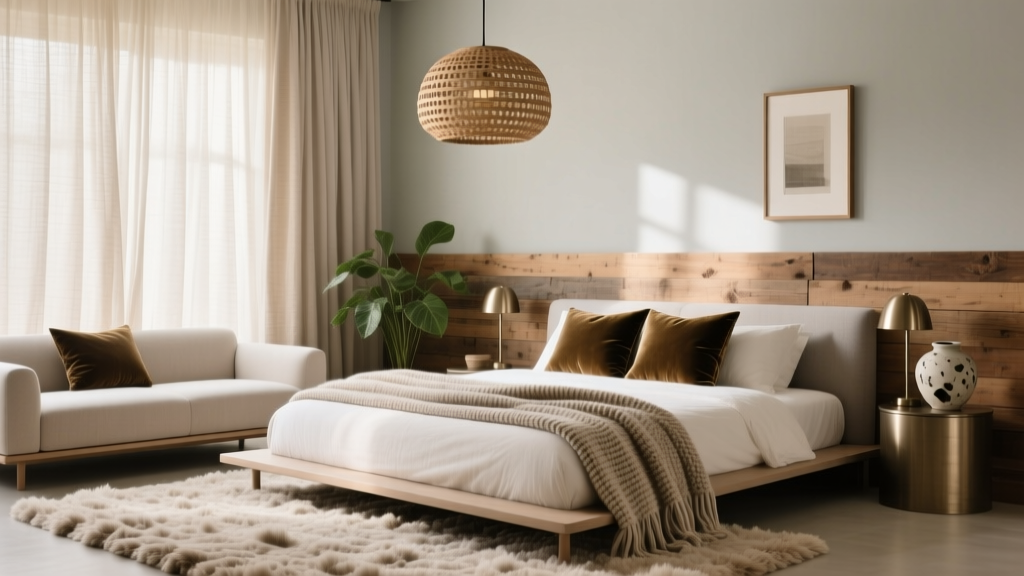
How to Incorporate Texture in Bedroom Decor - The Decor Mag
A truly restful bedroom isn’t only about how it looks—it’s about how it feels. Texture is one of the most powerful (and often overlooked) tools in bedroom design because it shapes comfort, warmth, and the overall mood of your sleep environment. When your space feels soft, balanced, and visually calm, it becomes easier to unwind at night and wake up feeling more restored.
Texture also supports sleep wellness in subtle ways. The right materials can reduce glare, soften sound, and create a sense of “cocooning” that signals safety and relaxation to the nervous system. Whether you’re a homeowner investing in your forever bedroom or a renter refreshing a small space, layering texture is a practical way to elevate bedroom decor without a major renovation.
This guide walks through sleep-friendly textures, the best materials for bedding and furniture, how to layer them without clutter, and what to avoid—along with budget ranges and simple next steps.
Why Texture Matters in Bedroom Design (and Sleep Quality)
Texture is any surface quality you can see or feel—woven fabric, nubby linen, smooth wood grain, plush pile, matte paint, ribbed glass. In bedroom design, texture does three big jobs:
- Creates comfort: Soft, touchable surfaces make the room feel inviting, which supports relaxation before sleep.
- Adds depth without visual noise: Texture gives interest even in a neutral color palette—ideal for a calming bedroom.
- Improves the sleep environment: Rugs, curtains, upholstered pieces, and layered textiles can help dampen echo and reduce harsh light reflections.
If your room feels flat, cold, or “hotel-lobby sterile,” adding texture is often the quickest fix—especially when you want a serene space that still feels styled.
The Core Textures That Work Best in a Sleep-Friendly Bedroom
1) Soft Textiles (Bedding, Throws, and Pillows)
Bedding is the most direct texture you experience, so start here. Choose breathable, skin-friendly materials that support temperature regulation—one of the biggest factors in sleep quality.
Recommended bedding materials:
- Cotton percale: Crisp, cool, matte finish; great for warm sleepers. Budget: $60–$200 for a duvet cover set.
- Cotton sateen: Smoother with a slight sheen; cozy but can run warmer. Budget: $80–$250.
- European flax linen: Relaxed, textured look; excellent breathability year-round. Budget: $140–$400.
- TENCEL™ Lyocell: Silky feel, moisture-wicking; helpful for night sweats. Budget: $120–$300.
- Wool (blankets/throws): Naturally temperature-regulating; choose softer weaves for comfort. Budget: $80–$250.
Easy texture layering formula (looks styled, feels calm):
- Base layer: Smooth sheets (percale, sateen, or TENCEL).
- Middle layer: A quilt or coverlet (matelassé, waffle weave, or lightly quilted cotton).
- Top layer: Duvet with a slightly different texture (linen duvet over smooth sheets is a classic).
- Finish: One throw at the foot of the bed (chunky knit, brushed cotton, or soft wool).
Pillow texture tip: Stick to 2–3 pillow fabric types max (for example: linen shams + velvet accent pillow + knit lumbar). Too many competing textures can feel busy and disrupt a relaxing bedroom mood.
2) Grounding Texture (Rugs and Floor Materials)
Floor texture impacts comfort and acoustics. A rug softens footsteps, reduces echo, and adds warmth—especially in bedrooms with hardwood, laminate, or tile.
- Wool rugs: Plush, durable, naturally stain-resistant. Budget: $200–$1,200+ depending on size.
- Cotton flatweaves: Lightweight, washable options; great for renters. Budget: $80–$350.
- Jute/sisal: Adds natural texture, but can feel scratchy—better layered under a softer rug or used away from the bedside. Budget: $120–$600.
- High-pile/soft synthetic rugs: Cozy and affordable, but look for low-VOC and easy-to-clean fibers. Budget: $100–$500.
Layout recommendation: For a queen bed, aim for an 8' x 10' rug when possible. If budget is tight, use two 2' x 6' runners along each side of the bed for a softer landing in the morning.
3) Warm, Natural Surfaces (Wood, Rattan, and Stone)
Hard surfaces matter because they balance all the soft textiles. They also influence how light reflects in the space (matte and grained finishes tend to feel calmer than glossy ones).
- Wood: Oak, walnut, ash, and bamboo add warmth and grain. Choose matte or satin finishes to reduce glare.
- Rattan/cane: Great for headboards, nightstands, or accent chairs—lightweight and airy for small bedrooms.
- Stone/ceramic: Use sparingly (lamp bases, trays, planters). The cool, smooth texture creates a soothing contrast to textiles.
Budget-friendly swaps: If replacing furniture isn’t realistic, try a wooden tray on the dresser, ceramic lamp base, or cane-front storage cabinet as a single anchor piece.
4) Soft Structure (Upholstery and Headboards)
An upholstered headboard instantly adds a plush, quieting effect—visually and acoustically. It also encourages comfortable reading or wind-down time without a cold wall behind you.
Best upholstery textures for a calming bedroom:
- Performance linen or linen-blend: Relaxed texture, easy to style. Budget: $200–$900 for headboards.
- Velvet (matte): Cozy and sound-softening; choose deeper, muted tones for a tranquil feel. Budget: $250–$1,200.
- Bouclé: Tactile and modern, but can shed or snag; better for low-traffic bedrooms. Budget: $300–$1,500.
Renter-friendly option: A wall-mounted, fabric-upholstered headboard panel or peel-and-stick upholstered tiles can create the same cozy texture without committing to a full bed frame.
How to Layer Texture Without Clutter (The Calm Bedroom Rule)
Texture should soothe, not shout. The goal is a layered sleep environment that feels intentional and easy to maintain.
Use the “3-Texture + 1 Accent” approach:
- One smooth texture: percale sheets, satin-finish paint, or smooth ceramic.
- One nubby/organic texture: linen duvet, boucle pillow, woven basket.
- One plush texture: wool throw, velvet cushion, padded headboard.
- One accent texture (optional): ribbed glass lamp, subtle metallic (brushed brass), or carved wood.
Color tip for a relaxing bedroom: Keep your core palette to 2–4 calming hues (warm whites, sand, greige, soft sage, dusty blue) and let texture provide the visual interest. This supports a quieter sleep environment and reduces “busy” stimulation at bedtime.
Texture Ideas by Bedroom Element (Practical Shopping Guide)
Bedding: Build a Sensory “Sleep Stack”
- Sheets: Percale for cool, crisp comfort; sateen for a smoother, warmer feel.
- Duvet insert: Choose weight based on room temperature (lightweight for warm climates; all-season for most homes). Budget: $60–$250.
- Coverlet/quilt: Matelassé, waffle, or stitched cotton adds subtle texture that looks tailored. Budget: $50–$220.
- Throw blanket: Brushed cotton, soft wool, or chunky knit (use one statement throw). Budget: $30–$180.
Window Treatments: Texture That Improves Sleep
Window treatments affect light control—critical for melatonin production and sleep quality.
- Textured blackout curtains: Look for linen-look blackout panels to soften the room. Budget: $40–$200 per pair.
- Woven shades: Adds organic texture; pair with blackout liners if streetlights are an issue. Budget: $80–$350.
- Sheers + blackout combo: Sheers for daytime softness, blackout panels for night. Great for layered bedroom decor.
Lighting: Add Texture Through Shade Materials
Lighting texture is about diffusion. Soft, warm light reduces harsh contrast and helps your brain shift toward rest.
- Linen or cotton lamp shades: A gentle glow, less glare than shiny shades. Budget: $20–$80 for shades; $40–$250 for lamps.
- Rice paper or frosted glass: Beautiful diffusion, especially in small bedrooms.
- Wall sconces with fabric shades: Frees nightstand space and adds cozy texture near the bed. Budget: $60–$300 each.
Sleep-friendly lighting recommendation: Use 2700K warm bulbs, add a dimmer or smart bulb, and keep bright overhead lighting off for the last hour before bed when possible.
Furniture and Storage: Mix Finishes for Soft Contrast
- Nightstands: Pair a smooth top (wood or stone) with a textured front (cane, ribbed drawer, or fabric bin storage). Budget: $80–$400 each.
- Dressers: Matte wood grain or painted finishes reduce visual glare and feel calmer than high-gloss.
- Baskets: Woven seagrass, water hyacinth, or cotton rope for soft organization. Budget: $15–$80.
Walls: Subtle Texture That Changes Everything
If you want more texture without adding objects, add it to the walls.
- Matte paint: Softens reflections and hides imperfections. Budget: $35–$80 per gallon.
- Textured wallpaper: Grasscloth (beautiful but delicate), faux grasscloth (more durable), linen-look, or plaster-effect. Budget: $40–$200+ per roll.
- Fabric wall art: Woven tapestry, textile panels, or framed linen creates quiet depth and can help absorb sound.
Sleep Wellness Tips: Texture Choices That Support Rest
- Prioritize breathability: Linen, cotton, and TENCEL help regulate temperature and moisture—especially important for hot sleepers.
- Reduce allergens: If you’re sensitive, choose washable cotton rugs or low-pile wool, and wash bedding weekly. Add pillow and mattress protectors. Avoid overly fluffy throws that shed.
- Minimize scratchy textures near skin: Keep jute/sisal, heavily beaded pillows, and rough weaves away from where you sit or sleep.
- Quiet the room: Upholstered headboards, curtains, and rugs can reduce echo and create a calmer sleep environment.
- Choose calming tactile cues: A soft throw or plush rug becomes a nightly signal that it’s time to wind down.
Common Mistakes to Avoid When Adding Texture
- Too many statement textures at once: Bouclé + shag rug + chunky knit + heavy fringe can feel chaotic. Pick one hero texture and keep the rest subtle.
- Ignoring comfort for looks: Beautiful but scratchy pillows or stiff bedding can make your bedroom less sleep-friendly.
- Overusing shiny finishes: High-gloss furniture and metallic overload reflect light and can feel overstimulating at night.
- Skipping a grounding element: Without a rug, curtains, or an upholstered piece, bedrooms often feel echoey and cold.
- Cluttered layering: Multiple throws and piles of pillows can become visual stress (and extra work). Keep the bed easy to reset in under two minutes.
FAQ: Texture in Bedroom Decor
How do I add texture to a bedroom with neutral colors?
Use layered textiles: percale sheets + linen duvet + quilted coverlet + one plush throw. Add a wool or cotton rug and a linen lampshade. Neutral bedrooms look richer when they mix matte, nubby, and soft finishes.
What textures are best for hot sleepers?
Cotton percale, linen, and TENCEL are excellent for temperature regulation. Avoid overly heavy synthetic blankets and consider a lightweight quilt instead of a thick comforter.
What’s the easiest renter-friendly way to add texture?
Start with a rug, textured bedding (linen-look duvet cover or waffle quilt), and curtains. Add woven baskets for storage and a fabric shade on a lamp—no drilling required for big impact.
How can I make a small bedroom feel cozy without looking cluttered?
Keep the color palette tight and add texture through a few large pieces: an upholstered headboard, one rug, and layered bedding. Limit décor objects and choose closed storage to keep visual calm.
Are textured walls a good idea for bedrooms?
Yes, when kept subtle. Matte paint, linen-look wallpaper, or a textured accent wall behind the bed can add depth without adding clutter. If allergies are a concern, skip dust-catching surfaces like real grasscloth and opt for washable or wipeable options.
How much should I budget to refresh texture in my bedroom?
A practical range is $150–$500 for a noticeable refresh (new duvet cover, throw, a couple pillow covers, and a rug runner or curtains). A larger upgrade with a new rug and upholstered headboard often falls between $600–$2,000+, depending on size and materials.
Next Steps: A Simple Plan to Add Texture This Week
- Choose one anchor texture: a wool rug, an upholstered headboard, or linen bedding.
- Add one supportive layer: a waffle weave quilt or a soft throw at the foot of the bed.
- Soften the lighting: swap to a linen shade and warm 2700K bulbs.
- Edit what’s not helping: remove scratchy pillows, overly shiny décor, or extra clutter that makes the space feel busy.
When texture is layered with intention, your bedroom decor becomes more than stylish—it becomes a calmer, more sleep-friendly environment that supports nightly recovery. For more soothing bedroom ideas, cozy material guides, and sleep wellness design tips, explore the latest inspiration on thedecormag.com.
More Articles
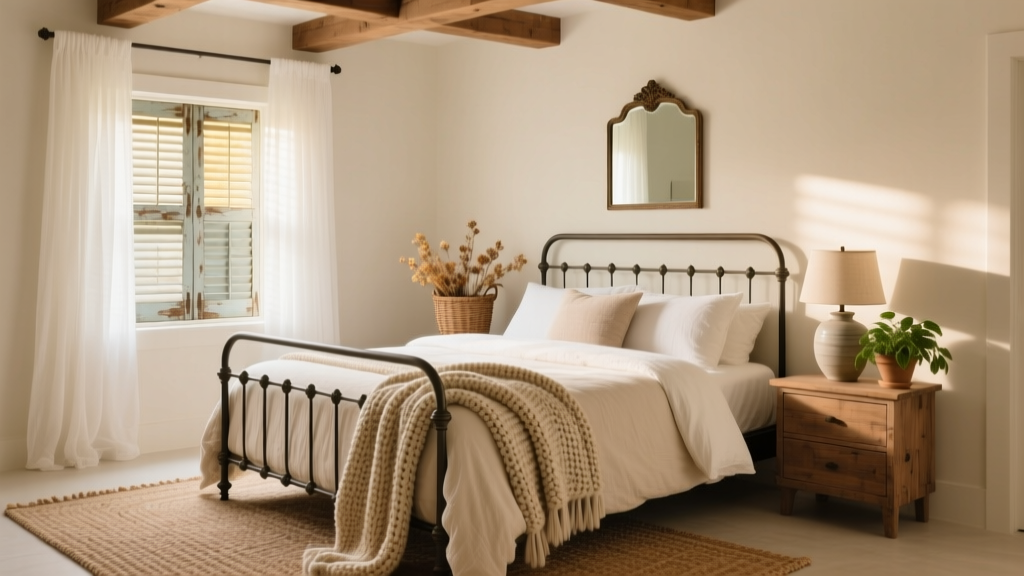 Cozy Farmhouse Bedroom Decor Inspiration - The Decor Mag
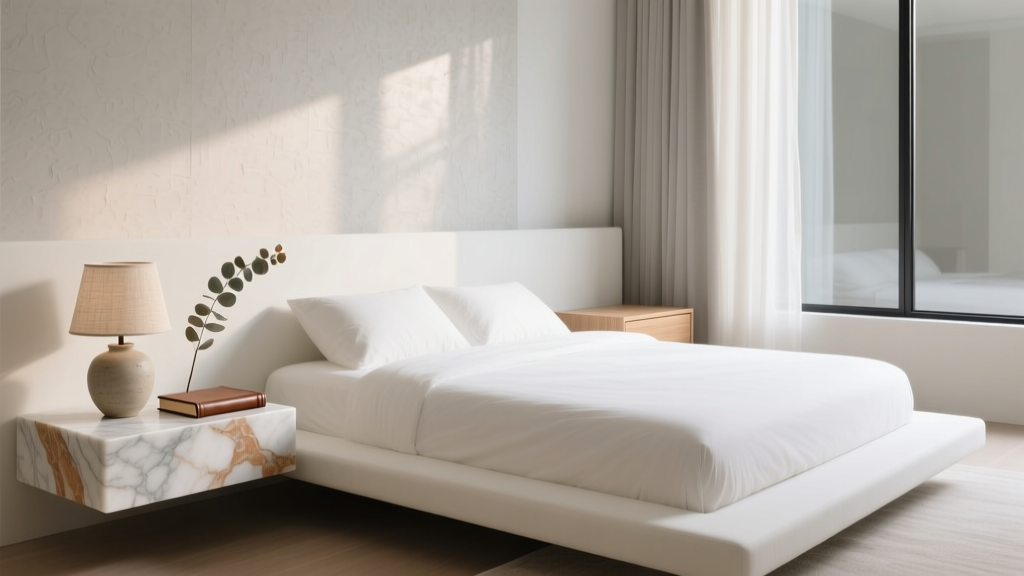 Bedroom Natural Stone Bedside Tray - The Decor Mag
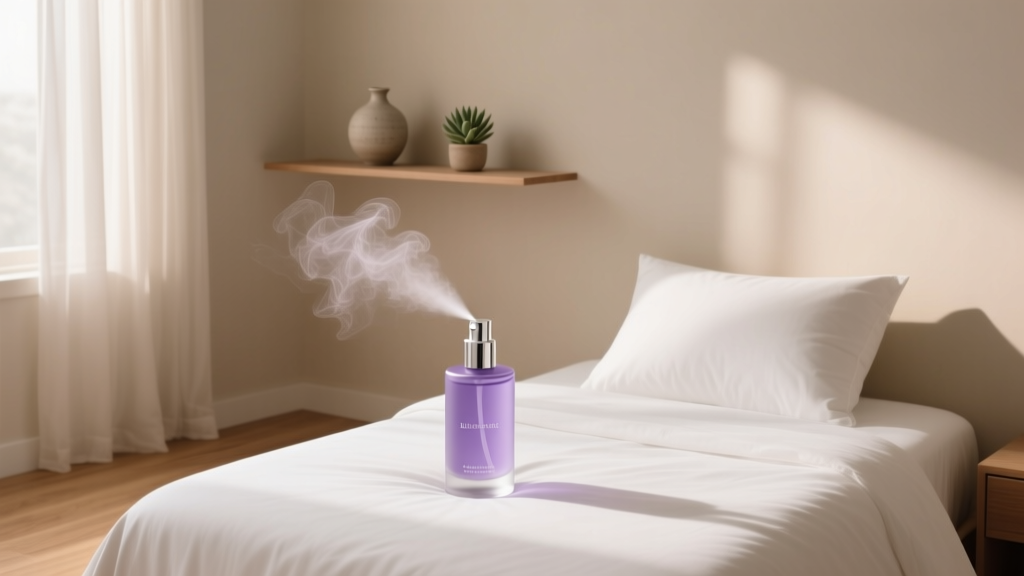 Best Bedroom Lavender Pillow Spray - The Decor Mag
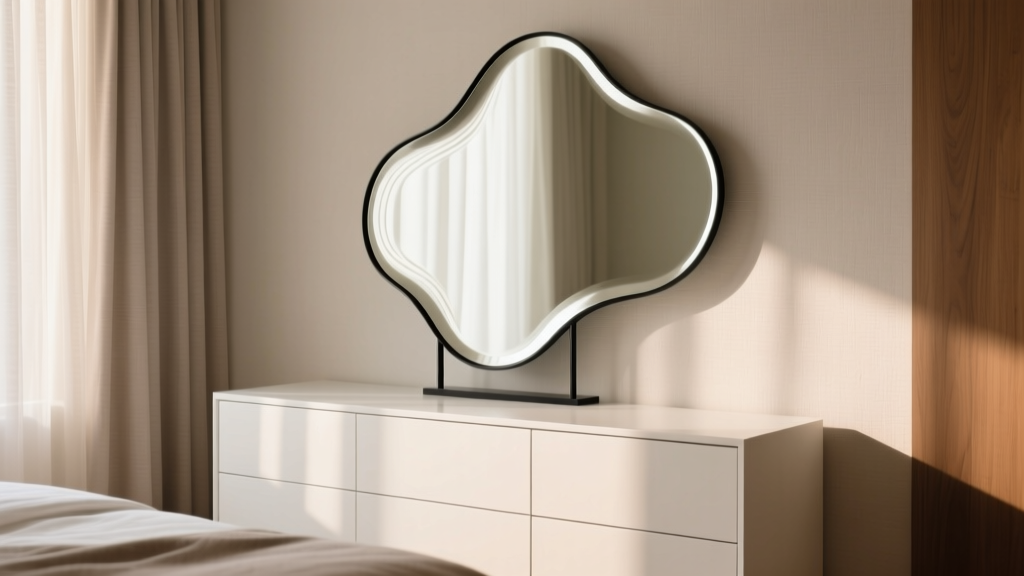 Bedroom Organic Shaped Mirror Above Dresser - The Decor Mag
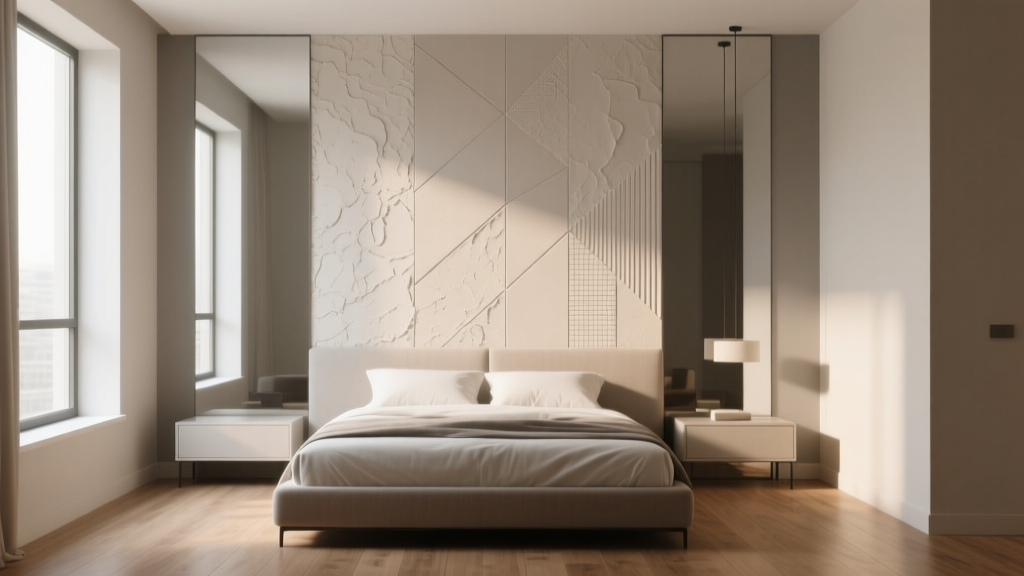 Bedroom Plaster Wall Treatment Ideas - The Decor Mag
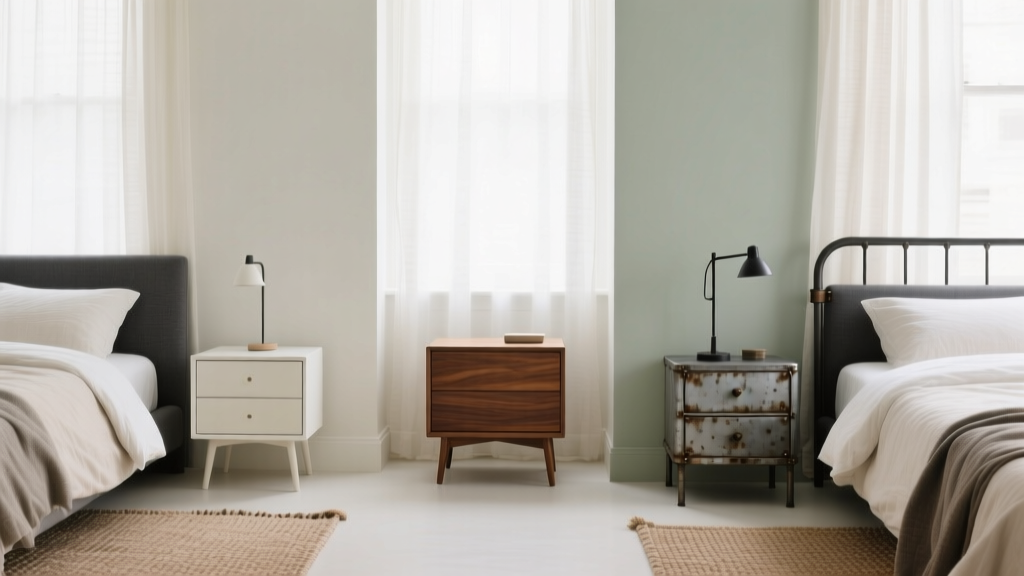 The Best Nightstands for Every Bedroom Style - The Decor Mag
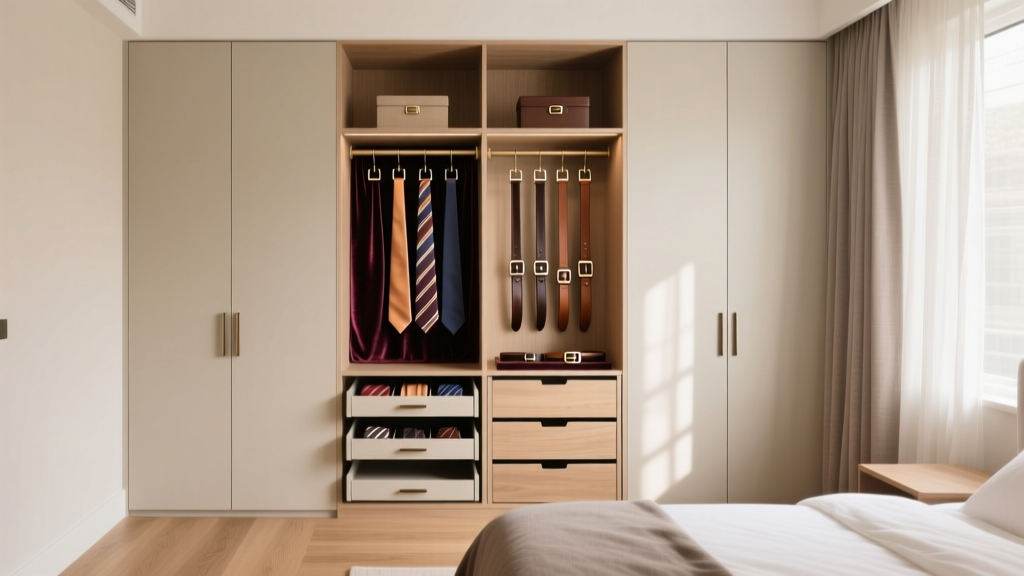 Best Bedroom Tie and Belt Storage - The Decor Mag
 How to Create a Bedroom That Feels Serene - The Decor Mag
 Bedroom Curved Nightstand Design Trend - The Decor Mag
 How to Incorporate Vintage Linens in Bedroom - The Decor Mag