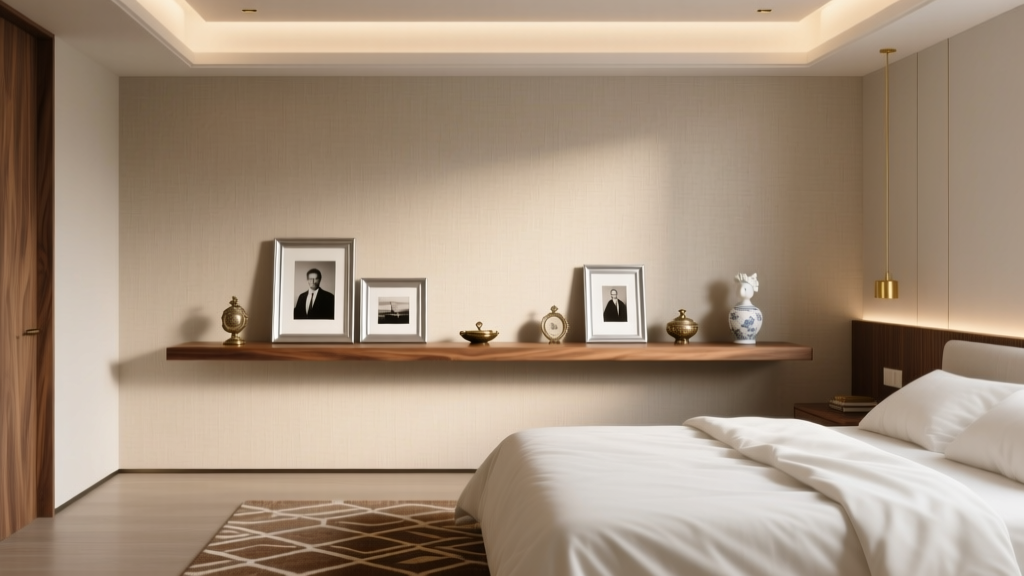
Best Bedroom Memory Display Shelf - The Decor Mag
Your bedroom is where your nervous system downshifts. It’s where the day’s input quiets, your body temperature drops, and your mind tries to release unfinished thoughts. The way you decorate this room can either support that process—or interrupt it. A memory display shelf sounds simple, but it can make the difference between a space that feels comforting and one that feels visually “busy,” triggering alertness when you’re trying to rest.
The best bedroom memory display shelf doesn’t just show off photos and keepsakes; it edits them. It creates a calm focal point, keeps surfaces clear, reduces clutter, and helps your bedroom feel personal without feeling overstimulating. When chosen well and styled thoughtfully, a display shelf becomes a soft anchor for identity and reassurance—two quiet ingredients that help many people sleep better.
This guide breaks down the best shelf types, ideal placement, sleep-friendly styling, and common mistakes—plus practical recommendations for materials, lighting, colors, and budgets. Whether you’re a homeowner planning a feature wall or a renter who needs no-drill solutions, you’ll find options that support a calmer sleep environment.
What Makes a Memory Display Shelf “Best” for a Bedroom?
A bedroom memory shelf is different from a living room gallery. In sleep-friendly bedroom design, the goal is gentle visual comfort—not high-energy stimulation. The best shelves for bedroom decor share a few qualities:
- Shallow depth (3–6 inches): Prevents the shelf from feeling bulky and reduces the temptation to pile clutter.
- Clean lines and low visual weight: Floating shelves, picture ledges, and slim brackets feel calmer than heavy corbels.
- Stable and secure mounting: Nothing disrupts relaxation like a shelf that wobbles or feels unsafe.
- Easy-to-edit styling: A shelf should help you rotate meaningful items seasonally without becoming a storage zone.
- Warm, natural materials: Wood, bamboo, linen-wrapped frames, matte finishes—textures that cue comfort.
The Sleep Connection: Visual Clutter vs. Visual Comfort
Bedroom design affects sleep quality by influencing stress and cognitive load. Too many objects, bright colors, or reflective surfaces can keep the brain in “processing mode.” A curated shelf allows you to keep sentimental items nearby while maintaining a restful bedroom environment.
Best Types of Bedroom Memory Display Shelves (With Pros, Cons, and Budgets)
1) Picture Ledge Shelf (Best for Calm, Layered Displays)
Why it works: A picture ledge (also called a photo ledge) is shallow and designed for frames, small art prints, and a few minimal objects. It’s one of the most sleep-friendly shelf styles because it naturally limits clutter.
- Best for: Framed photos, postcards, small art prints, one small plant
- Materials to look for: Solid wood, bamboo, MDF with a matte lacquer finish
- Budget range: $20–$80 per ledge (more for solid oak or walnut)
- Tip: Choose a ledge with a front lip at least 1 inch tall to keep frames stable.
2) Floating Shelf (Best for Minimal, Sculptural Styling)
Why it works: A floating shelf hides brackets for a clean look—ideal for modern bedroom decor and minimalist sleep spaces.
- Best for: A small curated set of keepsakes (2–5 items), a candle (unlit), a framed photo
- Materials to look for: Solid pine, oak veneer, powder-coated metal
- Budget range: $25–$150 depending on length and material
- Tip: Avoid glossy finishes that reflect lamp light and feel “active” at night.
3) Wall-Mounted Box Shelf (Best for Renters Who Need Structure)
Why it works: A box shelf (shadow box style) visually contains objects, making the display feel organized and less chaotic.
- Best for: Small collections, travel mementos, tiny framed photos
- Materials to look for: Lightweight wood composite, painted matte finishes
- Budget range: $30–$120
- Tip: Stick to one color of box shelf to reduce visual fragmentation.
4) Leaning Ladder Shelf (Best for No-Drill, Small-Space Bedrooms)
Why it works: Ladder shelves lean against the wall and can be placed away from the bed zone. They’re great for renters who can’t install wall shelves.
- Best for: Photos, a few books, a woven basket for soft storage
- Materials to look for: Wood or bamboo; avoid squeaky metal joints
- Budget range: $60–$250
- Tip: Choose a version with a wide base and anti-tip strap for safety.
5) Headboard Shelf or Storage Headboard (Best for Tiny Bedrooms)
Why it works: If your nightstand is crowded, a headboard shelf gives sentimental items a home while keeping the sleep surface clear.
- Best for: One framed photo, a small diffuser (used wisely), a book
- Materials to look for: Upholstered headboards with a wood ledge, FSC-certified wood
- Budget range: $150–$600+
- Tip: Keep the display minimal—anything above your pillow line should feel serene.
Where to Place a Memory Display Shelf for Better Sleep
Layout matters. You want your bedroom decor to support relaxation, not demand attention when you’re winding down.
Best Placements (Sleep-Friendly)
- Opposite the bed (low visual density): A single ledge with 3–5 items creates a gentle focal point without looming overhead.
- Beside a dresser or reading corner: Keeps “life” items away from the bed while still personalizing the room.
- Above a bench at the foot of the bed: Works well if you keep the shelf minimal and anchored with calm colors.
Placements to Avoid (If You’re a Light or Anxious Sleeper)
- Directly above the head of the bed: Even when securely mounted, it can subconsciously feel unsafe.
- Over a clutter-prone nightstand: It often becomes a “stack zone,” increasing visual noise.
- Near bright LEDs or reflective mirrors: Reflections and harsh lighting can disrupt a relaxing sleep environment.
Styling Your Shelf: A Calm Formula That Still Feels Personal
The best bedroom memory display shelf looks intentional, not packed. Aim for “curated comfort.” Use this easy approach:
The 3-2-1 Styling Rule
- 3 photo moments: A mix of frame sizes, but keep frame colors consistent (two tones max).
- 2 grounding objects: Something matte and simple—ceramic bud vase, small stone dish, or a wooden keepsake box.
- 1 soft element: A tiny trailing plant, dried lavender bundle, or a linen-wrapped journal.
Best Frame and Decor Choices for a Restful Bedroom
- Frames: Matte wood, brushed brass, soft black, or cream. Avoid mirrored or high-gloss acrylic frames near lamps.
- Objects: Ceramic, wood, stone, sea glass, or one meaningful souvenir. Keep shiny metals minimal.
- Greenery: Low-scent plants (pothos, philodendron, ZZ plant). If pollen sensitivity is an issue, choose faux greenery with a matte finish.
Color Ideas That Support Sleep
If your shelf sits on a feature wall, choose bedroom colors that feel quiet and warm. Popular sleep-friendly options include:
- Soft neutrals: Warm white, oatmeal, mushroom, greige
- Muted cools: Dusty blue, soft sage, pale slate
- Earth tones: Clay, sand, muted terracotta (used sparingly)
Lighting Recommendations: Make the Shelf Glow Without Waking You Up
Lighting is one of the fastest ways to improve a bedroom’s sleep environment. A memory shelf looks best under warm, low-level light—never harsh overhead glare.
Best Lighting Types for a Bedroom Shelf
- Warm LED picture light (2700K): Creates a gallery feel and keeps the mood soft.
- Plug-in wall sconce with dimmer: Ideal for renters; aim the light away from your eyes in bed.
- Motion-activated, low-lumen LED strip: Useful if the shelf is near a pathway—choose warm white and keep brightness low.
Sleep-Friendly Lighting Tips
- Keep color temperature warm: 2200K–2700K is soothing for nighttime.
- Avoid blue-heavy light at night: It can feel energizing and may interfere with winding down.
- Use dimmers: The best bedroom lighting setup has layers, not a single bright source.
Material Recommendations: What Feels Good and Lasts
Materials affect both aesthetics and maintenance. For bedroom decor, you want finishes that look calm and clean easily.
- Solid wood (oak, walnut, pine): Warm, durable, naturally calming. Expect $50–$200+ depending on size and species.
- Bamboo: Light, airy, renter-friendly vibe; often $30–$120.
- Powder-coated metal brackets: More stable than thin painted metal; $25–$100 for shelf + brackets.
- Low-VOC finishes: Especially helpful in bedrooms—choose shelves labeled low-VOC or water-based finishes when possible.
Bedroom Shelf Ideas for Different Spaces and Budgets
Small Bedroom / Studio Apartment
- Best pick: One 24–36" picture ledge
- Placement: Above a dresser or desk (not above the pillow)
- Budget plan ($50–$120): One ledge + 3 matching frames + warm LED clip light
Primary Bedroom Refresh (Mid-Range)
- Best pick: Two matching floating shelves stacked vertically with generous space between
- Placement: On a calm accent wall
- Budget plan ($150–$400): Quality shelves + 5–7 frames + a dimmable sconce
High-End, Built-In Look
- Best pick: Custom shallow ledges or a recessed niche shelf
- Placement: A symmetrical arrangement flanking a dresser or centered on a feature wall
- Budget plan ($500–$2,000+): Custom carpentry + designer lighting + museum-style framing
Wellness Tips: Keep Sentimental Items Without Overloading Your Mind
A memory shelf should comfort you, not trigger planning, grief spirals, or a mental to-do list. A few gentle boundaries help:
- Choose “settling” memories: Think calm vacations, loved ones, nature moments—avoid items tied to stress or unfinished projects.
- Rotate seasonally: Keep the shelf fresh without growing it. Store extras in a labeled box under the bed.
- Limit text-heavy items: Letters, certificates, and documents can prompt mental activity at bedtime.
- Keep fragrance subtle: If you add lavender, choose a mild option and avoid strong synthetic scents that can irritate airways.
Common Mistakes to Avoid
- Overcrowding the shelf: A packed shelf reads as clutter, which can undermine a restful bedroom design.
- Mixing too many materials: Five frame finishes and three decor styles can feel chaotic. Stick to 1–2 finishes.
- Using harsh lighting: Bright white LEDs (4000K+) can make the room feel like an office.
- Placing a shelf too high: Hard-to-reach shelves invite dust and make styling feel fussy. Keep it at eye level when standing.
- Ignoring wall anchors: Especially with drywall. Use appropriate anchors or find studs for safety and peace of mind.
- Turning it into storage: A memory display shelf isn’t the place for chargers, mail, or random toiletries.
FAQ: Bedroom Memory Display Shelves
What is the best type of shelf for displaying photos in a bedroom?
A picture ledge shelf is the most bedroom-friendly option because it’s shallow, easy to style, and naturally limits clutter. It allows layered frames without needing many wall holes.
Should I put a shelf above my bed?
If you’re a light sleeper or prone to nighttime anxiety, it’s usually better to avoid shelves directly above the headboard. Even when properly anchored, overhead objects can feel visually heavy. Consider placing the shelf on an adjacent wall or above a dresser instead.
How many items should be on a memory display shelf?
For a calm sleep environment, aim for 3–7 items per shelf depending on length. Leave some open space so your eyes can rest. If you want to display more memories, rotate them rather than adding more.
What lighting is best for a bedroom display shelf?
Choose warm, dimmable lighting in the 2200K–2700K range. A small picture light or plug-in sconce creates a soft glow that supports nighttime wind-down.
What materials are best for a calming bedroom shelf?
Solid wood, bamboo, and matte-finish surfaces are ideal for cozy bedroom decor. They reduce glare and add warmth, which helps the room feel more restful.
How can renters add a memory shelf without damaging walls?
Try a leaning ladder shelf or a freestanding etagere. If wall mounting is allowed, use a lightweight picture ledge with minimal hardware and patch-friendly anchors.
Next Steps: Set Up a Shelf That Feels Like Exhale
Start by choosing a shelf type that matches your room and your sleep goals: a picture ledge for gentle framing, a floating shelf for minimalism, or a ladder shelf for a no-drill rental solution. Keep the palette quiet, limit the number of objects, and use warm, dimmable lighting to maintain a soothing bedroom atmosphere.
Tonight’s quick win: clear your nightstand, pick 3–5 meaningful photos, and give them a dedicated place on a simple shelf—so your bedroom feels personal, peaceful, and designed for rest.
For more calming bedroom design ideas, sleep-friendly decor tips, and renter-smart upgrades, explore the latest guides on thedecormag.com.
More Articles
 Bedroom Limewash Paint Wall Trend - The Decor Mag
 Best Bedroom Sleep Sound Playlist - The Decor Mag
 Bedroom Built-In Wardrobe Ideas - The Decor Mag
 Best Bedroom Crystal Collection Display - The Decor Mag
 Best Bedroom White Noise Setup - The Decor Mag
 Bedroom Textured Plaster Headboard Wall - The Decor Mag
 How to Create a Bedroom That Feels Luxurious - The Decor Mag
 Bedroom Fluted Panel Wardrobe Design - The Decor Mag
 Bedroom Boucle Accent Chair in Corner - The Decor Mag
 Grounded Bedroom Decor: Calm & Serene (2026)