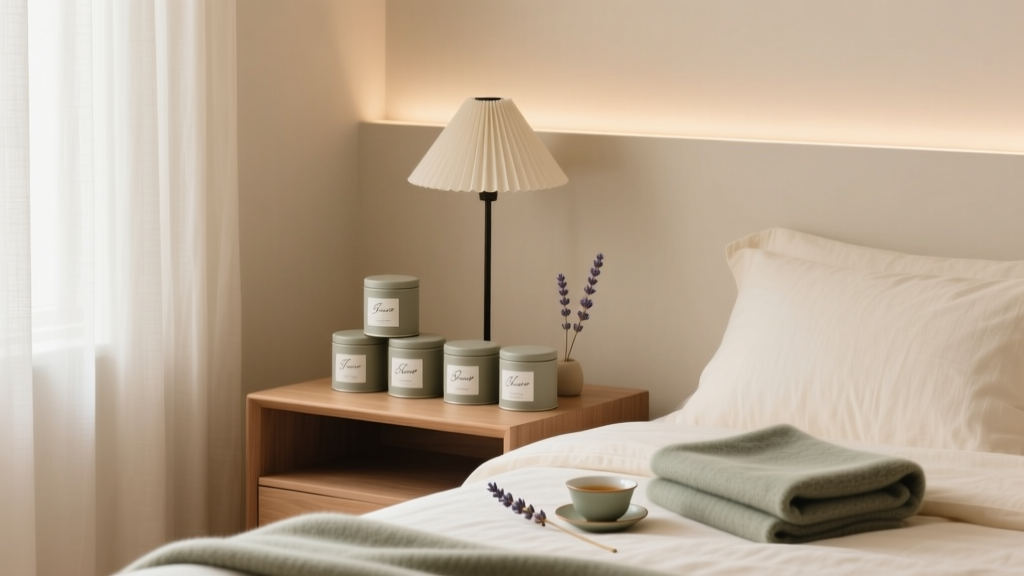
Best Bedroom Sleep Tea Collection - The Decor Mag
A truly restful bedroom isn’t created by one change—it’s built through small, thoughtful rituals that tell your body it’s safe to slow down. One of the simplest (and most comforting) rituals is a nightly cup of sleep tea. When paired with a calm, well-designed sleep environment, tea becomes more than a warm drink: it’s a sensory cue that supports relaxation, lowers mental “noise,” and helps you transition from a busy day into restorative rest.
The connection between bedroom design and sleep quality is well documented in everyday experience: harsh lighting, clutter, and uncomfortable bedding can keep your nervous system on alert. On the other hand, a soothing color palette, soft layered lighting, breathable linens, and a tidy layout make it easier to unwind. A curated sleep tea collection fits beautifully into this approach—especially when it’s stored and served in a way that feels intentional and serene.
This guide shares a practical “Best Bedroom Sleep Tea Collection” you can build at home, along with bedroom decor and sleep environment tips to make your evening routine feel effortless. Expect calming, renter-friendly ideas, specific material recommendations, and budget ranges so you can create a bedtime setup that looks good and supports better sleep.
Why a Bedroom Sleep Tea Collection Belongs in Your Sleep Environment
A sleep tea collection is both functional and decorative. It supports a consistent wind-down routine—one of the most effective sleep wellness habits—while adding a spa-like touch to your bedroom decor.
How tea supports a calmer bedtime routine
- Predictable cue: A consistent nightly ritual can help your brain associate certain actions (boiling water, steeping tea, dimming lights) with sleep.
- Gentle sensory comfort: Warmth, aroma, and a slow sipping pace encourage relaxation.
- Screen replacement: Preparing tea gives your hands something to do besides scrolling, which can disrupt sleep quality.
Wellness note: If you’re pregnant, nursing, on medication, or managing a health condition, check with a clinician before using herbal blends (especially valerian, kava, or high-dose adaptogens). Keep your tea caffeine-free after early afternoon for the most sleep-friendly results.
The Best Bedroom Sleep Tea Collection (Core Lineup)
Think of your collection as a small “sleep wardrobe”: a few reliable options for different moods—stressful days, restless nights, indigestion, or when you simply want comfort. Aim for 5–7 teas so it stays curated, not cluttered.
1) Chamomile (the classic comfort cup)
Flavor profile: Soft, apple-like, lightly floral
When to choose it: You want a familiar, gentle wind-down tea that doesn’t overpower the senses.
- Choose whole-flower chamomile or high-quality sachets for a smoother cup.
- Pair with a teaspoon of honey if you like a rounder finish.
2) Lavender + Chamomile (for a more spa-like feel)
Flavor profile: Floral, soothing, aromatic
When to choose it: Your mind feels busy and you crave a “bedtime scent anchor.”
- Look for blends that use real lavender buds (not just flavoring).
- Keep the lavender subtle—too much can taste soapy.
3) Lemon Balm (for nervous energy and mental chatter)
Flavor profile: Mild citrus-herbal
When to choose it: You feel keyed up or over-caffeinated earlier in the day.
- Works beautifully in a blend with chamomile or mint.
- Opt for loose leaf if possible; aroma tends to be brighter.
4) Peppermint or Spearmint (for digestion and a clean finish)
Flavor profile: Cool, crisp, refreshing
When to choose it: Dinner was heavy, or you want a “reset” feeling before bed.
- Choose single-ingredient mint for a clean taste.
- If you’re sensitive to reflux, mint can aggravate it—consider rooibos instead.
5) Rooibos (caffeine-free “evening tea” energy)
Flavor profile: Warm, vanilla-woody, naturally sweet
When to choose it: You want something cozy and satisfying without caffeine.
- Delicious with a splash of milk (dairy or oat) and cinnamon.
- Great “dessert tea” to replace late-night sweets.
6) Valerian Blend (for occasional restless nights)
Flavor profile: Earthy; often blended with mint or citrus to soften
When to choose it: You need stronger nighttime support on an occasional basis.
- Choose a blend (valerian + lemon balm, chamomile, or passionflower) for better taste.
- Reserve for nights you truly need it; avoid mixing with alcohol or sedatives.
7) Passionflower Blend (for tension and “wired but tired” evenings)
Flavor profile: Mild, grassy-floral depending on blend
When to choose it: Your body is tired, but your thoughts keep looping.
- Often paired with lemon balm and chamomile for a balanced cup.
How to Set Up a Sleep Tea Station in the Bedroom (Without Creating Clutter)
A tea station should feel calm, minimal, and easy to maintain. The goal is a bedroom layout that supports sleep—not a full kitchen corner.
Best location ideas (homeowner and renter friendly)
- Nightstand tray: Ideal for small spaces; keep it ultra-simple.
- Dresser top corner: Works well if you can keep cords hidden and surfaces clear.
- Floating shelf above a hamper or side table: Adds storage without taking floor space.
Furniture recommendations and budget ranges
- Nightstand with a drawer (to hide tea bags and tools): $80–$350
- Small dresser or console with soft-close drawers (for a larger collection): $200–$900
- Upholstered bench with hidden storage at the foot of the bed (tea + linens): $140–$600
- Wall shelf with a rail (renter-friendly with proper anchors or adhesive systems where appropriate): $25–$120
Tea storage that looks like decor
- Opaque canisters (ceramic or tin): protect aroma from light and look elegant.
- Glass jars: pretty, but keep them in a shaded spot to preserve freshness.
- Wood tea box with dividers: creates a tidy “collection” feel; choose FSC-certified wood when possible.
Material recommendation: For a calming bedroom aesthetic, choose matte ceramic, light oak or walnut, and brushed brass accents rather than shiny chrome.
Bedding, Lighting, and Color Choices That Pair Perfectly With a Nightly Tea Ritual
Great sleep tea is most effective when your bedroom design supports melatonin production and comfort. These upgrades are practical, often affordable, and noticeable immediately.
Bedding: breathable layers that regulate temperature
- Sheets: Long-staple cotton percale for cool sleepers ($60–$200) or linen for breathability ($120–$350).
- Duvet insert: Choose weight by season—lightweight for warm rooms, all-season for balanced comfort ($80–$250).
- Pillows: Side sleepers often benefit from a firmer loft; back sleepers prefer medium loft ($40–$180 each).
- Throw blanket: Add a soft texture layer in cotton knit or washed wool ($40–$160).
Lighting: the fastest way to improve your sleep environment
- Bedside lamps with warm bulbs (2200K–2700K): Soft, sunset-like light supports wind-down. ($25–$150 per lamp)
- Dimmer switches or plug-in dimmers: A small change with big impact. ($12–$60)
- Motion-activated night light: Helps midnight trips without bright overhead light. ($10–$40)
Colors: calm palettes that reduce visual “noise”
For a sleep-friendly bedroom color palette, choose muted, low-contrast tones. Great options include:
- Soft warm whites (creamy, not stark)
- Dusty blue and blue-gray (quiet and spacious)
- Sage green (grounding without feeling dark)
- Warm taupe (cozy, especially in low light)
Design tip: If your tea collection includes colorful packaging, decant into matching canisters so the room stays visually restful.
Sleep-Friendly Tea Habits That Actually Work
Your tea can support sleep quality best when the timing and routine are consistent.
A simple nightly tea routine (15–25 minutes)
- Lower the lights in your bedroom and hallway.
- Steep tea for 5–8 minutes (longer for rooibos, shorter for delicate herbs).
- Do one “reset” task: clear the nightstand, fold a throw, or set out tomorrow’s outfit.
- Sip slowly while reading a paper book or journaling for 5 minutes.
- Stop liquids 30–60 minutes before sleep if you’re prone to waking to use the bathroom.
Tools that elevate the ritual (and keep it neat)
- Ceramic mug with lid (holds warmth, reduces spills): $12–$45
- Stainless steel infuser basket for loose leaf: $8–$20
- Small tray for mug + tea tin + spoon: $10–$60
- Electric kettle with auto shut-off (best used outside the bedroom for safety): $25–$120
Safety note: Avoid open flames (candles) during tea prep if you’re sleepy. If you love candlelight, use a quality flameless candle or a dim amber lamp instead.
Layout Tweaks That Support Relaxation (Even in Small Bedrooms)
A calming bedroom layout reduces friction. When the room is easy to move through and visually quiet, your body settles faster.
- Keep pathways clear: Aim for 24–30 inches of walking space where possible.
- Anchor the bed: Place it on the most solid wall you have; avoid blocking windows if you can.
- Use closed storage: Nightstands with drawers hide tea supplies, chargers, and clutter.
- Create a “sleep-only” zone: If you work in the bedroom, separate the desk area with a curtain or a tall plant.
Common Mistakes to Avoid
- Accidentally drinking caffeine: “Green tea,” “black tea,” and many chai blends contain caffeine. Choose clearly labeled caffeine-free herbal tea for evenings.
- Overbuilding the collection: Too many boxes and jars become clutter, which undermines a restful bedroom. Start with 5–7 blends.
- Using bright overhead lighting at night: It can disrupt your wind-down routine. Switch to warm bedside lighting and dimmers.
- Storing tea near strong odors: Tea absorbs smell. Keep it away from perfumes, incense, or cleaning supplies.
- Drinking too much too late: Even herbal tea can lead to bathroom wake-ups. Keep servings moderate and consider an earlier cutoff.
- Choosing “sleep decor” that isn’t comfortable: Scratchy throws, overly firm pillows, or synthetic bedding can negate the calming vibe.
FAQ: Bedroom Sleep Tea Collection
What is the best tea to drink before bed for sleep?
Many people start with chamomile because it’s gentle and widely tolerated. If you want a more spa-like ritual, try chamomile + lavender. For occasional restless nights, a valerian blend may feel stronger, but it’s best used selectively.
How long before sleep should I drink herbal tea?
Aim for 30–90 minutes before lights-out. If you wake up to use the bathroom, shift your tea earlier or reduce the amount.
Can I keep a tea station in the bedroom?
Yes—keep it minimal. Store tea in a drawer or closed box, use a tray to contain items, and do boiling/steeping outside the bedroom if possible for safety and humidity control.
What’s the best way to store tea so it stays fresh?
Use airtight, opaque containers and keep them in a cool, dry place away from sunlight. Label canisters with purchase dates; most herbs taste best within 6–12 months.
Which bedroom lighting is best for a calming tea ritual?
Choose warm, dimmable light (2200K–2700K). A bedside lamp with a fabric shade creates soft diffusion, which supports a relaxing sleep environment.
What if I rent and can’t repaint or install new lighting?
Use plug-in dimmers, warm bulbs, and layered table lighting. For color, add a calming palette through bedding, curtains, and a removable peel-and-stick accent (or simply a large textile wall hanging).
Next Steps: Build Your Collection and Calm Your Space
Start small: choose three caffeine-free teas (chamomile, rooibos, and lemon balm), add a lidded mug and a tidy tea box, then refine based on what your body responds to. Pair your tea ritual with sleep-supportive bedroom design—breathable bedding, warm lighting, a clutter-free nightstand, and a calm color palette—and you’ll feel the difference night after night.
If you’d like more soothing bedroom decor ideas, renter-friendly layout tips, and sleep environment upgrades, explore more guides on thedecormag.com.
More Articles
 Wellness Bedroom Decor: Design Tips for 2026
 Best Bedroom Humidifier Placement - The Decor Mag
 Mid-Century Modern Bedroom Furniture Guide - The Decor Mag
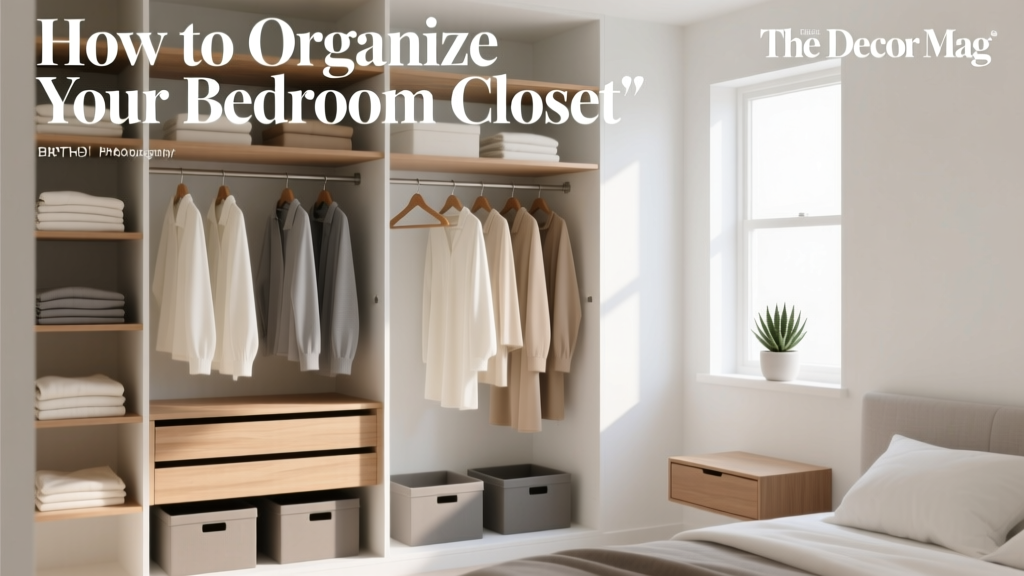 How to Organize Your Bedroom Closet - The Decor Mag
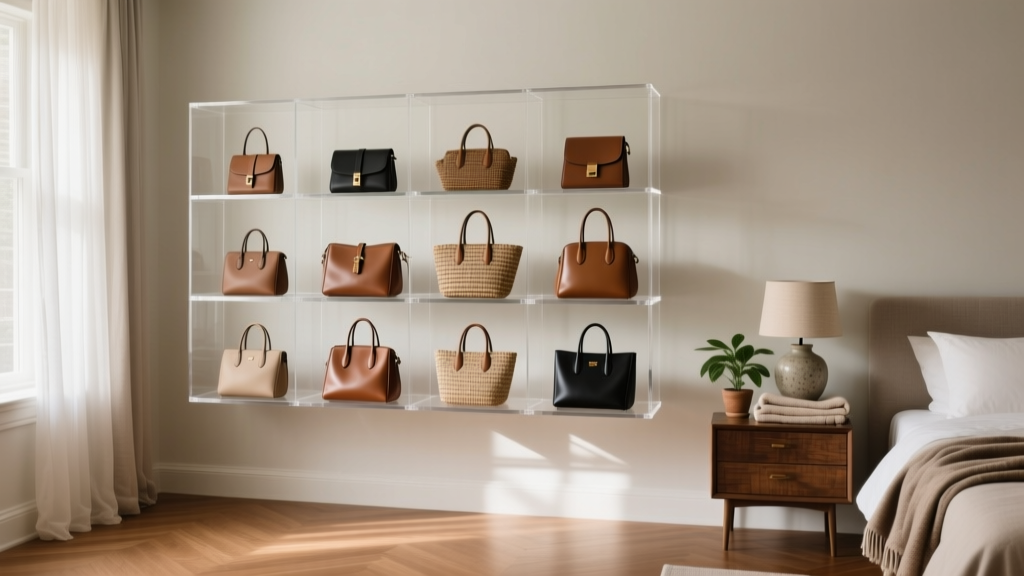 Best Bedroom Handbag Storage Solutions - The Decor Mag
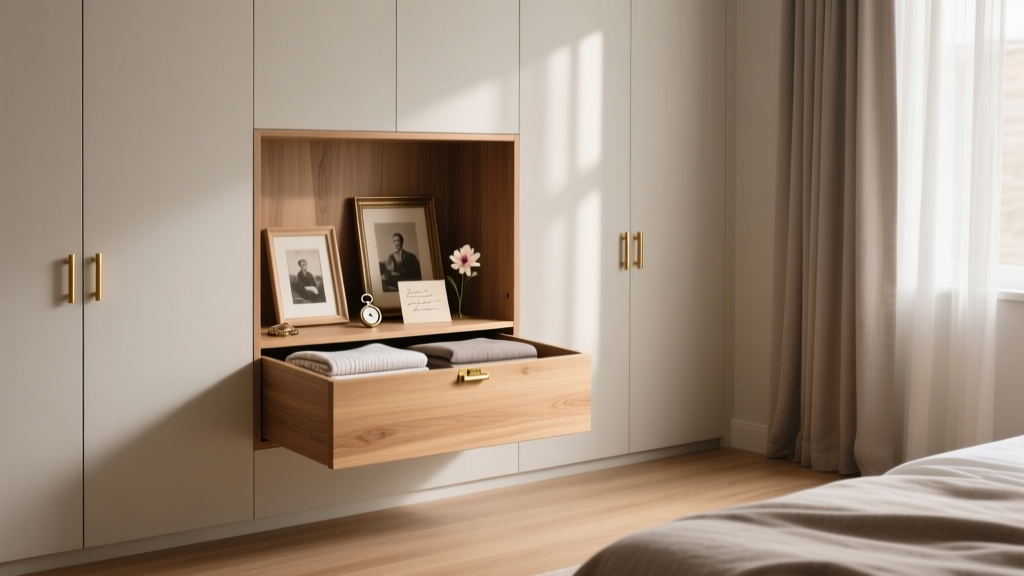 Best Bedroom Keepsake Box Storage - The Decor Mag
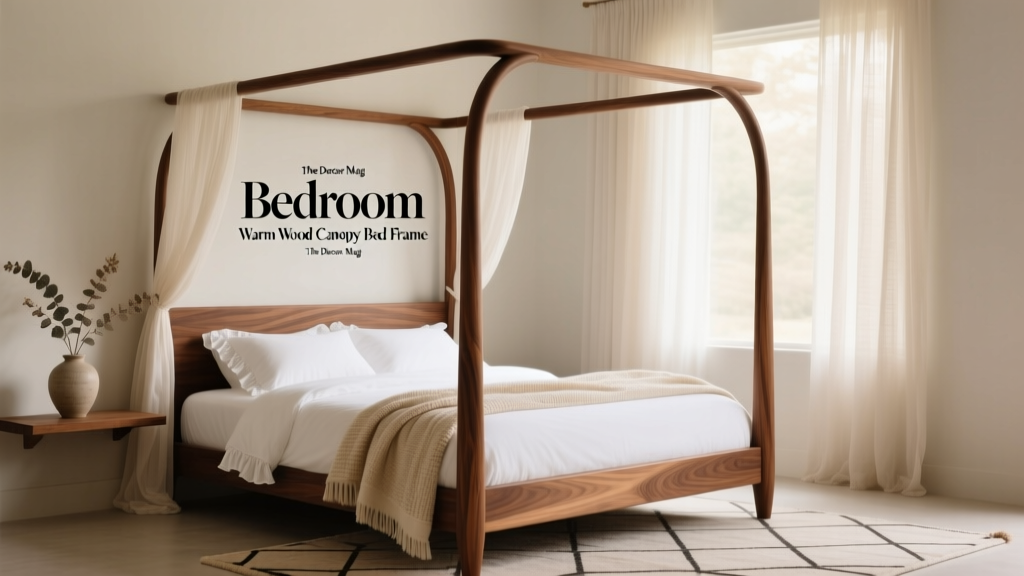 Bedroom Warm Wood Canopy Bed Frame - The Decor Mag
 Bedroom Boucle Fabric Furniture Trend - The Decor Mag
 Best Bedroom Crystal Collection Display - The Decor Mag
 Bedroom Arched Headboard Design Trend - The Decor Mag