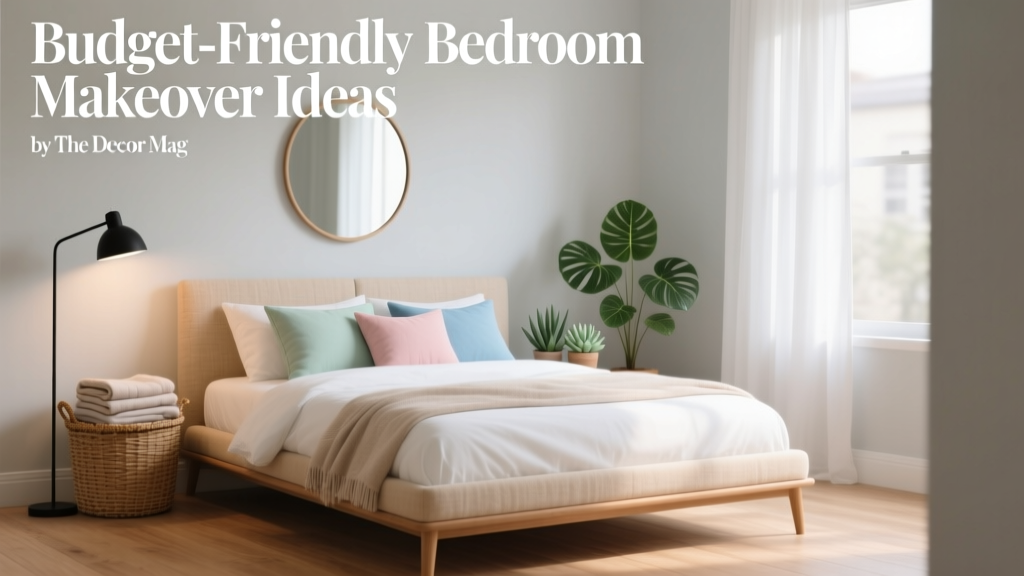
Budget-Friendly Bedroom Makeover Ideas - The Decor Mag
Your bedroom isn’t just another room—it’s your recovery space. The way it looks, feels, and functions can either support deep rest or quietly sabotage it. Cluttered surfaces, harsh lighting, scratchy bedding, and awkward furniture placement all add micro-stress that your nervous system registers, even when you’re trying to wind down.
The good news: a sleep-friendly bedroom makeover doesn’t require a full renovation or designer budget. With a few smart upgrades—many under $50—you can improve comfort, reduce visual noise, and create a calmer sleep environment. Whether you’re a homeowner updating a tired space or a renter working within limits, small changes in bedroom design can meaningfully improve how quickly you fall asleep and how restored you feel in the morning.
Below are practical, budget-focused bedroom makeover ideas that balance decor, function, and wellness—so your space looks better and supports better sleep quality.
Start With a Simple Plan (So You Don’t Waste Money)
Before buying anything, take 10 minutes to define what’s not working. Most budget makeovers fail because people buy decor first and ignore the basics: layout, lighting, and bedding.
Do a 3-question bedroom audit
- What disrupts sleep here? (Streetlight glare, messy floor, noisy fan, too-warm bedding, electronics.)
- What feels uncomfortable? (Pillows too flat, mattress too firm, no nightstand, harsh overhead light.)
- What looks visually stressful? (Overcrowded furniture, too many colors, busy patterns, open storage.)
Choose a makeover budget range
- $50–$150: Small bedding upgrade + lighting fix + declutter tools
- $150–$400: Add rug/curtains + better pillows + bedside storage
- $400–$800: Mattress topper + blackout curtains + new headboard or bed frame refresh
Declutter and Reset the Layout for Better Flow
A calmer bedroom starts with fewer obstacles and a layout that feels intuitive. The goal is to make the room easy to move through and easy to maintain—because a space that’s hard to keep tidy becomes a constant background stressor.
Quick layout wins (free to $30)
- Clear pathways: Aim for 24–30 inches of walking space beside the bed if possible.
- Anchor the bed: Place the head of the bed on a solid wall (when you can) to create a grounded, secure feeling.
- Reduce “visual piles”: Move laundry baskets behind a door or into a closet; use a lidded hamper.
- Create a landing zone: Add hooks or a small tray for keys, glasses, and chargers to prevent nightstand clutter.
Budget storage that looks like decor ($10–$80)
- Under-bed bins: Choose low-profile, lidded fabric or plastic containers to reduce dust.
- Baskets with lids: Natural fiber (seagrass) for warmth, or lined canvas for a cleaner look.
- Over-the-door organizers: Great for renters; keeps skincare, cords, or accessories contained.
- Matching hangers: A small visual upgrade that makes closets feel calmer.
Sleep-friendly tip: Keep surfaces you see from bed as clear as possible. What your eyes take in at bedtime influences how quickly your mind “powers down.”
Upgrade Bedding First: The Fastest Comfort Boost
If you change only one thing, change your bedding. It touches your skin for 7–9 hours a night, and temperature regulation is a major factor in sleep quality. A bedroom makeover that ignores bedding often looks nice but doesn’t feel better.
Sheets: pick breathable, durable materials ($30–$120)
- 100% cotton percale: Crisp, cool, ideal for hot sleepers and summer. Look for long-staple cotton if possible.
- 100% cotton sateen: Smoother, slightly warmer, drapes nicely for a more “hotel” look.
- Linen (washed linen): Very breathable; often pricier, but budget sets go on sale. Great for humid climates.
- Avoid: Cheap microfiber if you overheat—many people find it traps warmth.
Pillows: support your neck, not just your style ($20–$120 each)
- Side sleepers: Medium-firm, higher loft to fill the shoulder gap.
- Back sleepers: Medium loft; consider a contoured option for neck support.
- Stomach sleepers: Soft, low loft (or no pillow) to reduce neck strain.
- Budget upgrade: Add a pillow protector ($8–$20) to extend pillow life and reduce allergens.
Comforter/duvet: focus on temperature ($60–$200)
- All-season duvet insert: A practical one-and-done choice; pair with a washable duvet cover.
- Down-alternative fill: Easy care and often better for allergies.
- Layering trick: Use a lightweight quilt plus a throw instead of one heavy comforter—easier temperature control.
Sleep-friendly tip: Aim for a slightly cool bedroom (many people sleep best around 60–67°F). Breathable bedding materials help your body cool down naturally at night.
Lighting That Helps You Wind Down (Without Making the Room Gloomy)
Lighting is one of the most overlooked bedroom design elements—and one of the most powerful for sleep environment improvement. Bright, cool-toned light at night can cue alertness, while warm, dimmable light signals your brain that bedtime is approaching.
Budget lighting upgrades ($15–$120)
- Warm bulbs: Choose 2700K (soft warm) for bedside lamps.
- Dimmable options: A dimmable bulb or plug-in dimmer makes bedtime lighting gentler.
- Bedside lamps (pair): Matching lamps make the room feel intentional; thrift stores are great for bases.
- Wall sconces (plug-in): Space-saving and renter-friendly; frees up nightstand surface area.
- Motion night light: Soft amber for midnight trips without fully waking your brain.
Avoid these sleep-disrupting lighting choices
- 5000K “daylight” bulbs in the bedroom (too stimulating at night)
- Exposed bright overhead fixtures as the only light source
- LED strips in intense blue/purple hues near the bed (fun, but often too activating for rest)
Wellness tip: Set a “light sunset” routine: dim lights 60–90 minutes before sleep. Pair it with a simple wind-down habit—stretching, reading, or a warm shower.
Color and Decor: Calm the Room Without Making It Bland
Color affects mood, and mood affects sleep. The most soothing bedroom decor palettes are typically low-contrast and nature-inspired. You can create a calmer look without repainting the entire room.
Budget-friendly color strategies ($10–$200)
- Use textiles to shift the palette: Bedding, curtains, and rugs can “repaint” a room visually.
- Choose calming tones: Soft white, warm beige, greige, muted sage, dusty blue, clay, or terracotta accents.
- Add one grounding dark: Charcoal, deep olive, or navy in small doses (pillows, throw, art frame) for depth.
- Peel-and-stick wallpaper: Create a headboard wall or niche feature (renters: check removal reviews).
Decor that supports relaxation (not clutter)
- One large art piece over the bed instead of many small pieces (less visual busyness).
- A mirror placed thoughtfully: Reflects light, helps small bedrooms feel larger. Avoid aiming it at the bed if it feels distracting.
- Plants (real or convincing faux): A small bedside plant can soften the room. If you’re sensitive to pollen, choose low-allergen options or faux.
- Textural layers: A knit throw, linen pillow covers, or a woven basket adds warmth without adding mess.
Furniture Refreshes That Don’t Require New Furniture
Bedroom furniture can be expensive, but a few targeted updates can make a dresser, bed frame, or nightstand look new—often for under $50.
Low-cost furniture makeover ideas ($10–$150)
- Swap hardware: New knobs/pulls on a dresser or nightstand ($15–$60) instantly modernize it.
- Paint or refinish a nightstand: Matte or satin finishes feel calmer than high gloss. Use low-VOC paint when possible.
- Add a headboard look: Try a peel-and-stick mural, a fabric panel, or a DIY upholstered board ($40–$150).
- Use a bed skirt or fitted wrap: Hides under-bed storage and creates a cleaner silhouette ($20–$60).
Small bedroom layout recommendations
- Floating shelves as nightstands: Saves floor space and looks minimal ($20–$70).
- Narrow nightstands: Look for 10–14 inch wide options for tight spaces.
- One nightstand + wall sconce: If space is limited, keep only one side furnished and balance with art.
Sleep-friendly tip: Keep work items (laptops, paperwork) out of sight at night. If you must work in the bedroom, use a closed bin or cabinet so your brain doesn’t associate the bed with to-do lists.
Window Treatments for Darkness, Quiet, and Temperature Control
Light leakage and temperature swings are common sleep disruptors. The right window treatments improve both comfort and the look of your bedroom design.
Budget window upgrades ($20–$200)
- Blackout curtains: Great for streetlights and early sun. Look for “blackout” (not just “room darkening”).
- Layer curtains: Sheer + blackout gives daytime softness and nighttime darkness.
- Tension rod solutions: Renter-friendly for adding an extra blackout layer inside the window frame.
- Draft-blocking: Thermal curtains can help keep the room cooler in summer and warmer in winter.
Wellness tip: If noise is an issue, combine textiles (curtains + rug) with a basic white noise machine or fan. Softening sound reflections can make a bedroom feel more cocoon-like.
Affordable Finishing Touches That Make the Room Feel “Done”
These details create that pulled-together, hotel-calm effect without adding clutter.
High impact, low cost details ($10–$100)
- A rug or runner: Soft underfoot = instant comfort. For budgets, look for low-pile options or washable rugs.
- Crisp curtain hem length: Hang curtains higher and wider than the window to make ceilings feel taller.
- A tray on the nightstand: Corral small items so the surface looks serene.
- Matching bedside charging: A simple cord organizer or charging station reduces visual noise.
- A calming scent cue: Linen spray or essential oil diffuser (if tolerated). Keep fragrance light and consistent.
Common Bedroom Makeover Mistakes to Avoid
- Buying decor before solving comfort: If your pillows and lighting are wrong, art won’t fix the feeling of the room.
- Choosing style over sleep: Trendy but scratchy bedding, bright bulbs, or overly stimulating colors can backfire.
- Overfilling small rooms: Too many furniture pieces make a bedroom feel cramped and harder to relax in.
- Ignoring clutter “hot spots”: The chair with clothes, the crowded nightstand, the floor pile—address these with simple containers.
- Relying on a single overhead light: Layered lighting (ambient + task + accent) feels softer and more restful.
- Forgetting maintenance: Choose washable duvet covers, wipeable surfaces, and storage you can realistically keep up with.
FAQ: Budget-Friendly Bedroom Makeovers
What’s the cheapest way to make a bedroom look better fast?
Declutter visible surfaces, improve lighting (warm 2700K bulbs), and upgrade one textile: either a new duvet cover or a set of pillow covers. Even $30–$80 can noticeably change the room’s mood.
Which bedding material is best for sleep?
For most people, breathable natural fibers help sleep comfort: cotton percale for coolness, cotton sateen for softness, and linen for airflow. If you overheat at night, avoid heavy microfiber and overly thick comforters.
How can renters upgrade a bedroom without painting?
Use peel-and-stick wallpaper for an accent area, swap curtains, add a rug, change bedding, and use plug-in sconces. Removable hooks, tension rods, and furniture hardware swaps can refresh the room without permanent changes.
Do blackout curtains really help sleep quality?
They can. Reducing light exposure supports melatonin production and helps maintain a consistent sleep schedule—especially for people near streetlights, shift workers, or anyone sensitive to early morning sun.
What lighting is best for a sleep-friendly bedroom?
Warm, dimmable lighting is ideal. Aim for 2700K bulbs in bedside lamps, and keep bright overhead lighting for daytime. A motion-activated amber night light is useful for nighttime trips without fully waking up.
How do I make a small bedroom feel calm, not cramped?
Use fewer, more functional pieces: narrow nightstands or floating shelves, a bed with under-bed storage, and closed containers to hide clutter. Keep the color palette cohesive and use curtains hung high to visually expand the room.
Your Next Steps: A Simple Weekend Bedroom Reset
- Friday night: Clear surfaces you see from bed; set up a laundry/declutter basket.
- Saturday: Upgrade lighting (warm bulbs + one bedside lamp) and make the bed the focal point.
- Sunday: Add one comfort upgrade (pillows, duvet cover, or topper) and one calming decor element (art, rug, or curtains).
A budget-friendly bedroom makeover works best when it supports your body’s need for darkness, comfort, and calm. Focus on what you feel at bedtime—softness, warmth, quiet, and ease—and let your decor choices reinforce that sense of rest.
Explore more sleep-friendly bedroom design and decor ideas at thedecormag.com.
More Articles
 Sustainable Bedroom FAQs Answered: Materials, Certifications, and Real Impact
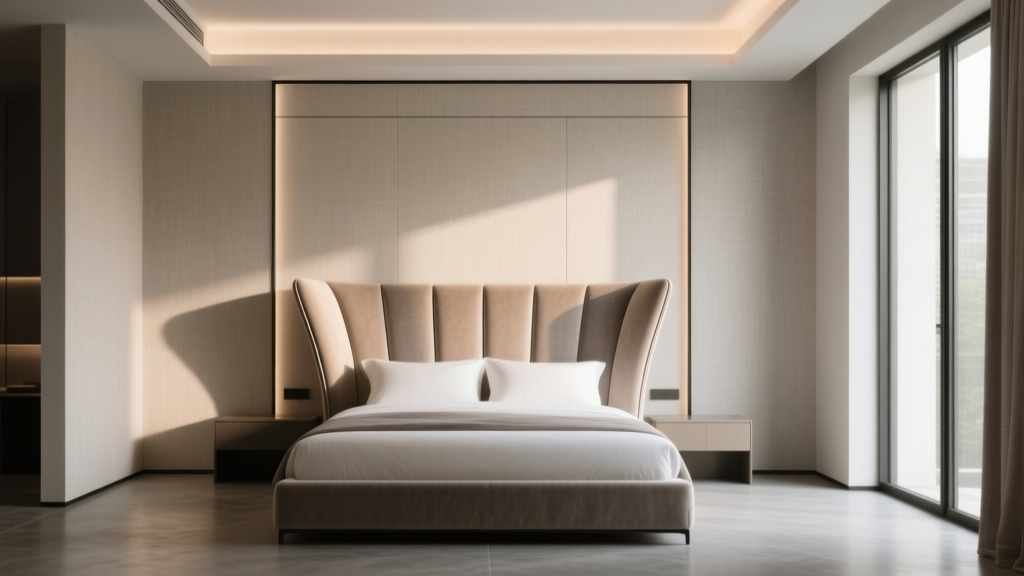 Bedroom Wingback Headboard Design - The Decor Mag
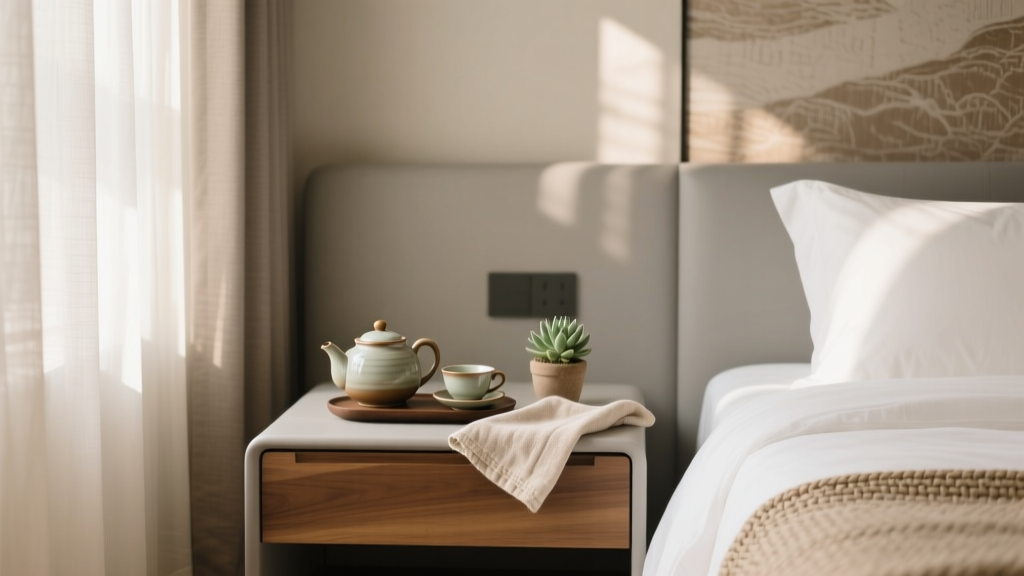 Best Bedroom Bedside Tea Setup - The Decor Mag
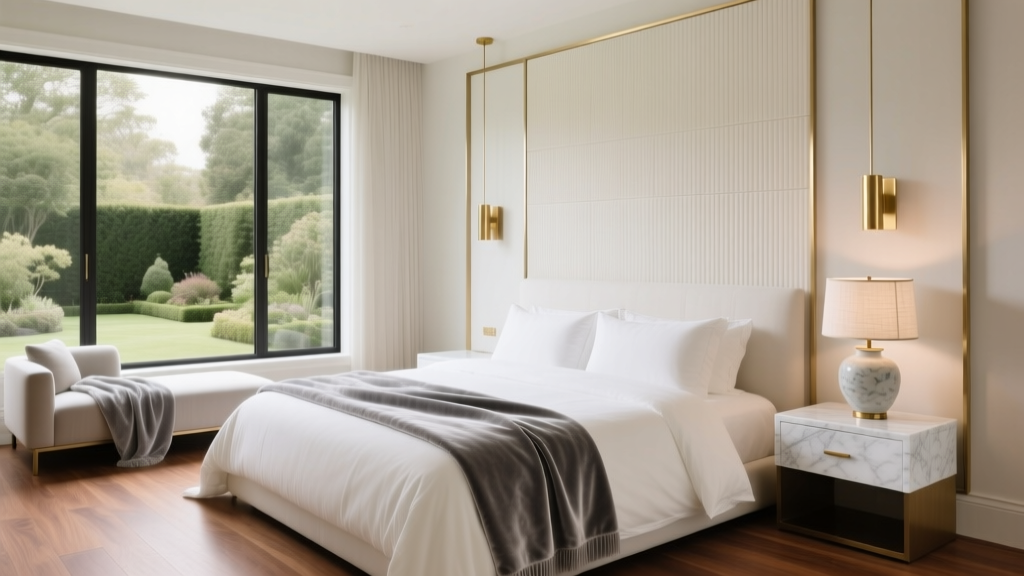 How to Create a Bedroom That Feels Luxurious - The Decor Mag
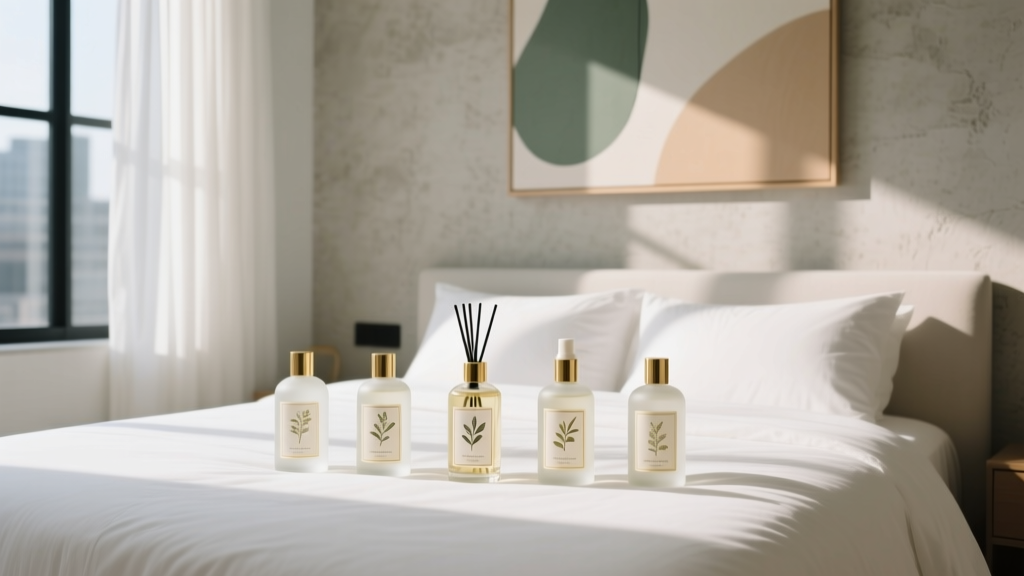 Best Bedroom Sleep Spray Collection - The Decor Mag
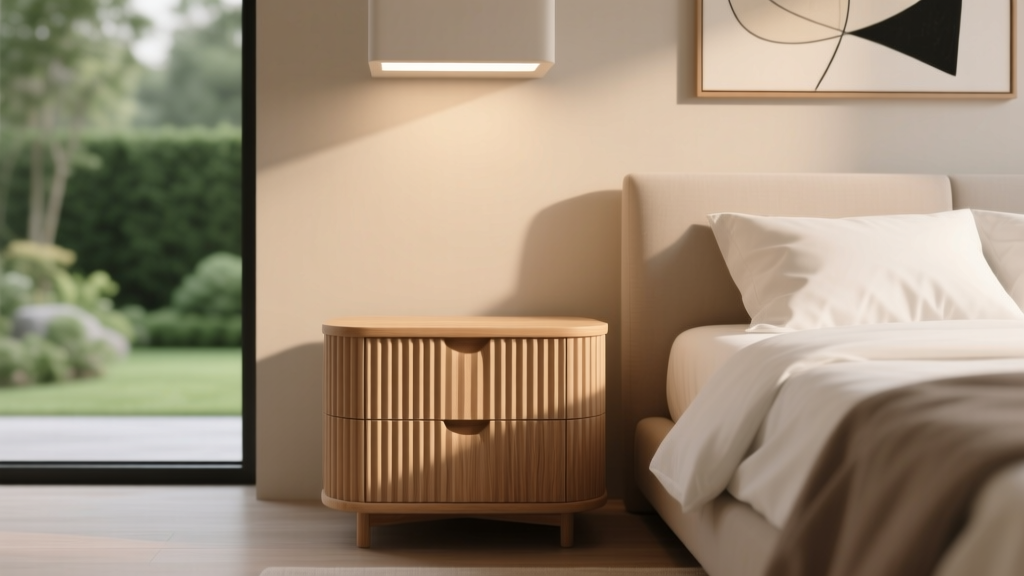 Bedroom Fluted Detail Bedside Table - The Decor Mag
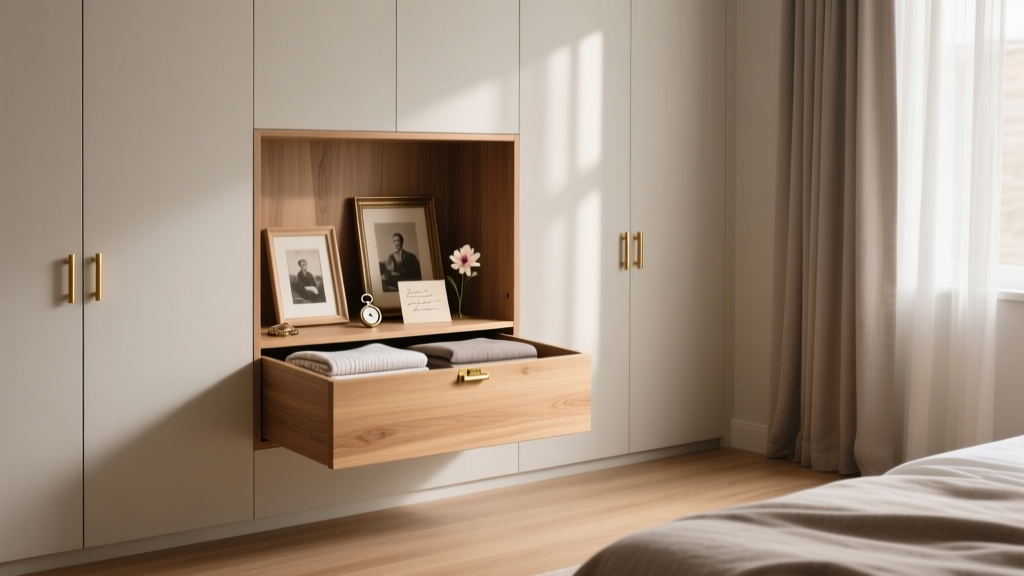 Best Bedroom Keepsake Box Storage - The Decor Mag
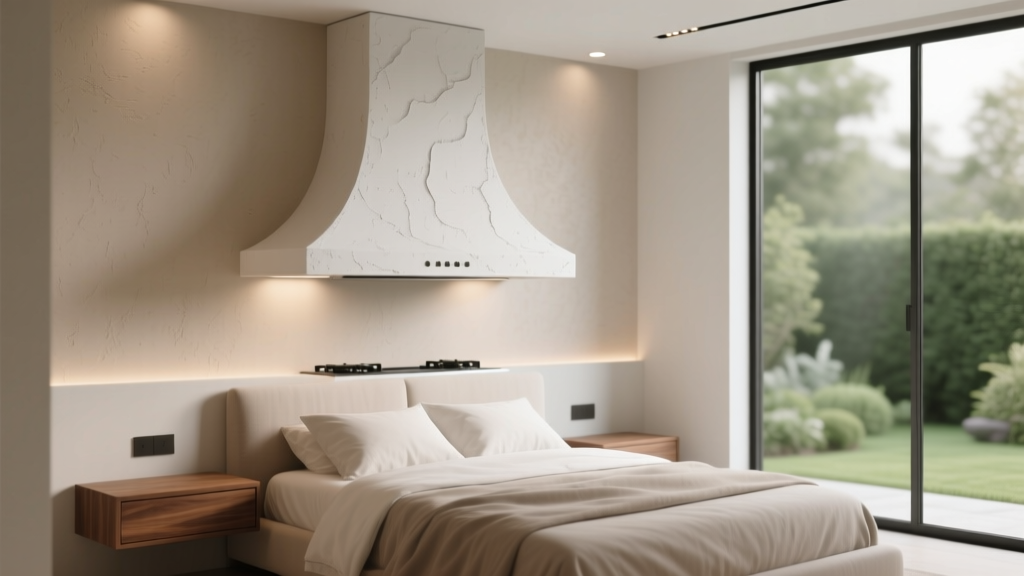 Plaster Range Hood Headboard for Bedrooms
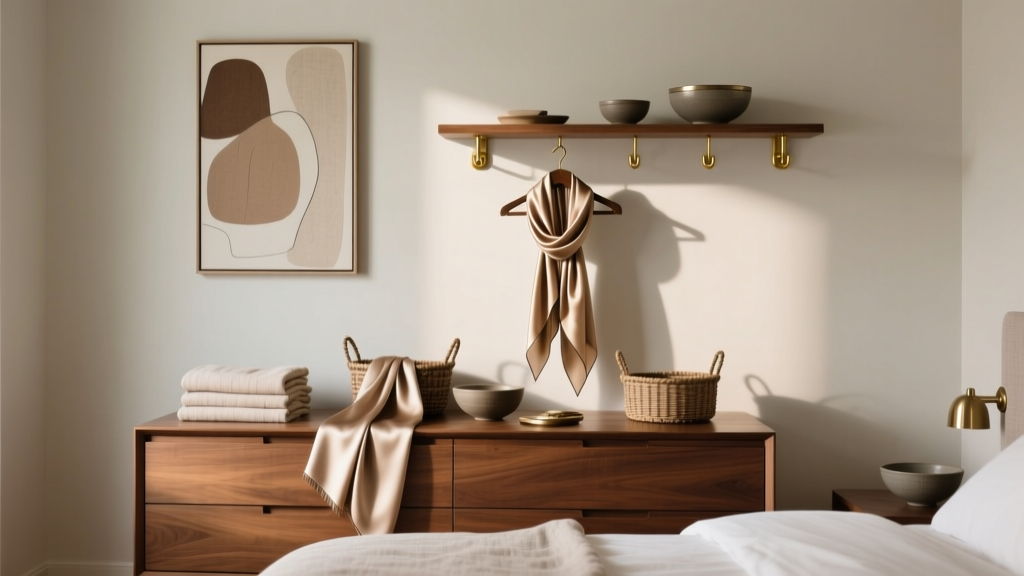 Best Bedroom Scarf and Accessory Storage - The Decor Mag
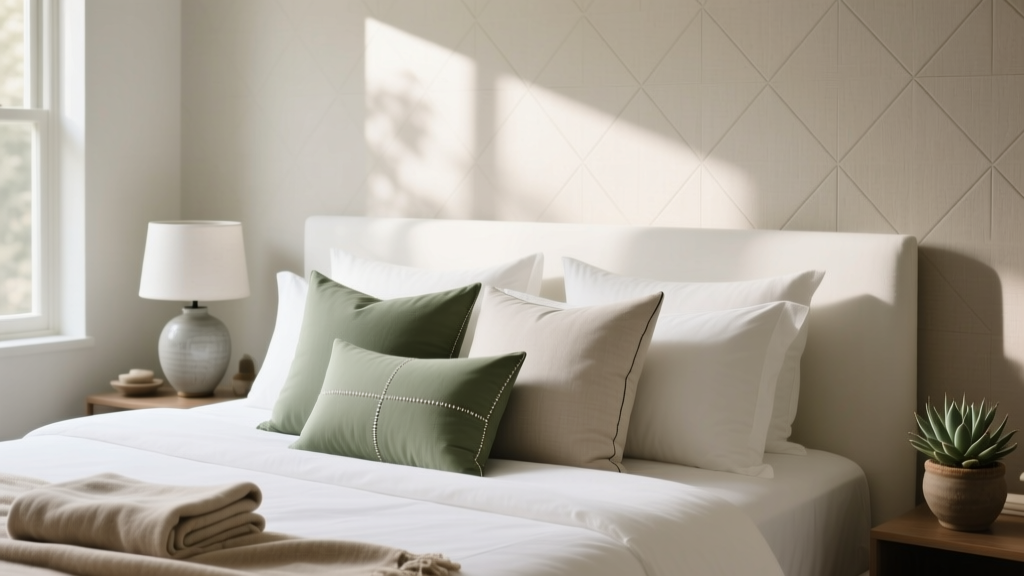 How to Choose Bedroom Euro Sham Size - The Decor Mag