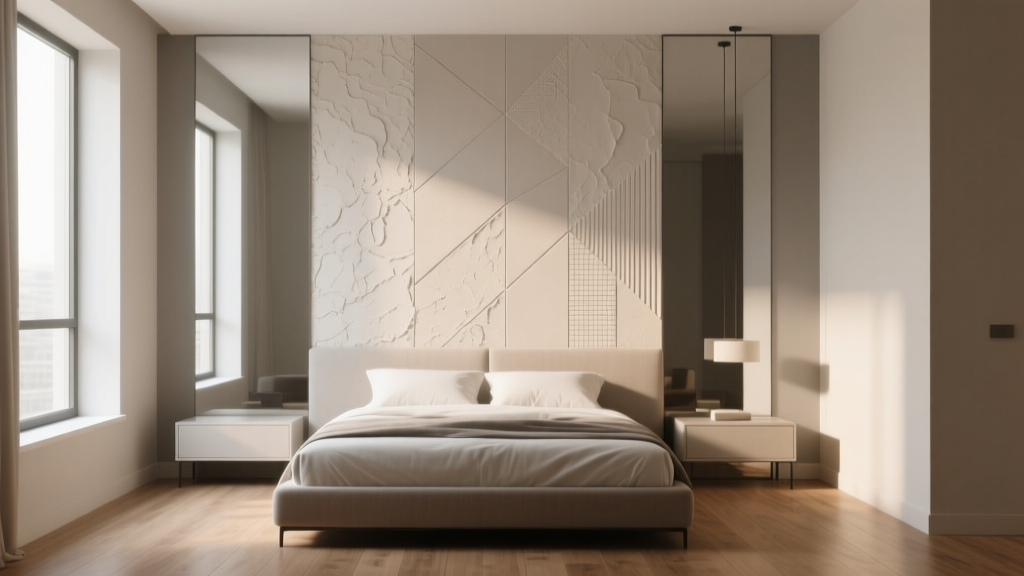
Bedroom Plaster Wall Treatment Ideas - The Decor Mag
The wall surfaces in your bedroom do more than “look nice.” They shape how the room feels at night—how calm your nervous system becomes when you turn off the lights, how cozy the space feels when you wake, and even how sound behaves when your head hits the pillow. Plaster wall treatments are especially powerful because they add gentle texture and depth without the visual busyness of heavy patterns. When done well, plaster creates a quiet, grounded backdrop that supports rest and relaxation.
There’s also a practical side: plaster finishes can help a bedroom feel warmer, more enveloping, and less echo-prone than flat painted drywall. Some plaster types (like lime plaster) naturally regulate moisture, which can make the sleep environment more comfortable—particularly if you’re dealing with stuffy winters or humid summers. Whether you’re a homeowner planning a full refresh or a renter looking for low-commitment options, these plaster wall treatment ideas can elevate bedroom design while keeping sleep quality front and center.
Why Plaster Works So Well in Bedroom Design (and Sleep)
Texture that calms rather than distracts
Soft, organic texture reads as “quiet” to the eye. Unlike busy wallpaper or high-contrast accent walls, plaster’s subtle movement helps a bedroom feel serene—an ideal setting for winding down.
Light diffusion for a softer nighttime mood
Plaster finishes scatter light slightly, which can reduce glare from bedside lamps and sconces. That matters for sleep hygiene: harsh brightness in the evening can keep your brain alert. A matte plaster finish paired with warm lighting often feels more restful than a glossy paint finish.
Potential acoustic benefits
While plaster isn’t a full soundproofing solution, textured finishes can reduce “pingy” reflections compared to ultra-smooth walls. In bedrooms with hardwood floors or minimal textiles, this subtle improvement can make the room feel calmer.
Plaster Wall Treatment Styles for Bedrooms
1) Venetian plaster for a luminous, hotel-like backdrop
Venetian plaster (often lime-based) is polished and layered, creating a depth that looks upscale without being loud. It’s a beautiful choice behind the bed where you want elegance and softness at the same time.
- Best for: Modern, minimalist, Mediterranean, and “quiet luxury” bedroom decor.
- Finish vibe: Smooth with gentle sheen (choose satin rather than high gloss for sleep-friendly softness).
- Ideal colors: Warm white, ivory, putty, pale taupe, muted clay.
- Budget range: DIY kits often run $80–$250 per wall; professional installation commonly ranges $12–$30+ per sq. ft. depending on region and complexity.
Sleep-friendly tip: If you’re sensitive to light, avoid highly reflective Venetian finishes on walls that face windows or lamps. A softer burnish reduces sparkle and keeps the mood more grounded at night.
2) Limewash or mineral plaster for breathable, matte calm
Limewash and mineral-based plasters offer a velvety, cloud-like look. They’re popular in cozy bedroom design because they feel earthy and natural, and they pair beautifully with linen bedding and wood furniture.
- Best for: Scandinavian, modern organic, cottage, boho, and coastal bedrooms.
- Finish vibe: Chalky, matte, softly variegated.
- Ideal colors: Bone, sand, warm greige, pale sage, dusty blush, soft clay.
- Budget range: DIY limewash paint products often land around $50–$150 per gallon (coverage varies by brand and surface); pros typically $6–$15 per sq. ft.
Wellness angle: Lime-based finishes can help manage moisture. If your bedroom tends to feel damp, this can support a more comfortable sleep environment (still pair with ventilation and a dehumidifier if needed).
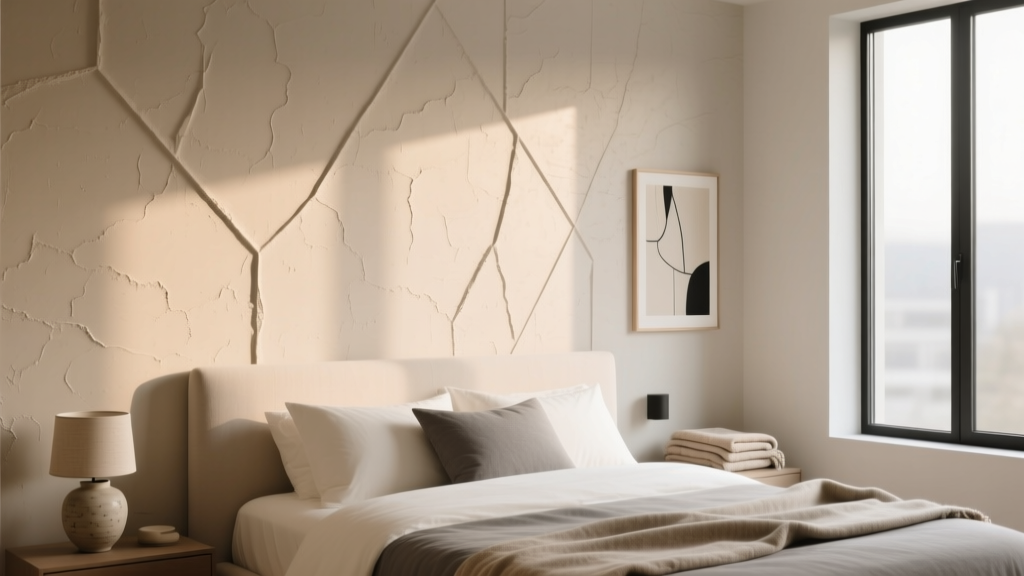
3) Textured plaster (skip trowel, sand swirl, or “old world”)
Textured plaster is more tactile and forgiving—ideal if your walls have small imperfections. It can make a large bedroom feel cozier and a plain room feel intentionally designed.
- Best for: Traditional, rustic, Spanish revival, or eclectic bedroom decor.
- Finish vibe: Visible texture, hand-applied movement.
- Ideal colors: Warm white, oatmeal, stone, muted terracotta, soft olive.
- Budget range: If you hire it out, expect roughly $5–$12 per sq. ft. depending on prep; DIY materials can be $60–$200 for a feature wall.
Sleep-friendly tip: Keep heavy texture away from areas you’ll brush against (tight walkways, behind nightstands). In a bedroom layout, comfort and ease of movement help the space feel more restful.
4) Microcement or concrete-look plaster for a modern, cocoon feel
If you love a contemporary bedroom, microcement-style plaster delivers a seamless, architectural look. It’s striking, but it can be softened with warm textiles and lighting.
- Best for: Industrial-modern, Japandi, contemporary, minimalist bedrooms.
- Finish vibe: Smooth to lightly mottled; typically matte or satin.
- Ideal colors: Warm gray, greige, mushroom, stone.
- Budget range: Often $10–$25 per sq. ft. professionally due to skill and sealing requirements.
Sleep-friendly tip: Balance cool-toned walls with warm elements: a wool rug, linen duvet, walnut or oak nightstands, and 2700K bulbs. The goal is a “calm cave,” not a cold showroom.
Where to Use Plaster in the Bedroom (Placement Ideas)
Feature wall behind the bed
A plaster headboard wall anchors the room without visual clutter. It’s one of the best bedroom wall treatment options because it frames the bed—the star of your sleep environment—while staying soothing.
- Works well with: Upholstered headboards, wood slat headboards, minimal platform beds.
- Recommended layout: Keep at least 24–30 inches of clearance on each side if possible for easy nighttime movement.
Full-room plaster for a true retreat feel
Using plaster on all walls creates an immersive, spa-like bedroom. If you’re sensitive to visual stimulation, this can feel especially calming because it reduces contrast and pattern changes.
- Best for: Bedrooms with simple trim and clean lines.
- Budget note: Full-room application is pricier; consider doing the bed wall first and expanding later.
Half-height plaster (wainscot effect) for renter-friendly flexibility
A half-wall plaster treatment visually grounds the room, making it feel cozy and intentional. Above it, you can use a simple washable paint for easy updates.
- Design tip: Keep the transition line at 42–48 inches for balanced proportions behind a bed and nightstands.
Sleep-Friendly Color Ideas for Plaster Bedroom Walls
Color is one of the fastest ways to influence mood. For a bedroom designed for better sleep, aim for low-saturation, warm or neutral tones that feel steady at night.
- Warm whites (ivory, cream, bone): Soft light reflection, easy to pair with any bedding palette.
- Greige and mushroom: Excellent for hiding wear and creating a cocooning feel.
- Muted clay and blush-beige: Warmth without the intensity of true terracotta or pink.
- Dusty sage and olive-gray: Nature-coded, calming, especially with wood furniture.
- Soft taupe: A reliable “sleepy” neutral that looks elegant with linen and wool.
Practical note: Test samples at night. Plaster and limewash can shift dramatically under warm bedside lighting versus daylight, and the evening mood is what matters most for sleep quality.
Furniture, Bedding, and Lighting Pairings That Make Plaster Shine
Furniture recommendations (calm silhouettes, grounded materials)
- Bed frame: Low-profile platform beds or simple upholstered frames. Budget: $300–$1,200.
- Nightstands: Solid wood or wood veneer with soft-close drawers to reduce nighttime noise. Budget: $120–$600 each.
- Dresser: Choose rounded edges or recessed pulls for a softer look against textured plaster. Budget: $400–$1,500.
Bedding that complements plaster texture
- Linen duvet cover: Breathable and visually aligned with plaster’s organic feel. Budget: $120–$350.
- Cotton percale sheets: Crisp, cool, great for hot sleepers. Budget: $60–$200.
- Wool or cotton blanket layer: Adds weight for comfort without overheating. Budget: $80–$300.
- Down-alternative insert: Easy care and consistent loft. Budget: $60–$250.
Lighting that flatters plaster and supports sleep hygiene
Lighting is a cornerstone of bedroom wellness. Plaster looks best under warm, layered light—and your circadian rhythm will thank you.
- Bedside sconces: Free up nightstand space and reduce glare when angled downward. Budget: $60–$250 each.
- Table lamps with linen shades: Diffuse light softly across plaster. Budget: $40–$200.
- Bulbs: Choose 2700K (or 2200K–2400K for extra warmth in the evening). Look for dimmable LEDs.
- Smart dimmer switch: Program a gradual dim 60–90 minutes before bed. Budget: $25–$80.
Wellness-Focused Tips: Make Plaster Part of a Better Sleep Environment
- Prioritize air quality during and after application: Ventilate well, and if you’re sensitive, choose low-VOC products. Plan plaster work when you can sleep elsewhere for 1–3 nights if odors or dust bother you.
- Keep the wall behind the bed visually quiet: Let plaster be the “art.” If you hang artwork, choose one large piece rather than a busy gallery wall.
- Layer soft materials to reduce echo: Pair plaster with a thick rug, lined curtains, and upholstered elements. A quieter room often feels more soothing.
- Use blackout window treatments if you’re light-sensitive: Plaster reflects light gently; that’s lovely, but you still want darkness for melatonin. Budget: $40–$200 for blackout curtains; $100–$350+ for blackout shades.
- Keep the palette cohesive: A limited palette (2–4 main colors) reduces visual stimulation and supports relaxation.
Renter-Friendly Plaster Wall Treatment Alternatives
If your lease limits renovations, you can still capture the look of plaster and improve bedroom decor for sleep.
- Removable plaster-look wallpaper: Choose matte, low-contrast patterns. Budget: $40–$120 per roll.
- Textured paint techniques (landlord-approved): Some mineral-look paints can mimic limewash; get written approval. Budget: $40–$150 in supplies for a feature wall.
- Large fabric wall hanging: Linen or cotton canvas creates softness similar to plaster and improves acoustics. Budget: $50–$250.
- Oversized headboard panel: Upholstered panels or wood panels leaned and secured safely can create depth without wall alteration. Budget: $150–$800.
Common Mistakes to Avoid
- Choosing high-gloss finishes in a bedroom: Shine can create glare at night and feel overstimulating. Matte to soft satin is usually best for a sleep-friendly bedroom.
- Skipping wall prep: Plaster highlights bumps in the wrong way if the surface is uneven. Fill cracks, sand, and prime as recommended for the specific plaster system.
- Going too dark without balancing the room: Deep plaster colors can be stunning, but they may feel heavy if you don’t add enough warm lighting and light bedding.
- Over-texturing small bedrooms: Heavy texture can visually “shrink” tight spaces. In small rooms, opt for finer texture or limewash-style movement.
- Forgetting bedside functionality: A gorgeous wall won’t help sleep if your layout is cramped. Ensure easy access to water, lighting controls, and charging.
- Not sampling under evening lighting: Plaster shifts with light direction and bulb warmth. Test at the times you actually use the room.
FAQ: Bedroom Plaster Wall Treatments
Is plaster good for bedrooms compared to regular paint?
Plaster can be excellent for bedrooms because it adds soft texture, reduces visual harshness, and often looks calmer than a flat painted wall. Some lime-based options may also help manage moisture, supporting a more comfortable sleep environment.
What’s the best plaster finish for a calming bedroom?
For most people, a matte limewash/mineral plaster look or a softly burnished Venetian plaster creates the most relaxing effect. Avoid high shine if glare bothers you at night.
How do I choose a plaster color that supports sleep?
Stick with low-saturation tones: warm whites, greige, taupe, muted clay, or dusty sage. Test swatches at night with your bedside lamps—color temperature and shadows change the look dramatically.
Can I do a plaster accent wall behind the bed as a DIY project?
Yes, many homeowners DIY a feature wall using plaster kits or mineral-look paints, especially if the goal is subtle texture rather than a flawless polished finish. Plan for prep time, practice on a sample board, and work in good ventilation.
How do I decorate a plaster wall without making it feel busy?
Choose fewer, larger items: one oversized art piece, a simple floating shelf, or sculptural sconces. Keep frames and finishes warm and minimal (oak, walnut, matte black, aged brass) to maintain a restful bedroom vibe.
Will plaster make my bedroom quieter?
Textured plaster can slightly reduce harsh reflections, but it won’t replace true soundproofing. For better bedroom acoustics, pair plaster with a rug pad, upholstered headboard, curtains, and weatherstripping around doors.
Actionable Next Steps for a Rest-Ready Plaster Bedroom
- Pick your placement: Start with the wall behind the bed for the biggest impact with the least cost.
- Choose a finish: Matte limewash for soft calm, Venetian for subtle elegance, or light texture for cozy warmth.
- Select a sleep-friendly color: Warm neutral or muted earth tone, tested under evening lighting.
- Plan lighting upgrades: Add dimmable warm bulbs and consider sconces to flatter texture and reduce glare.
- Balance with textiles: Linen, wool, cotton, and a plush rug create a bedroom design that feels quiet, comfortable, and supportive of sleep quality.
If you’re ready to keep refining your sleep space, explore more calming bedroom decor ideas and wellness-forward design guides on thedecormag.com.
More Articles
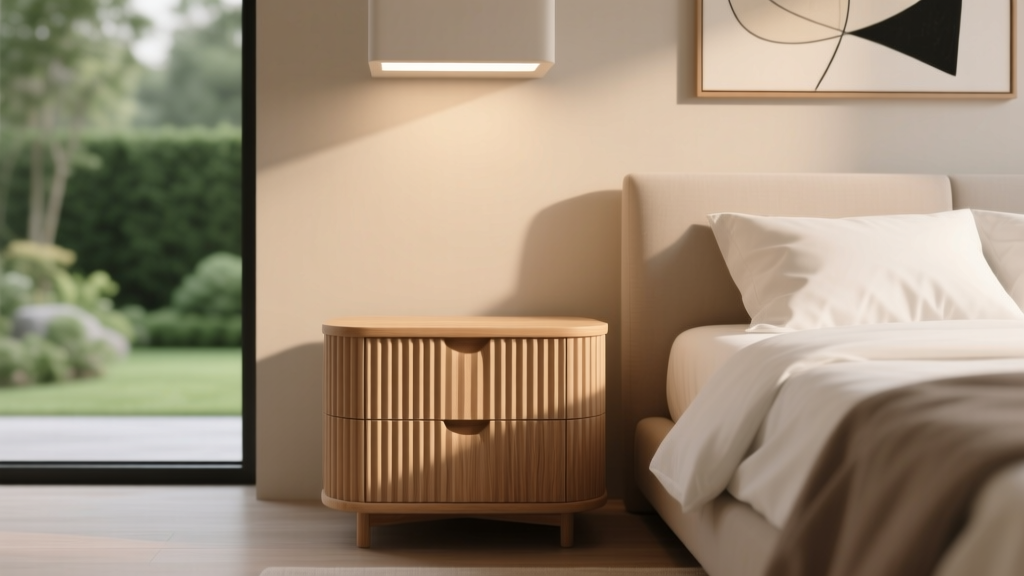 Bedroom Fluted Detail Bedside Table - The Decor Mag
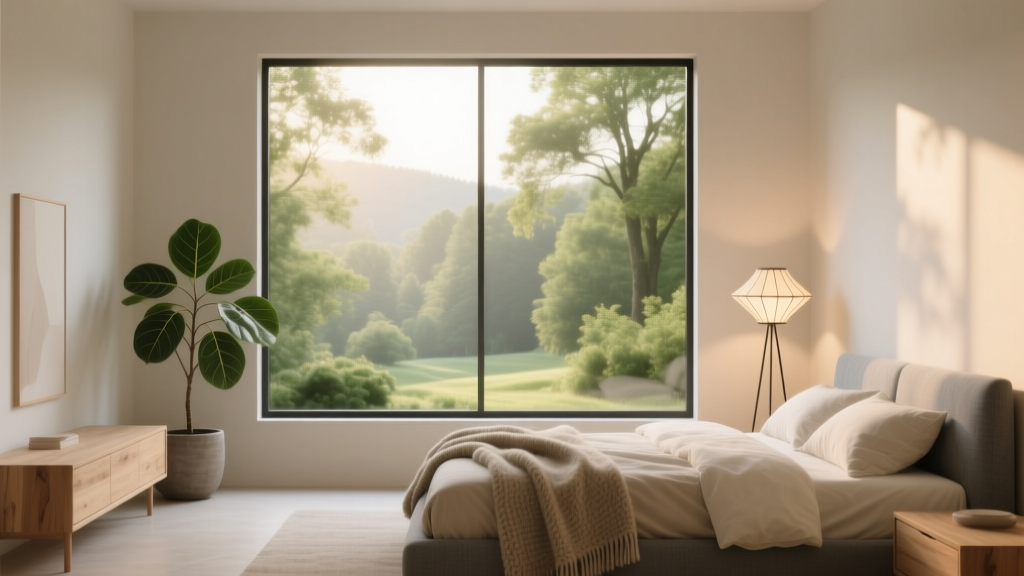 How to Style a Bedroom Around a View - The Decor Mag
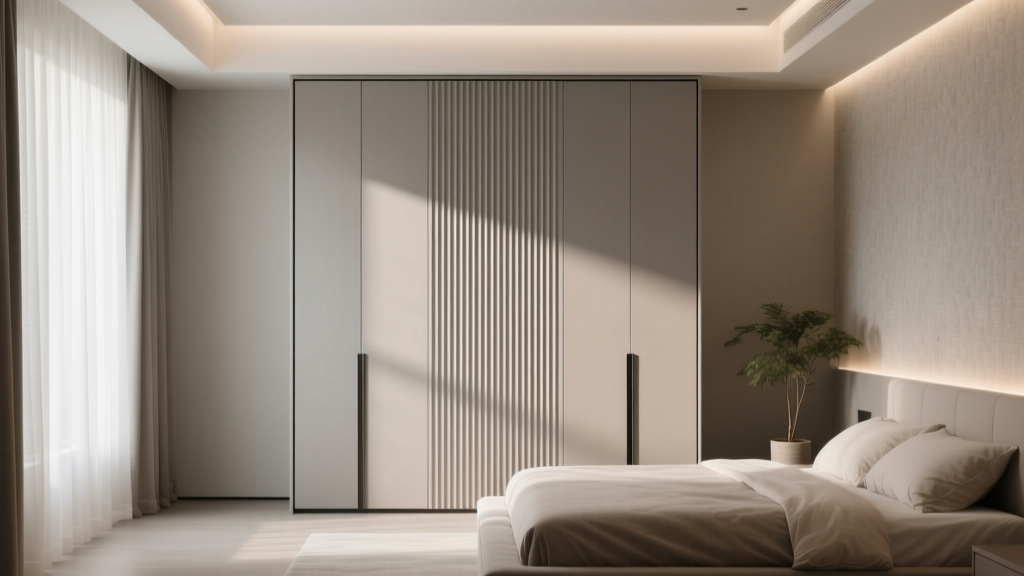 Bedroom Fluted Panel Wardrobe Design - The Decor Mag
 Best Bedroom Dream Journal Setup - The Decor Mag
 Bedroom Curved Nightstand Design Trend - The Decor Mag
 Bedroom Layout Common Mistakes: What 92% of Homeowners Get Wrong (And How to Fix Them)
 Bedroom Textured Plaster Headboard Wall - The Decor Mag
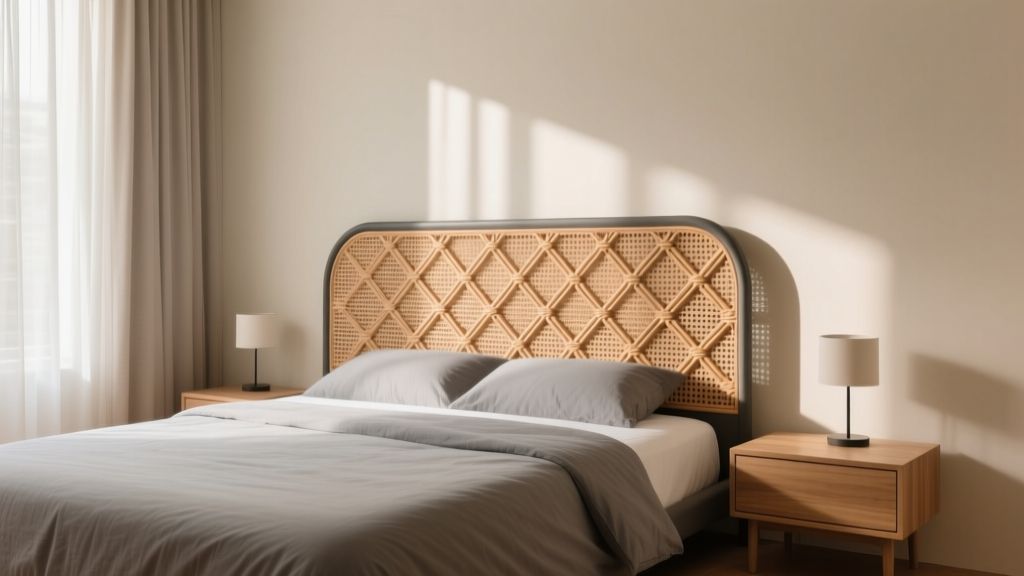 Bedroom Cane Webbing Headboard Ideas - The Decor Mag
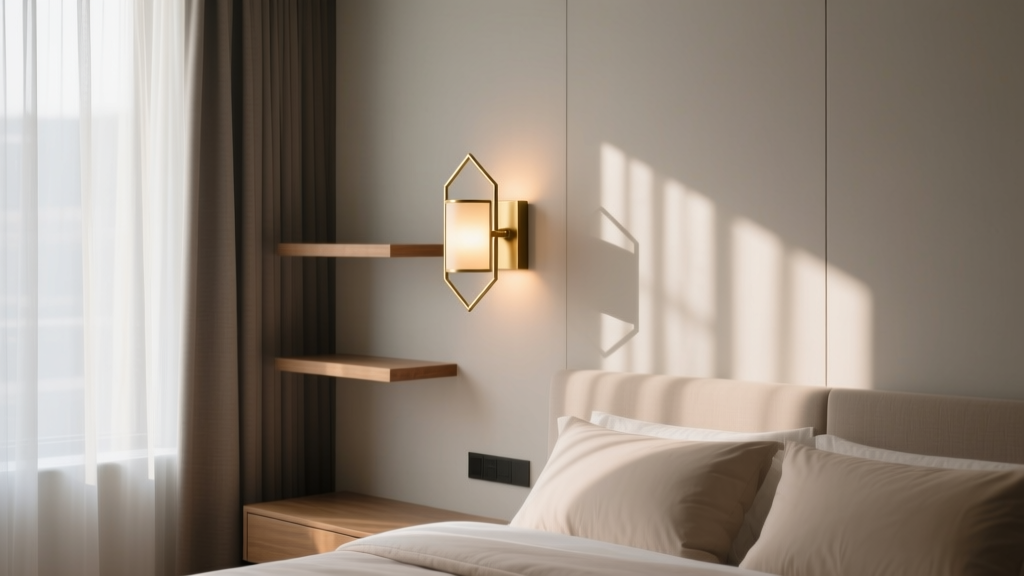 Best Bedroom Sconce Lighting Options - The Decor Mag
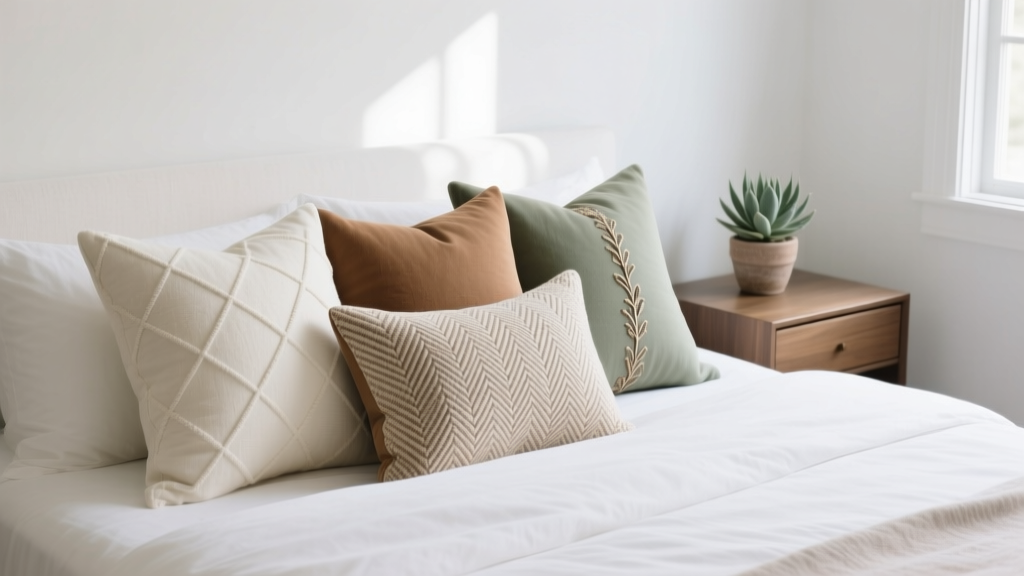 Best Bedroom Throw Pillow Combinations - The Decor Mag