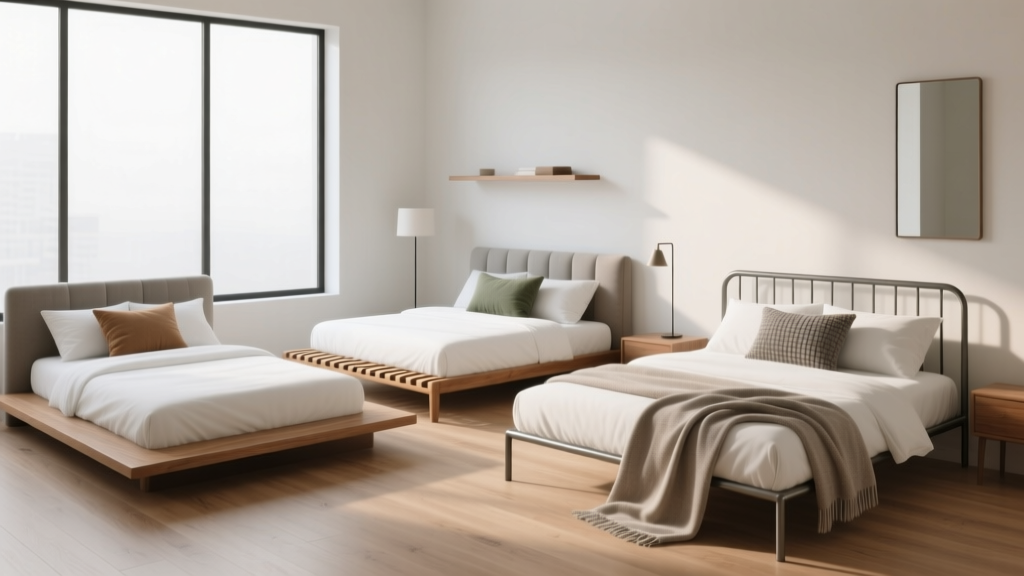
How to Choose the Right Bed Frame - The Decor Mag
Your bed frame does more than hold a mattress. It anchors the entire bedroom design, affects airflow and cleanliness, and can even influence how supported and settled you feel at night. When a frame is too squeaky, too low, too cramped for your room, or incompatible with your mattress, sleep gets disrupted in small but meaningful ways—extra wake-ups, discomfort, and that lingering sense that your space never fully relaxes you.
A calming sleep environment is built from practical choices: stable furniture, thoughtful layout, soft lighting, and materials that feel good to live with. Choosing the right bed frame is one of the most impactful steps because it shapes everything around it—nightstands, rugs, lighting placement, storage, and the visual “weight” of the room.
This guide breaks down bed frame types, sizing, materials, and wellness-minded details so homeowners and renters can make a confident choice that supports both bedroom decor and better sleep.
Start With Your Sleep Needs and Bedroom Design Goals
Before comparing styles, clarify what you need from the bed frame. The best choice is the one that supports your body, your space, and your daily routines.
Ask yourself these quick questions
- Do you wake easily? Prioritize a quiet, sturdy frame with minimal movement and quality joints.
- Do you need storage? Consider a platform with drawers or a lift-up storage bed (especially helpful in small bedrooms and rentals).
- Do you run warm? Choose a frame that allows airflow under the mattress (raised platform or slatted base with clearance).
- Do you read in bed? A supportive upholstered or wood headboard can improve comfort and posture.
- Is your bedroom compact? Look for slimmer profiles, lighter colors, and leggy designs that keep the room feeling open.
Sleep-friendly target: stability + quiet
A bed frame that creaks or shifts can fragment sleep, even if you don’t fully wake. Look for frames with:
- Center support (especially for queen/king sizes)
- Thick, well-finished slats or a solid platform
- Reinforced corner joints
- Non-slip padding between frame and slats (or slats that screw in)
Choose the Right Bed Frame Type
Bed frames fall into a few main categories. Each supports a different balance of aesthetics, mattress compatibility, storage, and price.
Platform bed frames
Platform beds use a slatted base or solid platform, so you typically don’t need a box spring. They’re popular for modern bedroom design because they look clean and grounded.
- Best for: Memory foam, latex, hybrid mattresses; minimalist and modern decor
- Pros: Streamlined look, strong support, often quieter
- Consider: Slat spacing should usually be under 3 inches for foam mattresses (check your mattress warranty)
Budget range: $200–$600 (basic); $700–$1,800 (solid wood, premium upholstery, high-end hardware)
Traditional bed frame + box spring (or foundation)
This is the classic metal frame that holds a box spring/foundation and mattress. It’s practical and easy to move—often a strong choice for renters.
- Best for: Innerspring mattresses; flexible setups; frequent movers
- Pros: Light, affordable, easy to replace parts
- Consider: Less design presence unless paired with a headboard/footboard
Budget range: $60–$250 (frame); $150–$400 (foundation)
Upholstered bed frames
Upholstered frames soften the room visually and physically—helpful in bedrooms meant for winding down. They reduce the chance of bumping into sharp corners in tighter layouts.
- Best for: Cozy, layered bedroom decor; reading in bed
- Pros: Comfortable headboard, sound-dampening feel, warm look
- Consider: Choose performance fabric (tight weave) if you have pets; keep airflow in mind
Budget range: $300–$900 (midrange); $1,000–$3,000 (designer upholstery, hardwood frame)
Storage beds (drawers or lift-up)
If you’re short on closet space, a storage bed can be a layout solution that reduces clutter—one of the most underrated sleep wellness upgrades.
- Best for: Small bedrooms, shared closets, studio apartments
- Pros: Less visual clutter, fewer extra dressers, more organized sleep environment
- Consider: Drawer clearance (need space beside the bed); lift-up mechanisms should feel smooth and secure
Budget range: $500–$1,200 (drawer storage); $900–$2,500 (quality lift-up)
Adjustable bases (paired with compatible frames)
An adjustable base isn’t a “frame” in the traditional sense, but it can dramatically improve comfort for snoring, reflux, back pain, or reading in bed. Many people pair it with a compatible platform or upholstered frame designed to hide the base.
- Best for: Wellness-focused sleepers, chronic pain, snoring, lounging
- Pros: Custom positions, better circulation, lifestyle comfort
- Consider: Mattress must be adjustable-friendly; check frame clearance
Budget range: $500–$1,500 (basic); $1,500–$3,500+ (massage, wall-hugger, smart features)
Get the Size and Proportions Right
A bed frame can make a room feel serene—or crowded. Bedroom layout and scale matter as much as style.
Room clearance guidelines
- Keep 24–30 inches of walking space on the sides you use most.
- Aim for 36 inches at the foot of the bed if it’s a main pathway.
- If you want nightstands on both sides, measure for the bed width plus at least 18–24 inches per nightstand.
Frame height and sleep comfort
The “right” height is personal, but most people find getting in and out of bed easiest when the top of the mattress sits around 22–25 inches from the floor. Consider:
- Lower frames feel modern and calming, but may be harder on knees/hips.
- Higher frames create more under-bed storage and can feel more traditional.
Pick Materials That Match Your Lifestyle (and Your Sleep Environment)
Material choices affect longevity, noise, allergens, and how your bedroom decor reads visually.
Solid wood
- Look and feel: Warm, grounding, timeless
- Best species for durability: Oak, maple, walnut, beech
- Sleep-friendly perk: Often quieter and more stable than lightweight composites
Price range: $700–$3,000+ depending on wood and construction
Engineered wood (plywood/MDF/veneers)
- Look and feel: Can look great, especially with quality veneers
- Best for: Budget-friendly bedroom design updates
- Watch for: Thin panels, weak hardware, and wobble over time
Price range: $200–$900
Metal frames
- Look and feel: Airy, classic, or industrial depending on design
- Best for: Renters; vintage-inspired decor; easy moving
- Sleep-friendly tip: Choose thicker gauge metal and secure joints to reduce squeaks
Price range: $120–$800
Upholstery (linen blends, boucle, velvet, performance fabric)
- Look and feel: Soft, cozy, sound-absorbing
- Best for: Creating a relaxing bedroom atmosphere
- Choose: Performance fabric for stain resistance; tightly woven fabric for pet hair control
Price range: $300–$3,000+
Low-VOC and allergy-aware choices
For a healthier sleep environment, look for:
- Low-VOC finishes and adhesives (especially with engineered wood)
- Solid wood with water-based finishes when possible
- Easy-to-clean surfaces if you’re dust-sensitive
Make Sure Your Mattress and Frame Are Compatible
Mismatching a mattress and base can reduce comfort and shorten mattress life.
Check these compatibility details
- Slat spacing: Foam and latex usually need closer slats (often < 3 inches). Wider gaps can cause sagging.
- Center support: Queen and larger typically need a center rail with at least one support leg (more is better).
- Weight capacity: Consider combined weight of sleepers + mattress, especially for memory foam and hybrids.
- Edge support: If you sit on the edge often, choose a frame with strong perimeter rails and minimal flex.
Design Recommendations: Style, Color, Lighting, and Layout That Support Rest
Once the structure is right, the frame becomes the design anchor. These choices help the room feel calmer and more sleep-friendly.
Furniture pairings that work with most bed frames
- Nightstands: Top surface roughly level with the top of your mattress (or up to 2 inches higher).
- Rug sizing: For queen beds, try an 8' x 10' rug under the front 2/3 of the bed. For king beds, consider 9' x 12'.
- Bench or ottoman: At the foot of the bed for a “landing spot” that reduces chair clutter.
Lighting choices for a better sleep environment
- Bedside lamps or sconces: Warm bulbs (around 2700K) for a softer wind-down.
- Dimmers: One of the simplest upgrades for sleep-friendly lighting.
- Layered light: Overhead + bedside + one low ambient source (like a floor lamp) keeps evenings gentle.
Colors and finishes that feel restful
- Best calming palette: Warm whites, soft greige, muted sage, dusty blue, clay-tinted neutrals.
- Frame color tip: Dark frames feel grounding but can look heavy in small bedrooms; lighter woods and soft upholstery help the room breathe.
- Texture balance: Pair a wood or metal frame with soft bedding (linen, cotton percale, washed cotton) to reduce visual sharpness.
Layout tips that make the room feel quieter
- Center the bed on the main wall when possible to create symmetry and reduce visual busyness.
- Avoid blocking windows with tall headboards if your room feels dim; consider a lower profile frame.
- Keep pathways clear—less “navigation stress” at night supports relaxation.
Budget Planning: What You Get at Different Price Points
Most people can find a sturdy, attractive frame at nearly any budget. The difference is usually in materials, hardware, and long-term stability.
- $100–$250: Basic metal frames and simple platform frames. Look for extra center support and reviews mentioning “no squeaks.”
- $250–$600: Stronger platforms, better upholstered options, improved finishes. Great value zone for renters and first-time upgrades.
- $600–$1,500: Solid wood options, higher-quality upholstery, storage beds with smoother hardware.
- $1,500–$3,500+: Premium craftsmanship, designer silhouettes, heirloom woods, luxury upholstery, and advanced storage/adjustable compatibility.
Common Mistakes to Avoid
- Choosing style over stability: A beautiful frame that wobbles will undermine sleep quality.
- Forgetting center support: Especially with queen/king sizes—this is a top cause of sagging and squeaks.
- Ignoring slat spacing: Foam mattresses can fail faster on widely spaced slats.
- Buying too large for the room: A cramped layout increases stress and makes the bedroom feel less restorative.
- Not measuring doorways and stairs: Headboards and one-piece side rails can be difficult in tight entries.
- Skipping a headboard when you need comfort: If you sit up in bed often, a supportive headboard prevents pillow-piling and neck strain.
Sleep Wellness Tips That Pair Well With the Right Bed Frame
A supportive bed frame is the foundation; a few complementary choices help turn the bedroom into a true sleep sanctuary.
- Reduce noise: Add felt pads at contact points, tighten bolts every 3–6 months, and use a rug under the bed area to dampen sound.
- Support circadian rhythm: Use warm, dimmable lighting in the evening and keep brighter light earlier in the day.
- Manage allergens: If your frame has under-bed clearance, vacuum regularly; consider a low-profile storage solution if dust is a concern.
- Keep the space visually calm: Limit under-bed clutter if it’s visible—what you see before sleep shapes how settled you feel.
FAQ: Choosing a Bed Frame
Do I need a box spring with a platform bed?
Usually no. Most platform bed frames are designed to support the mattress directly with slats or a solid base. Always check the frame instructions and your mattress warranty requirements for slat spacing and support.
What’s the best bed frame for a small bedroom?
Look for a slim-profile platform bed or a storage bed that replaces a dresser. Frames with legs (visible clearance) can make tight rooms feel more open, while lighter wood tones and soft upholstery keep the visual weight low.
How can I stop my bed frame from squeaking?
Tighten all bolts, add felt or rubber washers at metal-on-metal contact points, and make sure the frame sits level. A rug can reduce shifting on smooth floors. If squeaks persist, the issue is often weak center support or thin slats.
Is an upholstered bed frame harder to keep clean?
It can be, but performance fabrics and tightly woven upholstery make maintenance easier. Vacuum the headboard and rails regularly using an upholstery attachment, and treat spills quickly with a fabric-safe cleaner.
What bed frame material lasts the longest?
Well-constructed solid wood frames (oak, maple, walnut) and high-quality metal frames tend to last the longest. Longevity depends on joinery, hardware quality, and proper center support as much as the material itself.
Can I use an adjustable base with any bed frame?
Not always. Many adjustable bases fit inside “zero clearance” platform or upholstered frames, but you’ll need to confirm interior dimensions and compatibility. Your mattress must also be adjustable-friendly (most foam and many hybrids are).
Next Steps: A Bed Frame Choice You’ll Feel Good About Night After Night
Choose a bed frame the same way you’d choose any wellness-supporting investment: start with stability, match it to your mattress, then refine the look to suit your bedroom decor. Measure your room, confirm support requirements (especially slats and center legs), and select materials that align with your lifestyle—quiet, durable, and easy to live with.
If you’re ready to keep improving your sleep environment, explore more calming bedroom design ideas, layout tips, and decor guides on thedecormag.com.
More Articles
 Best Bedroom Journal and Book Nightstand - The Decor Mag
 How to Organize Your Bedroom Closet - The Decor Mag
 Small Bedroom Layout Hacks for Apartments (2026)
 How to Create a Bedroom That Feels Timeless - The Decor Mag
 How to Choose Bedroom Pillow Insert Fill - The Decor Mag
 Bedroom Lighting Ideas for Soothing Ambiance (2026)
 Best Bedroom Bedside Notebook and Pen - The Decor Mag
 How to Create a Bedroom That Feels Luxurious - The Decor Mag
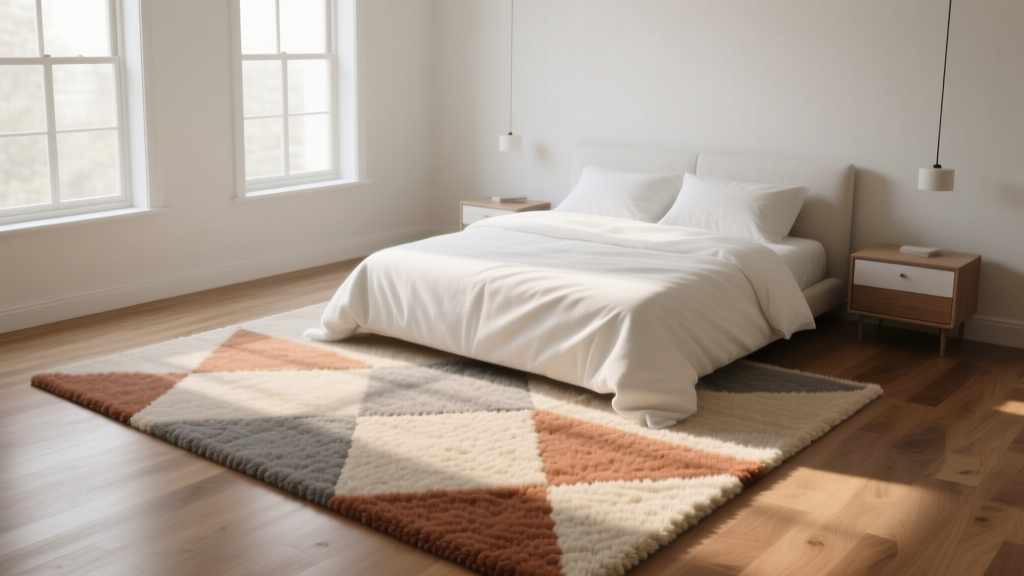 Best Bedroom Rugs for Underfoot Comfort (2026)
 How To Start Living Room Ideas: A Practical, Step-by-Step Framework for Real Homes