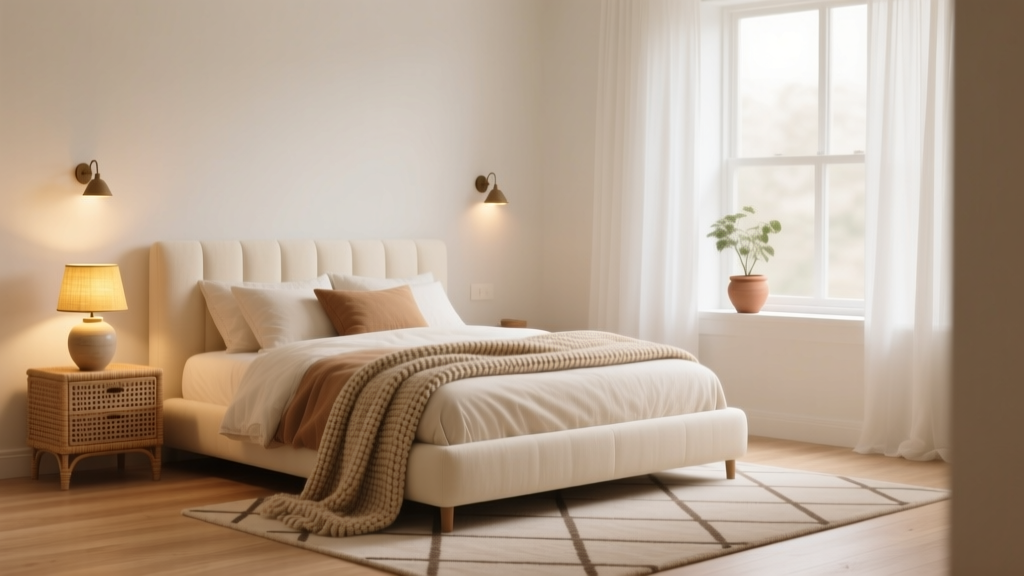
How to Create a Bedroom That Feels Warm - The Decor Mag
A warm bedroom isn’t only about temperature—it’s about the feeling you get when you walk in and your shoulders drop. That sense of comfort can directly support sleep quality by helping your nervous system shift out of “busy day” mode and into rest. When your bedroom design feels inviting, consistent, and calm, your brain learns to associate the space with winding down, which can make falling asleep easier and nighttime wake-ups less disruptive.
Warmth also matters for wellbeing because it encourages better habits: reading instead of scrolling, dimming lights earlier, keeping the room tidy, and choosing bedding that actually suits your sleep style. The goal is a sleep-friendly bedroom that feels cozy, grounded, and personal—without becoming cluttered or overly dark.
Below you’ll find practical, design-forward ways to create a warm bedroom using color, lighting, textures, layout, and wellness-focused choices. Whether you rent a studio or own a home, these upgrades can make your sleep environment feel noticeably more restful.
What “Warm” Means in Bedroom Design
Warmth is a mix of visual cues and physical comfort. You can think of it as three layers:
- Visual warmth: cozy bedroom colors (warm neutrals, earthy tones), soft contrast, inviting decor.
- Tactile warmth: comfortable bedding, layered textiles, rugs, curtains, and materials that feel good to touch.
- Emotional warmth: lighting that flatters, personal touches, and a layout that feels safe and uncluttered.
A warm bedroom doesn’t have to be “dark,” “rustic,” or “boho.” It can be modern, minimal, classic, or eclectic—what matters is how the space supports relaxation.
Start With a Sleep-Friendly Layout (Warmth Begins With Flow)
Before you buy anything, make sure the room functions well. A room that feels cramped, chaotic, or awkwardly arranged rarely feels warm—no matter how pretty the bedding is.
Simple layout adjustments that change everything
- Anchor the bed: Place the bed on the largest, most solid wall if possible. A clear focal point makes a bedroom feel grounded.
- Create breathing room: Aim for at least 24–30 inches of walking space on at least one side of the bed (more if you can).
- Balance both sides: Matching nightstands aren’t required, but balanced visual “weight” on each side feels calmer for the brain.
- Keep the sleep zone clear: Avoid placing work desks right next to the bed. If you must, use a divider, curtain, or shelving to separate zones.
Budget-friendly layout helpers
- Area rug (5x8 or 6x9 for a queen bed): $80–$300 for budget synthetics; $300–$900 for wool blends.
- Room divider curtain track: $30–$120 to visually separate a sleeping area in small spaces.
Choose Warm Bedroom Colors That Soothe (Not Stimulate)
Color influences how restful a space feels. Warmer tones often read as cozy and cocooning, but the best bedroom color palette is one that lowers visual “volume.” If your room is already small or low-light, choose warm colors with softer undertones rather than intense saturation.
Sleep-supportive warm palettes to try
- Warm whites: cream, ivory, linen-white (helps the room feel clean but not stark).
- Earthy neutrals: taupe, camel, sand, mushroom (great for renters using decor rather than paint).
- Muted clay tones: terracotta, cinnamon rose, dusty coral (use as an accent wall or textiles).
- Warm greens: olive, sage with yellow undertones (calming and nature-linked).
Where to add color for maximum warmth
- Walls: If you can paint, choose a warm neutral in an eggshell finish for softness.
- Textiles: If you rent, bring warmth through duvet covers, throws, curtains, and rugs.
- Wood tones: Mid-tone oak, walnut, and warm bamboo instantly cozy up a room.
Budget range: Paint and supplies typically run $60–$180 for a standard bedroom. Removable wallpaper or peel-and-stick murals range from $50–$250+ depending on coverage and quality.
Layer Cozy Bedding Like a Designer (Without Overheating)
Bedding is the fastest way to make a bedroom feel warm. It’s also one of the most important factors in sleep comfort—fabric breathability and temperature regulation can determine whether you sleep through the night.
The warm-and-sleep-friendly bedding formula
- Base layer: breathable sheets (cotton percale for hot sleepers; cotton sateen for a warmer feel; linen for year-round airflow).
- Mid layer: a lightweight quilt or blanket for weight without excess heat.
- Top layer: duvet with a cover in a soft, comforting texture (washed cotton, linen, or bamboo-viscose blends).
- Finish: a throw at the foot of the bed for visual warmth and easy temperature adjustments.
Material recommendations (what feels warm vs. what sleeps warm)
- Flannel: feels instantly warm; best for colder climates or winter. Can trap heat for hot sleepers.
- Washed cotton: cozy texture, breathable; excellent all-season choice.
- Linen: relaxed and warm-looking, but actually cool and moisture-wicking—great for night sweats.
- Wool: ideal for temperature regulation; consider a wool blanket or wool duvet insert.
- Down alternative: budget-friendly warmth; look for breathable shells to reduce overheating.
Smart spending: what to upgrade first
- Pillows that match your sleep position: $40–$150 each (side sleepers often need higher loft; back sleepers medium loft).
- Duvet insert: $80–$350 (wool and high-quality down cost more but regulate temperature well).
- Sheets: $60–$220 (quality cotton or linen is worth it for comfort and durability).
Use Warm Lighting to Signal Rest (Your Sleep Environment’s Secret Weapon)
Lighting is one of the most powerful tools for creating a warm bedroom and protecting sleep quality. Bright, cool-toned light in the evening can delay melatonin release and make it harder to wind down. Warm, dimmable light helps your brain transition toward sleep.
Lighting checklist for a cozy, sleep-friendly bedroom
- Switch to warm bulbs: Aim for 2200K–2700K for evening lamps. Avoid 4000K+ in the bedroom at night.
- Add dimmers: Plug-in dimmers for lamps ($10–$25) or wall dimmers ($20–$60 plus installation).
- Layer your lighting: overhead light + bedside lamps + a low glow (like a floor lamp or wall sconce).
- Keep light low near bedtime: a small amber night light ($10–$30) can reduce harsh nighttime brightness.
Product types that instantly warm up a bedroom
- Bedside lamps with fabric shades: fabric diffuses light softly, reducing glare. $30–$200 each.
- Wall sconces (hardwired or plug-in): frees nightstand space and creates a boutique-hotel feel. $40–$250 each.
- LED strip behind a headboard: choose warm-white only and keep it dim. $15–$60.
Bring in Texture: The Fastest Way to Make a Bedroom Feel Warm
Even a neutral bedroom can feel cozy when you add tactile contrast. Texture also adds visual depth, which reads as warmth without needing bold colors.
Textures that create instant comfort
- Rugs: wool, wool-blend, or plush low-pile for softness underfoot.
- Window treatments: linen-blend curtains, velvet drapes for extra insulation, or layered sheers + drapes.
- Upholstery: an upholstered headboard, a boucle bench, or a soft accent chair.
- Natural materials: rattan baskets, wood nightstands, ceramic lamps, woven trays.
Easy layering ideas (even for small bedrooms)
- Add a bench at the foot of the bed: $90–$400 (storage benches are especially useful).
- Use two different pillow textures: e.g., crisp cotton shams + velvet or knit lumbar pillow.
- Style a tray on the nightstand: keeps items contained, reducing visual clutter.
Furniture Choices That Feel Warm, Not Cold
Warmth often comes down to shapes and finishes. Ultra-glossy surfaces, sharp edges, and overly industrial materials can read as “cold” in a sleep space. Softer silhouettes and warmer finishes help the bedroom feel more relaxed.
Furniture recommendations for a warm bedroom
- Wood or wood-look nightstands: oak, walnut, acacia, or warm-toned veneers.
- Upholstered headboard: linen, performance fabric, or velvet for softness and sound absorption.
- Rounded edges: curved nightstands or an arched headboard softens the room visually.
- Closed storage: dressers with drawers reduce clutter and make the room feel calmer.
Budget ranges (good, better, best)
- Nightstands: $60–$150 (budget), $150–$350 (mid-range), $350–$800+ (heirloom/hardwood).
- Headboards: $120–$250 (basic), $250–$600 (quality upholstery), $600–$1,500+ (premium/custom).
- Dressers: $200–$500 (budget), $500–$1,200 (mid-range), $1,200–$3,000+ (solid wood).
Warmth That Supports Sleep Wellness: Air, Sound, and Scent
A cozy bedroom isn’t truly cozy if it’s stuffy, noisy, or irritating. Comfort is sensory, and sleep quality depends on the room’s overall environment.
Air and temperature (the comfort sweet spot)
- Keep the room cool for sleep: many people sleep best around 60–67°F (15.5–19.5°C), then add warmth through bedding layers.
- Add a humidifier in dry seasons: $25–$120 to reduce dry throat and improve comfort.
- Choose breathable bedding if you overheat: linen, cotton percale, wool blankets.
Sound softening for a calmer bedroom
- Soft surfaces reduce echo: rugs, curtains, upholstered headboards, and fabric wall art can help.
- Consider white noise: a dedicated sound machine ($25–$80) can mask street noise better than a phone speaker.
Scent: gentle, clean, and optional
- Keep fragrance subtle: an essential oil diffuser on a timer or linen spray can feel comforting.
- Skip heavy scents if you’re sensitive: a clean-room approach (fresh sheets, ventilation) often feels warmer than strong perfume.
Decor Details That Add Warmth Without Clutter
Decor should reinforce calm. A warm bedroom usually looks curated, not crowded.
High-impact decor moves
- Hang art at the right scale: one larger piece over the bed often feels warmer than several tiny frames.
- Add nature: a low-maintenance plant (snake plant, pothos) or dried stems for organic texture.
- Use warm metals sparingly: brushed brass, bronze, or blackened steel for a cozy contrast.
- Keep surfaces simple: a lamp, a book, and one personal object is often enough.
Common Mistakes That Make a Bedroom Feel Cold (and Less Sleep-Friendly)
- Using cool, bright bulbs at night: harsh light can make the room feel sterile and disrupt your wind-down routine.
- Overdoing gray: cool gray walls and gray bedding can feel chilly unless balanced with warm wood and creamy textiles.
- Too many tiny decor items: visual clutter increases mental noise, which can affect relaxation and sleep onset.
- All hard surfaces: no rug, no curtains, no upholstery = echo and a “hollow” feeling.
- Choosing warmth at the expense of breathability: overly heavy bedding can cause overheating and fragmented sleep.
- Work-from-bed setups: blending stress cues with the sleep zone makes it harder for your brain to associate the bed with rest.
FAQ: Creating a Warm, Cozy Bedroom
What colors make a bedroom feel warmer?
Warm whites (cream, ivory), earthy neutrals (taupe, sand), muted terracotta/clay tones, and warm greens (olive or yellow-leaning sage) tend to create a cozy bedroom feel without overstimulation.
How do I make my bedroom feel warm if I can’t paint?
Focus on textiles and lighting: a warm-toned rug, linen-blend curtains, a duvet cover in a warm neutral, and 2200K–2700K bulbs in bedside lamps. Peel-and-stick wallpaper or a large tapestry behind the bed also adds warmth without permanent changes.
What type of lighting is best for a sleep-friendly bedroom?
Warm, dimmable lighting is ideal. Use bulbs in the 2200K–2700K range for evening, and layer light sources (overhead + bedside + low accent lighting) to avoid harsh glare.
How can I make my bedroom cozy without making it hot?
Choose breathable materials that look warm but regulate temperature: linen, cotton percale, and wool blankets. Layer a lightweight quilt under a duvet so you can adjust easily through the night.
What’s the most budget-friendly way to warm up a bedroom fast?
Swap bulbs to warm color temperatures ($10–$30), add a soft throw and pillow covers ($30–$100), and place a rug beside or under the bed ($80–$300). These changes add immediate visual and tactile warmth.
Do rugs help with sleep comfort?
They can. Rugs soften sound, reduce echo, and make the first step out of bed feel gentler—small comfort cues that support a calmer sleep environment.
Next Steps: A Simple Warm Bedroom Plan You Can Do This Week
If you want a bedroom that feels warm tonight (and supports better sleep over time), keep it simple and layered:
- Tonight: dim your lighting, swap to warmer bulbs if you have them, and clear your nightstand surface.
- This weekend: add one cozy textile (rug or curtains) and upgrade one bedding layer (duvet insert or sheets).
- This month: refine your palette (warm neutral base + 1–2 accent tones), and improve layout flow around the bed.
A warm bedroom is built from small, steady choices—soft light, comforting textures, breathable bedding, and a layout that feels peaceful. Explore more bedroom design, decor, and sleep wellness ideas on thedecormag.com.
More Articles
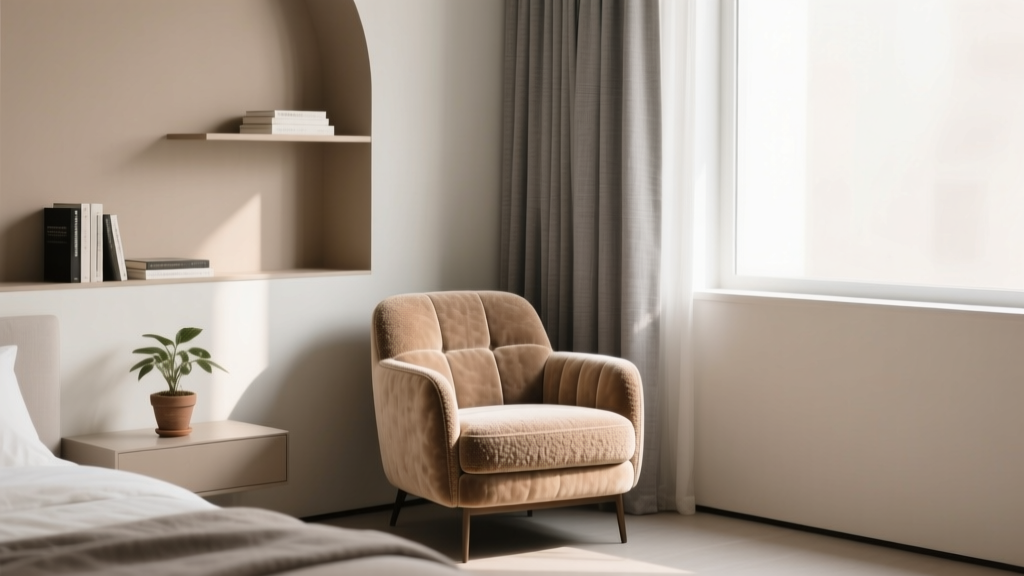 Bedroom Boucle Accent Chair in Corner - The Decor Mag
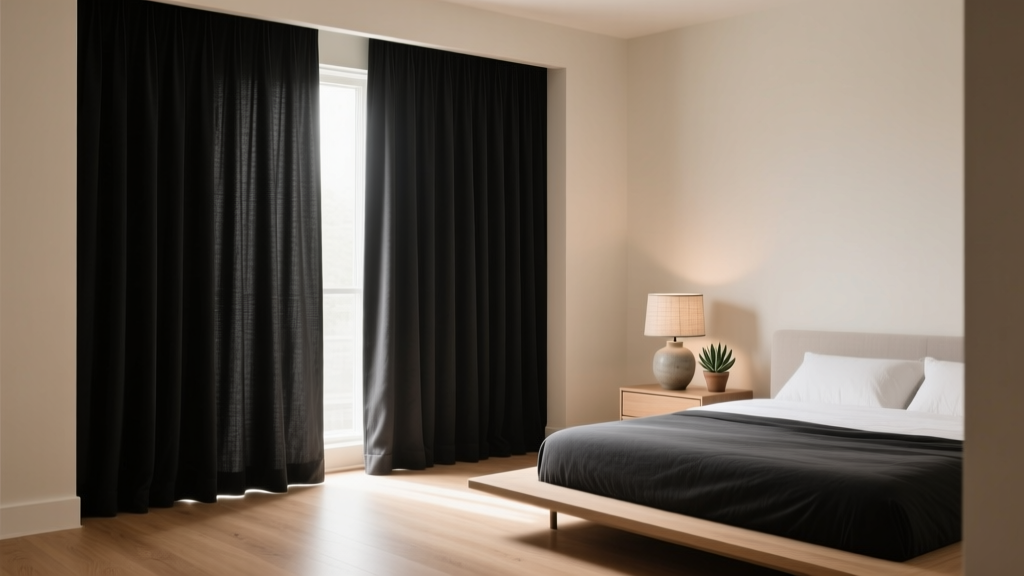 Best Bedroom Blackout Curtain Options - The Decor Mag
 Bedroom Organic Cotton Bedding Guide - The Decor Mag
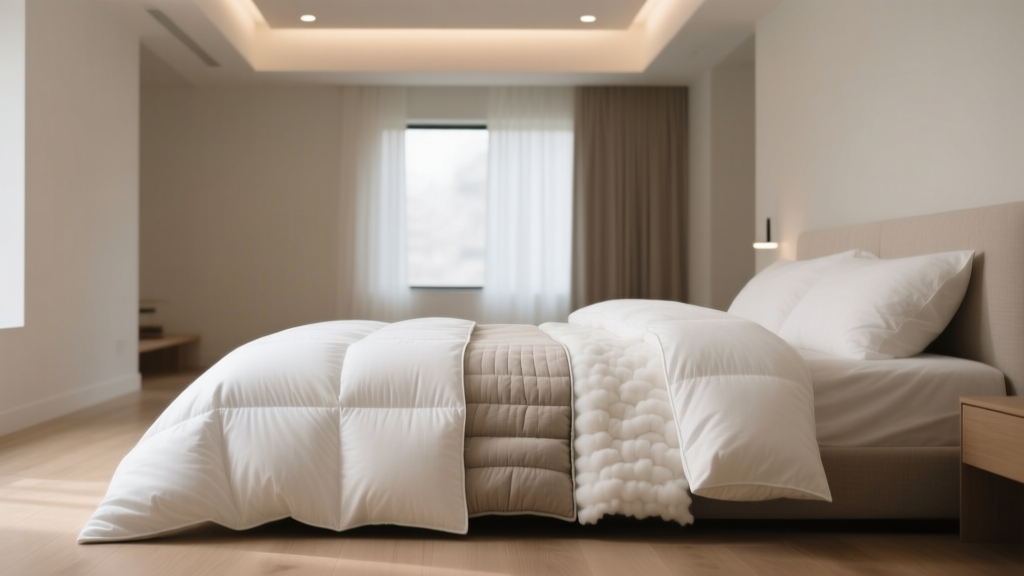 How to Choose Bedroom Comforter Fill - The Decor Mag
 Best Bedroom Dresser Organization Tips - The Decor Mag
 How to Create a Bedroom for Better Sleep - The Decor Mag
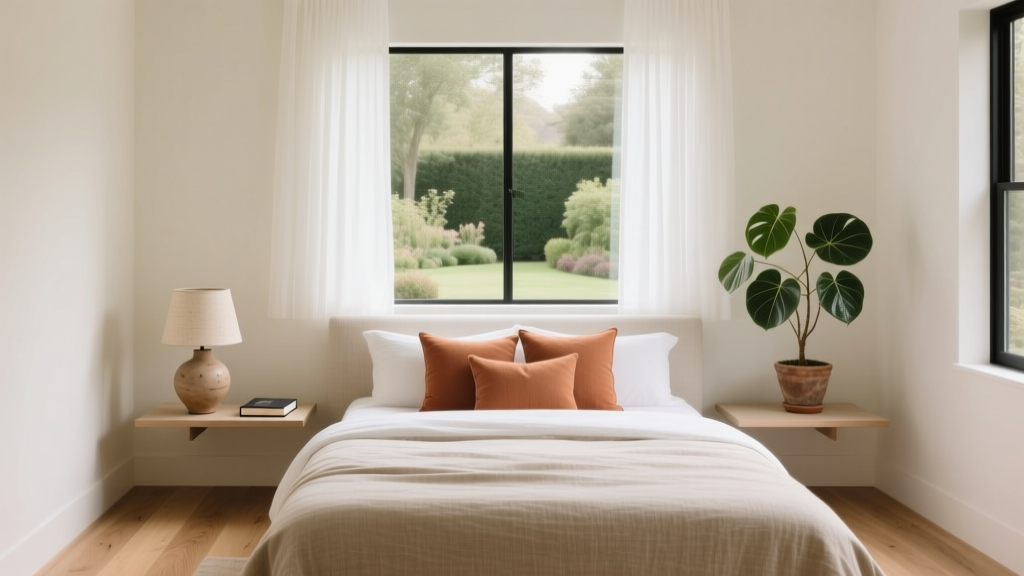 Bedroom Styling with Intentional Design | The Decor Mag
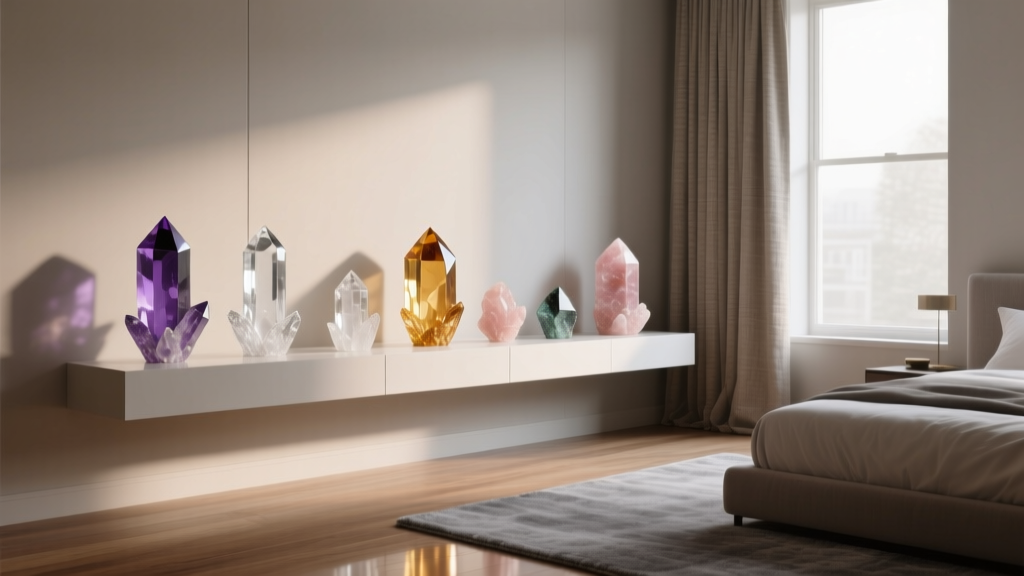 Best Bedroom Crystal Collection Display - The Decor Mag
 Bedroom Layout Common Mistakes: What 92% of Homeowners Get Wrong (And How to Fix Them)
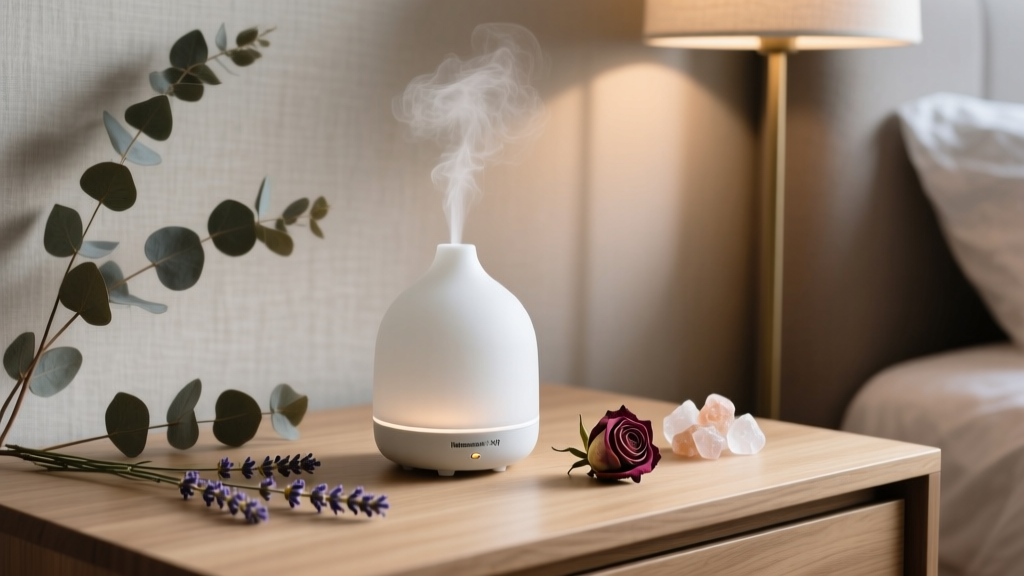 Best Bedroom Aromatherapy Diffuser Blend - The Decor Mag