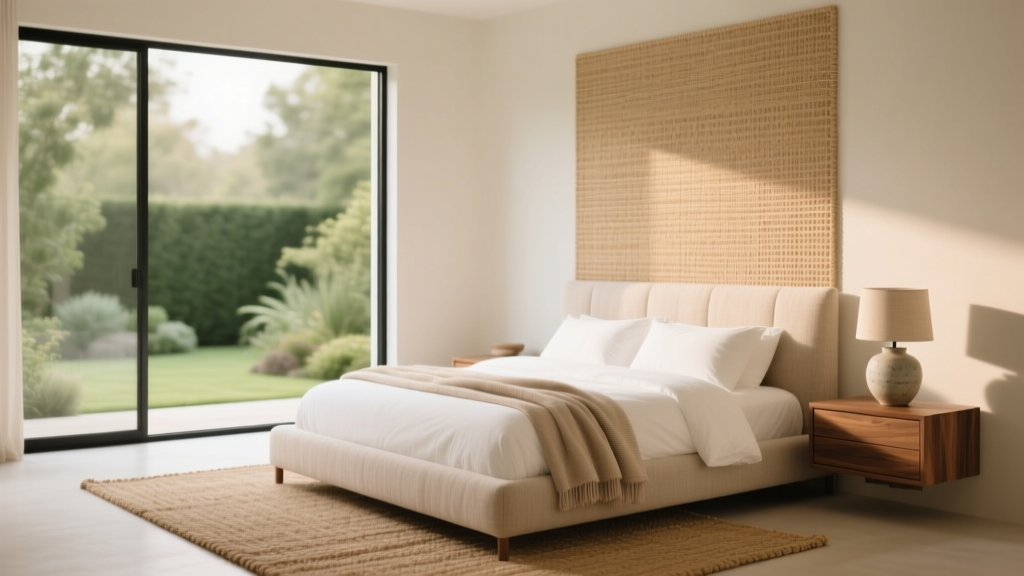
How to Style a Bedroom with Neutral Tones - The Decor Mag
A bedroom styled in neutral tones can feel like an exhale at the end of the day. Soft beiges, warm whites, gentle grays, and earthy taupes visually quiet the space, helping your mind downshift from “doing” to “resting.” When your bedroom design supports calm—through color, lighting, and clutter-free layout—your sleep environment becomes more than decor; it becomes part of your wellness routine.
Neutral bedroom decor also tends to age well. Unlike trend-heavy color schemes that can start to feel busy or dated, neutral palettes create a flexible backdrop that works for homeowners and renters alike. You can update the mood seasonally with a throw blanket, a new pillow cover, or a different lamp shade—without repainting or replacing everything.
Below is a practical, sleep-friendly approach to designing a neutral bedroom that feels layered, personal, and deeply restful, with specific recommendations for furniture, bedding, lighting, colors, and layout—plus common mistakes to avoid.
Why Neutral Bedroom Design Supports Better Sleep
Sleep quality is influenced by what you see and feel as you wind down: light levels, visual clutter, textures, and even the perceived “temperature” of a color palette. Neutral tones help reduce visual stimulation, which can support relaxation—especially if your days are screen-heavy or stressful.
- Lower visual noise: A cohesive neutral palette makes the room feel organized, even if you’re working with limited space.
- Better light control: Neutrals pair easily with warm lighting and blackout window treatments for a darker, more sleep-promoting room at night.
- Gentle transitions: Soft contrasts (cream + taupe, sand + ivory) can feel soothing compared to high-contrast black-and-white schemes.
- Adaptable for renters: Neutrals work well with temporary upgrades like peel-and-stick wallpaper, removable hooks, and textile layering.
Choose Your Neutral Palette: Warm, Cool, or Balanced
“Neutral” doesn’t mean one shade of beige. The most calming bedrooms typically stick to 3–5 related tones, layered across walls, bedding, rugs, and furniture.
Warm neutrals (cozy, cocooning)
- Colors: Cream, ivory, oatmeal, sand, camel, warm greige, terracotta-leaning taupe
- Best for: North-facing rooms, minimalist spaces that need warmth, anyone who wants a cozy retreat
- Pairs well with: Brass, walnut wood, linen, boucle, woven textures
Cool neutrals (clean, airy)
- Colors: Soft white, dove gray, mushroom, stone, pale putty with cool undertones
- Best for: South-facing rooms, modern decor, people who prefer crisp simplicity
- Pairs well with: Nickel, ash wood, matte black accents (used sparingly), cotton percale
Balanced neutrals (easy, timeless)
- Colors: A mix of warm and cool—think “stone,” “linen,” and “greige” families
- Best for: Shared bedrooms, undecided decorators, long-term flexibility
- Pairs well with: Layered lighting, mixed woods, wool rugs, natural fibers
Practical tip: Before choosing paint or bedding, check undertones in both daylight and nighttime lamp light. What looks creamy at noon can look yellow at 9 p.m.—and evening is when your sleep environment matters most.
Start with the Foundations: Walls, Floors, and Window Treatments
Wall color ideas for a neutral bedroom
A soothing wall color acts like background music: you should feel it, not notice it. For sleep-friendly bedroom design, lean toward mid-to-light tones that reflect daytime light but don’t glare at night.
- Warm white or soft ivory: Brightens small rooms; pairs well with natural wood.
- Light greige: A renter-friendly look even if you can’t paint—echo it through bedding and curtains.
- Muted taupe: Cozy and flattering; works well with warm lighting.
- Soft clay-beige: Adds depth without feeling “brown.”
Budget ranges:
- Paint: $35–$80 per gallon (plus supplies)
- Peel-and-stick wallpaper (accent wall): $40–$150 per roll depending on brand and coverage
Flooring and rugs: quiet the room
Hard floors can amplify noise, which can disrupt sleep. Add softness underfoot to create a more serene sleep environment.
- Best rug materials: Wool (durable, naturally stain resistant), wool blends, cotton flatweave, or low-pile synthetics for easy cleaning.
- Sleep-friendly sizing: Ideally, the rug extends 18–24 inches beyond the sides of the bed so you step onto something soft in the morning.
Budget ranges:
- Area rug (5’x8’): $120–$400+
- Area rug (8’x10’): $250–$900+
Window treatments: darkness and softness
Light control is one of the most practical wellness upgrades you can make. If streetlights or early sun affects your sleep, focus here first.
- Best option: Blackout curtains or blackout Roman shades (layered with sheers for daytime).
- Neutral styling tip: Choose curtains 1–2 shades lighter or darker than your wall color for subtle contrast.
- Hardware: Matte black, brushed nickel, or warm brass—match it to your lamp finishes for a cohesive look.
Budget ranges:
- Blackout curtain panels: $35–$150 per pair
- Blackout liner add-on: $15–$40
Furniture: Calm Silhouettes and Smart Layout Choices
Neutral bedroom decor shines when furniture lines are simple and proportions feel airy. The goal is a layout that supports rest: easy movement, clear surfaces, and a strong focal point (usually the bed).
Bed frame and headboard
- Upholstered headboard: Linen-look fabric, performance weave, or boucle in oatmeal/stone for softness and sound absorption.
- Wood bed frame: Light oak for airy neutrals; walnut for warmer, richer contrast.
- Sleep-friendly detail: Skip squeaky frames—choose solid joinery and center support.
Budget ranges:
- Platform bed: $250–$900
- Upholstered bed: $400–$1,500
Nightstands that reduce clutter
A visually crowded nightstand can make the whole room feel restless. Choose pieces that hide the “sleep accessories” (chargers, hand cream, eye mask) while keeping essentials accessible.
- Best types: One-drawer nightstand, small dresser-as-nightstand, or floating shelf with a concealed drawer.
- Size guideline: Aim for the top surface to sit within 2–4 inches of mattress height.
Layout tips for better flow
- Center the bed on the main wall if possible to create visual calm.
- Keep a clear path on both sides of the bed (even 18–24 inches helps in tight rooms).
- Reduce bedroom “work cues” by moving desks away from the bed, or screening them with a curtain or room divider.
- Use closed storage (dressers with drawers, lidded baskets) to minimize visual clutter.
Bedding: The Heart of a Neutral Bedroom
Bedding is where neutral tones can feel luxurious rather than plain. Layering is the difference between “all beige” and “calm, curated.”
Best bedding materials for comfort and temperature
- Cotton percale: Crisp and breathable; great for hot sleepers.
- Cotton sateen: Smooth and slightly warmer; a cozy year-round option.
- Linen: Airy, textured, and temperature regulating; looks beautiful in natural neutrals.
- Wool or down alternative duvet insert: Wool is excellent for temperature regulation; down alternative is allergy-friendly.
Budget ranges:
- Sheet set: $60–$250+
- Duvet cover: $70–$300+
- Duvet insert: $80–$350+
A simple neutral bedding formula (that doesn’t look flat)
- Base layer: Warm white or light oatmeal sheets
- Mid layer: Textured duvet cover (linen, matelassé cotton, or a subtle stripe)
- Accent layer: One deeper neutral throw (camel, mushroom, mocha, or charcoal)
- Pillows: Mix two sizes (standard + euro) in slightly different weaves
Sleep-friendly tip: If you’re sensitive to temperature swings at night, keep two throws: a lightweight cotton knit for warmer months and a wool blend for cooler months. That way you can adjust without fully waking up.
Lighting: Soft, Layered, and Evening-Friendly
Lighting can make a neutral bedroom feel either serene or sterile. For a better sleep environment, aim for warm, dimmable light at night and brighter task light when needed.
Use three layers of light
- Ambient: Ceiling fixture or semi-flush mount with a warm bulb
- Task: Bedside lamps or wall sconces for reading
- Accent: A small table lamp, picture light, or soft LED strip behind a headboard (hidden, not glaring)
Bulbs and color temperature for sleep
- Best range: 2200K–2700K for bedside lighting (warm and calming)
- Choose dimmable whenever possible, or use smart bulbs with an evening schedule.
- Avoid: Bright 4000K–5000K “daylight” bulbs in the bedroom at night—they can feel harsh and wakeful.
Budget ranges:
- Table lamps: $30–$200 each
- Plug-in sconces: $50–$250 per pair
- Smart bulbs/dimmers: $15–$60 per bulb or switch
Texture and Contrast: The Secret to a Cozy Neutral Room
Neutrals rely on texture more than color. The most inviting neutral bedroom decor mixes smooth with nubby, matte with subtle sheen, and soft with structured.
Easy texture pairings
- Linen bedding + boucle bench at the foot of the bed
- Wool rug + cotton percale sheets for crisp-meets-cozy
- Wood nightstands + ceramic lamps for organic balance
- Matte walls + velvet pillow for a gentle highlight
Bring in natural materials (without going “rustic”)
- Wood: oak, walnut, ash
- Woven accents: seagrass baskets, rattan tray, cane-front dresser
- Stone or stone-look: travertine tray, marble catchall (keep it minimal)
Decor and Finishing Touches That Still Feel Restful
Neutral bedrooms can handle decor—just choose pieces that reinforce calm rather than compete for attention.
Art for a neutral bedroom
- Best styles: soft abstracts, minimalist line drawings, landscapes, tonal photography
- Placement: one larger piece over the bed or a pair above nightstands for symmetry
- Frames: light oak, walnut, or thin matte black (use black sparingly)
Greenery (real or convincing)
- Low-fuss real plants: snake plant, pothos, ZZ plant
- Sleep-friendly tip: Keep soil and watering contained to prevent mold or gnats—use a cachepot and a saucer.
Scent and sound considerations
- Calming scents: lavender, chamomile, sandalwood (use lightly)
- Better sleep environment: consider a white noise machine or an air purifier if outside noise or allergens affect your rest
- Avoid: strong candles or heavily fragranced plug-ins if you’re sensitive—clean air is part of bedroom wellness
Common Mistakes to Avoid with Neutral Bedroom Decor
- Choosing neutrals with clashing undertones: Mixing a pink-beige with a green-gray can look “off.” Stick to one undertone family (warm, cool, or balanced).
- Going too monochrome without texture: If everything is the same smooth fabric and similar shade, the room can feel flat. Add weave, pile, and grain.
- Ignoring lighting temperature: Cool bulbs can make warm neutrals look dull and can feel less relaxing at night.
- Overcrowding with decor: Too many small objects create visual clutter. Choose fewer, larger pieces.
- Skipping functional sleep upgrades: Beautiful bedding won’t help much if streetlight glare or a too-warm duvet keeps you awake. Prioritize blackout solutions and breathable materials.
- Using bright white everywhere: Stark white can feel clinical. Soften it with ivory, oatmeal, or warm gray and natural materials.
FAQ: Styling a Bedroom with Neutral Tones
Will a neutral bedroom feel boring?
Not if you layer texture and add gentle contrast. Combine at least three materials (linen, wood, wool) and use two to three tones (ivory, sand, and taupe, for example). A single darker accent—like a mocha throw or charcoal lamp base—can add depth without disrupting calm.
What are the best neutral colors for a small bedroom?
Soft white, warm ivory, and pale greige tend to make small bedrooms feel more open while still cozy. Keep the ceiling a shade lighter than the walls and use curtains close to the wall color to avoid visual breaks.
How do I mix woods in a neutral bedroom?
Keep the wood undertones consistent. Pair light oak with similar warm woods, or use walnut as the “anchor” and add one lighter wood for contrast. Repeat each wood tone at least twice (bed + frame, or nightstand + shelf) so it looks intentional.
What bedding colors work best with neutral bedroom decor?
Start with warm white or oatmeal sheets, then choose a duvet cover in linen, stone, or soft taupe. Add a throw in camel, mushroom, or cocoa for dimension. If you want pattern, choose subtle stripes, small checks, or tonal texture rather than high-contrast prints.
How can renters create a neutral bedroom without painting?
Focus on high-impact textiles and removable changes:
- Neutral blackout curtains
- A large area rug to define the palette
- Peel-and-stick wallpaper behind the bed
- Linen-look bedding and pillow covers
- Plug-in wall sconces for elevated lighting
What’s the simplest upgrade for better sleep in a neutral bedroom?
Layered lighting plus light control. Add warm, dimmable bedside lighting and blackout curtains or a blackout liner. These two changes improve the sleep environment immediately while also making neutral decor feel softer and more intentional.
Actionable Next Steps: A Calm Neutral Bedroom You Can Build in a Weekend
- Pick your palette: Choose 3–5 neutrals with the same undertone (warm, cool, or balanced).
- Upgrade light control: Add blackout curtains or a liner for a darker, more sleep-friendly room.
- Layer your bedding: Breathable sheets + textured duvet cover + one deeper neutral throw.
- Simplify surfaces: Clear nightstands and add one drawer organizer or lidded box for small items.
- Add texture: Bring in a wool rug, a woven basket, or a boucle pillow to keep the room from feeling flat.
A neutral-toned bedroom doesn’t need to be perfect to be restorative. When the colors are soft, the lighting is warm, and the layout feels easy, the room naturally supports relaxation—and better sleep tends to follow.
Explore more calming bedroom ideas, sleep-friendly upgrades, and decor inspiration on thedecormag.com.
More Articles
 Best Bedroom Perfume Collection Display - The Decor Mag
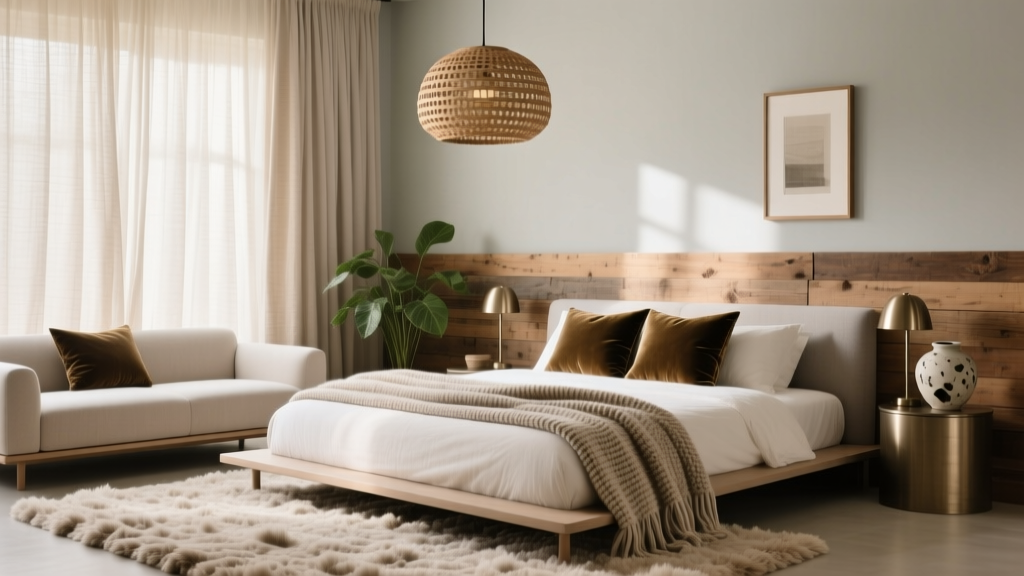 How to Incorporate Texture in Bedroom Decor - The Decor Mag
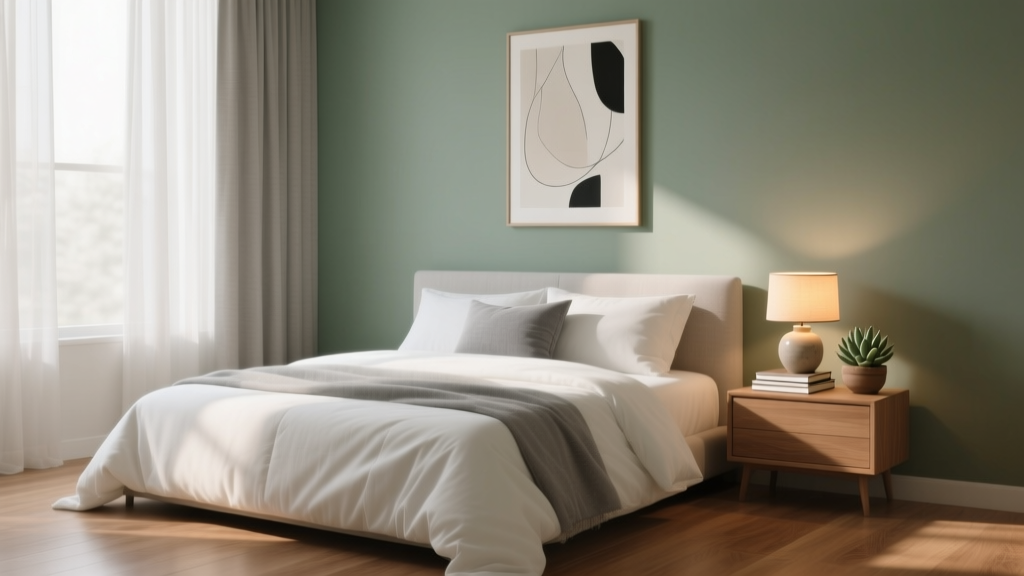 Best Bedroom Sleep Environment Checklist - The Decor Mag
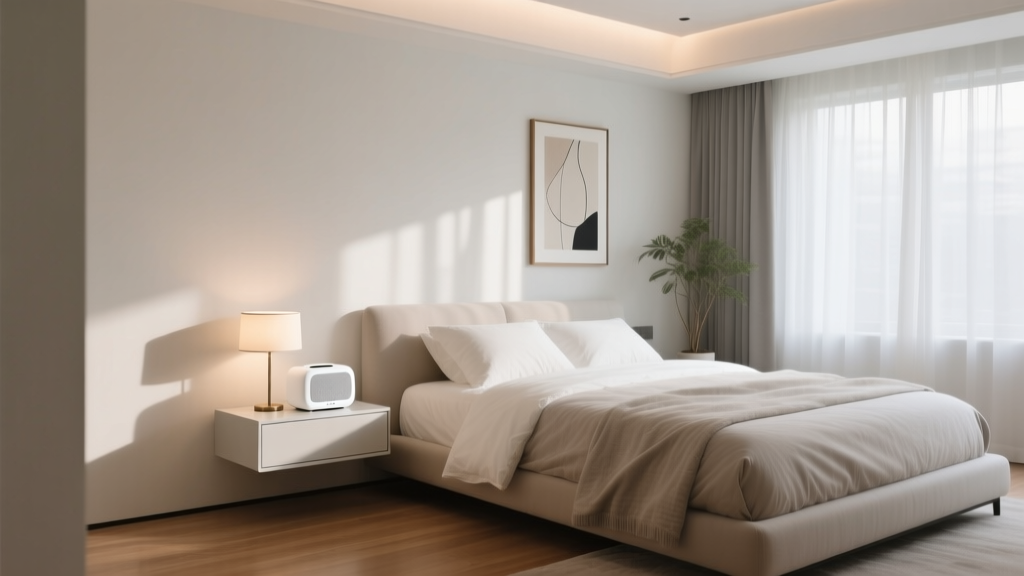 Best Bedroom White Noise Setup - The Decor Mag
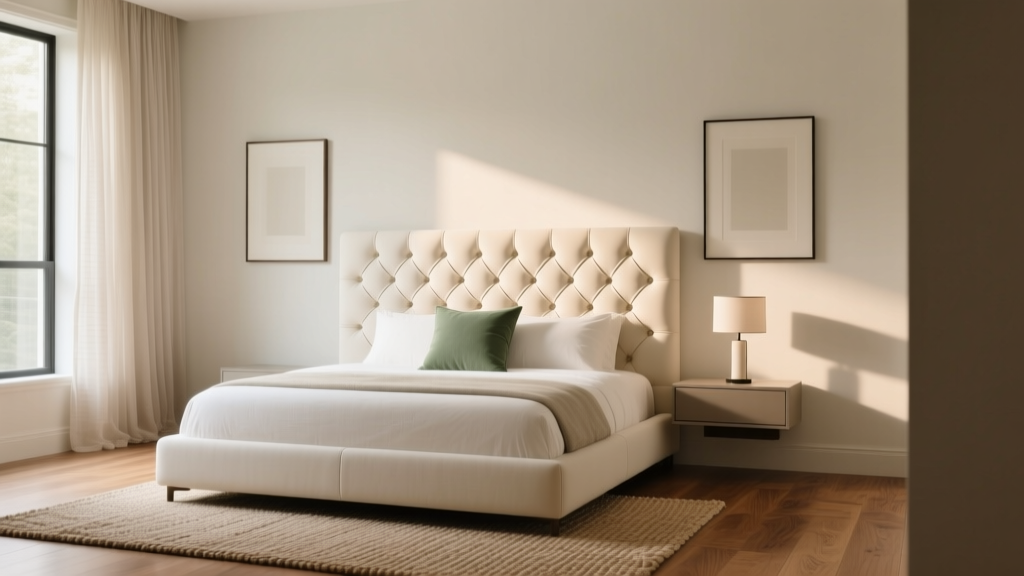 Bedroom Tufted Headboard Trends - The Decor Mag
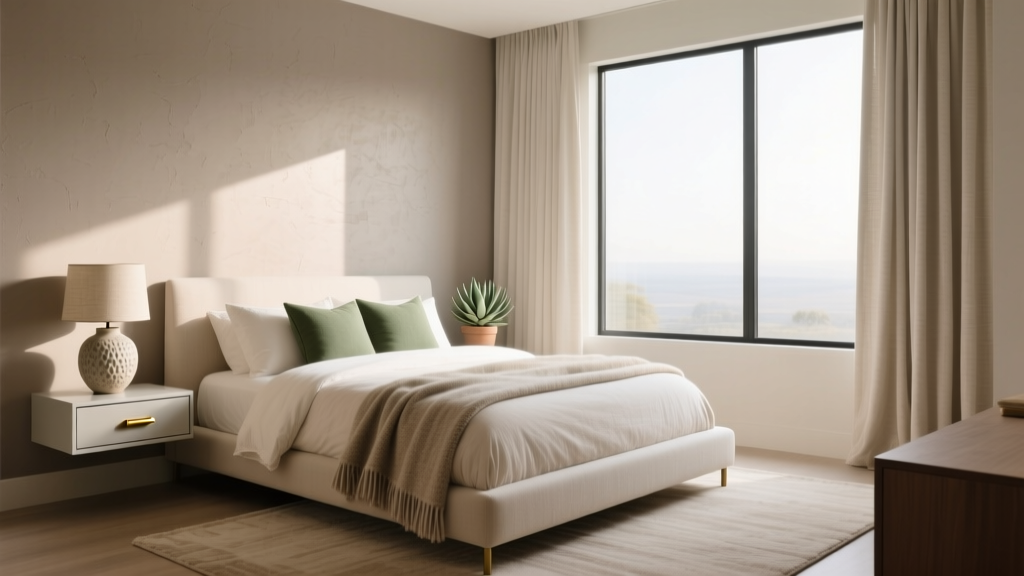 How to Create a Bedroom Color Story - The Decor Mag
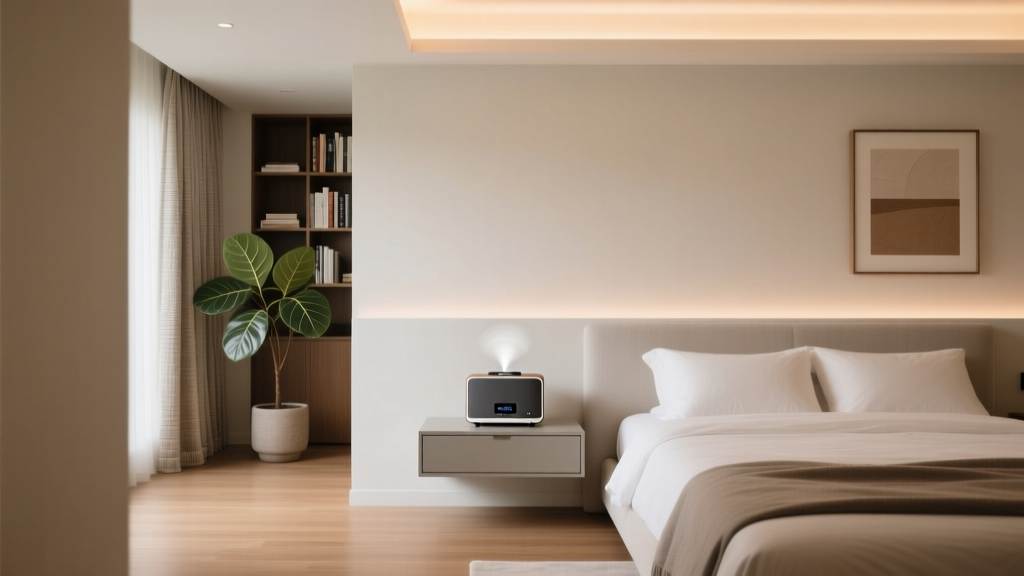 Best Bedroom Sound Machine Placement - The Decor Mag
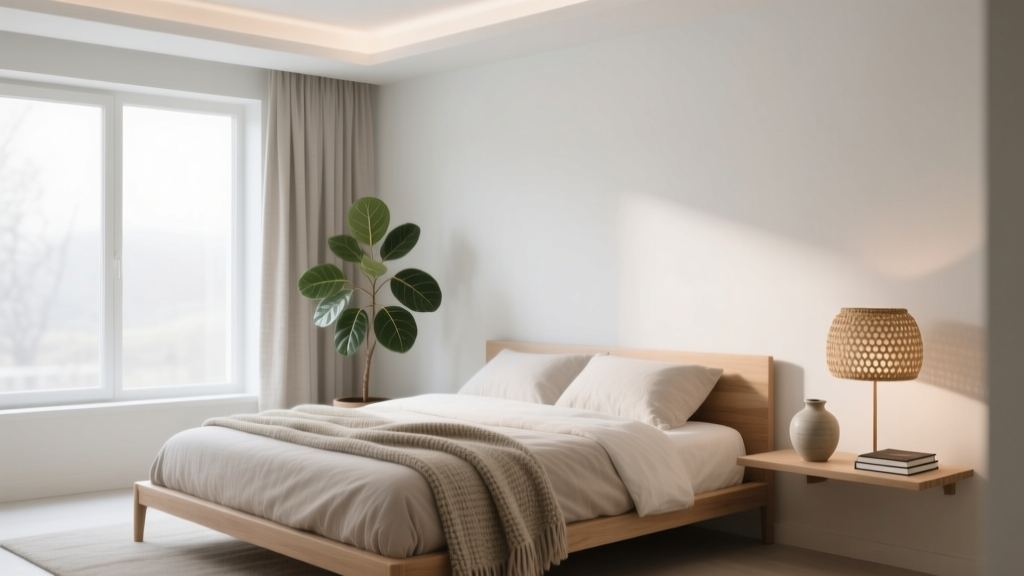 Scandinavian Bedroom Design Essentials - The Decor Mag
 Global Textiles in Bedrooms: Styling Ideas (2026)
 Bedroom Low Profile Bed Frame Styles - The Decor Mag