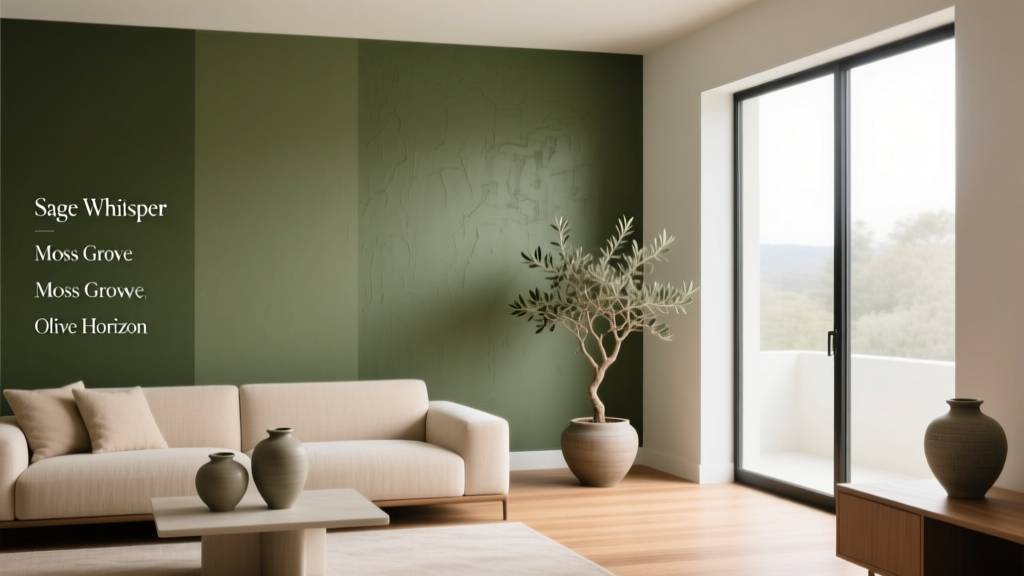
Best Olive Green Paint Colors (2026) | The Decor Mag
Olive green has a rare design superpower: it reads as a “color,” yet behaves like a neutral. It can feel earthy and grounded, quietly sophisticated, or richly dramatic depending on the undertone, lighting, and what you pair it with. That versatility is why olive green paint colors keep showing up in timeless homes—traditional, modern, rustic, and everything in between.
Homeowners love olive because it connects interiors to nature and adds depth without the sharpness of black or the chill of many grays. From a color psychology standpoint, green is strongly associated with balance, restoration, and comfort. Olive—being a muted, yellow-brown leaning green—adds warmth and stability, making rooms feel settled and intentional rather than trendy.
If you’ve been eyeing olive green walls, cabinetry, or trim but aren’t sure where to start, this guide breaks down the best olive green paint colors, how to pick the right undertone, and how to create beautiful color schemes that work in real rooms.
Why Olive Green Works in So Many Homes
Olive is a “quiet color” with high design impact
Compared to brighter greens, olive has lower chroma (less saturation), which makes it easier to live with. It brings visual interest while still letting artwork, textiles, and wood tones shine.
It bridges warm and cool palettes
Depending on its undertone, olive can harmonize with warm whites, creamy beiges, terracotta, and honey oak—or it can lean more modern alongside crisp whites, charcoal, and black accents.
It flatters natural materials
Olive green paint looks especially elevated with:
- White oak and walnut
- Leather (cognac, saddle, and camel)
- Brass and aged bronze
- Clay, stone, and travertine
- Natural linen and bouclé
How to Choose the Right Olive Green Paint Color
1) Understand undertones: yellow, brown, or gray
Most olive green paint colors land in one of these families:
- Yellow-olive: warmer, sunnier, great with cream and warm woods
- Brown-olive: earthy and classic, ideal for cozy rooms and traditional homes
- Gray-olive: more subdued and modern, works well in contemporary spaces
2) Check your lighting (north, south, east, west)
- North-facing rooms: Cooler, dimmer light can make olive look heavier or more gray. Choose a slightly warmer olive or a lighter depth.
- South-facing rooms: Warm, abundant light can bring out yellow. Consider a more balanced or slightly grayer olive to avoid a “mustard” cast.
- East-facing rooms: Bright morning light, softer later. Olive can look fresh early and moodier by afternoon—test both times.
- West-facing rooms: Warm afternoon glow intensifies warmth. A brown-olive can look luxurious; a yellow-olive may get too golden.
3) Sample the right way (so you don’t waste weekends repainting)
- Sample at least 3 olives with different undertones.
- Paint large swatches (at least 12" x 12") on multiple walls, or use peel-and-stick samples.
- Observe for 24–48 hours in daylight and lamplight.
- Hold your main “fixed finishes” next to the sample: flooring, countertop, sofa fabric, backsplash tile.
Best Olive Green Paint Colors (Designer-Approved Picks)
These olive green paint colors are well-loved for their versatility, depth, and timeless style. As always, test in your home—olive is famously shape-shifting.
Classic, Balanced Olives (Great “First Olive” Choices)
-
Sherwin-Williams Evergreen Fog (SW 9130)
A soft, gray-leaning green with a calming, modern feel. Ideal if you want an olive-green vibe without going fully dark or overly warm. Works beautifully with warm whites, pale oak, and brushed brass. -
Benjamin Moore Saybrook Sage (HC-114)
A timeless, heritage-inspired sage-olive. It reads warm and welcoming, making it excellent for living rooms, hallways, and cabinetry in traditional homes. -
Farrow & Ball Olive (No. 13)
A classic, earthy olive that feels rooted and sophisticated. Gorgeous with stone, linen, and aged metals—especially in dining rooms and studies.
Deeper, Moodier Olives (For Drama Without Going Black)
-
Benjamin Moore Salamander (2050-10)
A deep green with rich complexity that can read nearly black in low light. Stunning for libraries, powder rooms, and statement cabinetry. Pair with warm brass and creamy trim for a luxe look. -
Sherwin-Williams Ripe Olive (SW 6209)
A bold, earthy olive that feels traditional and strong. A go-to for accent walls, built-ins, and exterior shutters. Plays well with off-white trim and warm wood floors. -
Farrow & Ball Studio Green (No. 93)
A deep, museum-like green that reads nearly black at night and richly green in daylight. Ideal for creating an enveloping, timeless room with layered lighting.
Warm, Earthy Olives (Perfect with Terracotta, Cream, and Natural Fibers)
-
Benjamin Moore Tate Olive (HC-112)
A classic olive with a warm, traditional backbone. Excellent for kitchens and family rooms, especially with cream cabinets or warm white trim. -
Sherwin-Williams Oliva Oscuro (SW 9156)
A deeper olive with a warm, aged feel. Beautiful in dining rooms, on cabinetry, or in a hallway where you want depth and sophistication. -
Benjamin Moore Gloucester Sage (HC-100)
A historic, nature-inspired green that can lean olive in the right light. Works particularly well with antique rugs, warm woods, and creamy whites.
Modern, Softer Olives (Light to Mid-Tone and Easy to Live With)
-
Sherwin-Williams Clary Sage (SW 6178)
A muted, warm green that often reads as a soft olive on the wall. Great for open-concept spaces when you want color without heaviness. -
Benjamin Moore October Mist (1495)
A gentle green with modern softness. If you like the idea of olive but want something airier, this is a strong contender for bedrooms and kitchens.
Real Room Ideas: How to Use Olive Green Paint Like a Designer
1) Living room: Olive walls + warm neutrals for timeless comfort
Best picks: Saybrook Sage, Tate Olive, Evergreen Fog
Olive green walls bring calm and depth to a living room, especially when paired with warm neutrals and natural textures. Try this formula:
- Walls: mid-tone olive
- Trim: creamy white (not stark) for a softer transition
- Upholstery: oatmeal linen or warm gray-beige
- Accents: aged brass, walnut, woven baskets
- Textiles: layered rugs with terracotta, rust, and indigo
2) Kitchen: Olive cabinetry that feels tailored and enduring
Best picks: Ripe Olive, Tate Olive, Salamander (for drama)
Olive green kitchen cabinets are a designer favorite because they feel classic and grounded—less stark than black, more interesting than gray. Great pairings include:
- Countertops: honed quartz in warm white, soapstone-look surfaces, or light veined stone
- Hardware: brushed brass, antique brass, or oil-rubbed bronze
- Backsplash: creamy zellige tile, warm white subway tile, or tumbled stone
- Wall color: soft warm white or pale greige to keep the room bright
Pro tip: If your kitchen gets limited daylight, choose a mid-tone olive rather than the deepest options, and use under-cabinet lighting to prevent a heavy look.
3) Bedroom: Olive as a restorative, sleep-friendly color
Best picks: Evergreen Fog, Clary Sage, October Mist
Because green supports a sense of balance and restoration, olive is a strong bedroom choice. For a serene space:
- Pair olive walls with crisp white bedding and natural linen throws.
- Add black accents (picture frames, curtain rods) to modernize.
- Use soft, warm lighting (2700K) to keep olive from going flat or gray at night.
4) Dining room: An elevated, candlelit olive that makes meals feel special
Best picks: Farrow & Ball Olive, Studio Green, Sherwin-Williams Oliva Oscuro
Olive green is made for dining rooms because it looks richer as the light dims. A moody olive creates instant atmosphere and pairs beautifully with wood tables and antique artwork.
Try this color scheme:
- Walls: deep olive
- Ceiling: same color in a flatter finish for a cocoon effect, or a warm white for contrast
- Metal finishes: antique brass chandelier, bronze candleholders
- Table linens: ivory or flax
5) Bathroom and powder room: Olive + warm metals for a boutique look
Best picks: Salamander, Ripe Olive, Studio Green
Smaller rooms are perfect for going deeper and glossier. Olive green in a powder room can feel like a high-end hotel when paired with:
- Brass or unlacquered brass faucets
- Vintage-style mirrors
- White marble-look surfaces
- Deep-toned wood vanities
Finish idea: Use a durable, wipeable finish (often satin or a bath-specific formula) and invest in flattering layered lighting.
Winning Color Combinations for Olive Green
Olive green thrives in layered palettes. Here are designer-friendly color schemes that feel timeless rather than trendy:
Olive + creamy white (classic and warm)
- Best for: traditional homes, cozy modern spaces, open concepts
- Look for whites with soft warmth rather than icy undertones
Olive + black (modern and graphic)
- Best for: contemporary rooms, iron windows/doors, modern farmhouse
- Use black in small doses: lighting, frames, cabinet hardware
Olive + terracotta/rust (earthy and collected)
- Best for: boho, Mediterranean, eclectic interiors
- Add through rugs, pottery, textiles, and art
Olive + blush or muted pink (unexpected, sophisticated)
- Best for: bedrooms, powder rooms, creative studios
- Choose dusty rose rather than bubblegum for a grown-up palette
Olive + navy (classic, tailored contrast)
- Best for: libraries, dining rooms, entryways
- Anchor with warm woods to keep it inviting
Common Olive Green Paint Mistakes to Avoid
-
Choosing olive without checking undertones in your fixed finishes
Olive can pull muddy if it clashes with your flooring or stone. Always compare samples directly to your countertop, tile, or carpet. -
Pairing olive with a stark, blue-white trim
Many olives look best with warm whites or soft creams. A cold white can make olive appear dingy or overly yellow by contrast. -
Ignoring nighttime lighting
Under warm bulbs, olives often deepen and feel cozier; under cool LEDs they can look flat. Use warm bulbs (around 2700K) in living areas and bedrooms. -
Going too dark in a room that lacks natural light
Deep olives are stunning, but in a dim room they can feel heavy without layered lighting. If you love the moody look, add sconces, lamps, and brighter trim. -
Overmatching everything to green
Olive works best as part of a balanced color scheme. Mix in neutrals, wood tones, and one or two accent colors instead of repeating green everywhere.
FAQ: Olive Green Paint Colors
Is olive green a warm or cool paint color?
Most olive green paint colors lean warm because they contain yellow and brown undertones, but some (like gray-olives) can read more neutral or slightly cool. The same paint can look warmer or cooler depending on exposure and lighting temperature.
What trim color works best with olive green walls?
Warm whites and soft creams are the most reliable choices for timeless style. They complement olive’s earthy undertones and avoid the harsh contrast you can get with icy, blue-based whites.
Does olive green make a room feel smaller?
Darker olives can make a room feel more intimate, especially in low light. Mid-tone and softer olives often feel cozy without shrinking the space. If you want depth without heaviness, consider olive on one accent wall, built-ins, or lower cabinetry.
Which olive green paint colors are best for kitchen cabinets?
For cabinetry, look for olives with enough depth to read intentional next to counters and hardware. Popular choices include Sherwin-Williams Ripe Olive (SW 6209), Benjamin Moore Tate Olive (HC-112), and Benjamin Moore Salamander (2050-10) for a bolder statement.
What colors go with olive green for a timeless palette?
Olive pairs beautifully with creamy whites, warm beiges, camel leather, walnut, brass, black accents, terracotta/rust, and deep navy. These combinations echo nature and classic materials, which is why they stay stylish over time.
Should I use matte, eggshell, or satin for olive green walls?
For most living spaces, eggshell is a practical go-to: it’s easier to clean than matte while keeping glare low. Matte can look velvety and elevated in lower-traffic rooms. Satin is often best for kitchens, baths, and areas that need durability.
Next Steps: Make Olive Green Work Beautifully in Your Home
Start by choosing three olive green paint colors with different undertones—one warmer, one more balanced, and one deeper. Test them on multiple walls, view them day and night, then build a simple color scheme around warm neutrals, natural textures, and one accent color (like terracotta, navy, or black).
Olive green rewards patience: once you land on the right shade, it becomes a timeless backdrop that makes the whole home feel more layered and intentional. For more paint color ideas, undertone guides, and room-by-room color schemes, explore our latest color guides on thedecormag.com.
More Articles
 Open Floor Plan Color Transitions (2026)
 How to Use Color to Create Balance - The Decor Mag
 Best Sky Blue Paint Colors - The Decor Mag
 Best Pear Green Paint Colors - The Decor Mag
 How to Choose Colors for North-Facing Rooms - The Decor Mag
 Best Rose Red Paint Colors - The Decor Mag
 Where to Place Outdoor Essentials: Strategic Placement for Safety, Function, and Longevity
 Best Gray Paint Colors for 2026 - The Decor Mag
 How to Incorporate Bold Colors Subtly - The Decor Mag
 Best Kitchen Design for Cozy: Warmth, Function, and Timeless Comfort