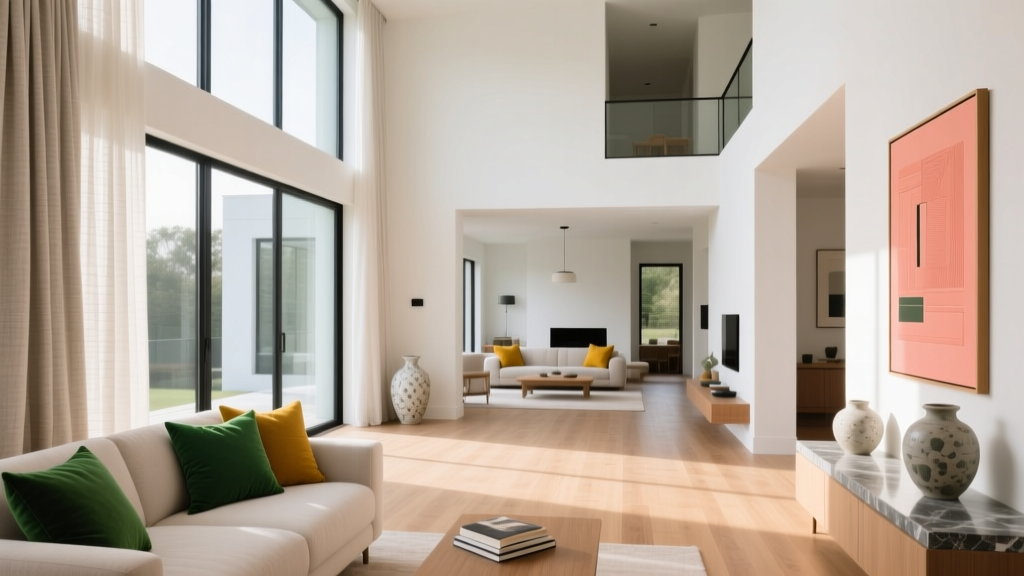
Color Psychology in Home Decor: A Guide
Why Color Psychology Matters
Color isn't just decoration—it's communication. Every hue triggers psychological and physiological responses that affect your mood, energy, and appetite.
Blue: Calm and Focus
Blue slows the heart rate and reduces blood pressure. Ideal for bedrooms and home offices. Soft sky blue promotes restful sleep.
Green: Balance and Renewal
Green is the easiest color for the eye to process, making it inherently restful. Sage, olive, and forest green work in almost any room.
Yellow: Energy and Optimism
Yellow stimulates mental activity. Use it sparingly—too much causes anxiety. Soft butter yellow in a breakfast nook sets a positive tone.
Red: Passion and Appetite
Red raises energy levels. Use it as an accent—a red accent wall or dining chairs.
Room-by-Room Guide
- Bedroom: Soft blue, sage green, or warm lavender
- Kitchen: Warm white with green or yellow accents
- Living room: Warm neutrals with rich accents
- Home office: Blue-gray or green for focus
Final Thoughts
Choose colors based on how you want to feel in each room, not just what looks trendy.
More Articles
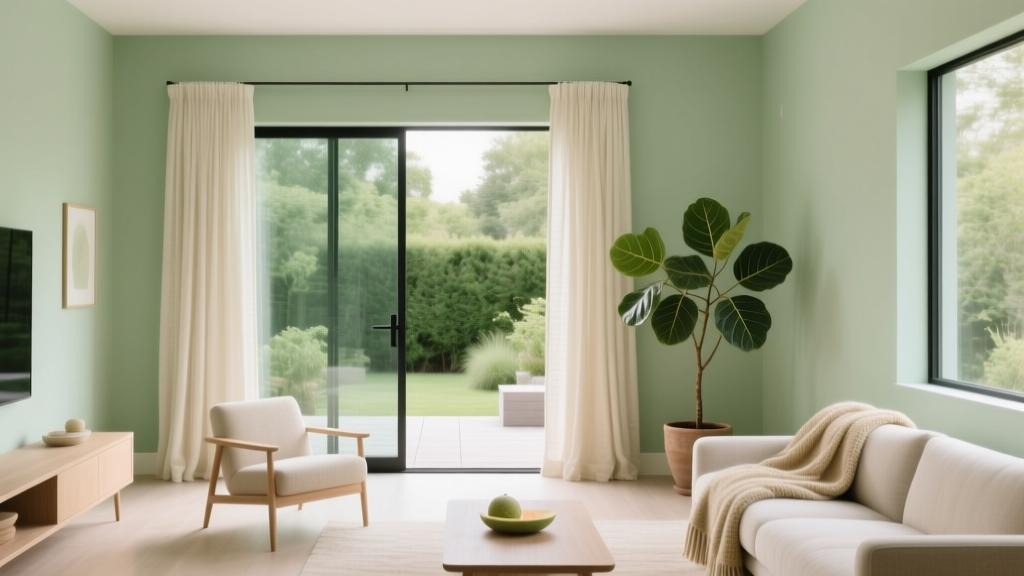 Best Honeydew Paint Colors - The Decor Mag
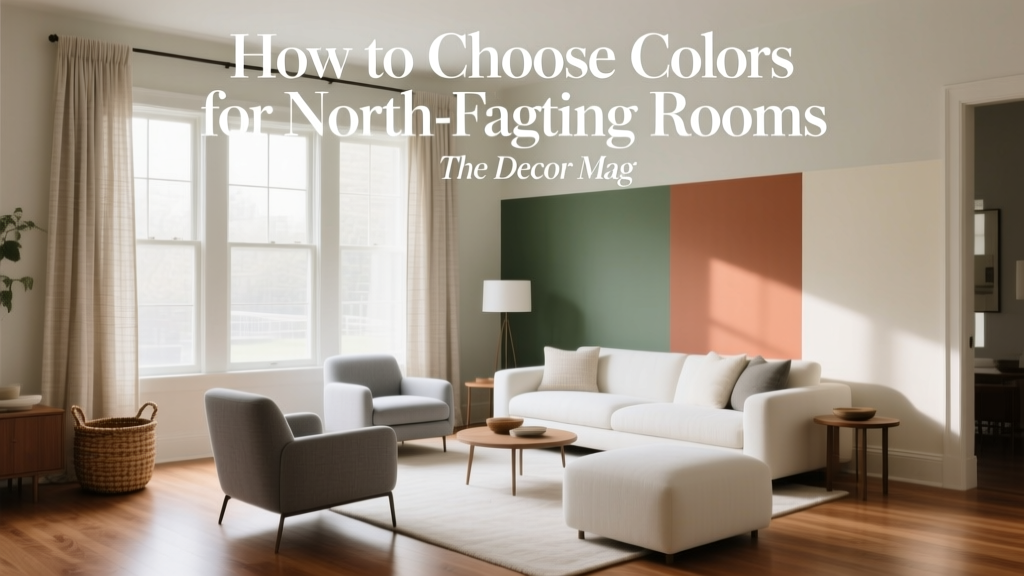 How to Choose Colors for North-Facing Rooms - The Decor Mag
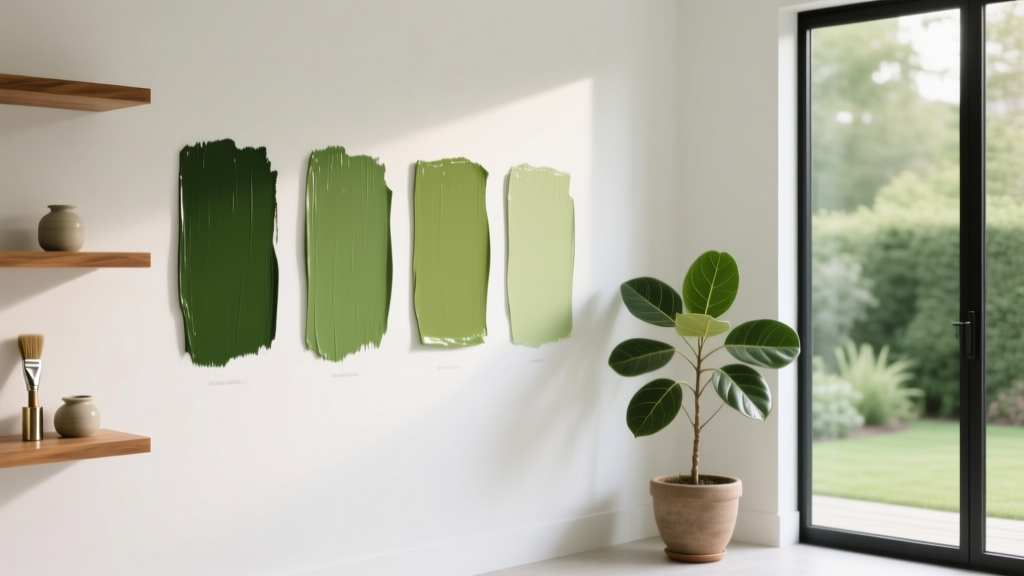 Best Chartreuse Paint Colors - The Decor Mag
 Best Maroon Paint Colors - The Decor Mag
 How to Incorporate Bold Colors Subtly - The Decor Mag
 How to Choose Colors for a Scullery - The Decor Mag
 Best Cucumber Paint Colors - The Decor Mag
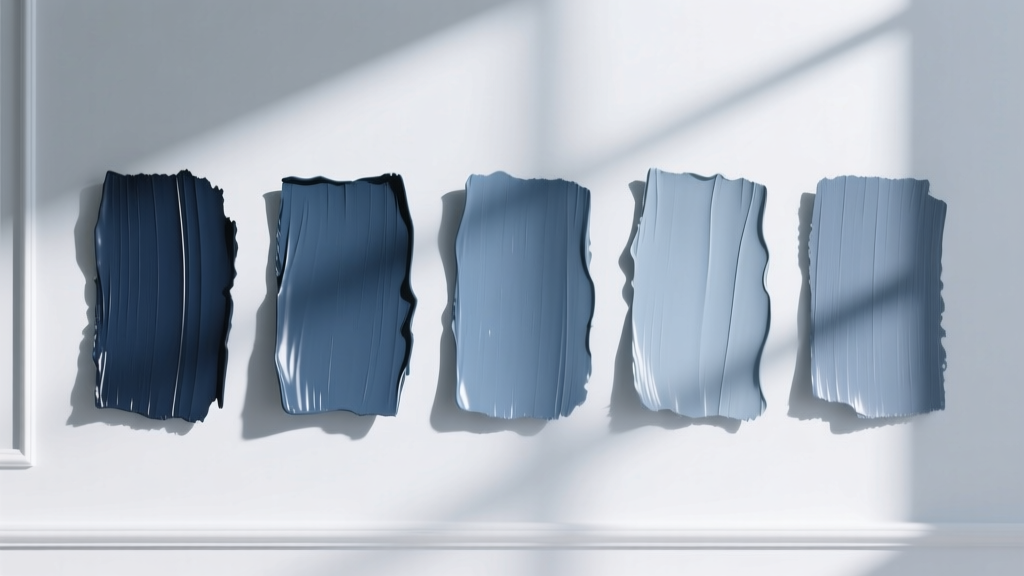 Best Slate Blue Paint Colors - The Decor Mag
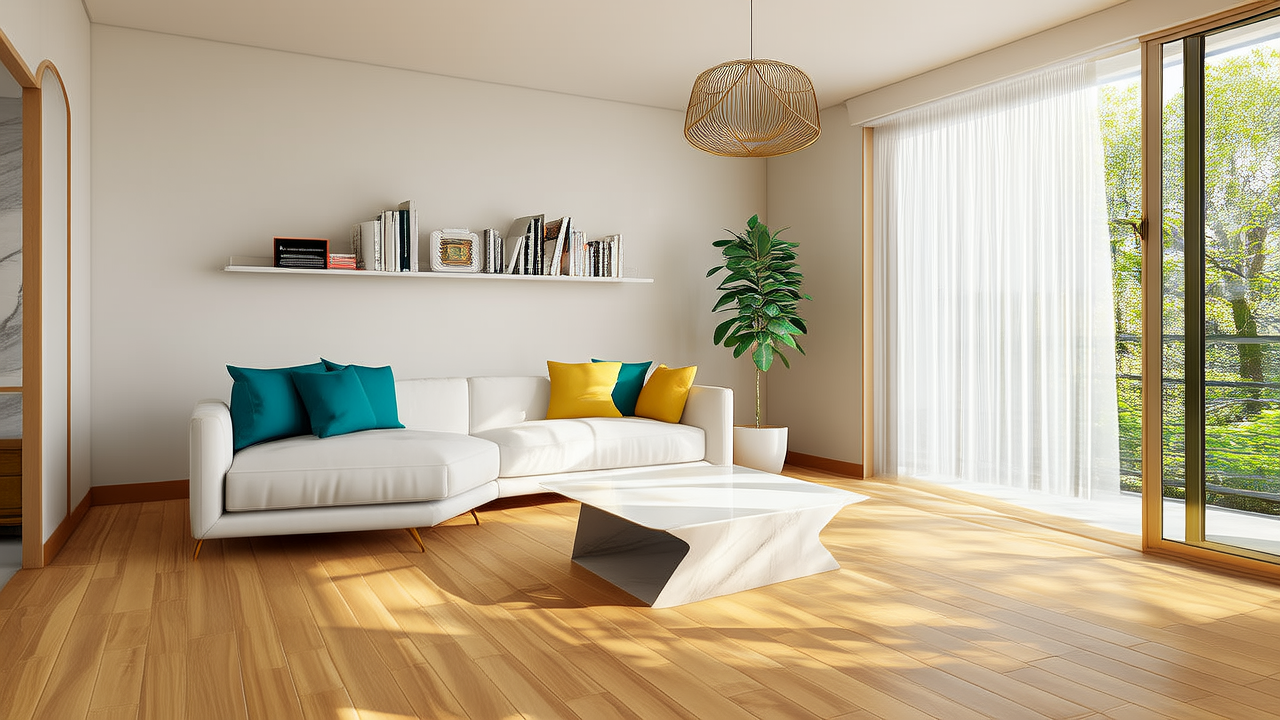 How to Choose Cozy: A Science-Backed Guide
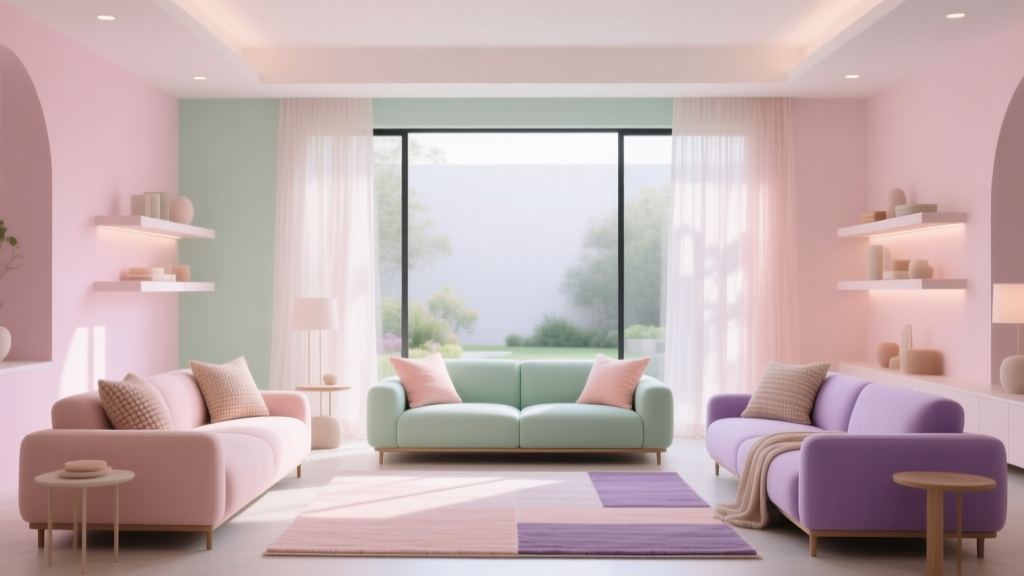 Pastel Color Palette Design Guide - The Decor Mag