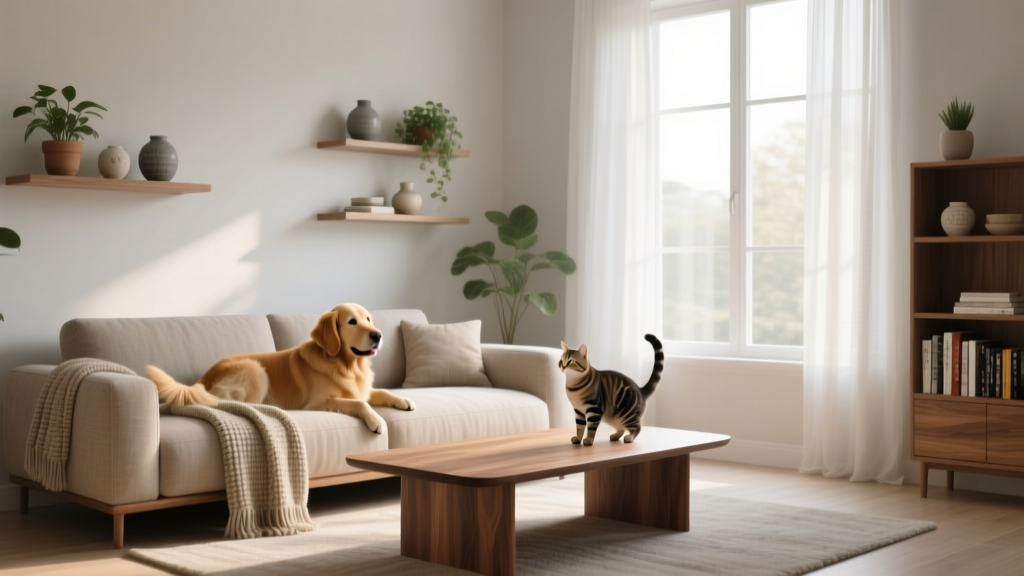
Pet-Friendly Living Room Furniture Picks - The Decor Mag
Pets make a living room feel like home—but they also put your furniture to the test. Between muddy paws, shedding, zoomies, drool, scratching, and the occasional “oops,” the wrong sofa or rug can look tired fast. The good news: you don’t have to choose between a stylish living room and a pet-friendly one.
This guide walks you through smart, good-looking living room furniture picks that stand up to real life with dogs and cats. You’ll learn which materials perform best, what dimensions to consider, how to plan a layout that works for both humans and animals, and which common buying mistakes lead to premature wear. You’ll also find practical product-style recommendations (by type, not brand), budget ranges, and real-world scenarios to help you visualize what works.
If you’re updating a rental, furnishing a first home, or refreshing a long-loved space, these pet-friendly living room ideas will help you create a room that feels pulled together—without constantly worrying about fur and fingerprints.
What “Pet-Friendly” Really Means for Living Room Furniture
Pet-friendly living room furniture isn’t just “durable.” It’s a mix of:
- Easy-clean surfaces (resistant to stains, moisture, and odor absorption)
- Scratch resistance (especially for cat owners)
- Hair management (weaves and textures that don’t trap fur)
- Comfort for humans and pets (because they’ll use it too)
- Replaceable parts (removable covers, slipcovers, modular pieces)
- Practical color and pattern that camouflages minor messes
Design-wise, the goal is a living room that still looks intentional: cohesive textures, thoughtful proportions, and a layout that supports lounging, play, and easy cleanup.
Best Sofa and Sectional Picks for Homes With Pets
Your sofa is usually the biggest investment in living room design, and it takes the most wear. Choose upholstery and construction that can handle daily contact—then style it with layered textiles that you can wash.
Top Upholstery Materials (Ranked by Pet Performance)
- Performance fabric (poly blends): Designed to resist stains and moisture; often cleanable with mild soap and water. Great for families and renters.
- Tight-weave microfiber: Affordable, soft, and typically resistant to snagging. Fur brushes off easily.
- Solution-dyed acrylic (indoor/outdoor fabrics): Excellent stain resistance and colorfastness; surprisingly comfortable for indoor sofas.
- Top-grain or full-grain leather: Wipes clean and doesn’t hold odor; scratches can happen but can blend into a patina (especially on distressed finishes).
- Velvet (only specific types): Look for performance velvet; fur often lifts off easily, but cheaper velvet can crush or mark.
Skip or think twice: loose weaves (snag magnets), silk blends, untreated linen, and anything labeled “delicate” or “dry clean only” for a main seating piece.
Pet-Friendly Sofa Features Worth Paying For
- Removable, washable cushion covers (a game changer for muddy days)
- Bench seat vs. multiple cushions: Bench seats reduce crumb and fur gaps; multiple cushions let you rotate and replace one piece later.
- High rub count upholstery (look for 30,000+ double rubs for everyday durability)
- Solid frame: Kiln-dried hardwood or quality engineered wood; avoid flimsy frames that loosen with jumping
- Leg height that matches your cleaning style: 5–6 inches of clearance makes vacuuming under the sofa easier; low-to-the-floor reduces lost toys but can trap hair at edges
Size and Layout Guidance (So Your Room Still Flows)
Pet-friendly doesn’t mean oversized. Right-sizing helps keep pathways clear for both people and pets.
- Maintain 30–36 inches for primary walkways (especially between sofa and entry routes).
- Leave 16–18 inches between sofa and coffee table for comfortable movement.
- Choose a sectional depth wisely: 36–40 inches deep suits most adults; deeper (42+ inches) feels loungey but can encourage pets to claim the entire seat.
Real-World Scenario: The “Two Dogs + Rental” Setup
A renter with two medium dogs might choose a compact modular sectional in a medium-tone performance fabric (think heathered gray, warm taupe, or denim blue). Add a washable throw over the chaise, and use slipcovered accent pillows you can toss in the wash weekly. The modular pieces help if you move—and if one section gets heavy wear, you can swap placement to distribute it.
Pet-Friendly Chairs and Accent Seating That Still Looks Designer
Accent chairs often become the “pet throne,” so choose materials that are resilient and shapes that are easy to clean around.
Best Chair Types for Pet Homes
- Barrel chairs: Enclosed shape reduces scratch points; cozy for pets and guests.
- Slipcovered armchairs: Casual, coastal, and modern farmhouse styles work well; washable covers are ideal.
- Leather club chairs: Wipeable and timeless, especially in warm cognac or saddle tones.
- Swivel chairs: Great for family rooms; pick performance upholstery to handle frequent contact.
Design tip: If your living room is mostly smooth upholstery (leather or microfiber), add contrast with a bouclé-look performance fabric or a textured weave on one chair—just keep it tight enough to resist snagging.
Rugs That Handle Fur, Accidents, and Daily Traffic
A rug anchors the living room design, reduces noise, and provides traction for pets. But the wrong rug can hold odor and show every hair.
Best Rug Materials for Pet-Friendly Living Rooms
- Low-pile synthetic (polypropylene or polyester): Budget-friendly, stain-resistant, and easy to vacuum.
- Washable rugs: Ideal for small kids and pets; look for a rug pad that prevents slipping.
- Wool (tight loop or cut pile): Naturally resilient and odor-resistant, but higher cost; avoid high-loop styles if you have cats that scratch.
- Indoor/outdoor rugs: Great for dogs that track in dirt; modern patterns make them look surprisingly elevated indoors.
Rug Size Rules (So It Looks Finished)
- 8' x 10' works for most standard living rooms with a sofa and two chairs.
- 9' x 12' is ideal for larger rooms or sectionals—more coverage means fewer dirty edges on exposed flooring.
- Minimum guideline: Front legs of all seating should sit on the rug, or at least the sofa’s front legs and both chair front legs.
Pattern tip: Choose a rug with heathered, multi-tone patterning (vintage-inspired, geometric, or subtle speckle). It hides fur and minor stains far better than a solid cream rug.
Coffee Tables and Side Tables: Scratch-Resistant and Easy to Wipe
Tables take a beating: paws, claws, water bowls, chew toys, and the occasional jump-up. Go for surfaces that forgive daily life.
Best Table Materials for Pet Homes
- Solid wood with a matte finish: Minor scratches blend better than high-gloss finishes.
- Wood veneers (quality): Budget-friendly; choose durable topcoats and avoid thin, delicate veneers.
- Metal frames: Great for durability and modern living room decor; pair with rounded corners for safety.
- Stone or faux stone (sintered stone, quartz top): Very wipeable; ensure edges aren’t sharp and that the table is stable.
Skip: High-gloss lacquer (shows every scratch), soft pine (dents easily), and glass tops if your pet regularly jumps or you prefer a more relaxed, family-friendly room.
Pet-Smart Shapes and Measurements
- Rounded corners reduce bumps during high-energy play.
- Oval coffee tables are excellent for tighter walkways.
- Height: Aim for a coffee table within 1–2 inches of your sofa seat height for comfort and proportion.
Storage Furniture That Keeps the Living Room Looking Calm
Pet-friendly living room design is as much about organization as it is about materials. Smart storage reduces clutter (and the temptation for pets to “sample” items).
Best Storage Picks
- Storage ottoman: Hide toys, lint rollers, and throws; choose performance upholstery or wipeable faux leather.
- Closed media console: Doors keep cords, treats, and pet gear out of sight (and out of mouths).
- Built-in look bookcases: Use lower baskets with lids for pet items; style upper shelves with durable decor.
Real-world scenario: If your cat loves batting remote controls under the sofa, a media console with drawers plus a lidded catch-all tray on the coffee table can keep essentials accessible and protected.
Budget Ranges: What to Spend (and Where to Save)
Pet-friendly furniture can be found at many price points. The trick is to invest in the pieces that take constant contact.
- Sofa/sectional: $900–$2,500 for quality performance upholstery; $2,500–$5,500+ for premium frames, top-tier cushions, and high-end leather.
- Accent chairs: $250–$700 midrange; $700–$1,800+ for premium upholstery and craftsmanship.
- Rugs: $150–$500 for synthetic or washable; $600–$2,000+ for wool in larger sizes.
- Coffee/side tables: $150–$600 midrange; $600–$1,500+ for solid wood or stone tops.
Where to save: Side tables, decorative lighting, and some storage pieces. Where to invest: The main sofa and your primary rug—these are the workhorses of your living room.
Design Tips to Make Pet-Friendly Furniture Feel Elevated
Durable doesn’t have to read “utility.” These styling moves keep your living room decor looking intentional.
1) Pick Colors That Work With Fur (Not Against It)
- Have a black dog or cat? Try charcoal, mid-gray, navy, or patterned rugs.
- Have a light-shedding pet? Warm mid-tones like camel, taupe, greige, or oatmeal patterns help disguise fur.
- Avoid extremes (pure white or true black) unless you’re committed to frequent upkeep.
2) Use Layering as “Stylish Protection”
- Place a washable throw over your pet’s preferred spot.
- Add two sets of pillow covers so one can be washed while the other is in use.
- Use a rug pad to prevent slipping (safer for pets and reduces rug wear).
3) Create a Pet Zone That Blends In
Instead of fighting your pet’s habits, incorporate them. Place a pet bed that complements your palette—bouclé-look, woven, or faux shearling—near the sofa so they have a dedicated spot. Aim for a bed roughly 30–36 inches long for medium dogs, 40–48 inches for larger breeds, and a compact bolster for cats.
Common Mistakes to Avoid
- Choosing trendy but fragile fabrics: Loose bouclé and open weaves can snag quickly with claws.
- Going too light with a solid rug: A cream rug can be beautiful, but it shows every paw print and hair. If you love light rugs, choose a patterned ivory or washable option.
- Buying a sofa with fixed cushions: If you can’t remove covers or rotate cushions, wear shows faster.
- Ignoring finishes: High-gloss tables and delicate wood stains show scratches and water rings immediately.
- Forgetting stability: Lightweight side tables tip easily when bumped by playful pets.
- Skipping a rug pad: Slipping rugs are a safety hazard and shorten rug life.
Step-by-Step: A Simple Pet-Friendly Living Room Refresh Plan
- Identify the “pet hotspots”: Where do they sleep, scratch, or run? Plan furniture and washable layers around those zones.
- Upgrade the biggest surface first: If your sofa is the main struggle, start there with performance upholstery and removable covers.
- Add a rug that anchors and hides: Choose low-pile, patterned, and correctly sized (often 8' x 10' or larger).
- Swap tables to matte, durable finishes: Prioritize rounded shapes and stable bases.
- Build in storage: Add a storage ottoman or closed console to keep toys and tools tucked away.
- Finish with washable styling: Throws, pillow covers, and pet-friendly plants (real or faux) to bring warmth without worry.
FAQ: Pet-Friendly Living Room Furniture
What is the best couch material for dogs?
Performance fabric and tight-weave microfiber are top picks for durability, stain resistance, and easy cleaning. If you prefer leather, choose top-grain leather with a more matte finish to help hide everyday marks.
What fabrics should cat owners avoid?
Avoid loose weaves, delicate linen blends, and high-loop rugs. Cats can snag fibers quickly. Look for tight weaves, microfiber, or performance velvet, and consider adding a scratching post near their favorite furniture corner.
Are washable rugs actually worth it?
Yes—especially for renters, pet owners with puppies, or anyone dealing with frequent accidents. Choose a washable rug with a good non-slip pad and a pattern that camouflages daily life.
How do I keep my living room from smelling like pets?
Start with materials that don’t absorb odors (performance fabric, leather, low-pile rugs). Then add routine maintenance:
- Vacuum upholstered furniture weekly (use a pet hair attachment)
- Wash throws and pillow covers regularly
- Use a washable rug or steam-clean seasonally
What’s the best sofa color for hiding pet hair?
Mid-tone, mixed-color upholstery is the easiest to live with—think heathered grays, taupes, denim blues, and subtle patterns. Matching your pet’s fur color helps, but multi-tone texture is even more forgiving.
Can a stylish living room still work with a pet crate?
Absolutely. Choose a crate with furniture styling (wood look or a crate that doubles as an end table), place it where it feels integrated—near the sofa or along a wall—and add a cushion that coordinates with your living room color palette.
Next Steps: Build a Living Room You’ll Love Sharing
Start with one high-impact upgrade—usually a sofa in performance upholstery or a properly sized, low-pile rug—then layer in durable tables, smart storage, and washable textiles. The result is a living room that feels welcoming, polished, and ready for real life with pets.
For more pet-friendly living room ideas, furniture guides, and decor trends you can actually use, explore more inspiration on thedecormag.com.
More Articles
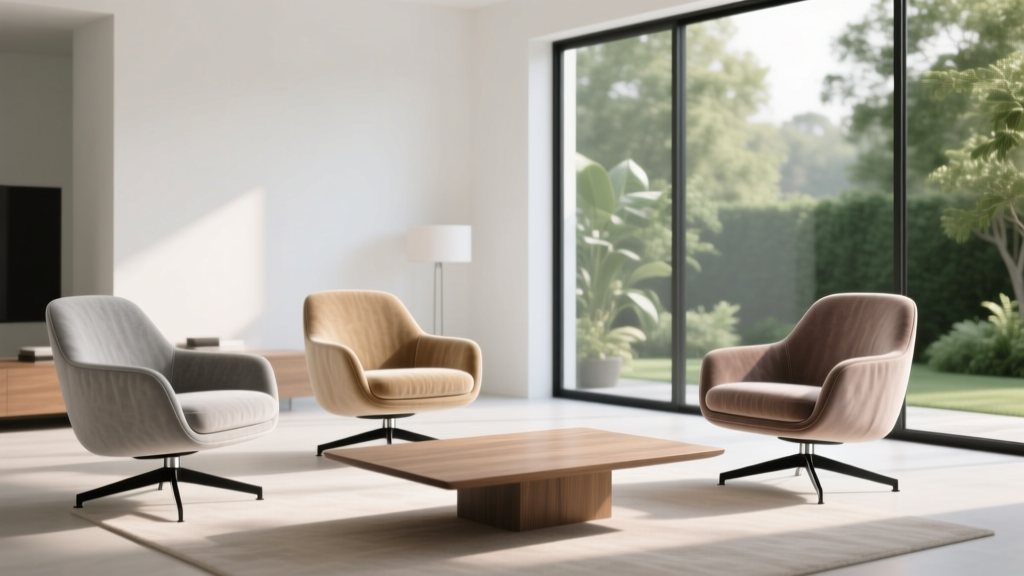 Best Swivel Chair Options for Living Rooms - The Decor Mag
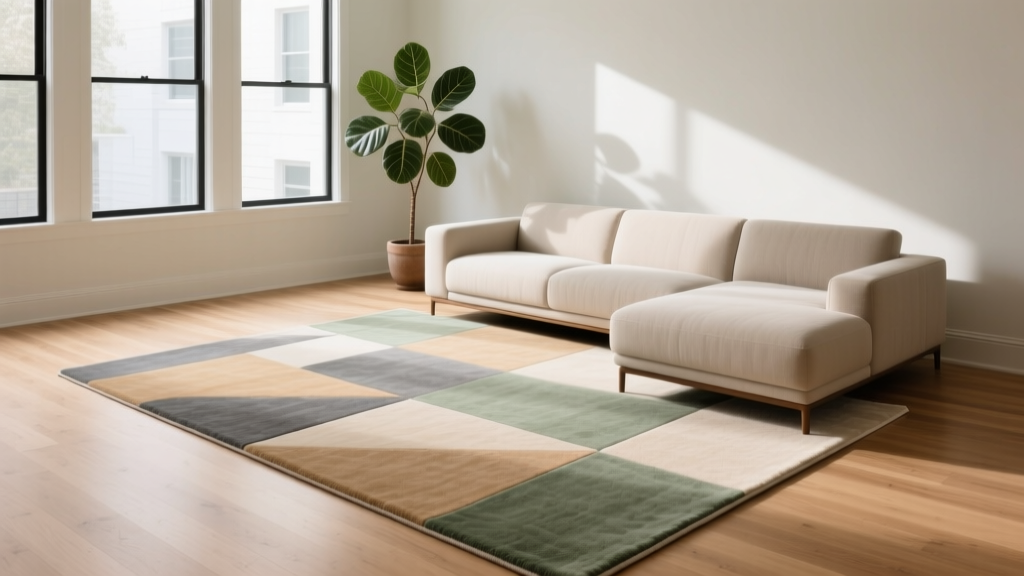 Rug Size for Living Room: How to Choose (2026)
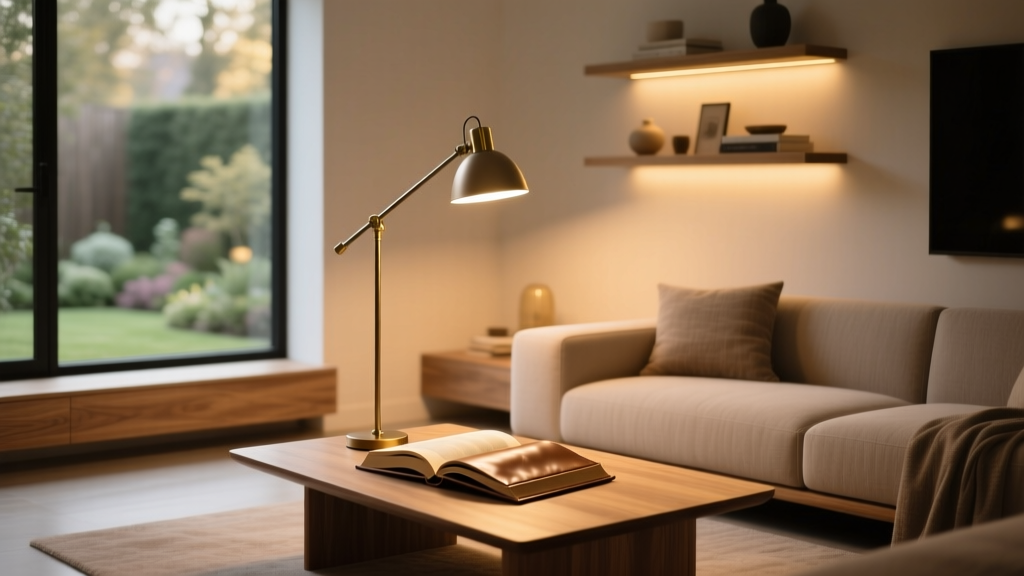 Best Floor Lamp Options for Reading - The Decor Mag
 Eclectic Living Room Decor Tips - The Decor Mag
 Living Room Desert Southwest Aesthetic - The Decor Mag
 Smart Function Storage Ideas for Real Living Spaces
 Living Room Fireplace Design Ideas - The Decor Mag
 Best Sofa Table Lengths for Sectionals - The Decor Mag
 Best Accent Wall Treatments Under $500 - The Decor Mag
 Living Room Dramatic Dark Moody Design - The Decor Mag