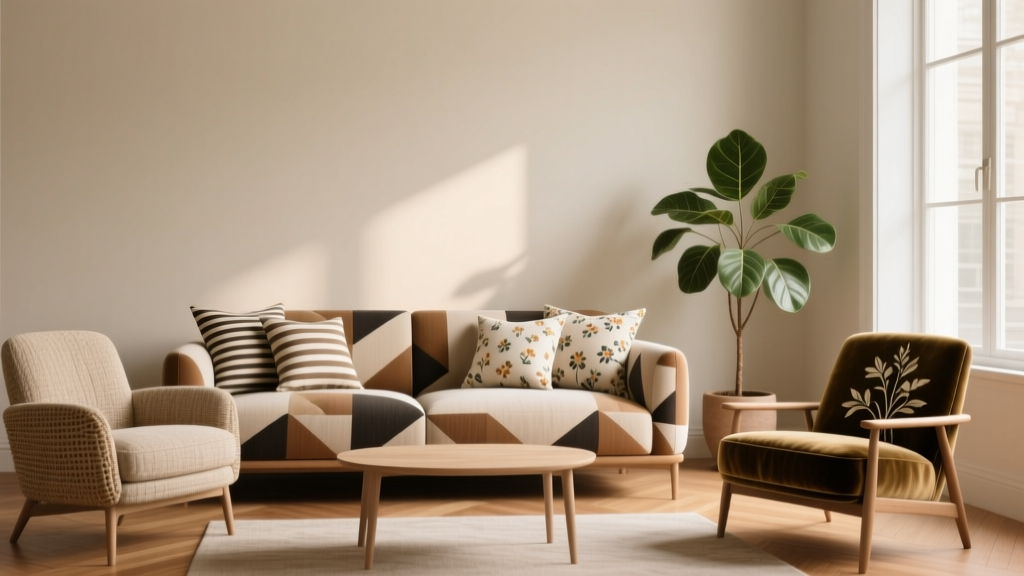
How to Mix Upholstery Patterns Successfully - The Decor Mag
Mixing upholstery patterns can be the difference between a living room that feels thoughtfully designed and one that reads as flat or unfinished. Pattern brings movement, personality, and a layered look that you usually see in professionally styled homes—but many homeowners and renters avoid it because they worry it will feel “too busy” or won’t match.
The good news: mixing patterns isn’t about having an eye you’re born with. It’s a set of repeatable guidelines that work across styles, from modern and Scandinavian to traditional and eclectic. In this guide, you’ll learn a simple framework for choosing patterns, scaling them, balancing color, and placing them strategically on sofas, chairs, ottomans, and pillows—so your living room feels cohesive, comfortable, and current.
We’ll cover step-by-step formulas, real-world scenarios (including rentals), common mistakes to avoid, and practical specs like pillow sizes, rug proportions, and durable materials that stand up to daily life.
Start with Your “Anchor”: One Solid or Subtle Pattern
Successful pattern mixing starts with a calm foundation. In living room design, the anchor is usually the largest upholstered piece—your sofa or sectional—because it dominates the visual field.
Choose an anchor that supports layering
- Best option for most rooms: a solid sofa in a textured weave (linen blend, performance velvet, bouclé, or a basketweave).
- Also works: a very subtle pattern (micro-herringbone, tone-on-tone stripe, small check) that reads nearly solid from 6–8 feet away.
- If you love bold sofas: pick one bold pattern on the sofa and keep most other upholstery quieter—then add smaller accents for contrast.
Practical tip: Stand 6 feet from a fabric sample. If you can clearly read the motif, it’s a “statement pattern.” If it blurs into texture, it’s a “supporting pattern.” Mixing is easier when your anchor is a solid or supporting pattern.
Budget ranges (typical living room anchor pieces)
- Budget: $700–$1,500 (solid upholstery with limited fabric options)
- Mid-range: $1,500–$3,500 (more durable fabric choices, better frames)
- Investment: $3,500–$8,000+ (premium fills, custom fabrics, heirloom frames)
The Pattern Mixing Formula Designers Use
If you want a reliable structure, use this classic approach: one large-scale pattern, one medium-scale pattern, and one small-scale pattern. When scale changes, patterns feel intentional instead of competitive.
Step-by-step: The 60/30/10 approach for living room decor
- 60% base: solid or near-solid upholstery (sofa, drapery, or rug can count here).
- 30% secondary: one noticeable pattern (accent chair upholstery, curtains, or a rug if your upholstery is solid).
- 10% accent: small, punchy patterns (throw pillows, lumbar pillows, a patterned ottoman, or a throw).
This doesn’t mean you can only use three patterns. It means you create a hierarchy so your eye knows where to land.
What counts as “large,” “medium,” and “small”?
- Large-scale: motifs larger than 4–6 inches (oversized florals, big geometrics, wide stripes)
- Medium-scale: 1–4 inch repeats (ikat, classic prints, mid-size checks)
- Small-scale: under 1 inch or “micro” (pin dots, tight stripes, small herringbone)
Pick a Tight Color Palette (Then Repeat It)
The fastest way to make mixed upholstery patterns look polished is to keep the color story consistent. A tight palette also helps renters work around existing wall colors, flooring, or landlord-provided curtains.
A simple palette rule that works
- Choose 2–3 main colors (for example: warm white, camel, and deep olive).
- Add 1–2 accent colors (like brass/gold tones, terracotta, navy, or dusty rose).
- Repeat each color at least twice in the room (pillows + art, rug + throw, chair + vase).
Designer trick: Pull the “odd” color from one pattern (say, a tiny thread of rust in a navy pillow) and echo it elsewhere (a ceramic lamp base, a book spine, a throw blanket). That’s how living rooms feel intentionally styled rather than randomly assembled.
Mix Pattern Types: Stripe + Floral + Geometric (or a Modern Equivalent)
Mixing patterns is easier when the patterns are different “families.” Three florals can look fussy; three geometrics can feel rigid. A blend creates balance.
Go-to combinations for living room upholstery
- Timeless: stripe + floral + small check
- Modern: abstract + geometric + textured solid (bouclé or slub linen)
- Coastal: ticking stripe + organic botanical + subtle weave (seagrass-inspired texture)
- Transitional: ikat + thin stripe + tone-on-tone herringbone
Trend watch: Right now, we’re seeing a return to heritage prints (block prints, botanicals, and tapestry-inspired motifs) paired with clean-lined silhouettes and performance fabrics. It’s a great mix of character and practicality.
Let Texture Do Some of the Heavy Lifting
If you love the look of layered upholstery but don’t want lots of bold prints, lean into texture. Texture reads as pattern’s calmer cousin—and it’s a cornerstone of timeless living room design.
High-performing, living-room-friendly materials
- Performance fabric (poly blends): great for kids, pets, and rentals; many are stain-resistant and easy to clean.
- Performance velvet: surprisingly durable, hides wear, adds depth; works beautifully with patterns on pillows.
- Chenille: soft and cozy, but choose tightly woven options for better longevity.
- Linen blends: relaxed look; better than 100% linen for wrinkle resistance.
- Leather: timeless anchor; pairs well with patterned pillows and rugs (bonus: easy wipe-down).
Measurement tip: For a sofa, prioritize upholstery labeled 50,000+ double rubs for heavy residential use (especially if it’s your main seating). For occasional chairs, 25,000–50,000 is often sufficient.
Placement Matters: Where Patterns Look Best
You don’t need to pattern every surface. Strategic placement keeps the living room feeling curated.
Pattern placement ideas that rarely fail
- Solid sofa + patterned accent chair: an easy, designer-approved focal point.
- Patterned pillows + solid upholstery: low-commitment, renter-friendly, and budget-friendly.
- Patterned ottoman: adds interest without overwhelming vertical sightlines.
- Pattern in the rug: anchors the seating area and ties colors together—especially helpful in open-plan spaces.
Practical measurements for a balanced seating zone
- Rug size: In most living rooms, choose at least an 8' x 10'. For larger rooms, 9' x 12' often looks more proportional.
- Rug placement: Aim for the front legs of the sofa and chairs to sit on the rug (or all legs if space allows).
- Pillow sizes for a standard 84–96" sofa: two 22" x 22" + two 20" x 20" + one 12" x 20" lumbar is a reliable mix.
- Spacing: Keep 14–18" between the coffee table and sofa for comfortable movement.
Real-World Pattern Mixing Scenarios
Scenario 1: Small rental living room with a neutral sofa
You have a beige or gray sofa you can’t replace, and the room is tight. The goal is personality without visual clutter.
- Anchor: existing neutral sofa
- Add: 1 patterned area rug (medium scale) that includes your sofa color
- Then: 3–5 pillows using small + large scale (for example, a wide stripe + small dot + one textured solid)
- Finish: one patterned throw or a single statement chair if space allows
Budget-friendly range: $150–$400 for pillows/throws, $250–$800 for a rug (often the biggest impact per dollar).
Scenario 2: Family living room with pets and frequent use
Durability and cleanability matter just as much as style.
- Anchor upholstery: performance fabric sofa in a mid-tone (heathered gray, camel, or olive hides wear)
- Pattern plan: patterned rug (low pile for easier cleaning) + patterned pillows in darker values
- Best pattern types: geometrics, tight stripes, small-scale prints that disguise fur and minor stains
- Material picks: performance velvet pillows, indoor/outdoor fabric on an ottoman, and washable covers where possible
Comfort tip: If you’re using multiple patterns, keep at least one element plush (velvet, chenille, or a nubby knit throw) so the room doesn’t feel visually “hard.”
Scenario 3: Open-concept living room that needs cohesion
When the living room flows into the dining or kitchen area, pattern becomes a tool for zoning.
- Choose one hero pattern that appears in two places (for example, pillows in the living room and seat cushions in the breakfast nook).
- Keep the large upholstery calmer so the space doesn’t feel fragmented.
- Use a unifying neutral (warm white, oatmeal, charcoal) across major pieces.
Product and Shopping Guidance (Without the Guesswork)
You don’t need to buy everything from the same collection. You do need a plan.
What to look for when shopping upholstery patterns
- Color consistency: Match undertones (warm vs. cool). A warm cream and a cool gray can clash even if both are “neutral.”
- Repeat scale: If two patterns have the same size repeat, they’ll compete. Change the scale.
- Contrast level: High-contrast patterns read bolder; low-contrast patterns read softer and more timeless.
- Fabric content: For daily-use seating, prioritize performance blends; for decorative pillows, you can go more delicate.
Smart “starter set” buys for most living rooms
- Two 22" pillows in a bold, large-scale print
- Two 20" pillows in a medium pattern (stripe or geometric)
- One lumbar pillow in a small-scale pattern or textured solid
- One throw blanket in a contrasting texture (chunky knit, brushed cotton, or mohair-look acrylic)
Budget range for a full pillow refresh: $120–$350 depending on inserts and covers. For a more premium look, invest in feather-down or down-alternative inserts and size up inserts by 2" (use a 24" insert in a 22" cover) for a fuller “designer chop.”
Common Mistakes to Avoid
- Using the same scale everywhere: If every pillow is a small print, it turns into visual noise. Mix scales deliberately.
- Ignoring undertones: A warm taupe sofa + icy blue patterns can feel accidental unless you intentionally bridge them with a shared neutral.
- Too many focal points: If the sofa, chair, rug, and curtains all shout, nothing wins. Choose one hero and let the rest support.
- Forgetting solids: Solids (especially textured solids) give your eye a place to rest.
- Overmatching: Buying a perfectly coordinated set can look dated. Aim for “related,” not identical.
- Skipping samples: Patterns can shift dramatically in your lighting. Order swatches and view them morning and night.
FAQ: Mixing Upholstery Patterns in the Living Room
How many patterns can I use in one living room?
Most living rooms look balanced with 3–5 patterns total, especially when you vary scale and include solids. If your rug is patterned, count it as one—then layer 2–3 patterned pillows plus one textured solid.
Do patterns have to share the same colors?
They don’t have to match exactly, but they should share at least one common color (even a small amount) or live in the same undertone family. That’s what makes the mix feel cohesive.
What’s the easiest pattern to mix with everything?
Stripes are the most flexible—especially ticking stripes and thin cabana stripes. They pair well with florals, geometrics, and abstract prints and can read classic or modern depending on color.
How do I mix patterns if my sofa is already patterned?
Let the sofa be the hero. Choose pillows in solids and low-contrast textures, then bring in a second pattern through a rug or a single accent chair. Keep additional patterns smaller in scale than the sofa’s motif.
What patterns make a small living room look bigger?
Use low-contrast patterns, smaller-scale prints, and lighter backgrounds. A large, high-contrast print can work in a small room too, but keep it limited to one feature (like a single chair) and balance with quiet solids.
Should my rug match my upholstery patterns?
It should coordinate, not match. A rug can either echo your palette (pulling 1–2 shared colors) or act as the “bridge” that includes multiple tones used across pillows and upholstery.
Actionable Next Steps: Your 30-Minute Pattern Plan
- Identify your anchor (usually the sofa) and decide if it’s solid, subtle, or statement.
- Choose a palette of 2–3 main colors plus 1 accent.
- Select three patterns in different scales (large/medium/small).
- Add one texture (bouclé pillow, knit throw, velvet accent) to soften the mix.
- Place patterns strategically: start with pillows, then consider a rug or one accent chair if you want more impact.
- Test with swatches in your room’s lighting before committing to big purchases.
When you treat upholstery pattern mixing like a simple formula—scale, color, pattern family, and placement—you can create a living room that feels layered and personal, whether you’re styling a compact rental or updating a forever home.
Looking for more living room design and decor ideas? Explore more inspiration, layouts, and styling guides on thedecormag.com.
More Articles
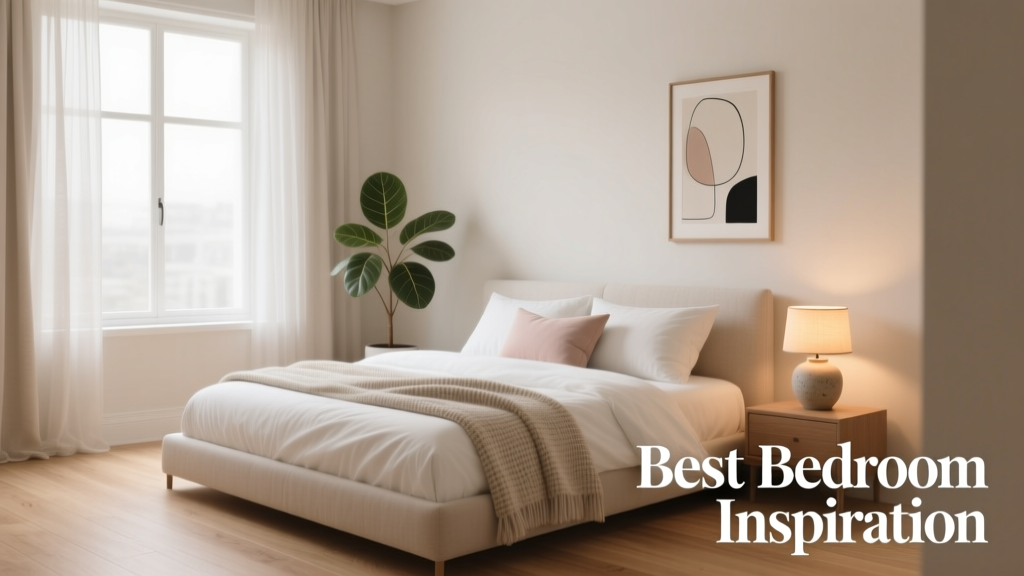 Best Bedroom Layout Ideas 2026: Stylish & Space-Smart
 Bathroom Essentials 2026: Fixtures & Smart Upgrades
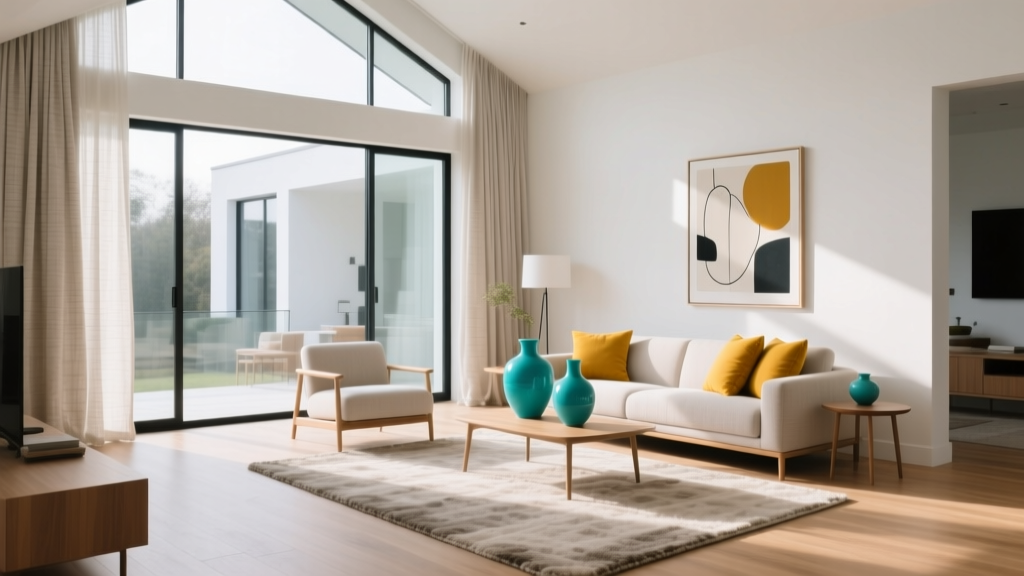 Family Living Room Layouts for Movie Night
 Budget Living Room Furniture 2026: Style & Durability
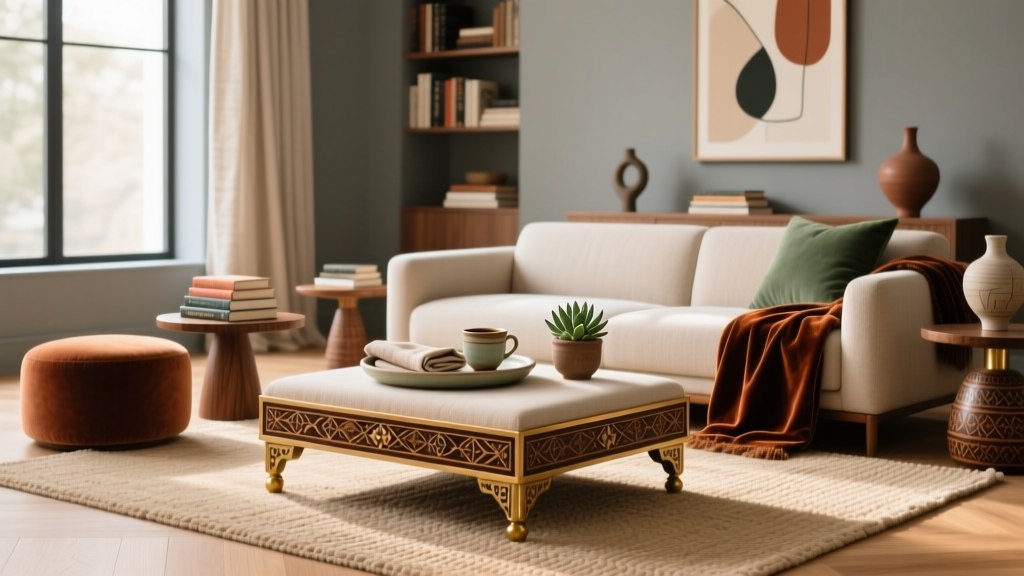 Best Ottoman Coffee Table Combinations - The Decor Mag
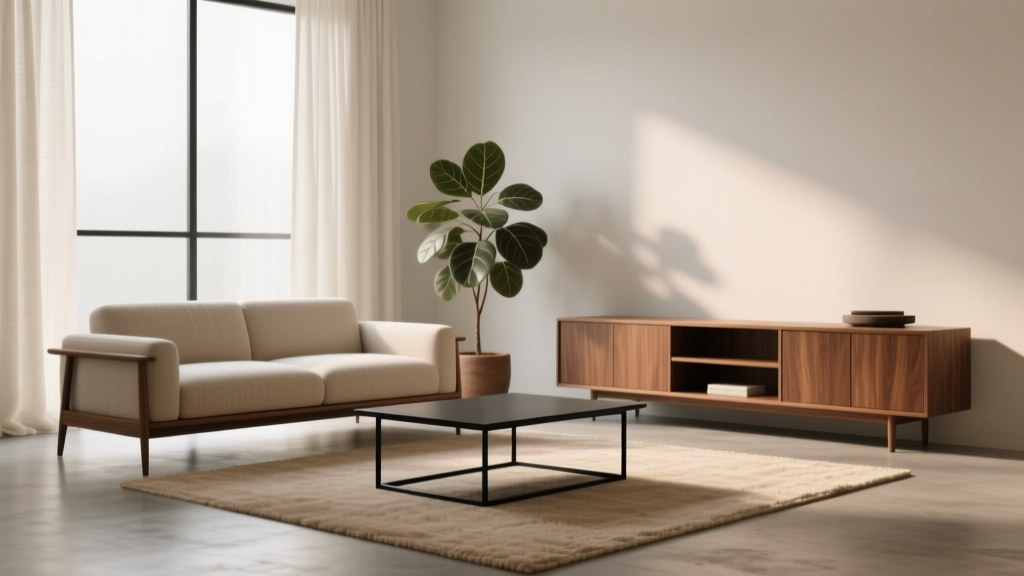 Living Room Transitional Furniture Guide - The Decor Mag
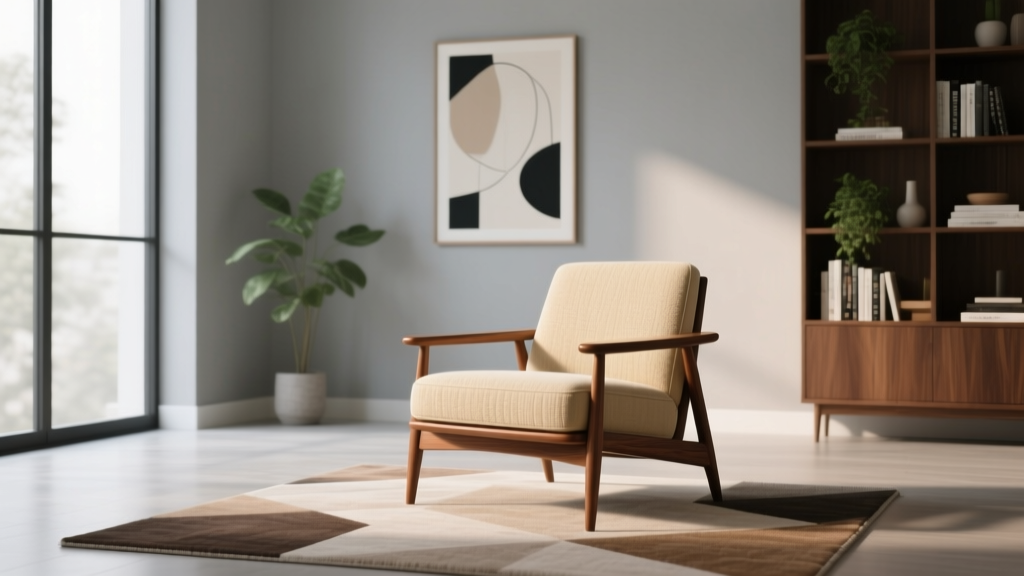 The Best Accent Chairs for Living Rooms - The Decor Mag
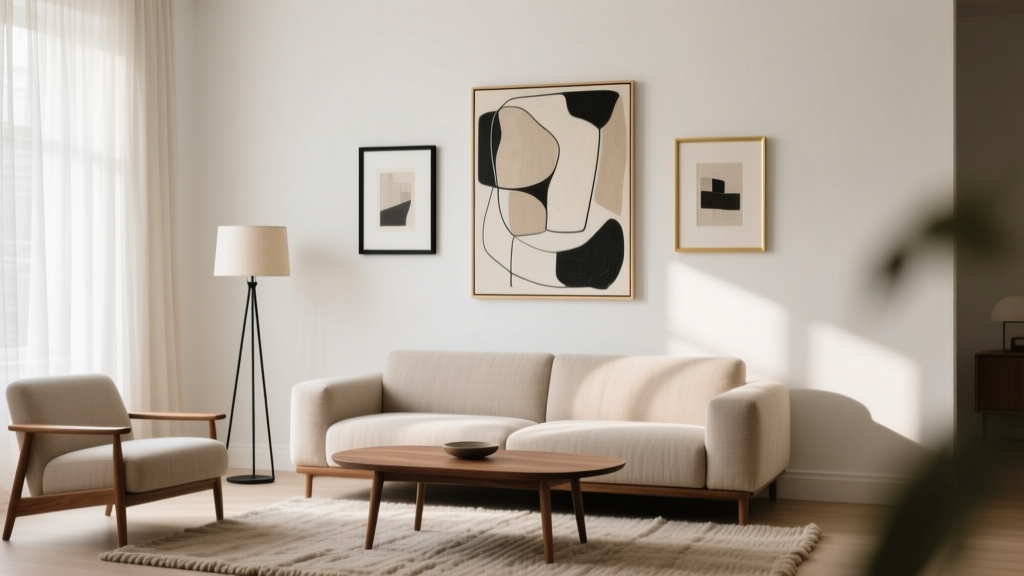 Living Room Art Placement Guide - The Decor Mag
 Small Living Room Storage Solutions - The Decor Mag
 How to Mix Old and New in Living Room Decor - The Decor Mag