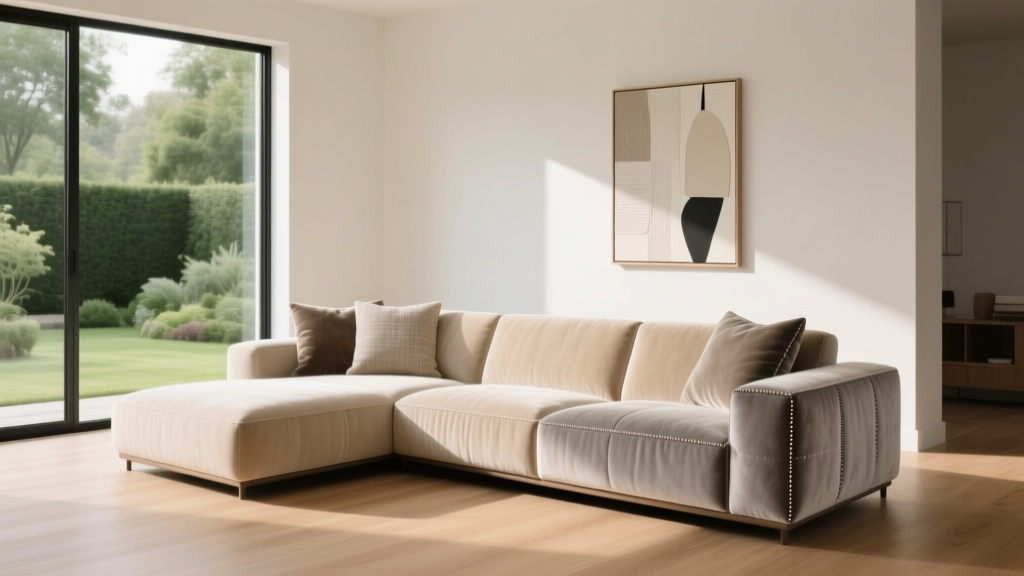
Best Fabrics for Living Room Upholstery - The Decor Mag
Your living room works harder than almost any other space in your home. It’s where you unwind after work, host friends, binge-watch movies, and (if you have kids or pets) manage daily chaos. Upholstery fabric sits at the center of it all—taking the brunt of spills, sunlight, friction, and life. The right fabric can make a sofa look tailored and expensive for years; the wrong one can look tired in a season.
Choosing upholstery isn’t just about color or pattern. It’s about durability, comfort, maintenance, and how a fabric behaves in real homes—small apartments, open-plan houses, rentals with limited flexibility, and family rooms that never truly “close.” This guide breaks down the best upholstery fabrics for living rooms, how to match them to your lifestyle, and what to look for when shopping—so you can get a beautiful, practical result that feels like you.
You’ll learn the strengths (and weaknesses) of popular upholstery materials, what performance ratings matter, current living room design trends, and practical shopping tips—including budget ranges, measurements, and common mistakes to avoid.
How to Choose Upholstery Fabric: A Quick Checklist
Before we get into specific fabrics, start with a few decision points. Your “best” upholstery depends on who uses the room and how.
- Traffic level: Is this a formal living room or your everyday hangout?
- Kids/pets: Do you need stain resistance, snag resistance, and easy cleaning?
- Sun exposure: Is the sofa near a bright window? UV fades some fabrics faster than others.
- Feel: Do you want soft and cozy, crisp and tailored, or something in-between?
- Maintenance tolerance: Are you willing to spot-clean only, or do you want washable covers?
- Budget: Are you reupholstering a beloved piece or buying ready-made?
Performance Metrics That Actually Matter
When you’re shopping for upholstery fabric (especially yardage for custom or reupholstery), ask about these specs:
- Martindale or Wyzenbeek (double rubs): A durability test. For most living rooms, aim for 20,000–50,000 double rubs. For homes with kids/pets or heavy daily use, look for 50,000+.
- Colorfastness to light: Helpful for sunny rooms. Higher ratings mean better fade resistance.
- Pilling resistance: Especially relevant for woven fabrics and blends.
- Cleanability codes (often on furniture tags):
- W: water-based cleaners
- S: solvent-based cleaners only
- WS: water or solvent
- X: vacuum/brush only
Best Fabrics for Living Room Upholstery (Pros, Cons, and Best Uses)
1) Performance Fabrics (Solution-Dyed Acrylic, Olefin, and Performance Blends)
If you want the most forgiving option for real life, start here. Performance fabrics are designed to resist stains, moisture, and fading—without looking like “outdoor furniture” the way they did years ago. Many lines now come in chic textures (bouclé-like nubs, linen-look weaves, velvety finishes) that suit modern living room design.
- Best for: Kids, pets, entertaining, renters who want easy upkeep
- Feel/style: From tailored to cozy; great for casual and contemporary interiors
- Pros: Stain resistance, easy cleaning, strong UV performance
- Cons: Some weaves can feel slightly “crisp” compared to natural fibers; cheaper options may attract oils
What to look for: “Solution-dyed” fibers (color goes all the way through, improving fade resistance) and a tight weave.
Budget range: Ready-made sofas often include performance fabric upgrades for $100–$500. Fabric yardage commonly runs $25–$80/yard, with designer performance textiles $90–$200/yard.
Real-world scenario: A couple with a dog chooses a warm greige performance weave for a 90-inch sofa. Muddy paw prints wipe off with mild soap and water, and the neutral color keeps the living room feeling calm even when toys are out.
2) Leather (Top Grain, Semi-Aniline, and Corrected Grain)
Leather is timeless, durable, and can look better with age—if you choose the right type. For living rooms, aim for top-grain leather with a protective finish if you want easier maintenance. Full aniline looks gorgeous but stains more easily.
- Best for: High-traffic living rooms, design-forward spaces, households that value longevity
- Feel/style: Classic, modern, rustic, mid-century, and industrial
- Pros: Very durable, easy to wipe, doesn’t hold odors like some fabrics
- Cons: Can scratch; may feel cold in winter and sticky in summer; direct sun can fade
Leather types in plain language:
- Semi-aniline: Natural look with a light protective coat (a sweet spot for living rooms).
- Corrected grain/pigmented: More uniform, more protection, often more budget-friendly.
- Full aniline: Most natural, most vulnerable—best for low-stress spaces.
Budget range: Quality leather sofas typically start around $2,000–$3,500 and go up from there. Faux leather can be $700–$1,800, but longevity varies widely.
Design tip: If your living room feels flat, a camel or cognac leather sofa adds instant depth and warmth—especially paired with a textured rug and matte black accents.
3) Velvet (Cotton Velvet, Mohair, and Performance Velvet)
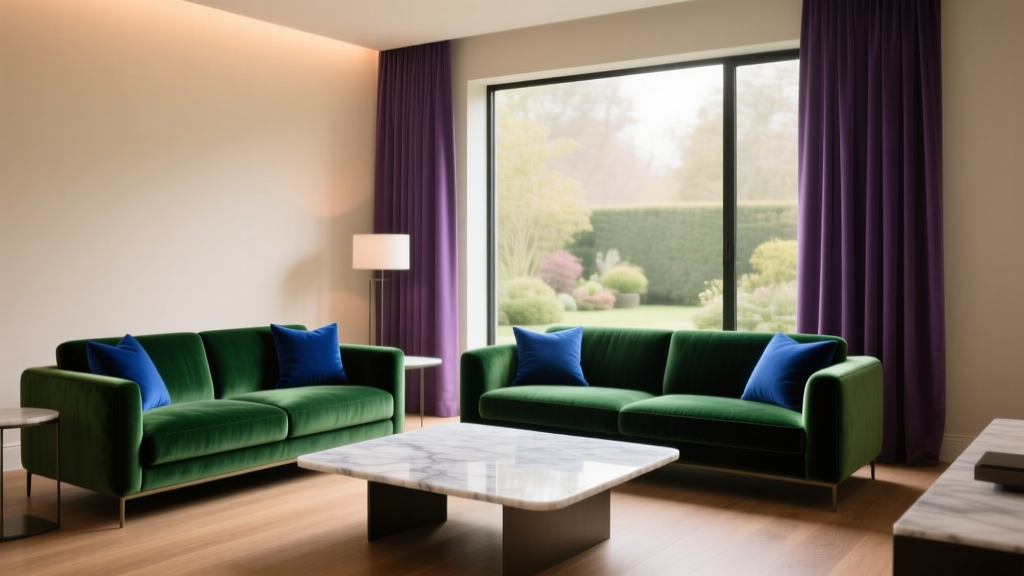
Velvet is having a major moment in current design trends—especially in jewel tones, earthy olives, and warm neutrals. It reads luxe, feels cozy, and reflects light in a way that makes a living room feel layered.
- Best for: Glam, traditional, modern, and eclectic living rooms; anyone who wants softness
- Pros: Rich color depth, comfortable, often surprisingly pet-friendly (fur brushes off easily)
- Cons: Can show pressure marks; some velvets spot-stain if not treated
Choose wisely: Look for performance velvet (often polyester blends engineered for stain resistance) if you’re nervous about spills. If you love heritage materials, mohair is incredibly hard-wearing (and priced accordingly).
Budget range: Velvet upholstery fabric is often $30–$120/yard; mohair can be $150–$300+/yard. Performance velvet sofas typically run $1,200–$4,000+ depending on frame quality.
Real-world scenario: A renter upgrades a basic apartment living room with an emerald performance velvet loveseat and keeps the rest neutral—cream curtains, oak coffee table, and a vintage-inspired rug. The room instantly feels intentional, even with minimal square footage.
4) Linen and Linen Blends
Linen is beloved for its relaxed, airy texture—perfect for coastal, Scandinavian, and modern organic living room decor. Pure linen wrinkles and can stain more easily, but linen blends can strike a great balance.
- Best for: Low-to-moderate traffic living rooms, bright and breezy aesthetics
- Pros: Beautiful texture, breathable, timeless
- Cons: Wrinkles, can absorb stains, may wear faster in high-friction areas
What to look for: Linen blended with cotton or performance fibers, and ideally removable/washable slipcovers if your lifestyle is messy.
Budget range: Linen-blend fabric often falls around $25–$90/yard. Slipcovered sofas range widely, typically $1,500–$5,000+.
5) Cotton (Canvas, Twill, and Cotton Blends)
Cotton is comfortable, familiar, and widely available. For living room upholstery, the weave matters: canvas and twill are sturdier than thin cotton weaves.
- Best for: Casual living rooms, slipcovers, family-friendly spaces with washable options
- Pros: Soft, breathable, easy to match in patterns and solids
- Cons: Can stain and fade; may pill; pure cotton can wear faster than blends
Pro tip: If you love cotton, choose a cotton-poly blend for better resilience and fewer wrinkles. For white or light upholstery, prioritize washable covers or performance treatments.
6) Chenille
Chenille is plush and cozy—great for movie-night comfort. It’s typically durable, but the soft pile can crush over time in high-use spots.
- Best for: Family rooms, comfy sectional seating, cozy traditional spaces
- Pros: Soft hand-feel, inviting texture, generally hard-wearing
- Cons: Can snag (cats may be tempted), may show shading/pressure marks
Style note: Chenille pairs beautifully with the current trend of rounded silhouettes and “soft modern” living rooms—think curved sofas, layered neutrals, and tactile textiles.
7) Bouclé and Nubby Textures
Bouclé has been everywhere—from sculptural accent chairs to modern sofas. It adds texture and a high-end, contemporary vibe, especially in creamy neutrals.
- Best for: Trend-forward living rooms, accent chairs, lower-mess households
- Pros: Texture-rich, hides minor wear, looks designer
- Cons: Loops can snag; cleaning can be trickier; not always ideal for pets
Pet household compromise: Choose a bouclé-look performance fabric with a tighter, more snag-resistant weave.
Matching Fabric to Your Lifestyle: Quick Recommendations
- Kids + pets + everyday lounging: Performance fabric, performance velvet, or protected leather.
- Sunny room with big windows: Solution-dyed performance fabric or leather placed away from direct sun; consider UV window film.
- Minimalist, light neutral living room: Performance linen-look weave or washable slipcovered cotton blend.
- Small living room that needs drama: Velvet in a saturated color or a warm leather to create a focal point.
- Rental-friendly flexibility: Slipcovers, washable fabrics, and mid-tone colors that hide wear.
Step-by-Step: How to Shop for Upholstery Like a Designer
- Start with a color strategy: If you want longevity, pick a base neutral (warm beige, taupe, greige, charcoal) and add trend colors in pillows and throws.
- Order swatches: View them in your living room at morning, afternoon, and evening to see undertones and sheen.
- Check texture against your rug: A nubby sofa plus a high-pile rug can feel overly busy. Mix textures: if the rug is bold, keep upholstery simpler.
- Ask for performance ratings: Aim for 20,000–50,000 double rubs minimum for a main sofa. Higher for sectionals in daily use.
- Think about cushion construction: Even the best fabric won’t help if cushions sag. Look for high-resiliency foam wrapped in down/alternative for comfort and shape retention.
- Plan cleaning from day one: Buy a fabric-safe cleaner recommended by the manufacturer, and store it where you can grab it fast.
How Much Fabric Do You Need? (Quick Guide)
If you’re reupholstering, yardage depends on style and scale, but these estimates help you plan:
- Accent chair: ~3–7 yards
- Loveseat: ~10–14 yards
- Standard sofa (3-seater): ~14–20 yards
- Sectional: ~20–30+ yards
Tip: If your fabric has a large repeat (big florals/stripes), add 10–20% extra for pattern matching.
Product Recommendations (What to Look For)
Rather than chasing one “best” brand, focus on features that reliably perform in living room settings:
- For families: A tight-weave performance fabric sofa in a mid-tone neutral (think oatmeal, stone, heathered gray) with WS cleaning code.
- For pet owners: Performance velvet or a dense woven performance textile; avoid loose weaves and delicate loops.
- For a high-end look on a mid-range budget: A velvet or textured chenille in a solid color; pair with elevated details like a walnut coffee table and oversized art.
- For rental living rooms: Slipcovered seating or a sofa with replaceable cushion covers; consider darker legs and durable fabric to hide scuffs.
Common Mistakes to Avoid
- Picking a fabric based on looks alone: A gorgeous delicate weave won’t survive daily use without showing wear quickly.
- Going too light without a plan: Cream upholstery can be stunning, but it’s easiest with performance fabric or washable slipcovers.
- Ignoring sunlight: Direct sun can fade cotton, linen, and some dyed fabrics. Use curtains, shades, or UV window film if your living room is bright.
- Over-texturing the room: If your sofa is highly textured (bouclé, chunky weave), balance with smoother pillows and simpler rugs.
- Not testing swatches: Undertones can surprise you—especially grays (blue/green) and beiges (pink/yellow).
- Skipping cushion and frame quality: Fabric can’t compensate for a weak frame or low-density foam.
FAQ: Living Room Upholstery Fabrics
What is the most durable fabric for a living room sofa?
For most homes, a tight-weave performance fabric (often solution-dyed) is the most durable and easiest to maintain. If you prefer leather, semi-aniline or pigmented top-grain leather holds up well in high-traffic living rooms.
Is velvet a good idea for a family living room?
Yes—especially performance velvet. It’s softer than many weaves, resists many stains, and pet hair often brushes off easily. Avoid very delicate cotton velvet if spills are common.
What upholstery fabric is best for pets?
Look for performance fabrics with a tight weave, performance velvet, or protected leather. Avoid loose weaves and looped textures (some bouclés) if snagging is a concern.
How do I choose between leather and fabric upholstery?
Choose leather if you want a timeless look, easy wipe-down cleaning, and long-term durability (with some scratch risk). Choose fabric if you want more color/pattern options, a softer feel, and potentially a lower upfront cost—especially in performance textiles.
What color upholstery is best for a living room?
For longevity, mid-tone neutrals like taupe, greige, oatmeal, and warm gray hide wear and coordinate easily with changing decor. If you love bold color, consider a jewel-tone velvet or a leather sofa and keep walls and rugs more neutral.
Should I get a slipcovered sofa?
If you have kids, pets, or simply want the option to refresh your living room later, slipcovers are a practical choice. Aim for durable cotton blends or washable performance slipcovers, and confirm whether the covers are machine-washable or dry-clean only.
Conclusion: Your Next Steps for a Living Room Upgrade
Start by identifying how your living room is really used—movie nights, pets on the cushions, lots of guests, or a calm space you want to keep pristine. Then match that lifestyle to a fabric that supports it: performance weaves for easy maintenance, leather for timeless durability, velvet for softness and depth, or linen blends for relaxed style.
To move from ideas to action:
- Pick 2–3 fabric types that fit your lifestyle (for many homes: performance fabric + performance velvet as a close second).
- Order swatches and test them in your room’s lighting.
- Confirm durability targets (aim for 20,000–50,000+ double rubs for main seating).
- Choose a color strategy that won’t box you in—neutral base, trend accents.
If you’re planning a full refresh, explore more living room ideas, upholstery inspiration, and decor guides on thedecormag.com.
More Articles
 Budget Living Room Furniture 2026: Style & Durability
 Living Room Cozy Reading Corner Inspiration - The Decor Mag
 Best Coffee Table Material Comparisons - The Decor Mag
 Living Room Refined Rustic Charm - The Decor Mag
 Living Room Jewel Tone Inspiration - The Decor Mag
 Living Room Window Treatments for Privacy (2026)
 The Best Accent Chairs for Living Rooms - The Decor Mag
 Living Room Curated Collections Display - The Decor Mag
 Living Room Transitional Furniture Guide - The Decor Mag
 Living Room Decor with Hardwood Floors (2026)