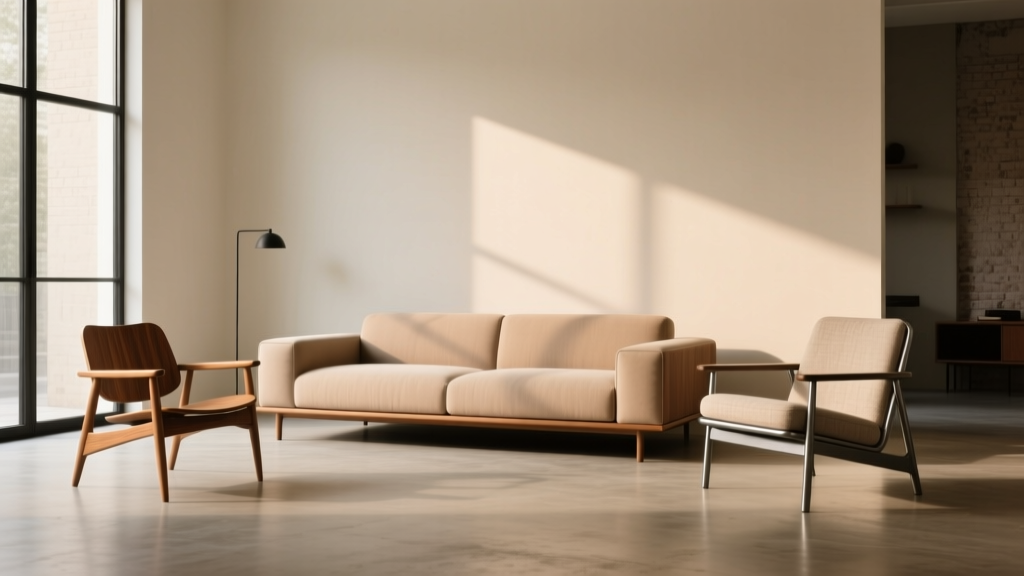
Best Side Chair Styles to Complement a Sofa - The Decor Mag
A sofa may be the anchor of your living room, but side chairs are what make the space feel intentional, flexible, and finished. The right chair can balance the scale of a sectional, soften the lines of a modern couch, or add that “collected over time” personality many homeowners and renters are after. It’s also one of the easiest upgrades: swapping or adding a chair can refresh your layout without replacing the biggest (and priciest) piece in the room.
This guide breaks down the best side chair styles to pair with different sofa types, along with practical measurements, material recommendations, and real-world layout scenarios. You’ll also find common mistakes to avoid, budget ranges, and a simple process you can follow—whether you’re furnishing a first apartment or refining a long-loved living room.
Before You Shop: How to Choose a Side Chair That Works
Great living room design is less about “matching” and more about creating harmony—through proportion, color, texture, and function. Start with these foundational checks before falling for a pretty silhouette.
1) Nail the proportions (the #1 make-or-break factor)
- Seat height: Aim for a side chair seat height within 1–2 inches of your sofa’s seat height. Most sofas sit around 17–19 inches; many accent chairs range 16–19 inches.
- Arm height: If your chair will sit close to the sofa, choose arms that are at or below the sofa’s arm height to keep sightlines open. Typical sofa arm height is 24–26 inches.
- Chair width: For standard sofas (72–90 inches), side chairs between 26–34 inches wide usually feel balanced. Oversized chairs (35–40 inches) can work beautifully—but need breathing room.
- Depth: If your sofa is deep (over 38 inches), avoid a shallow chair that looks “perched.” Choose a chair with a deeper seat or plush cushioning so the comfort level matches.
2) Use layout measurements that prevent awkward spacing
- Walkways: Keep 30–36 inches for main pathways; 18–24 inches can work for secondary circulation in tighter rooms.
- Chair-to-coffee-table distance: Keep 14–18 inches from seat edge to table for comfortable reach.
- Conversation distance: Place seating so people are 6–8 feet apart max for easy conversation.
- Rug rule: Try to keep at least the front legs of the sofa and chairs on the rug. For most living rooms, 8' x 10' is the sweet spot; smaller rooms may use 6' x 9'.
3) Decide what you need the chair to do
Side chairs can play different roles. Identify yours first:
- Conversation chair: Comfortable, angled toward the sofa, often paired with a side table.
- Reading chair: Supportive back + room for an ottoman + good light access.
- Extra seating: Light enough to move (great for renters and entertainers).
- Visual statement: Sculptural form, bold upholstery, or standout material.
Best Side Chair Styles to Pair with a Sofa
Below are the most reliable chair styles for living room seating—plus who they’re best for, what they pair well with, and how to style them.
1) Club Chair: The Comfort Classic
Best with: Traditional sofas, transitional couches, comfy contemporary pieces, and sectionals that need a “counterweight.”
A club chair brings instant warmth and lounge-worthy comfort. It’s a timeless living room choice and works especially well when your sofa is streamlined—because the chair can add softness and depth.
- Look for: A seat depth around 20–23 inches and sturdy arms if you want true lounge comfort.
- Materials: Performance fabric, top-grain leather, or textured chenille for durability.
- Budget: $250–$600 (basic), $700–$1,500 (quality upholstery), $1,800+ (designer/custom).
Real-world scenario: You have a gray sofa that feels a bit flat. Add a camel leather club chair to warm the palette and make the room feel layered without changing the sofa.
2) Wingback Chair: Instant Architecture
Best with: Classic sofas, English roll-arm couches, and modern sofas that need a touch of drama.
Wingbacks create a strong silhouette and help a living room feel “anchored.” They also look fantastic flanking a fireplace or placed near built-ins.
- Pro tip: Wingbacks can read formal—modernize them in a boucle, textured linen blend, or a subtle pattern.
- Placement tip: Angle slightly toward the sofa to soften the formality.
- Budget: $300–$800 (mass-market), $900–$2,000 (better frames/foam), $2,500+ (heirloom-grade).
3) Mid-Century Modern Chair: Clean Lines, Timeless Cool
Best with: Modern sofas, low-profile couches, and minimalist living rooms that need warmth.
Mid-century modern accent chairs are a go-to for their light footprint and iconic shapes. They’re especially helpful in smaller spaces because many sit on legs rather than a heavy base.
- Look for: Solid wood frames (walnut/oak) and dense foam seat cushions.
- Pairing idea: A tailored sofa in a neutral fabric + one wood-framed chair adds contrast and texture.
- Budget: $150–$500 (entry), $600–$1,200 (better materials), $1,500+ (authentic or high-end).
4) Slipper Chair: Small-Space Hero
Best with: Apartment sofas, loveseats, and any room where you want seating without visual bulk.
Slipper chairs are armless and typically lower-profile, making them ideal for tight living room layouts. They’re also easy to tuck closer to a coffee table without interfering with traffic flow.
- Design tip: Choose a slipper chair with a slightly higher back if it’s your primary extra seat.
- Fabric tip: Because they’re often fully upholstered, a performance weave or stain-resistant finish is worth it.
- Budget: $120–$400 (budget-friendly), $450–$900 (higher quality).
5) Barrel Chair: Curves That Soften a Room
Best with: Boxy sofas, contemporary sectionals, and modern farmhouse living rooms that need a softer edge.
Barrel chairs are having a moment—partly because curved furniture is a major current design trend. They bring a welcoming, cocoon-like feel and look great in pairs.
- Scale check: Many barrel chairs are wide; confirm you can still maintain 30 inches of walkway clearance.
- Trend-friendly materials: Boucle, nubby tweeds, and velvet (performance velvet if you have pets).
- Budget: $200–$700 (typical), $800–$1,600 (premium upholstery).
6) Swivel Chair: The Most Functional Choice
Best with: Open-concept living rooms, family rooms, and any space that connects to a TV area or kitchen.
A swivel chair turns your living room into a multi-directional hangout spot—perfect for entertaining or keeping an eye on kids. It’s also a smart companion to a sectional, because it can rotate toward the chaise or the main seating area.
- Must-check: Swivel base diameter and clearance—give at least 6–8 inches of space around the chair so it can rotate freely.
- Comfort tip: If you’ll use it daily, pick a higher back or supportive headrest.
- Budget: $300–$800 (midrange), $900–$2,000 (better mechanisms and upholstery).
7) Cane, Rattan, or Woven Accent Chair: Light and Airy Texture
Best with: Linen sofas, coastal living room decor, boho spaces, and modern organic interiors.
Woven chairs add instant texture and keep a room feeling breathable—especially helpful if your sofa is visually heavy (like a slipcovered or overstuffed style).
- Material guidance: For longevity, look for solid wood frames and tight cane weave; consider an indoor/outdoor seat cushion for easy cleaning.
- Balance tip: Pair with a substantial side table (stone, ceramic, or wood) so the look doesn’t feel too wispy.
- Budget: $150–$500 (common), $600–$1,200 (higher craftsmanship).
8) Leather Accent Chair: Adds Depth and Grows Better with Age
Best with: Neutral fabric sofas, modern rustic spaces, industrial living rooms, and transitional decor.
Leather is a classic contrast material—especially next to a soft, textured sofa. It also hides pet hair and wears in beautifully.
- What to buy: Top-grain leather for durability; avoid bonded leather if you want it to last.
- Color ideas: Cognac for warmth, black for edge, oxblood for a refined statement.
- Budget: $400–$900 (entry leather), $1,000–$2,500 (quality), $3,000+ (premium).
How to Mix a Sofa and Side Chairs Without Looking “Matched”
If you want your living room to feel designer-level (not showroom-set), aim for coordination rather than identical pieces.
A simple formula that works
- Choose a dominant neutral (sofa color or rug tone).
- Add one contrasting material (wood, leather, metal, or woven texture).
- Repeat one element at least twice (chair leg color, pillow accent color, or metal finish).
Easy pairings by sofa style
- Modern low-profile sofa: Pair with a mid-century chair or barrel chair to keep the silhouette intentional.
- Slipcovered or farmhouse sofa: Pair with a woven chair or a tailored wingback for contrast.
- Tufted or traditional sofa: Pair with a club chair or a swivel chair in a subtle texture to avoid feeling too formal.
- Sectional sofa: Pair with two swivels or one structured chair + one lighter chair to balance the mass.
Step-by-Step: Plan Your Seating Like a Pro
- Measure your room (length, width, and any door swings). Sketch a quick floor plan.
- Identify your focal point: TV, fireplace, view, or conversation zone.
- Decide on chair count: One chair for small rooms; two chairs for symmetry or frequent entertaining.
- Mock the chair footprint using painter’s tape:
- Typical chair footprint: 30" x 34" (varies by style).
- Oversized chair footprint: 36" x 38" or more.
- Add a landing spot: A side table within 8–10 inches of the chair arm, and a floor lamp or sconce for function.
Product Recommendations: What to Look For at Different Budgets
Rather than naming a single “best” chair (because comfort and scale vary by room), here’s what typically delivers value at each tier.
- Under $250: Best for extra seating and style-forward updates. Look for sturdy legs, a reinforced seat, and removable seat cushions if possible.
- $250–$700: The sweet spot for many renters and homeowners. Prioritize performance fabrics, sinuous spring support, and a solid wood or plywood frame.
- $700–$1,500: Where you’ll see noticeably better comfort. Look for high-resiliency foam (often listed as HR foam), kiln-dried frames, and better upholstery tailoring.
- $1,500+: Ideal if you want a long-term piece. Consider genuine down blends, top-grain leather, or custom upholstery, especially if you’re matching a specific living room color palette.
Real-World Living Room Pairing Examples
Example 1: Small apartment with a loveseat
Challenge: Limited space, need seating for guests.
Solution: Add one slipper chair (armless) angled toward the loveseat + a round pedestal side table (12–18" diameter) to keep pathways clear. Choose a chair in a textured neutral to make the room feel bigger.
Example 2: Open-concept family room with a sectional
Challenge: Room connects to kitchen; people circulate constantly.
Solution: Add two swivel chairs opposite the sectional, spaced about 30–36 inches apart, with a small drink table between them. This creates a conversation zone that can rotate toward the TV or kitchen.
Example 3: Traditional living room that feels too formal
Challenge: Classic sofa, but the room feels stiff.
Solution: Add a barrel chair in a warm, tactile fabric (boucle or tweed) to soften the formality, plus a modern floor lamp in a simple black or aged brass finish.
Common Mistakes to Avoid
- Buying a chair that’s too small: A tiny accent chair next to a full-size sofa reads like an afterthought. Match visual weight, not just inches.
- Ignoring seat height: If the chair sits much lower than the sofa, it can feel uncomfortable and look out of sync.
- Over-matching fabrics: Identical upholstery on sofa and chair can feel flat. Mix textures—linen sofa + leather chair, or velvet chair + woven rug.
- Forgetting function: A sculptural chair without support won’t get used. If it’s your main extra seat, prioritize comfort and back height.
- Blocking traffic flow: Keep those 30–36 inch walkways clear, especially in open-concept layouts.
FAQ: Side Chairs and Sofa Pairing
How many side chairs should I put in a living room?
Most living rooms work well with one or two side chairs. Choose one chair for smaller spaces or if you already have a loveseat. Choose two chairs if you entertain often, want symmetry, or need to balance a large sectional.
Should side chairs match the sofa?
They should coordinate, not match exactly. Aim to repeat one element (color family, wood tone, or metal finish) while introducing a different texture or shape for a layered, designer look.
What’s the best chair style for a small living room?
Slipper chairs, mid-century chairs on legs, and armless accent chairs tend to take up less visual space. Look for widths around 26–30 inches and avoid bulky arms.
Are swivel chairs still in style?
Yes—swivel chairs are a current favorite because they’re practical for open-concept living room layouts. They also pair well with sectionals and multi-use family rooms.
What fabrics are best for pets and kids?
Look for performance fabrics (often labeled stain-resistant or easy-clean), tightly woven textures, and performance velvet. If you love leather, choose top-grain for durability and easier cleanup.
How far should a side chair be from the sofa?
For a conversation-friendly living room layout, keep chairs within about 3–5 feet of the sofa, and maintain 14–18 inches between seating and the coffee table for comfortable movement and reach.
Your Next Steps: Make the Chair Choice Feel Easy
Start by measuring your sofa’s seat height and arm height, then decide whether your side chair needs to be a comfort-first reading spot, a flexible extra seat, or a statement piece. From there, choose a style that balances your sofa’s shape—curves to soften boxy lines, or tailored silhouettes to sharpen a casual look—and keep your spacing comfortable with clear walkways and reachable surfaces.
If you’re ready for more living room design help, explore more seating layouts, sofa pairing ideas, and decor inspiration on thedecormag.com.
More Articles
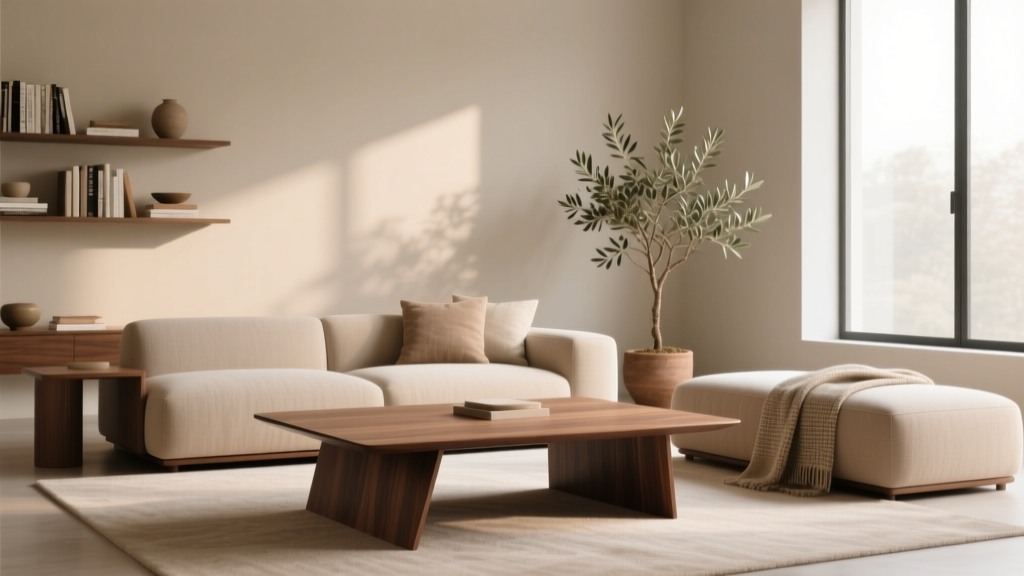 Best Ottoman Sizing for Coffee Table Replacement (2026)
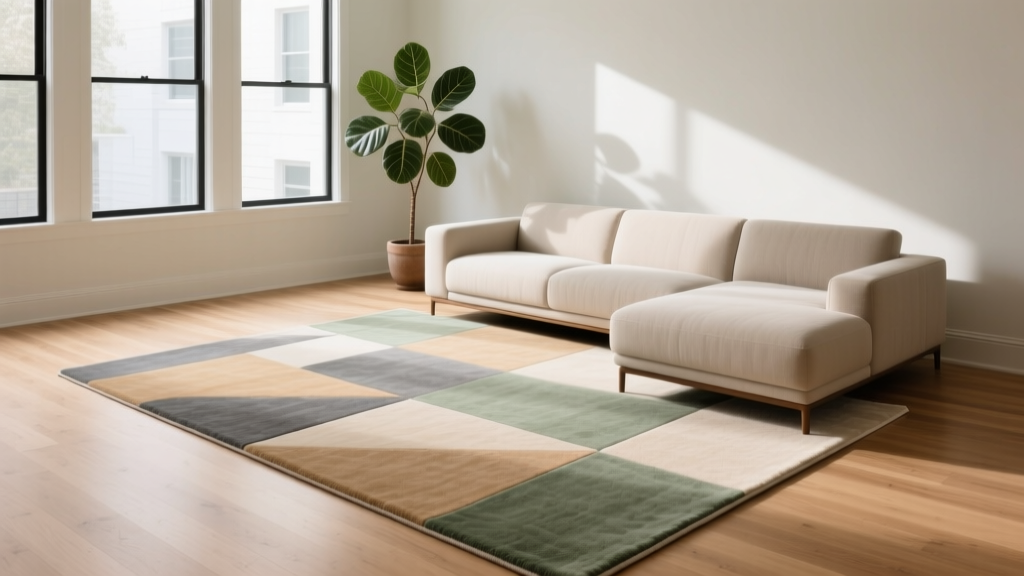 Rug Size for Living Room: How to Choose (2026)
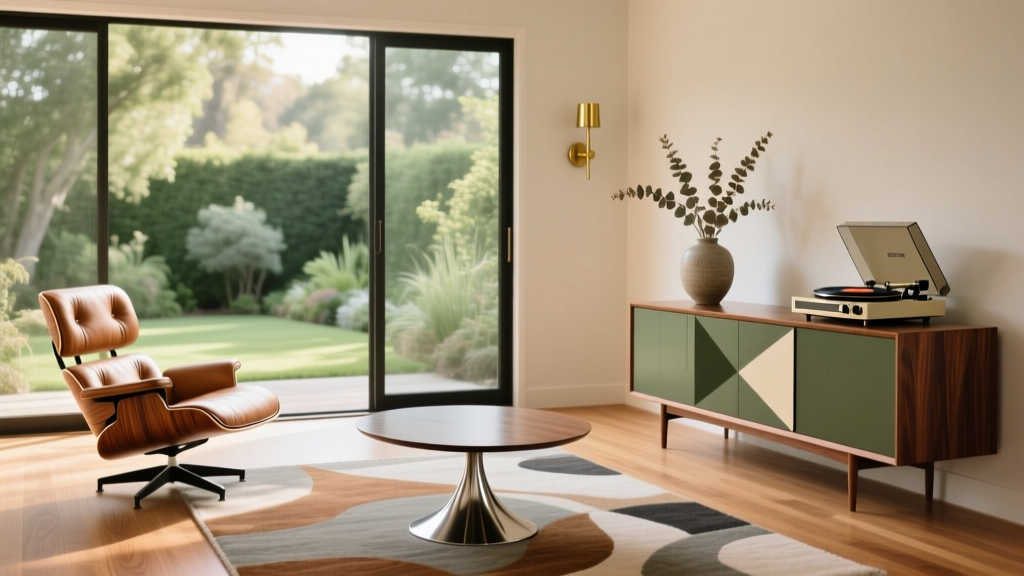 Mid-Century Modern Living Room Must-Haves - The Decor Mag
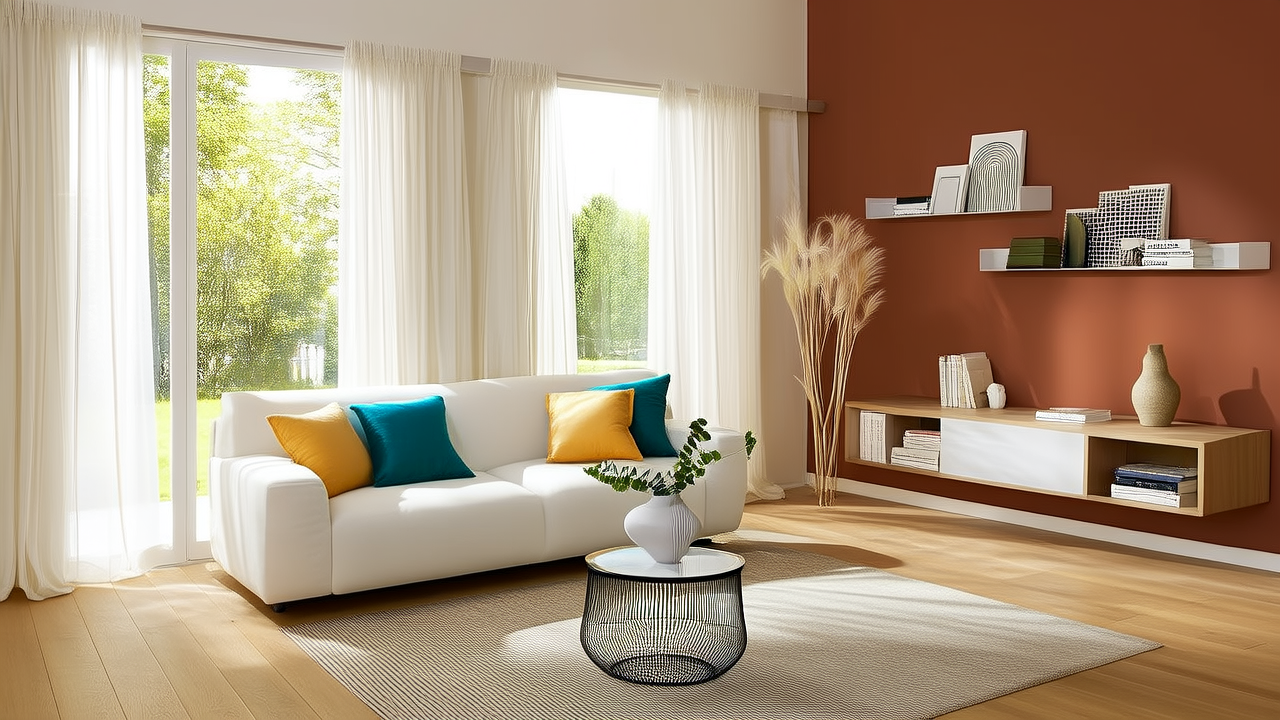 Checklist Alternatives to Studio Living That Fit Your Life
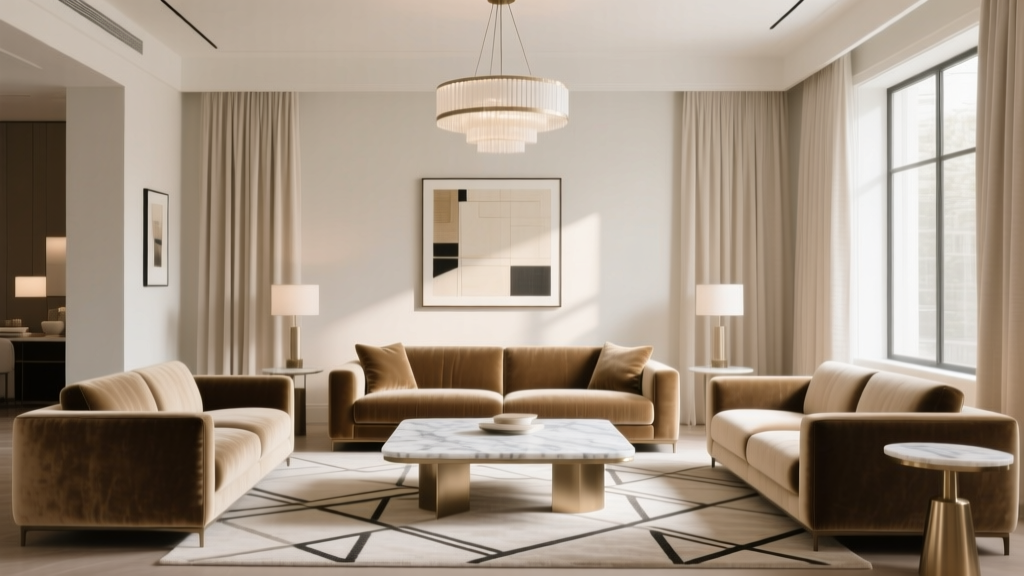 How to Create a Formal Living Room - The Decor Mag
 Living Room Natural Light Maximizing Tips - The Decor Mag
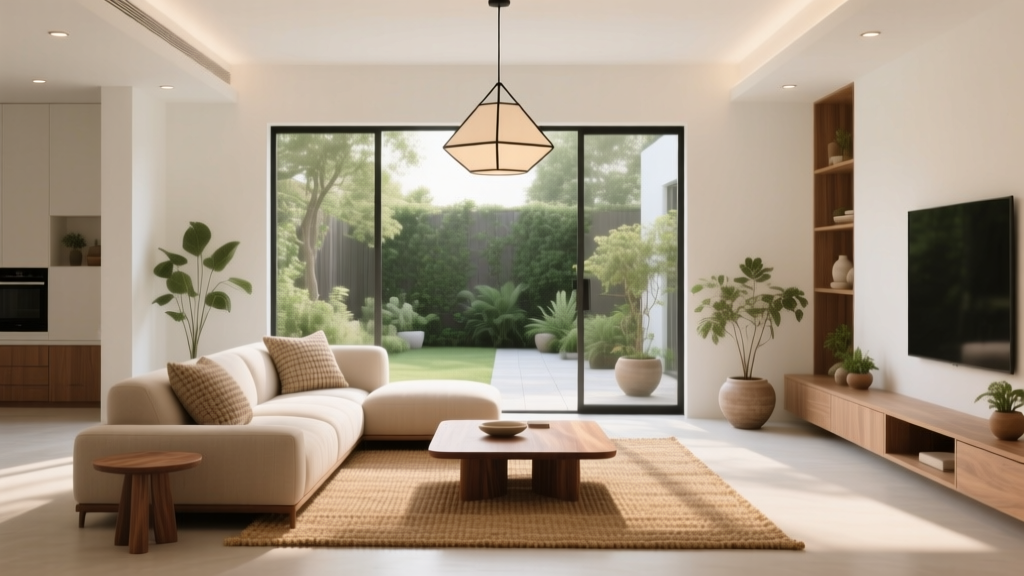 Living Room Elevated Casual Design - The Decor Mag
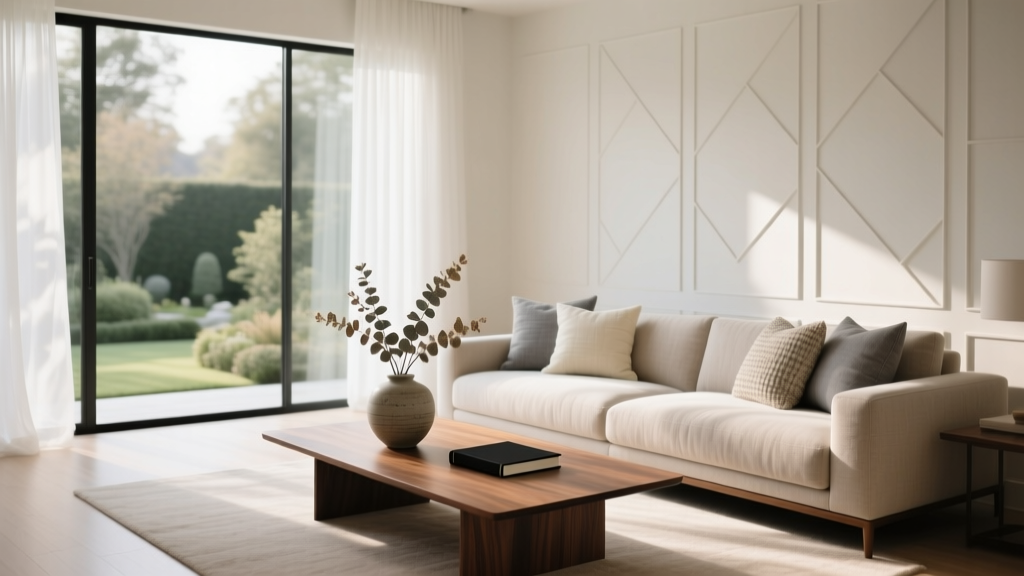 Living Room Refined Elegance Tips - The Decor Mag
 How to Mix Patterns in Living Room Decor - The Decor Mag
 Designing a Workspace That Fuels Creativity