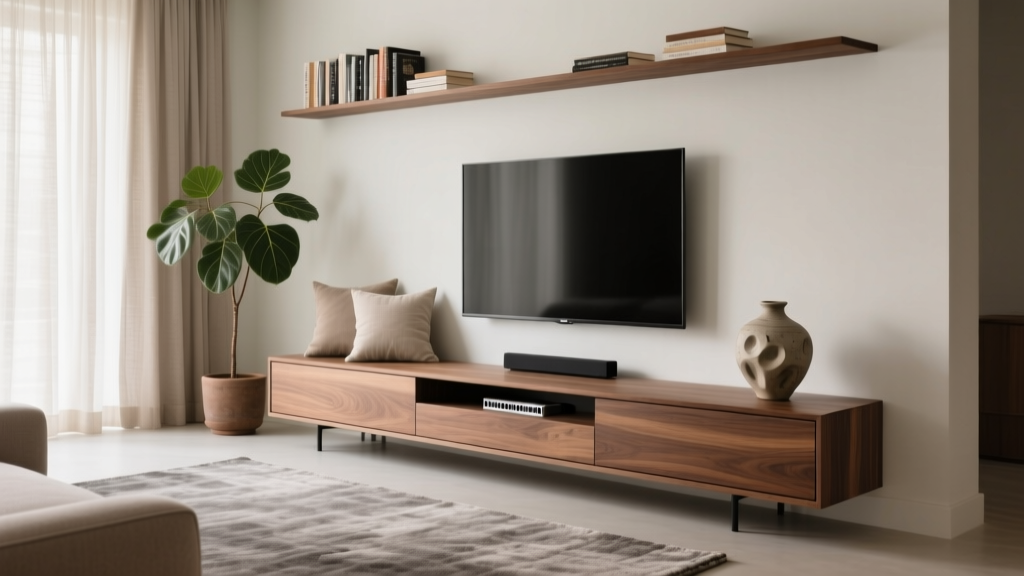
Living Room TV Stand Styling Tips - The Decor Mag
Your TV stand is one of the hardest-working pieces in the living room. It anchors the media zone, hides the messy stuff (cables, remotes, routers), and—when styled well—acts like a polished focal point even when the screen is off. Whether you’re decorating a small apartment living room or refreshing a spacious family room, a thoughtfully styled TV stand can make the entire space feel calmer, more intentional, and more “finished.”
The challenge is real: TVs are big black rectangles, cords multiply overnight, and the stand can quickly become a catch-all for everything from game controllers to mail. The good news? With a few reliable design principles—scale, balance, texture, and smart storage—you can turn your media console into a stylish, functional centerpiece.
This guide walks you through living room TV stand styling tips that work for homeowners and renters alike. You’ll get practical measurements, layout formulas, product ideas, real-world scenarios, and the most common mistakes to avoid—so you can style once and enjoy it every day.
Start With the Basics: Size, Scale, and Placement
Choose the Right TV Stand Size (With Real Measurements)
A TV stand that’s too small looks flimsy and feels unstable; too large and it overwhelms the room. Aim for a console that’s wider than your TV to create visual balance and give you room to style.
- Ideal width: TV stand should be 6–12 inches wider on each side than the TV (so 12–24 inches wider total).
- Console height: Most stands look best between 20–28 inches tall. Comfort rule: the center of the TV should land around 40–45 inches from the floor when seated.
- Depth: 15–20 inches is typical. If you have a soundbar, check the depth so it doesn’t hang off the front.
Real-world example: If you have a 65-inch TV (about 57 inches wide), a console in the 70–84 inch range generally looks proportionate and gives you enough styling surface.
Mount or Stand? Decide Based on Style and Function
- Mounted TV: Cleaner look, easier to style the console without competing with the screen. Plan for a cord-hiding solution (paintable cable raceway or in-wall kit if allowed).
- TV on the stand: Great for renters or flexible layouts. Use a stand that’s deeper and sturdier, and consider a low-profile TV mount base to free up surface space.
Pick a Styling Direction: Minimal, Layered, or Collected
Before you add decor, decide on a look that fits your living room design style. This helps you avoid “random object syndrome” where nothing feels connected.
- Minimal: A few sculptural pieces, lots of breathing room. Ideal for modern, Scandinavian, and Japandi interiors.
- Layered: Balanced vignettes with height variation and textures (books, ceramics, a plant). Works for transitional, contemporary, and warm modern rooms.
- Collected: More personal objects—framed photos, travel finds, stacked books. Best for eclectic, boho, and traditional living rooms.
Current trend meets timeless principle: “Warm minimalism” is everywhere right now—clean lines, fewer objects, and richer materials like oak, travertine, linen, and matte ceramics.
The Easiest Styling Formula (That Always Looks Intentional)
If you want a no-fuss method, use this simple structure. It’s renter-friendly, works on most consoles, and reads polished on camera and in real life.
The 3-Zone TV Stand Styling Method
- Left zone: Something tall or vertical (lamp, vase with branches, plant).
- Center zone: Something practical (soundbar, small tray for remotes, or a low sculptural object).
- Right zone: Something medium height with texture (stacked books, a bowl, a candle, or a framed photo leaning against the wall).
Proportion tip: Keep decor heights below the bottom edge of the TV if it’s on the stand. If the TV is mounted, you can go taller—just avoid blocking the screen or crowding the wall.
Use the “Rule of Three” for Groupings
Decor looks more natural in odd numbers. Group items in threes with varied heights and materials (example: a small bowl, a medium candle, a taller vase).
- Vary height: short + medium + tall
- Vary texture: ceramic + wood + glass/metal
- Repeat a color: pull one tone from your rug, throw pillows, or artwork
Make It Functional: Storage, Cables, and Everyday Reality
Hide Cords Like a Designer (Even in Rentals)
Visible wires instantly make a room feel cluttered. These solutions look clean and are easy to maintain.
- Cable box: A $15–$40 fix to hide power strips and excess cord length.
- Adhesive cable clips: $8–$20; run cords neatly along the back of the console.
- Paintable cord cover: $15–$30; blends into the wall for mounted TVs.
- Label your cords: Use tags so swapping devices doesn’t become a weekend project.
Choose Storage That Matches Your Lifestyle
The best TV stand decor accounts for what you actually use daily.
- For families: closed cabinets for toys, games, and chargers; a lidded basket inside for “drop zone” items.
- For small spaces: a console with drawers; keep the top surface light and airy.
- For gamers: ventilated storage for consoles, a controller dock, and cable management cutouts.
Budget ranges:
- Under $150: compact consoles, open-shelf units (best with baskets to look tidy)
- $150–$500: solid options in engineered wood, better hardware, more storage
- $500–$1,500+: solid wood, higher-end finishes, soft-close drawers, custom-like presence
Materials and Finishes That Elevate the Look
Matching every finish isn’t necessary, but your TV stand should harmonize with the room. A mix of materials adds depth—especially important in living room decor where the TV can flatten the visual field.
Best Materials for TV Stands (And When to Use Them)
- Oak or walnut veneer/solid wood: Warm, timeless, and pairs beautifully with neutrals and earthy palettes.
- Painted MDF/engineered wood: Budget-friendly and sleek; choose matte finishes for a modern look.
- Metal + wood: Great for industrial and contemporary interiors; keep styling softer with textiles or greenery.
- Stone or stone-look tops (travertine, marble-look laminate): Trending right now; adds a luxe layer without needing much decor.
- Rattan/cane fronts: Popular for coastal and boho styles; also helps ventilate electronics.
Color Tips for a More Designer Feel
- Light console + light walls: airy, seamless, great for small living rooms.
- Dark console + light walls: strong contrast; anchors the TV visually.
- Console matching flooring: calm and cohesive, especially in open-plan spaces.
What to Put on a TV Stand: Decor Ideas That Look Good Every Day
The key is mixing beauty and utility. A styled console doesn’t have to be precious—it should be livable.
Top Styling Pieces (With “Why It Works”)
- Books (2–6): Add height and personality; stack horizontally to create platforms for smaller decor.
- Tray: Corral remotes, matches, or coasters; instantly makes everyday items feel intentional.
- Greenery: A pothos, snake plant, or faux olive branch softens the tech-heavy zone.
- Ceramic vase or sculptural object: Adds shape; matte finishes reduce glare near the TV.
- Framed photo or small art: Leans casually against the wall for a layered look (great for renters).
- Basket bins: Hide clutter on open shelving; choose woven textures for warmth.
Styling Step-by-Step (10 Minutes, No Overthinking)
- Clear everything off the stand and wipe it down.
- Set your functional essentials: soundbar, console, router (ideally hidden), remote tray.
- Add one tall item on a side (lamp, plant, vase with branches).
- Stack 2–4 books on the opposite side.
- Add one small object on the books (candle, bead strand, small bowl).
- Edit: remove one item if it feels crowded—negative space is part of the design.
Real-World Styling Scenarios
Scenario 1: Small Apartment Living Room (Limited Surface Space)
Goal: Keep it light, functional, and uncluttered.
- Choose a console around 55–70 inches wide (depending on TV size) with closed storage.
- Use one tall, slim item (like a narrow vase with eucalyptus) to avoid taking over the top.
- Skip multiple small decor pieces; go for 2–3 larger items instead.
- Use a cord cover and a cable box to prevent visual noise.
Scenario 2: Family Living Room (Toys, Remotes, Real Life)
Goal: Hide clutter fast while keeping it stylish.
- Prioritize a stand with drawers and doors—open shelving only if you’ll use baskets.
- Create a “nightly reset” system: a tray for remotes + a lidded box for small toys.
- Choose durable materials: matte finishes hide fingerprints; rounded corners are kid-friendly.
- Style with one plant and one sculptural object—simple and easy to maintain.
Scenario 3: Open-Plan Space (Living + Dining Combo)
Goal: Make the TV area feel cohesive with the rest of the room.
- Repeat materials: if your dining table is walnut, echo that tone in the console or decor.
- Add a table lamp on the console to create a warm glow visible from multiple zones.
- Keep decor colors within your room’s palette (2–3 main colors + 1 accent).
Common TV Stand Styling Mistakes to Avoid
- Console that’s too small for the TV: It looks top-heavy and can feel unsafe. Go wider.
- Too many tiny objects: Small knickknacks read as clutter. Swap for fewer, larger pieces.
- Cords everywhere: Even great decor can’t overcome messy wires. Handle cables first.
- Blocking speakers or vents: Don’t stack decor in front of soundbars or cover console vents.
- Overly tall decor competing with the screen: Keep tall items to the side and visually “frame” the TV.
- Ignoring lighting: A harsh overhead light makes the media wall feel flat. Add a lamp or LED backlighting.
Trend Notes: What’s Current (and What Lasts)
Design trends should support your daily life, not force constant updates. These are a few ideas that feel fresh now and still hold up long term.
- Current: fluted wood fronts, tambour doors, travertine accents, warm white walls, and “quiet luxury” neutrals.
- Timeless: symmetrical balance, quality materials, hidden storage, and a consistent color palette.
- Easy upgrade: swap hardware (knobs/pulls) for a custom look—$20–$80 can transform a basic console.
FAQ: Living Room TV Stand Styling
How do I style a TV stand without it looking cluttered?
Use fewer, larger pieces and stick to a simple layout: one tall item, one functional item (like a tray), and one textured grouping (books + object). Leave at least 30–40% of the surface empty for a clean look.
What should I put under a wall-mounted TV?
A long console (wider than the TV) creates balance. Add a soundbar or low-profile decor in the center, and keep taller items to the sides. A lamp and a plant are an easy, timeless pairing.
How high should my TV stand be?
Most living rooms work well with a stand between 20–28 inches tall. Aim for the center of the screen to sit around 40–45 inches from the floor when you’re seated.
How do I hide cords in a rental?
Use adhesive cable clips behind the console, a cable management box for the power strip, and a paintable cord cover up the wall. These options are inexpensive and removable.
Should my TV stand match my coffee table?
They don’t have to match, but they should relate. Repeat a tone (warm wood, black metal, or a similar finish) and keep the styles compatible (e.g., both modern, both traditional, or intentionally mixed with a unifying color palette).
What lighting works best near a TV stand?
A table lamp on the console or an adjacent floor lamp adds warmth and reduces the “black box” effect. For movie nights, consider subtle LED backlighting behind the TV for a soft glow.
Wrap-Up: A Simple Plan for a Better-Looking Media Area
If you want the fastest upgrade, follow this order: size and placement first, then cable management, then storage, and finally decor styling. Start with one change you can do today—like adding a tray for remotes, swapping in a taller plant, or hiding cords with a cable box. Small shifts make a big difference in how your living room feels.
For more living room design and decor ideas—media wall inspiration, furniture guides, and styling tricks—explore the latest articles on thedecormag.com.
More Articles
 Non-Toxic, Low-VOC Paints for Every Room (2026)
 Living Room Soft Neutral Palette Guide - The Decor Mag
 Non-Toxic Paint Guide: Safe Colors for Every Room
 Open Concept Living Room Furniture Arrangement
 How to Mix Old and New in Living Room Decor - The Decor Mag
 Best Outdoor Furniture for Modern Living Spaces 2026
 Stylish Nightstands Under $150 – 2026 Picks
 Living Room Textured Wall Ideas - The Decor Mag
 Living Room Classic Design Principles - The Decor Mag
 The Living Room Rug Size Guide: Stop Guessing, Start Styling