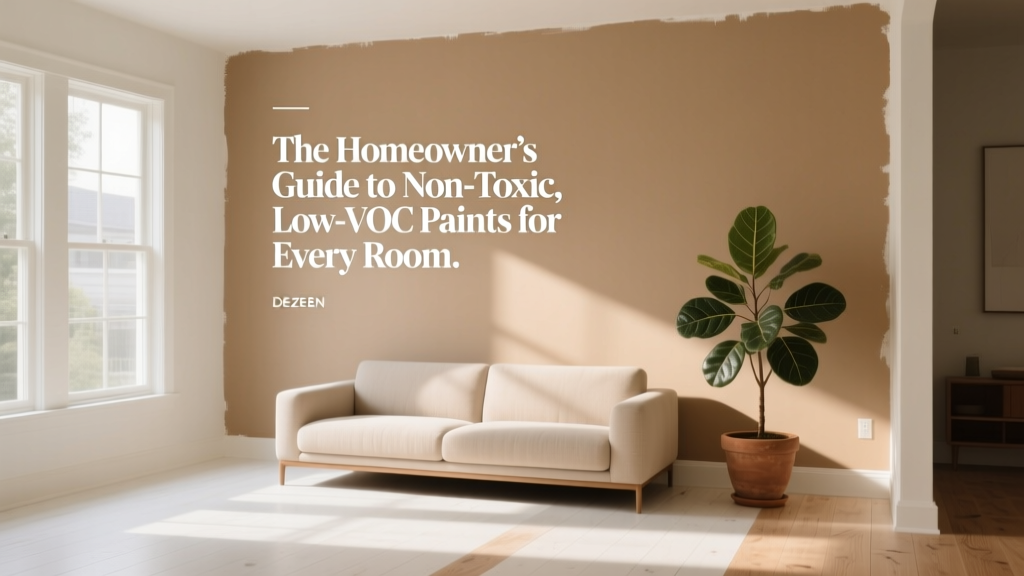
Non-Toxic, Low-VOC Paints for Every Room (2026)
Understanding VOC Labels & Eco-Certifications
Volatile Organic Compounds (VOCs) are carbon-based chemicals that evaporate at room temperature—releasing fumes linked to headaches, respiratory irritation, and long-term neurological effects. In the U.S., conventional interior paints can contain up to 250 g/L of VOCs; 'low-VOC' paints must contain ≤50 g/L (per EPA standards), while 'zero-VOC' paints must contain ≤5 g/L—though note: 'zero-VOC' doesn’t mean *completely* chemical-free, as colorants and additives may introduce trace VOCs.
Look beyond marketing claims—verify third-party certifications: GREENGUARD Gold (tests for over 10,000 chemicals and mandates ultra-low emissions, especially critical for children’s spaces), UL Ecologo, and Master Painters Institute (MPI) Level 4. Avoid paints with formaldehyde, ammonia, ethylene glycol, or APEs (alkylphenol ethoxylates), even in low-VOC lines.
Top Low-VOC Paint Brands & Real-World Price Points
Premium eco-paints have become more accessible—but price still varies widely by formulation, coverage, and certification rigor. Here’s a realistic snapshot (per gallon, matte/eggshell finish, mid-range color):
| Brand | VOC Level | Certifications | Price/Gallon | Notes |
|---|---|---|---|---|
| Benjamin Moore Natura | 0 g/L (zero-VOC base) | GREENGUARD Gold, MPI Level 4 | $55–$65 | Excellent hide, scrubbable, wide color library—including custom-mixed zero-VOC tints. |
| ECOS Paints | 0 g/L (base + all tints) | GREENGUARD Gold, Cradle to Cradle Silver | $60–$72 | Plant- and mineral-based; no biocides or petrochemical solvents; made in USA. |
| AFM Safecoat | 0–3 g/L | GREENGUARD Gold, asthma & allergy friendly® | $68–$82 | Hospital-grade durability; ideal for chemically sensitive individuals and post-renovation air quality control. |
| Behr Premium Plus Ultra (Low-VOC) | ≤50 g/L | GREENGUARD Certified (not Gold) | $35–$45 | Budget-friendly big-box option; good performance but limited color depth and fewer non-toxic tints. |
Room-by-Room Recommendations
Nursery & Children’s Rooms
This is the highest-priority zone. Choose only GREENGUARD Gold-certified paints with zero-VOC bases *and* zero-VOC tints—like ECOS or AFM Safecoat. Avoid deep reds and blacks, which often require higher-VOC tints. Opt for soft, light-reflective hues (e.g., ECOS ‘Cloud White’ or Benjamin Moore ‘First Light’) to support circadian rhythm development and reduce glare.
Kitchen & Dining Areas
High humidity and cooking fumes demand scrubbability and mildew resistance. Benjamin Moore Natura and AFM SafeChoice Kitchen & Bath offer washable, stain-resistant finishes without added antimicrobials (which can disrupt microbiomes). Matte finishes hide imperfections but avoid flat sheens near stovetops—eggshell or satin offers better cleanability.
Bedrooms & Living Rooms
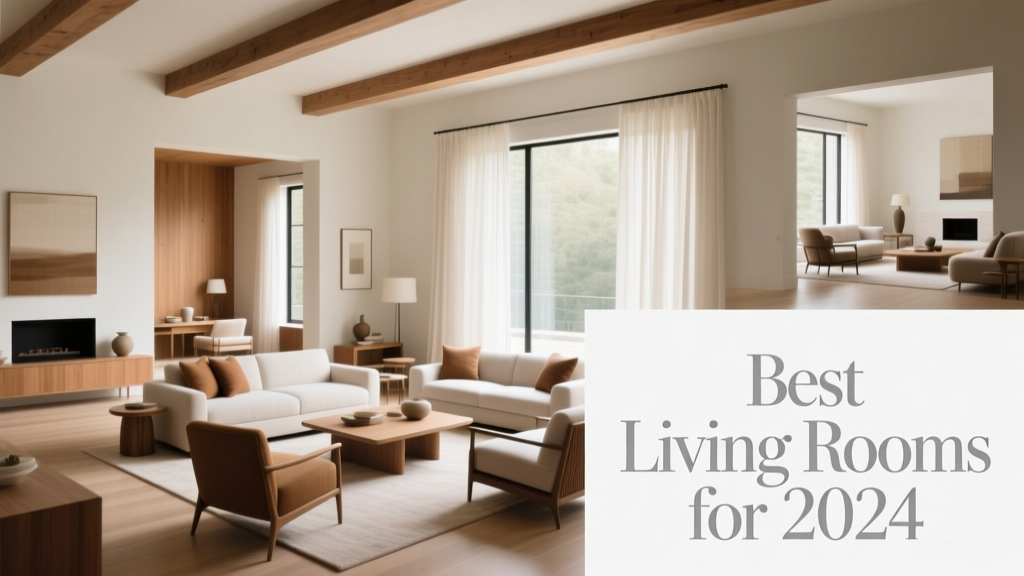
These spaces benefit from calming, low-emission palettes. Look for paints with natural pigments (e.g., iron oxides instead of synthetic azo dyes) and breathable formulations that reduce off-gassing during sleep cycles. ECOS’s ‘Calm Collection’ and Sherwin-Williams Harmony (GREENGUARD Gold, $45/gal) deliver rich, nuanced tones—from warm taupes to muted sage greens—without sacrificing indoor air quality.
Bathrooms & Laundry Rooms
Mold resistance matters—but skip fungicides like IPBC or OIT. Instead, choose AFM Mildew-Resistant Paint or Benjamin Moore Aura Bath & Spa, both water-based, zero-VOC, and formulated with naturally derived mildew inhibitors. Always pair with proper ventilation and vapor-permeable primers (e.g., AFM Primer-Sealer).
Color Options in Eco-Friendly Paints: Beyond Beige
Gone are the days when ‘green paint’ meant chalky pastels and muddy grays. Today’s leading non-toxic brands offer 1,500+ colors—including saturated navies (ECOS ‘Midnight Navy’), warm terracottas (Benjamin Moore ‘Copper Wire’), and complex greiges (Sherwin-Williams ‘Agreeable Gray’ in Harmony line). Many now use natural earth pigments and non-toxic organic colorants, expanding chromatic range while maintaining safety. Pro tip: Request physical fan decks—not digital swatches—as lighting and substrate dramatically affect how low-VOC colors render.
Health Benefits: Why Your Lungs (and Kids) Will Thank You
Switching to certified low-VOC paint delivers measurable, science-backed improvements: A 2022 Harvard T.H. Chan School of Public Health study found households using GREENGUARD Gold paints saw a 42% reduction in airborne VOC concentrations within 72 hours—and sustained 30% lower levels at 30 days vs. conventional paints. For children, this correlates with improved attention spans (per CHAMACOS cohort data) and reduced incidence of early wheezing. Adults report fewer migraines, better sleep continuity, and diminished ‘new paint’ throat irritation—even months after application. Importantly, low-VOC paints also reduce ozone-forming potential outdoors, contributing to community-level air quality improvement.
"It’s not just about avoiding toxins—it’s about choosing materials that actively support biological resilience. Paint is one of the largest surface-area exposures in any home. Getting it right is foundational." — Dr. Lena Cho, Environmental Health Specialist, Healthy Building Network
More Articles
 Livingrooms Comfort & Value in 2026
 Best Nesting Table Arrangements - The Decor Mag
 Best Flooring Options for Living Rooms - The Decor Mag
 Smart Function Storage Ideas for Real Living Spaces
 Kid-Proof Living Room Furniture That Looks Chic
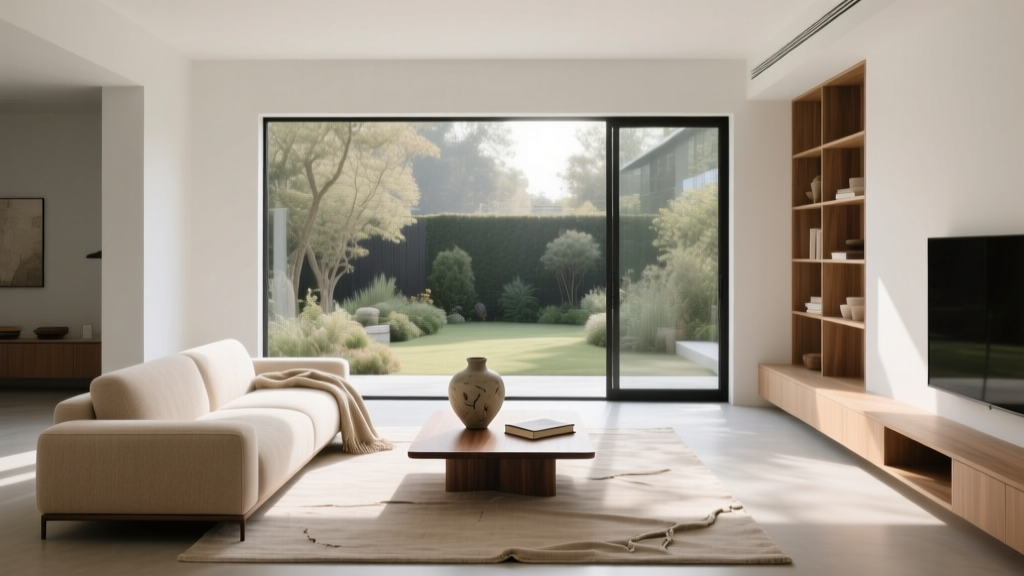 Modern Minimalist Living Room Ideas for 2026 - The Decor Mag
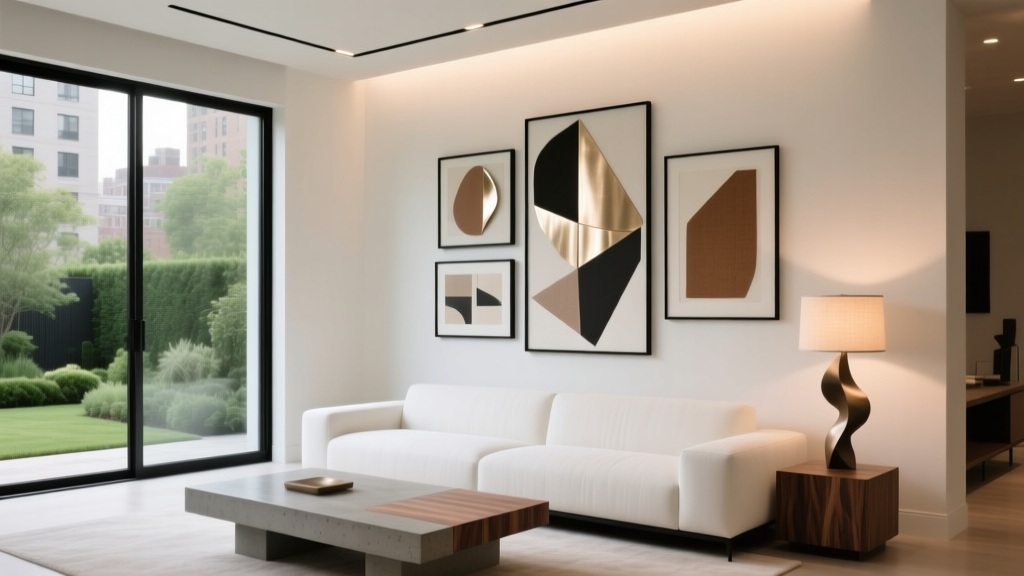 Living Room Contemporary Art Display - The Decor Mag
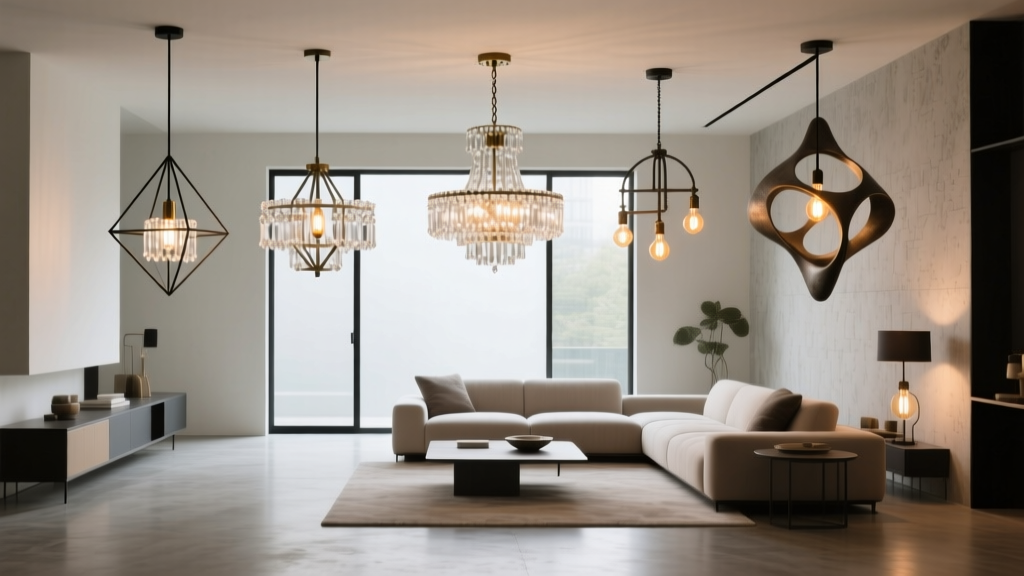 Best Chandelier Styles for Living Rooms - The Decor Mag
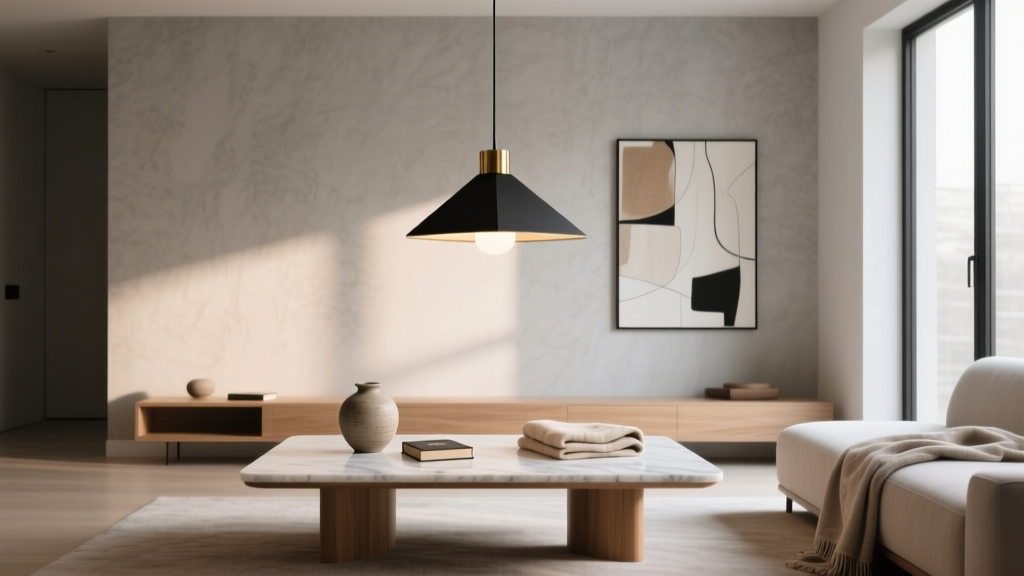 Pendant Light Height Above Coffee Table (2026)
 Best Living Room Designs for 2026: Stylish & Human-Centered