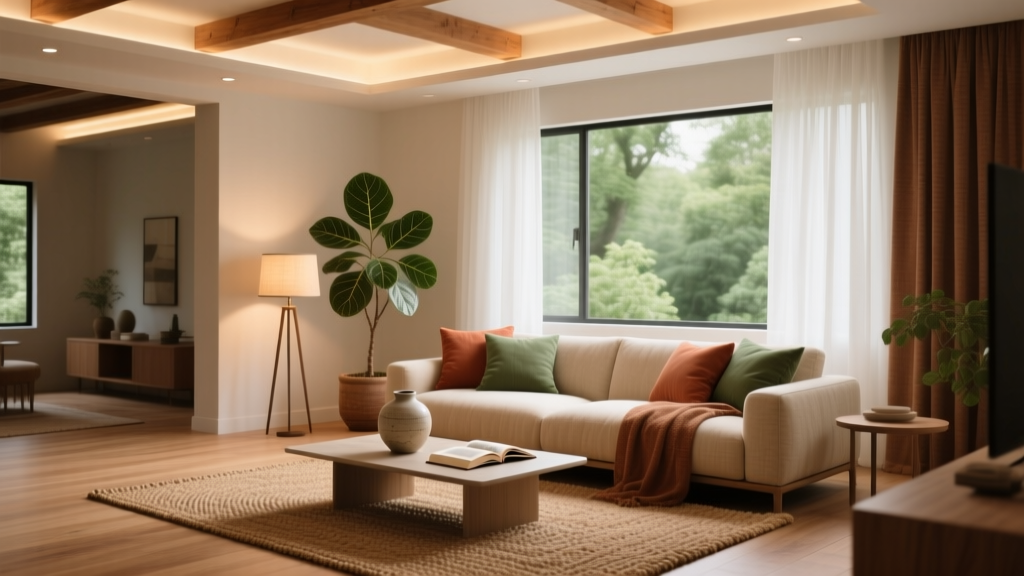
How to Create a Warm Inviting Living Room - The Decor Mag
A warm, inviting living room isn’t about copying a showroom-perfect space—it’s about building a room that instantly makes people want to sit down, relax, and stay awhile. Whether you’re a homeowner designing from scratch or a renter working within limitations, the goal is the same: comfort, ease, and a sense of welcome the moment you walk in.
The good news is that warmth is something you can design on purpose. It comes from the right mix of lighting, color, texture, layout, and those personal details that make a home feel lived-in (in the best way). This guide breaks down practical, step-by-step ways to create a cozy living room with clear measurements, budget ranges, product ideas, and real-life scenarios—so you can choose what fits your space and lifestyle.
By the end, you’ll have a simple plan for making your living room feel more comfortable, functional, and beautiful—without needing a full renovation.
Start With the Feeling You Want: Defining “Warm & Inviting”
“Warm” isn’t only about warm colors. It’s also about how the room works: soft lighting, comfortable seating, touchable textures, and a layout that encourages conversation. Before shopping, decide what warmth means for your home.
Quick self-check
- How do you use the room? Movie nights, entertaining, reading, kids’ playtime, quiet mornings?
- What’s missing right now? Better lighting, more seating, less echo, more storage, more personality?
- What’s your “cozy” style? Modern organic, classic traditional, Scandinavian, eclectic, or transitional?
Trend meets timeless: Current living room design trends lean toward “cozy minimalism,” curved silhouettes, warm neutrals, and natural materials (wood, linen, wool). The timeless principle behind those trends is simple: comfort first.
Layer Lighting Like a Pro (The Fastest Way to Add Warmth)
If your living room has one ceiling light and not much else, it’s going to feel flat—no matter how pretty the furniture is. Warmth comes from layers: ambient, task, and accent lighting working together.
The 3-layer lighting plan
- Ambient lighting (general glow): Ceiling fixture, semi-flush mount, or a pair of floor lamps.
- Task lighting (for reading and activities): Table lamps, swing-arm sconces, reading lights near seating.
- Accent lighting (mood + depth): Picture lights, wall sconces, LED strips behind shelves, small lamps on consoles.
Practical specs that make a difference
- Bulb color temperature: Choose 2700K for a cozy living room glow. For an extra warm feel, try 2200K–2400K in accent lamps.
- Dimmers: Add plug-in dimmers ($10–$25) for lamps, or hardwired dimmers ($20–$60 + installation).
- How many lamps? Aim for at least 3 light sources in a small living room; 4–6 in a larger space.
Product ideas & budget ranges
- Table lamps: $40–$250 each (look for linen shades, ceramic bases, or aged brass finishes)
- Floor lamps: $80–$400 (arched or tripod styles add height and softness)
- Battery picture lights: $30–$120 (renter-friendly, great for art walls)
- LED accent strips: $15–$60 (use behind a media console or bookcase for a gentle glow)
Real-world scenario: A renter with a single overhead fixture can transform the room in one afternoon: add two matching table lamps on either side of the sofa (or on a console behind it), plus one floor lamp by the reading chair, all with 2700K bulbs on dimmers.
Choose a Warm Color Palette (Even If You Love Neutrals)
A warm, inviting living room often starts with color choices that feel grounding. You don’t need to paint everything beige—warmth can come from soft whites, earthy greens, clay tones, rich browns, and warm metals.
Easy palettes that work in most homes
- Warm neutral: creamy white + camel + walnut + black accents
- Organic modern: warm white + olive + natural oak + linen
- Cozy classic: greige + deep navy + brass + warm wood
- Moody inviting: taupe + chocolate + muted terracotta + aged bronze
Paint and finish tips
- Wall sheen: matte or eggshell feels softer and more inviting than semi-gloss.
- Undertones matter: Choose whites with creamy or beige undertones (avoid icy blue whites if you want warmth).
- Test properly: Paint samples on two walls and observe morning vs. evening light.
Renter-friendly workaround: If you can’t paint, add warmth through curtains, rugs, pillows, throws, and art—these carry color just as effectively.
Get the Layout Right: Comfort, Conversation, Flow
Even expensive furniture won’t feel inviting if the layout is awkward. A good living room layout balances conversation zones, walkways, and a clear focal point (TV, fireplace, big window, or statement art).
Key measurements designers rely on
- Walkways: Leave 30–36 inches for main paths through the room.
- Coffee table spacing: Keep 14–18 inches between the sofa and coffee table.
- Rug sizing rule: The rug should be large enough that front legs of sofas and chairs sit on it. Common sizes:
- Small rooms: 6' x 9' (often works, but can feel tight)
- Most living rooms: 8' x 10' (the crowd-pleaser)
- Larger rooms/sectionals: 9' x 12'
- TV viewing distance: Rough guide is 1.5–2.5x the TV size (in inches) in distance. Example: a 55" TV often feels best around 7–11 feet.
Step-by-step layout upgrade (no new furniture required)
- Identify your focal point (fireplace, TV, window, or art wall).
- Anchor with a rug that fits the seating zone.
- Pull furniture off the walls if possible—even 3–6 inches adds depth.
- Create a conversation “U” or “L” with seating facing each other.
- Add a landing spot (side table within reach of each seat) for drinks and books.
Real-world scenario: In a narrow apartment living room, place a compact sofa opposite a wall-mounted TV, then add two small swivel chairs angled toward the sofa. A round coffee table improves flow and prevents bruised shins in tight spaces.
Invest in Touchables: Texture Is What Makes a Room Feel Cozy
Warmth is sensory. A room can look beautiful and still feel cold if everything is sleek, shiny, or hard. The fix is layering textures—especially in soft goods and natural materials.
Materials that instantly add warmth
- Textiles: linen, cotton, boucle, wool, velvet (in muted tones)
- Wood: oak, walnut, reclaimed wood finishes
- Natural accents: rattan, cane, seagrass, jute (use jute in low-spill homes)
- Metals: aged brass, bronze, matte black (use sparingly for contrast)
Easy layering formula
- Rug (foundation) + curtains (softness) + pillows (comfort) + throw (cozy cue)
- Mix 2–3 pillow sizes: e.g., 22" squares + 20" squares + lumbar
- Add at least one textured pillow (boucle/knit) and one patterned pillow (stripe, small floral, geometric)
Budget ranges that make sense
- Rugs: $150–$500 (synthetic/washable), $500–$1,500 (wool or wool blend)
- Curtains: $40–$120 per panel; custom can run $250–$800+ per window
- Pillow covers: $15–$60 each (swap seasonally without buying new inserts)
- Throws: $25–$150 (cotton to wool)
Make Seating Feel Like an Invitation (Not a Showpiece)
If people perch instead of settling in, the room won’t feel welcoming. The most inviting living rooms include seating that supports real lounging and conversation.
Comfort upgrades that don’t require a new sofa
- Add a plush throw casually folded over the arm or back (signals “use me”).
- Use supportive pillow inserts: feather/down blend for softness, foam for structure.
- Bring in an ottoman that doubles as extra seating or a footrest.
- Include a “favorite seat”: a reading chair with a lamp and side table.
If you are buying a new sofa: quick guidelines
- Depth: 21–24" seat depth suits most; 24–26" for lounge lovers.
- Fabric: performance fabric for pets/kids; leather for durability and warmth (especially cognac tones).
- Budget: $900–$2,500 for solid mid-range; $2,500–$6,000+ for higher-end frames and cushions.
Warm Up Windows: Curtains That Add Softness and Height
Window treatments are a secret weapon in living room decor. Curtains soften hard lines, improve acoustics, and make a room feel finished.
Hanging measurements that instantly elevate a room
- Rod height: Hang the rod 4–8 inches above the window frame, or just below the ceiling line for added height.
- Panel length: Use 84", 96", or 108" panels—longer tends to look more luxurious. Aim for panels to kiss the floor or puddle slightly (1–2").
- Width: Total panel width should be 1.5–2x the window width for a full, cozy look.
Materials that feel inviting
- Linen or linen-blend: airy but warm
- Velvet: cozy and excellent for blocking light
- Thermal lining: great for drafty rooms and sound absorption
Style With Meaning: Decor That Feels Personal (Not Cluttered)
The most inviting living rooms look like they belong to someone. Personal objects, books, and art add emotional warmth—just keep it intentional.
A simple styling checklist
- Art at the right height: Center artwork around 57–60 inches from the floor (gallery standard).
- Use groups of three: A stack of books + a candle + a small bowl reads curated.
- Add something living: a plant or fresh branches (even faux, if done well).
- Include one “conversation piece”: vintage find, travel object, framed photo, handmade ceramic.
Current trends that still feel timeless
- Biophilic touches: plants, natural textures, earthy palettes
- Curved shapes: round coffee tables, arched mirrors, soft-edge sofas
- Quiet luxury: fewer items, better materials, warmer neutrals
Real-world scenario: A family living room can stay inviting and practical by using a lidded basket for toys, a washable rug, and a closed media console. Add warmth with framed family photos in matching frames and a large, soft throw for movie nights.
Don’t Forget Sound and Scent: The Invisible Cozy Factors
If your living room echoes, it will feel less comfortable—even if it looks perfect. Soft materials help, and a few small tweaks go a long way.
Quick fixes for echo and “hollow” rooms
- Add a larger rug with a rug pad (aim for 1/4"–3/8" thick).
- Use curtains instead of bare blinds.
- Include upholstered pieces (ottoman, fabric chairs).
- Try a fabric wall hanging or tapestry in very echoey spaces.
Scent styling (subtle is best)
- Warm scents: cedar, sandalwood, vanilla, amber, fig
- Placement: keep candles/diffusers away from dining areas so scent doesn’t overpower meals
Common Mistakes to Avoid
- Rug too small: A “floating” rug makes furniture feel disconnected. Size up when possible.
- Single overhead light: Harsh lighting kills coziness. Add lamps and dimmers.
- Pushing everything against the walls: Creates an empty center and awkward conversation flow.
- Too many tiny decor items: Visual clutter feels stressful. Go for fewer, larger pieces.
- Ignoring scale: A tiny coffee table with a large sectional (or vice versa) throws off balance.
- All-cool palette: Gray-on-gray can feel cold. Add warm wood, brass, or creamy textiles.
FAQ: Warm, Inviting Living Room Design
How can I make my living room feel cozy on a budget?
Focus on high-impact changes: add two lamps with warm (2700K) bulbs, a larger rug (even an affordable washable one), and new pillow covers in warmer tones. With smart shopping, you can make a noticeable difference for $150–$500.
What’s the best warm paint color for a living room?
Look for warm whites, creamy off-whites, greige, and soft taupes that work with your light. Test samples on multiple walls and check them at night—warm lighting can shift undertones.
How do I make a small living room inviting without cluttering it?
Choose a rug that fits, use multi-functional pieces (ottoman with storage, nesting tables), and keep decor bigger but fewer—like one large art piece instead of many small frames.
What type of lighting feels most welcoming?
Use layered lighting with 2700K bulbs, add dimmers, and mix table and floor lamps. A soft, shaded lamp at eye level is one of the quickest ways to make a living room feel warm.
How can renters add warmth if they can’t paint or hardwire lights?
Use plug-in sconces, floor lamps, peel-and-stick wallpaper on a single accent wall, and textiles like linen curtains and a cozy rug. Removable hooks and battery picture lights also work well.
What’s the easiest way to make a living room feel more “pulled together”?
Upgrade three things: lighting (more lamps), rug size (bigger), and curtain placement (higher and wider). These changes make the room feel intentional and welcoming fast.
Your Next Steps: A Simple Weekend Plan
- Friday night: Choose your palette (2 neutrals + 1 accent color) and order warm bulbs/dimmers.
- Saturday: Adjust layout using the spacing rules (14–18" from sofa to coffee table, 30–36" walkways). Add at least 3 light sources.
- Sunday: Layer textiles (rug + throw + 3–5 pillows), hang curtains higher, and style one surface with a personal vignette.
A warm inviting living room is built from small, smart choices that add up: gentle lighting, comfortable seating, layered textures, and a layout that welcomes real life. Pick two upgrades from this guide and start there—you’ll feel the difference immediately.
Looking for more living room design and decor ideas? Explore fresh inspiration, layouts, and trend-forward guides on thedecormag.com.
More Articles
 How to Style a Coffee Table Like a Designer - The Decor Mag
 Best Swivel Chair Options for Living Rooms - The Decor Mag
 Living Room Art Placement Guide - The Decor Mag
 Paint Safety Tips for Health & Environment in 2026
 Best Recliner Chairs That Look Stylish - The Decor Mag
 How to Decorate a Long Narrow Living Room - The Decor Mag
 Hardwood vs Engineered vs Laminate Living Room Floors
 Living Room Cozy Fall Decorating Ideas - The Decor Mag
 Best Chaise Lounge Placement Ideas - The Decor Mag
 Best Living Room Focal Point Ideas for 2026