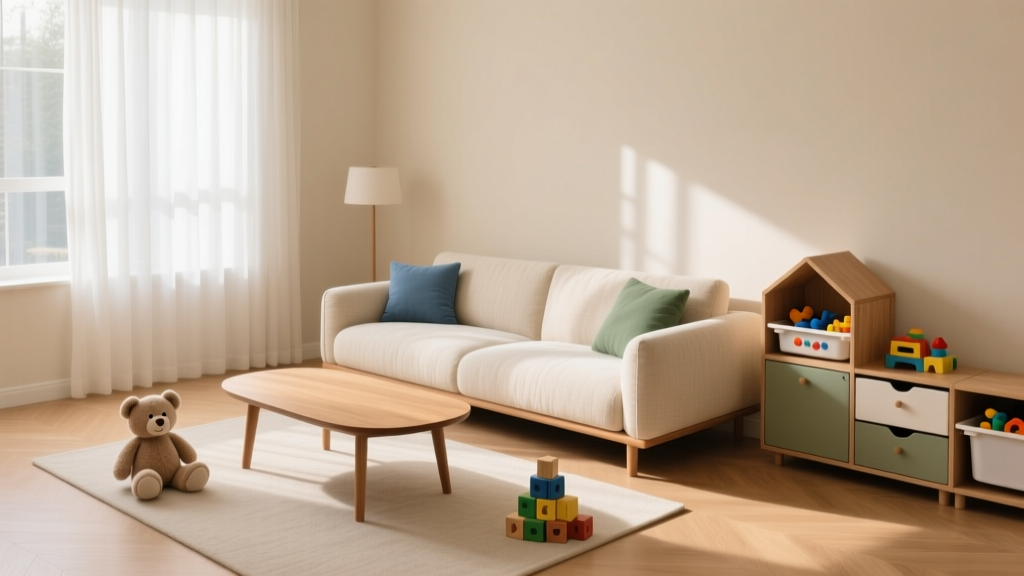
Living Room Furniture with Kids: Smart Picks (2026)
Your living room does a lot of heavy lifting when you have kids. It’s where you unwind after work, where toys mysteriously multiply, where friends drop by, and where movie nights happen—often with snacks that seem magnetically attracted to upholstery. Choosing living room furniture with kids isn’t about sacrificing style; it’s about making smart design decisions that look great, feel comfortable, and stand up to real life.
The good news: family-friendly living room design has never been more stylish. Performance fabrics, washable slipcovers, modular sectionals, and storage-forward furniture make it possible to create a space that feels elevated without feeling precious. This guide walks you through what to buy, what to measure, which materials actually work, and how to avoid common mistakes—so your living room stays both beautiful and livable.
You’ll learn how to pick a kid-friendly sofa, choose rugs that don’t show everything, plan a layout that minimizes bumps and bruises, and balance trends (like curved silhouettes and warm woods) with timeless, long-lasting pieces.
Start with How Your Family Actually Uses the Room
Before shopping, take 15 minutes to observe your living room habits. The best furniture choices come from daily routines, not showroom fantasies.
Ask these quick questions
- What’s the main use? Lounging, entertaining, playtime, homework, or all of the above?
- Where do kids naturally gather? On the floor, on the sofa, at the coffee table?
- Do you eat in the living room? If yes, stain resistance is non-negotiable.
- Do you need the room to “reset” quickly? Storage and easy-clean surfaces become your best friends.
- Is your home open-concept? Visual cohesion matters more when the living room flows into the kitchen/dining area.
Real-world scenario
A family of four in a rental apartment uses the living room as the main play area. Instead of a delicate glass coffee table and a tight, structured sofa, they choose a deep-seated sectional in performance fabric, a soft ottoman that doubles as a table (with a tray), and a low-pile rug that can handle daily crumbs. Result: fewer “no’s,” more comfort, and still a polished look.
Measure First: The Family-Friendly Layout Rules That Prevent Regret
Living room furniture with kids needs breathing room—both for safety and sanity. Start with a basic measuring plan and a few layout standards designers use all the time.
Key measurements to follow
- Walkways: Aim for 30–36 inches of clear path in main traffic areas. In tighter rooms, 24 inches can work if it’s not a primary walkway.
- Between sofa and coffee table/ottoman: 14–18 inches for comfortable reach without knee bumps.
- TV viewing distance: A practical guideline is 1.5–2.5x the TV’s diagonal size (e.g., a 55" TV often looks best at about 7–11.5 feet away).
- Rug sizing: Choose a rug large enough that at least the front legs of the sofa and chairs sit on it. For many rooms, 8’x10’ or 9’x12’ works better than a “floating” 5’x8’.
Kid-friendly layout tips
- Skip sharp corners in high-traffic zones; opt for rounded edges or upholstered pieces.
- Create a “landing zone” near the entry (basket, hooks, storage bench) to reduce clutter migration.
- Use a large rug to define a safe play area and protect flooring.
Choosing a Kid-Friendly Sofa: What Really Matters
The sofa is usually the biggest purchase and the most used. With kids, durability and cleanability are just as important as style and comfort.
Best sofa styles for families
- Sectionals: Great for stretching out, family movie nights, and maximizing seating. Look for modular versions you can reconfigure as your needs change.
- Apartment sofas (72–84 inches): Ideal for smaller living rooms and rentals—pair with an ottoman for flexibility.
- Sofas with removable cushions: Easier for cleaning and finding lost items.
- Slipcovered sofas: The gold standard for kid-friendly living rooms when the covers are washable.
What to look for in construction
- Frame: Kiln-dried hardwood is a strong, long-term choice.
- Cushions: High-resiliency foam (often wrapped in fiber or down alternative) holds up to daily bouncing better than ultra-soft fills.
- Seat depth: For family lounging, 22–24 inches is typically comfortable. If you prefer a more upright feel, target 20–22 inches.
Performance fabrics: your secret weapon
For a kid-friendly sofa, prioritize fabrics that resist stains, clean easily, and don’t snag.
- Performance polyester blends: Often the most practical and budget-friendly.
- Crypton or similar treated fabrics: Excellent stain resistance; great for light colors in busy homes.
- Solution-dyed acrylic (e.g., Sunbrella indoor): Highly durable, fade-resistant, and easy to clean.
- Leather (top-grain): Wipes clean and ages well, but can scratch. Choose a more forgiving, protected finish for families.
Fabrics to be cautious with
- Silk, velvet without performance treatment, and loose weaves: Beautiful but higher maintenance.
- High-contrast boucle: Trendy and cozy, but loops can snag with toys, pet nails, or rough play.
Budget ranges for a family sofa
- $800–$1,500: Solid options in performance fabric; check frame details and cushion quality.
- $1,500–$3,500: More customization, better construction, and more durable upholstery choices.
- $3,500+: Premium frames, top-tier performance textiles, and longer warranties—ideal for “buy once, keep for years.”
Rugs That Can Handle Real Life (and Still Look Elevated)
A rug anchors the living room design, softens sound, and makes playtime more comfortable. With kids, it also needs to survive spills, crafts, and constant foot traffic.
Best rug materials for families
- Low-pile wool: Durable, naturally soil-resistant, and timeless. Great for living room decor that feels warm and refined.
- Washable rugs: Perfect for snack-heavy households and renters who want low-commitment style.
- Polypropylene: Budget-friendly, stain-resistant, and tough—ideal for high traffic, though it can feel less luxe.
Design tips for a kid-friendly rug
- Choose mid-tone colors and pattern (vintage-style, geometric, or subtle speckle) to camouflage mess.
- Avoid pure white or very dark solid rugs if you don’t want to see every crumb, lint, or footprint.
- Add a rug pad for cushioning and slip resistance—especially important for toddlers.
Budget ranges for rugs
- $150–$400: Polypropylene or washable options (great starter rugs).
- $400–$1,200: Better-quality wool blends and larger sizes like 8’x10’.
- $1,200+: Heirloom-quality wool rugs in 9’x12’ and beyond.
Coffee Tables, Ottomans, and Side Tables: Safer, Smarter Surfaces
Hard edges are one of the biggest pain points in living rooms with kids. That doesn’t mean you have to give up style—just choose shapes and materials strategically.
Best choices for families
- Upholstered ottoman: Doubles as a coffee table with a tray and serves as extra seating.
- Round or oval coffee table: Softer corners and easier circulation.
- Nesting tables: Flexible for entertaining and easy to tuck away during playtime.
- Wood or laminate surfaces: More forgiving than glass and less fingerprint-prone.
Practical size guidance
- Coffee table length: About 1/2 to 2/3 the length of your sofa for balanced proportions.
- Height: Ideally within 1–2 inches of your sofa seat height (or slightly lower for a relaxed look).
Real-world scenario
A couple with a preschooler loves hosting. They swap a sharp-edged marble table for a rounded wood pedestal table and add a large upholstered storage ottoman. The room stays adult-friendly for gatherings, but everyday play feels safer and more comfortable.
Storage Furniture That Keeps the Living Room From Feeling Overrun
When living room clutter builds up, even the best decor looks chaotic. A few smart storage pieces make the room easy to reset in minutes.
Kid-friendly storage ideas
- Closed storage credenza or media console: Hides toys, games, and extra blankets. Look for soft-close doors if possible.
- Storage ottoman or bench: Great for quick cleanup before guests arrive.
- Baskets with labels: A simple system kids can actually use—one basket per category.
- Built-in look with modular shelving: Combine closed cabinets below and open shelves above for a styled-but-practical balance.
Measurements that help storage work better
- Choose a media console that’s roughly at least 6–12 inches wider than the TV on each side for visual balance (room-dependent).
- For toy access, keep some storage at kid height (under 30 inches) so they can participate in cleanup.
Materials and Finishes That Hide Wear (Without Looking Like a Playroom)
Kid-friendly living room furniture should be forgiving. The goal is a space that feels curated, not clinical.
Best finishes for family living rooms
- Matte or satin paint: Easier touch-ups than flat; hides smudges better than high-gloss.
- Warm wood tones: Trending right now and timeless. They disguise small scuffs better than very dark espresso finishes.
- Textured fabrics: Subtle texture helps camouflage everyday wear (look for tight weaves).
- Patterned upholstery or pillows: Adds personality while being practical.
Trend meets timeless
- Curved furniture is having a moment—and it’s also kid-friendly with fewer sharp corners.
- Modular seating is a modern staple that adapts as your family grows.
- Earthy neutrals (warm beige, camel, olive, clay) feel current and age well.
Step-by-Step: A Simple Buying Plan That Works
- Pick your anchor piece first: Usually the sofa or sectional. Choose the right size and a performance fabric you won’t worry about.
- Choose the rug next: Go larger than you think and prioritize durability and cleanability.
- Add a safe surface: Ottoman or rounded coffee table with practical spacing (14–18 inches from seating).
- Layer in storage: Closed storage for visual calm; baskets for quick resets.
- Finish with lighting and accents: Washable throws, patterned pillows, and sturdy lamps (heavier bases are harder to tip).
Common Mistakes to Avoid When Decorating a Living Room with Kids
- Buying a too-small rug: It makes the room feel disjointed and gives kids less comfortable floor space.
- Choosing delicate fabrics in light colors without performance features: You’ll end up stressed instead of relaxed.
- Overfilling the room: Extra accent chairs and tiny side tables can create obstacle courses.
- Ignoring cleanability: If cushion covers aren’t removable and fabrics aren’t spot-clean friendly, maintenance becomes a headache.
- Relying on open shelving for everything: Open shelves look great styled, but too many visible toys can make the room feel messy fast.
- Picking trendy pieces that don’t suit your life: If it looks good but you’re afraid to use it, it’s not the right choice.
FAQ: Choosing Living Room Furniture with Kids
What is the best couch material for kids?
Look for performance fabrics (treated polyester blends, Crypton-style fabrics, or solution-dyed acrylic). If you prefer leather, choose a protected top-grain leather that wipes clean and is less prone to staining.
Are white or light-colored sofas realistic with children?
Yes—if you choose a true performance fabric or a washable slipcover. Pair it with a patterned rug and keep a simple spot-clean kit handy. Light upholstery can actually feel fresh and calming in a busy home when it’s the right textile.
Should I choose a sectional or a sofa with kids?
A sectional is great for families who lounge together and want maximum seating. A sofa + ottoman is more flexible in smaller spaces or rentals where you may need to reconfigure often. If you move frequently, consider a modular sectional that can adapt to new layouts.
What’s the most kid-friendly coffee table option?
An upholstered ottoman is often the safest and most flexible. If you prefer a traditional table, choose a round or oval shape with softened edges and a durable finish like wood or laminate.
How do I keep my living room looking stylish when toys are everywhere?
Use a mix of closed storage (credenza, media console, cabinets) and quick-drop baskets. Keep decor simple and intentional: a tray on the ottoman, a lamp, a plant (if safe for your household), and a few curated accessories go a long way.
What rug is easiest to maintain with kids?
For maximum ease, choose a washable rug or a low-pile polypropylene rug. If you want a more premium look and feel, a low-pile wool rug is durable and naturally resilient—just be sure to use a rug pad and address spills quickly.
Conclusion: Create a Living Room That Grows With Your Family
The best living room furniture for kids is the kind that supports your everyday life—comfy seating, durable materials, safer shapes, and storage that makes cleanup painless. Start by measuring your space, invest in a performance sofa you love, choose a rug that can handle the real world, and build from there with flexible tables and smart storage.
Your next steps: measure your room and sketch a simple layout, identify your top two “pain points” (stains, clutter, safety, lack of seating), and pick one upgrade that will change the way the room feels immediately—often it’s a bigger rug, a better sofa fabric, or a storage piece that hides the chaos.
Want more family-friendly living room ideas? Explore more living room design inspiration, furniture guides, and decor trends on thedecormag.com.
More Articles
 Best Daybeds for Living Room Guest Space (2026)
 Living Room Natural Light Maximizing Tips - The Decor Mag
 Best Modular Furniture for Living Rooms (2026)
 Checklist Alternatives to Studio Living That Fit Your Life
 Best Ottoman Sizing for Coffee Table Replacement (2026)
 Best Bedroom Layout Ideas 2026: Stylish & Space-Smart
 Small Bedroom Ideas 2026: Smart Space-Saving Designs
 Living Room Design: Functional + Stylish Framework (2026)
 Budget-Friendly Smart Organization Ideas for 2026
 Living Room Contemporary Art Display - The Decor Mag