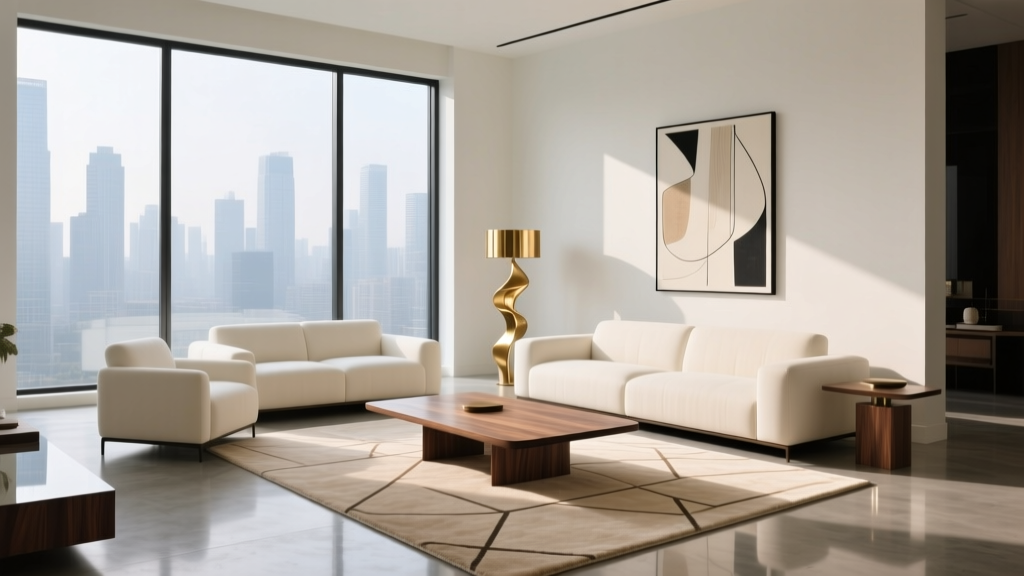
Luxury Living Room Design Trends - The Decor Mag
Luxury living rooms have shifted from “look-but-don’t-touch” showpieces to spaces that feel curated, comfortable, and deeply personal. Whether you rent a city apartment or own a family home, the new standard of luxury is livability: plush seating, layered lighting, thoughtful materials, and a layout that supports how you actually spend time—hosting friends, streaming movies, reading, working, or relaxing.
The best part? You don’t need a celebrity-sized budget to capture high-end living room design. Luxury is often a matter of proportion, texture, and intentional choices—like upgrading to a substantial area rug, selecting a sofa with tailored lines, or adding warm metallic accents in the right places. This guide breaks down the most current luxury living room trends, plus timeless principles that make a room feel expensive, balanced, and inviting.
Along the way, you’ll get practical measurements, budget ranges, material recommendations, product ideas, and real-world scenarios—so you can translate inspiration into a living room you’ll love coming home to.
1) The New Luxury: Comfort-First, Tailored, and Personal
Luxury living room decor trends are leaning into “quiet confidence”—rooms that look elevated without feeling over-designed. You’ll see fewer fragile statement pieces and more emphasis on:
- Comfort you can feel: deep seating, performance fabrics, soft edges, and supportive cushions.
- Tailored silhouettes: clean lines, refined profiles, and intentional negative space.
- Personal curation: art with meaning, collected objects, and books that reflect real interests.
Quick upgrade that reads instantly “luxury”
Swap lightweight decor for fewer, larger pieces. A single oversized ceramic vase or a substantial stone tray on the coffee table often looks more premium than multiple small items.
2) Statement Sofas and Sculptural Seating
The sofa remains the centerpiece of modern living room design, and luxury trends are favoring generous scale, sculptural forms, and upholstery that invites lounging. Curved sofas, modular sectionals, and “cloud” silhouettes are especially popular, but they look best when paired with structured elements (like a crisp rug pattern or angular side tables).
Measurements that matter
- Sofa size: For most living rooms, a sofa between 84–96 inches wide fits comfortably without overwhelming.
- Sectional rule of thumb: Leave at least 30–36 inches for main walkways.
- Seating depth: A luxe lounge feel often starts at 23–26 inches seat depth (deeper if you like to curl up).
Material recommendations (high-end look, real-life durability)
- Performance velvet: Plush and rich, with easier maintenance than traditional velvet.
- Textured bouclé: Still trending, but choose tight weaves for longevity.
- Leather (aniline or semi-aniline): Develops patina; best for households that like a timeless, tailored look.
- Performance linen blends: Airy and elevated, with stain resistance for daily use.
Product-style recommendations
- For renters: A slipcovered sofa in a warm neutral (oat, stone, sand) with upgraded legs (wood or brushed metal) for a custom look.
- For homeowners: A modular sectional with hidden connectors, so you can reconfigure for entertaining.
Budget range: Expect $1,800–$4,500 for a quality sofa, and $3,500–$9,000+ for a luxury modular sectional, depending on upholstery and fill (down blends typically cost more).
3) Layered Lighting: The Fastest Way to Make a Room Feel Expensive
If there’s one luxury living room design move that consistently delivers, it’s layered lighting. High-end spaces rarely rely on a single overhead fixture. Instead, they blend ambient, task, and accent lighting to create depth and mood.
A simple 3-layer lighting plan
- Ambient: Ceiling fixture or recessed lighting on a dimmer.
- Task: Reading lamps near seating (floor lamps or swing-arm sconces).
- Accent: Picture lights, LED strip lighting on shelves, or a small table lamp to highlight decor.
Placement and sizing tips
- Floor lamp height: Aim for 58–64 inches tall for most seating areas.
- Table lamp scale: A good target is 24–32 inches tall on a standard side table.
- Color temperature: Choose warm whites around 2700K for a cozy, luxury glow.
- Dimmers: Add dimmers whenever possible—this is one of the most “high-end hotel” upgrades you can make.
Budget range: You can build a luxe lighting mix for $300–$900 using one statement pendant plus two lamps. Premium designer fixtures can push $1,500–$6,000+, but smart layering beats overspending on a single chandelier.
4) Rich Neutrals, Deep Accents, and “Quiet Luxury” Color Palettes
Luxury living room color trends are moving away from stark white and into warmer, complex neutrals: mushroom, greige, taupe, clay, camel, and soft mocha. These shades make rooms feel calm and expensive, especially when paired with tactile materials.
On-trend color combinations
- Warm neutral base + black accents: Sophisticated and graphic (think matte black frames, hardware, or lighting).
- Stone + walnut + cream: A timeless, upscale mix that photographs beautifully.
- Deep green or navy + brass: Adds richness without feeling flashy.
Paint and finish guidance
- Walls: Eggshell or matte for a soft, modern finish.
- Trim: Satin or semi-gloss for subtle contrast and durability.
- Accent walls: Consider textured finishes (limewash-style paint or plaster-effect) for dimension.
Real-world scenario: In a rental with builder-beige walls, a renter-friendly luxury upgrade might be swapping in camel velvet curtains, adding a large cream rug, and bringing in black-framed art. The space reads intentional without repainting.
5) High-Impact Materials: Stone, Wood, Metal, and Glass (Used Intentionally)
Luxury is often a materials story. The trend right now is mixing natural finishes—stone and wood especially—while keeping the overall palette cohesive. You don’t need a full renovation to get the look; a few strategic material moments go a long way.
Where to use luxury materials for the biggest payoff
- Coffee table: Travertine, marble, or a faux-stone composite with realistic veining.
- Side tables: Walnut, smoked oak, or metal bases with stone tops.
- Decor accents: Solid brass (or quality plated) candlesticks, stone trays, alabaster-style lamps.
- Textiles: Wool, mohair, linen blends, silk accents (pillows), cashmere-like throws.
Material tips to keep it looking elevated
- Limit competing finishes: Aim for 2 wood tones max in one room (for example, walnut + light oak).
- Choose one metal family (brass, black, chrome/nickel) and repeat it 2–3 times across lighting, frames, and hardware.
- Mind the sheen: Mixing matte and polished is great; mixing too many glossy surfaces can feel cold.
6) Oversized Area Rugs and Luxe Layering Underfoot
Nothing shrinks a living room faster than a rug that’s too small. Luxury living room styling almost always includes a properly scaled area rug—usually larger than people expect. The rug should visually “anchor” the seating area.
Rug sizing cheat sheet
- Most living rooms: 8' x 10' is a minimum for a standard sofa setup.
- Larger rooms or sectionals: 9' x 12' or 10' x 14' for a truly high-end look.
- Placement: Aim for at least the front legs of all major seating on the rug (all legs is even better if space allows).
Best materials for a luxury feel
- Wool: Durable, naturally stain-resistant, and plush underfoot.
- Wool-silk blends: Higher sheen and softness, more delicate.
- High-quality synthetic blends: Great for kids/pets; look for dense pile and refined patterns.
Budget range: A good 8' x 10' rug is often $400–$1,200. Premium wool or designer rugs commonly range $1,500–$6,000+.
7) Custom-Looking Window Treatments (Even If You’re Renting)
Designer living rooms almost always have drapery that adds softness and height. Curtains also improve acoustics and make a room feel finished.
How to get the “tall ceiling” effect
- Hang high: Place curtain rods 4–8 inches above the window frame, or even closer to the ceiling for drama.
- Go wide: Extend rods 8–12 inches beyond the window on each side to make windows look larger.
- Choose length: Panels should kiss the floor or lightly puddle (about 1 inch) for a luxe look.
Fabric picks
- Linen blends for an airy, relaxed luxury look.
- Velvet for drama, sound absorption, and a richer feel.
- Blackout lining if you want a hotel-like atmosphere for movie nights.
Budget range: You can elevate windows for $150–$600 using ready-made panels and a sturdy rod. Custom drapery often starts around $1,500–$5,000+ depending on fabric and fullness.
8) Art, Objects, and Styling That Feels Collected (Not Cluttered)
Luxury living room accessories are less about filling every surface and more about editing. A few pieces with scale and meaning can transform a space.
Easy styling formula for coffee tables and consoles
- One stack: 2–3 oversized coffee table books.
- One sculptural object: ceramic, stone, or metal.
- One organic element: a branch arrangement, fresh flowers, or a small plant.
Art sizing tips
- Above the sofa: Choose art that’s about 2/3 the sofa’s width.
- Hanging height: Center artwork around 57–60 inches from the floor (gallery standard), adjusting for furniture height.
Real-world scenario: A homeowner with a neutral living room can create a gallery-like focal point by adding one large abstract canvas above the sofa and repeating a single accent color (like deep olive) in two pillows and one throw. The room feels designer without a full redesign.
9) Built-In Look: Media Walls, Shelving, and Architectural Detail
One of the strongest luxury living room trends is the “built-in effect”—even when it’s not a true renovation. Media walls with fluted panels, micro-cement looks, and symmetrical shelving add architectural presence.
Ways to get the look at different budgets
- Budget-friendly: Paint the TV wall a deeper shade than the rest of the room and add a long floating shelf under the TV.
- Mid-range: Install wall molding or slat panels (wood veneer or MDF) behind the media area.
- High-end: Custom built-ins with integrated lighting, cable management, and closed storage.
Functional luxury: hide the clutter
- Choose closed storage for remotes, cables, and games.
- Use baskets inside cabinets for easy organization.
- Plan at least 20–30% of shelving as “empty space” so it looks curated.
Common Luxury Living Room Mistakes to Avoid
- Buying a rug that’s too small: It makes even beautiful furniture look undersized.
- Relying on one overhead light: A single ceiling fixture rarely feels cozy or high-end.
- Choosing trendy pieces without a timeless anchor: Balance a statement chair with classic basics (sofa, rug, curtains).
- Ignoring scale: Too many small accents can read cluttered; fewer larger pieces feel intentional.
- Overmatching: Luxury looks layered. Mix textures and finishes within a cohesive palette.
- Pushing furniture against walls: Floating seating (even a few inches) creates a designer layout and better conversation flow.
Step-by-Step: A Luxury Living Room Refresh Plan (Weekend-Friendly)
- Edit first: Remove anything that looks worn, mismatched, or purely filler.
- Anchor with a rug: Size up to 8' x 10' or larger when possible.
- Upgrade lighting: Add two lamps with warm bulbs (2700K) and put key lights on dimmers.
- Improve textiles: Add 2–4 pillow covers in varied textures (linen, velvet, bouclé) and one substantial throw.
- Refine the coffee table: Style with a tray, books, and one sculptural object.
- Add one statement element: A large piece of art, a sculptural chair, or dramatic drapery.
Typical budget ranges for a refresh:
- Starter luxury (big impact, minimal changes): $300–$1,000
- Mid-level upgrade (rug + lighting + curtains + styling): $1,000–$3,500
- Full transformation (new sofa/sectional, premium rug, custom drapery): $4,000–$15,000+
FAQ: Luxury Living Room Design Trends
How can I make my living room look luxurious on a budget?
Focus on scale and layering: buy the largest rug you can reasonably fit, add two warm-light lamps, and upgrade textiles (pillows and curtains) in rich materials like linen blends or velvet. A few substantial accessories will look more expensive than many small decor items.
What colors make a living room feel high-end?
Warm neutrals (taupe, mushroom, greige, camel) are strongly associated with “quiet luxury.” For contrast, add black accents or deep tones like olive, navy, or charcoal in small doses.
What’s the best living room layout for a luxury feel?
A conversation-friendly layout wins: keep seating within 8–10 feet of each other when possible, leave 30–36 inches for walkways, and pull furniture off the walls slightly to create depth.
Are accent walls still in style for luxury living rooms?
Yes—especially when they add texture. Think limewash-style paint, subtle plaster finishes, or wood slat paneling behind a media wall. The most luxurious accent walls feel architectural rather than just “a different color.”
What materials look most luxurious but still work for everyday life?
Wool rugs, performance velvets, leather, linen-performance blends, and solid wood furniture are excellent choices. For stone, consider honed finishes (less shiny) and seal natural stone when needed for durability.
How do I keep a luxury living room from feeling cold or too formal?
Balance structured pieces with softness: add a plush rug, warm lighting (2700K), tactile fabrics, and something organic (wood, greenery, or a branch arrangement). Comfort is the hallmark of modern luxury.
Next Steps: Build Your Luxury Look, One Upgrade at a Time
Start with the basics that change everything—rug size, lighting layers, and a well-proportioned sofa—then refine with window treatments, art, and a few meaningful objects. Luxury living room design isn’t about perfection; it’s about choosing fewer things, choosing better, and letting the room breathe.
For more inspiration, shopping guides, and living room decor ideas that fit real homes and real budgets, explore more articles on thedecormag.com.
More Articles
 How to Choose the Right Sofa Depth - The Decor Mag
 Best Slipcover Sofa Picks - The Decor Mag
 Art in Living Room Design: Ideas & Tips (2026)
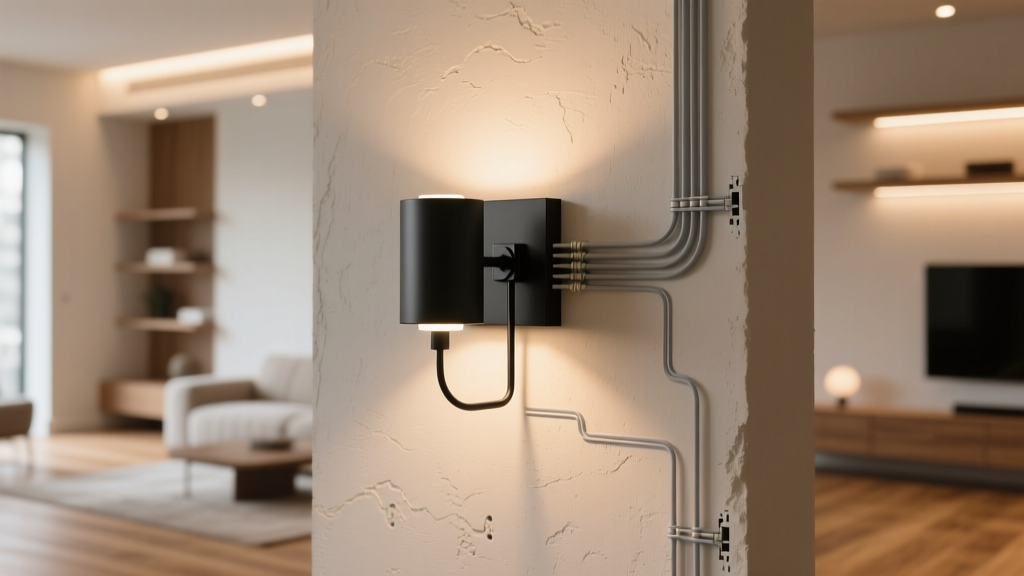 Best Wall Sconce Wiring Options - The Decor Mag
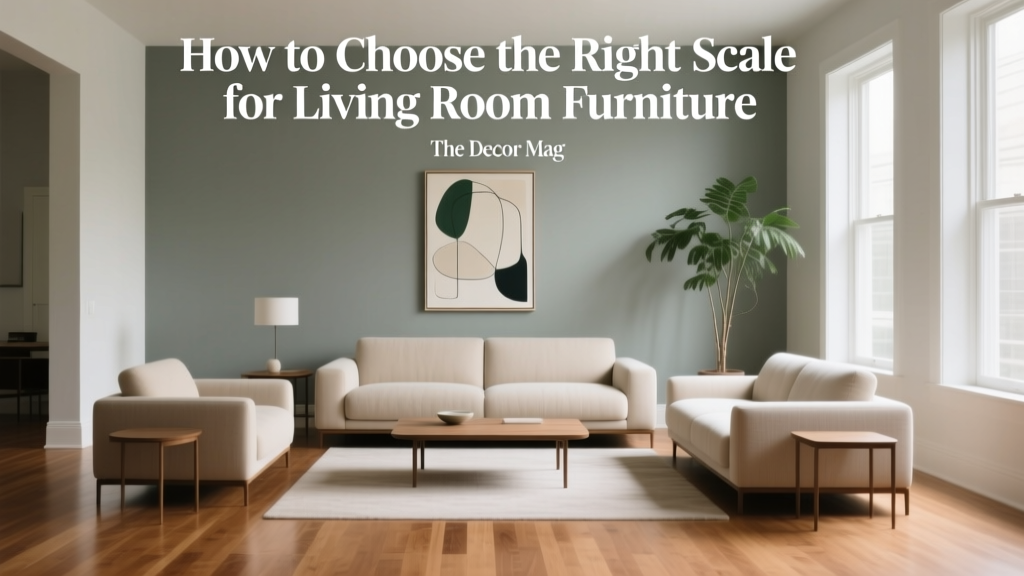 Living Room Furniture Scale: How to Choose Right (2026)
 Create vs. Feels: Modular Living Systems Compared 2026
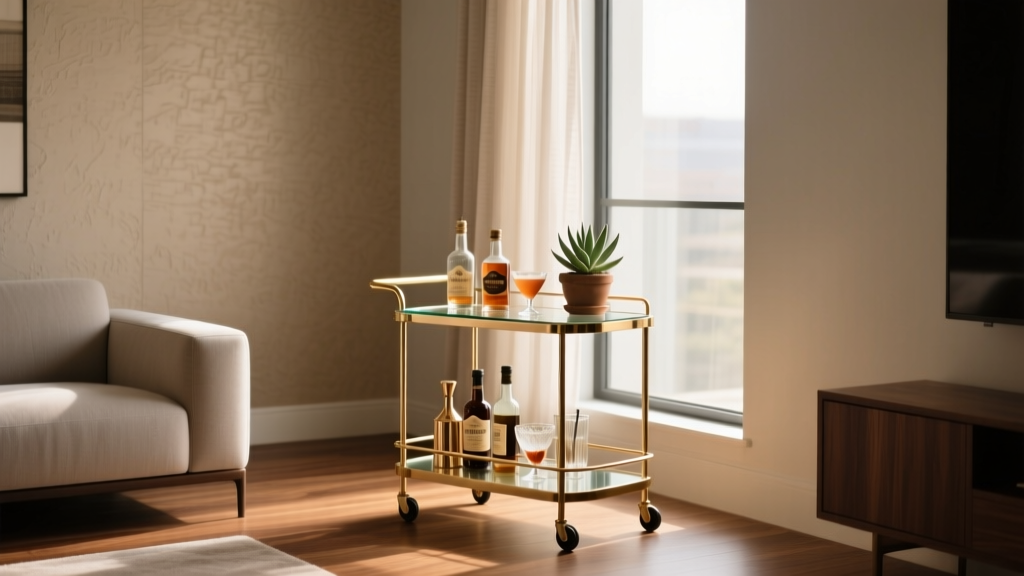 Best Bar Cart Placement in Living Rooms - The Decor Mag
 Living Room Design: Functional + Stylish Framework (2026)
 How to Create a Cozy Winter Living Room - The Decor Mag
 Best Outdoor Furniture for Modern Living Spaces 2026