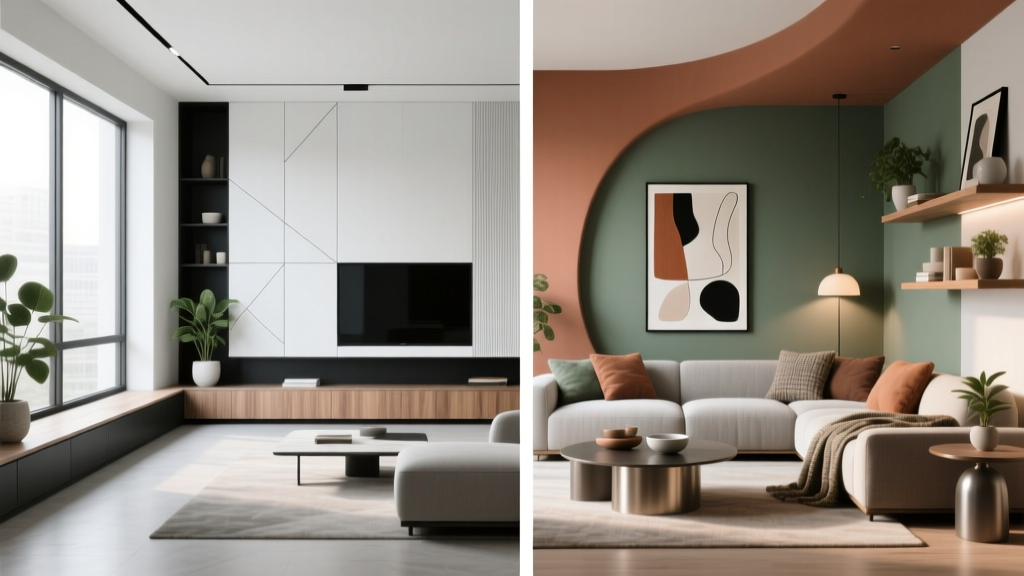
Contemporary vs Modern Living Rooms (2026)
“Modern” and “contemporary” are two of the most misused terms in living room design—and the mix-up can cost you time, money, and a cohesive result. You might fall in love with a “modern sofa” online, then wonder why it looks out of place next to your “contemporary” lighting. Or you may be trying to warm up a space that feels a little too sleek, without realizing you’re blending styles with very different roots.
This guide breaks down the real differences between a modern living room and a contemporary living room, with clear visual cues, materials to look for, and practical choices you can make in your own home—whether you’re refreshing a rental or redesigning a forever space. You’ll also get room-by-room tips, budget ranges, common mistakes to avoid, and simple steps to choose the direction that fits your lifestyle.
By the end, you’ll be able to walk into any living room (or scroll through a product page) and immediately tell: “That’s modern,” “That’s contemporary,” or “That’s a smart blend of both.”
Modern vs Contemporary: The Simple Definition
Modern living room style: a specific era
Modern design generally refers to the early-to-mid 20th century (roughly 1920s–1970s), including Mid-Century Modern. It’s rooted in function, simplicity, and honest materials. Think clean lines, warm woods, and furniture that feels purposeful rather than decorative.
Contemporary living room style: what’s current
Contemporary design reflects what’s happening now (and what’s emerging next). It evolves with trends—today that might mean softer curves, mixed materials, warmer neutrals, and statement lighting. Contemporary can borrow from modern, minimal, Scandinavian, industrial, or even traditional elements, as long as the overall look feels current and intentional.
- Modern = a defined design movement and time period
- Contemporary = the style of the moment (always changing)
Key Visual Differences in a Living Room
1) Lines and shapes
Modern living rooms favor crisp geometry: rectangular sofas, straight legs, and clean silhouettes. Contemporary living rooms often include softer curves and sculptural forms—think rounded chairs, arched floor lamps, and organic coffee tables.
- Modern: straight lines, tapered legs, simple profiles
- Contemporary: curves, asymmetry, statement silhouettes
2) Materials and finishes
Both styles can look “clean,” but the materials tell the story.
- Modern materials: walnut or teak, leather, wool, linen, chrome (used sparingly), molded plywood
- Contemporary materials: boucle, performance velvet, engineered stone, matte black metal, ribbed wood, fluted glass, mixed finishes
Trend watch: Contemporary living room decor is leaning warmer and more tactile—plaster finishes, limewash paint, boucle accent chairs, and layered textures that feel inviting rather than stark.
3) Color palettes
Modern often uses warm neutrals anchored by wood tones, with controlled pops of color (mustard, olive, rust, teal). Contemporary frequently uses tonal palettes: creamy whites, warm grays, taupe, camel, and deep accents like charcoal, espresso, or oxblood.
Quick rule: if the palette feels grounded in natural wood warmth and mid-century hues, it often reads modern. If it’s tonal and texture-driven with up-to-date neutrals, it leans contemporary.
4) Patterns and decor
- Modern: simple graphic patterns, abstract art, restrained accessories, iconic shapes
- Contemporary: oversized art, sculptural objects, textured pillows/throws, layered rugs, curated “gallery” styling
Modern Living Room: Signature Elements to Look For
If you’re aiming for a modern living room design, build around function, proportion, and timeless pieces that won’t feel dated in two years.
Modern furniture must-haves
- Low-profile sofa with clean arms (bench seat or tight back works well)
- Wood coffee table (walnut/teak) with simple legs or a slab top
- Iconic accent chair inspired by Mid-Century silhouettes (even a budget-friendly lookalike)
- Media console with slatted doors or minimal hardware
Modern lighting and decor
- Dome pendant, globe lamps, or a clean-armed floor lamp
- Abstract or geometric art in simple frames (black, oak, or walnut)
- One or two statement accessories instead of many small items
Practical measurements for modern layouts
- Coffee table distance: 14–18 inches from the sofa edge
- Rug sizing: Ideally 8' x 10' for most living rooms; front legs of sofa and chairs should sit on the rug
- Media console length: 6–12 inches wider than your TV on each side (visually balanced)
Contemporary Living Room: Signature Elements to Look For
Contemporary living room decor is all about what feels current: comfort-forward seating, tactile finishes, and statement pieces that create a “designed” look without clutter.
Contemporary furniture must-haves
- Deep, loungey sofa (often with wider arms, modular sections, or slipcovered styles)
- Mixed-material coffee table (stone + wood, metal + glass, or an organic wood top)
- Statement accent chair in boucle, velvet, or leather with a curved silhouette
- Side tables that feel sculptural (drum shapes, fluted bases, or asymmetrical pairs)
Contemporary lighting and decor
- Oversized pendant or modern chandelier (matte black, aged brass, or plaster)
- Textural pillows (boucle, ribbed knits) and chunky throws
- Large-scale art or a coordinated gallery wall with intentional spacing
Practical measurements for contemporary comfort
- Sofa depth: 38–45 inches for a true contemporary lounge feel
- Walkway clearance: 30–36 inches for main paths (especially around sectionals)
- Accent chair spacing: keep 24–30 inches between chair and coffee table for easy movement
How to Choose: A Quick Style Decision Guide
Use these prompts to decide whether modern or contemporary fits your home and lifestyle best.
You may prefer a modern living room if you want:
- Timeless, recognizable silhouettes
- Warm wood tones and simple upholstery
- A curated look with fewer “extras”
- Pieces you can keep for a decade or more
You may prefer a contemporary living room if you want:
- A current look with trend-aware details
- Comfort-first seating and layered textures
- Statement lighting and sculptural furniture
- Flexibility to update with new finishes over time
Real-World Scenarios: What These Styles Look Like at Home
Scenario 1: Small apartment living room (renter-friendly)
Modern approach: Choose a compact sofa (72–84 inches), a slim walnut coffee table, and a single bold art print. Add one floor lamp with a simple shade. Keep the palette light and warm to avoid visual clutter.
Contemporary approach: Pick a modular loveseat or apartment sectional with a chaise, add a round coffee table to improve flow, and layer a textured rug plus two oversized pillows. Use plug-in sconces to create height without hardwiring.
Scenario 2: Open-plan living room that needs definition
Modern approach: Anchor the seating on an 8' x 10' or 9' x 12' rug. Use a long, low media console to keep sightlines clean. Add one accent chair to “close” the conversation area.
Contemporary approach: Use a larger rug and a statement light fixture over the seating zone. Add two different side tables to create a layered look. Consider a curved sofa or a round ottoman to soften the openness.
Scenario 3: Family living room with pets and kids
Modern approach: Opt for leather (easy wipe-down) or tightly woven performance fabric. Choose a sturdy wood coffee table with rounded corners.
Contemporary approach: Go for performance velvet or stain-resistant slipcovers. Add a large storage ottoman to hide toys and double as a soft-edged coffee table.
Step-by-Step: Build the Look Without Starting Over
Whether you’re leaning modern or contemporary, you’ll get the best results by updating in a smart order.
- Start with the anchor piece: sofa or sectional. Choose the silhouette that matches your target style (straight = modern; plush/curved = contemporary).
- Set the foundation: rug size first, then coffee table. For most rooms, an 8' x 10' rug is the sweet spot.
- Layer lighting: aim for at least three light sources (overhead + floor + table). Use warm bulbs: 2700K for cozy living room lighting.
- Add textiles: curtains, pillows, and throws. Keep modern patterns graphic; keep contemporary textures tactile and tonal.
- Finish with art and styling: go bigger than you think. A common guideline is art that’s about 2/3 the width of the sofa.
Product Recommendations by Budget (Modern vs Contemporary)
These are category recommendations to guide your shopping for living room furniture and decor. Prices vary by brand and region, but the ranges below reflect typical retail.
Modern living room shopping list
- Sofa: $900–$3,500 (look for clean arms, solid wood frame, durable woven fabric or leather)
- Wood coffee table: $250–$1,200 (walnut/teak veneer can look great; solid wood lasts longer)
- Media console: $300–$1,800 (slatted fronts, minimal pulls)
- Accent chair: $250–$1,500 (structured upholstery, exposed wood legs)
Contemporary living room shopping list
- Deep sofa/sectional: $1,200–$5,000 (performance fabric, modular options, plush cushions)
- Statement coffee table: $300–$2,000 (stone top, organic shapes, mixed materials)
- Lighting: $150–$1,200 (oversized pendant, sculptural floor lamp)
- Textiles & decor: $100–$600 (layered pillows, throws, large vase, coffee table books)
Materials that age well (and look “expensive”)
- Performance fabric (great for rentals and families)
- Full-grain or top-grain leather (modern staple; develops patina)
- Wool rugs (durable, naturally stain resistant)
- Solid wood or quality veneer (warmer than high-gloss laminates)
- Matte metals (black, aged brass) for contemporary polish
Common Mistakes to Avoid (That Make a Room Feel “Off”)
- Buying “modern” when you mean “contemporary” (or vice versa): Check silhouettes. A mid-century-inspired sofa won’t automatically suit a very curvy, trend-forward space.
- Going too cold with color: All-gray palettes can feel flat. Add warmth through wood, camel, cream, or brass accents.
- Choosing the wrong rug size: A too-small rug makes furniture look like it’s floating. When in doubt, size up.
- Mixing too many statement pieces: One hero (lighting, art, or coffee table) is usually enough. Let supporting items stay simple.
- Ignoring scale: Oversized sectionals swallow small rooms; tiny coffee tables look lost in open plans. Measure before buying.
- Over-accessorizing: Especially in modern living rooms, too many small decor items create visual noise.
Blending Modern and Contemporary (When You Want the Best of Both)
Many of the most livable rooms combine modern structure with contemporary comfort. The trick is to keep one style dominant.
- Modern base + contemporary accents: a clean-lined sofa and walnut table, plus a boucle chair and sculptural lamp.
- Contemporary base + modern clarity: a deep sectional and tonal rug, plus a streamlined media console and graphic art.
Tip: Repeat one finish 2–3 times (black metal, walnut, or brass) to make mixed styles feel intentional.
FAQ: Contemporary vs Modern Living Room Design
Is Mid-Century Modern the same as modern?
Mid-Century Modern is a branch of modern design (most associated with the 1940s–1960s). It shares modern principles—function, clean lines, and honest materials—plus signature tapered legs and warm woods.
Can a contemporary living room include antique or traditional pieces?
Yes. Contemporary style often mixes eras. The key is editing: pair one traditional piece (like an antique side table) with current elements such as modern lighting, a tonal rug, and streamlined seating.
What colors work best for a modern living room?
Warm neutrals (cream, oatmeal, warm gray) and natural wood tones are classic. Add controlled accents like olive, rust, mustard, or deep teal for a true modern feel.
What are the easiest ways to make a living room feel more contemporary?
- Swap in textured pillows (boucle, ribbed, nubby weaves)
- Upgrade to a statement light fixture (matte black or plaster)
- Choose larger art with simpler frames
- Replace a rectangular table with a round or organic coffee table for softer lines
Does contemporary always mean minimalist?
No. Contemporary can be minimal, but it can also be layered and cozy. Today’s contemporary living rooms often lean “warm modern”: soft neutrals, lots of texture, and comfortable seating.
How do I choose between modern vs contemporary if I’m on a budget?
Modern is often easier to thrift and mix because the shapes are classic and recognizable. Contemporary can be budget-friendly too—focus on smaller upgrades like lighting, textiles, and decor, then save for a comfortable sofa as your anchor piece.
Next Steps: Decide Your Direction and Update with Confidence
If you want a timeless, era-rooted look with warm woods and clean geometry, lean modern. If you want what’s current—curves, texture, and comfort-first pieces—lean contemporary. Either way, start with the anchor furniture, get your rug size right, and build layers slowly so the room feels cohesive instead of crowded.
For more living room design tips, furniture guides, and decor trends—plus real-home inspiration you can actually use—explore more living room ideas on thedecormag.com.
More Articles
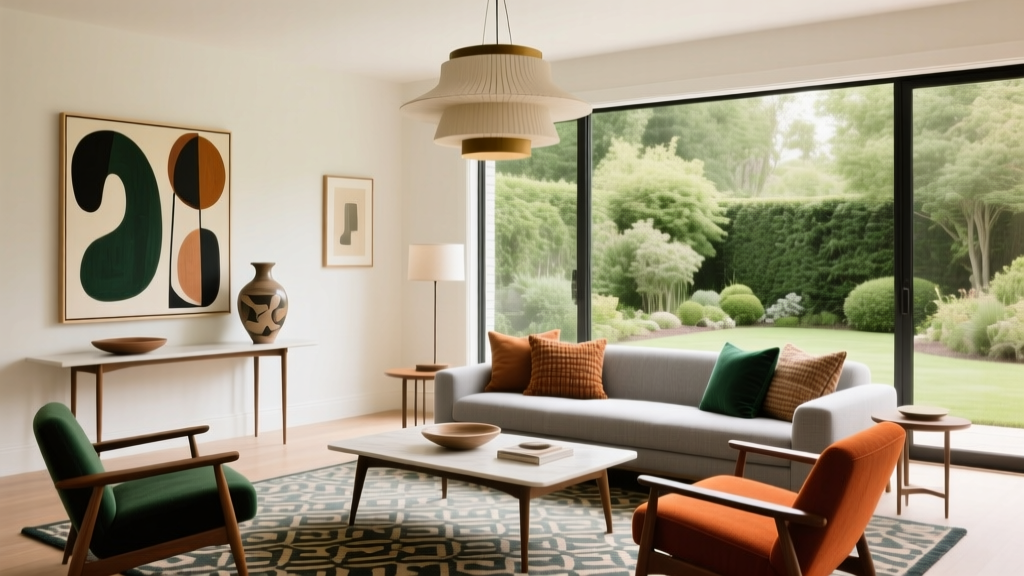 Living Room Artful Eclectic Design - The Decor Mag
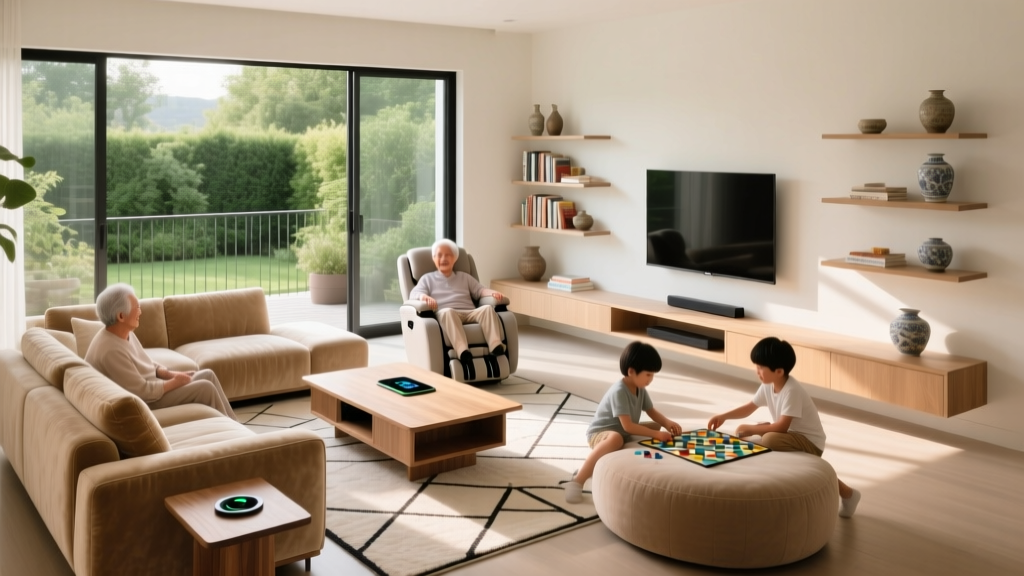 Living Room for All Ages: Design Tips (2026)
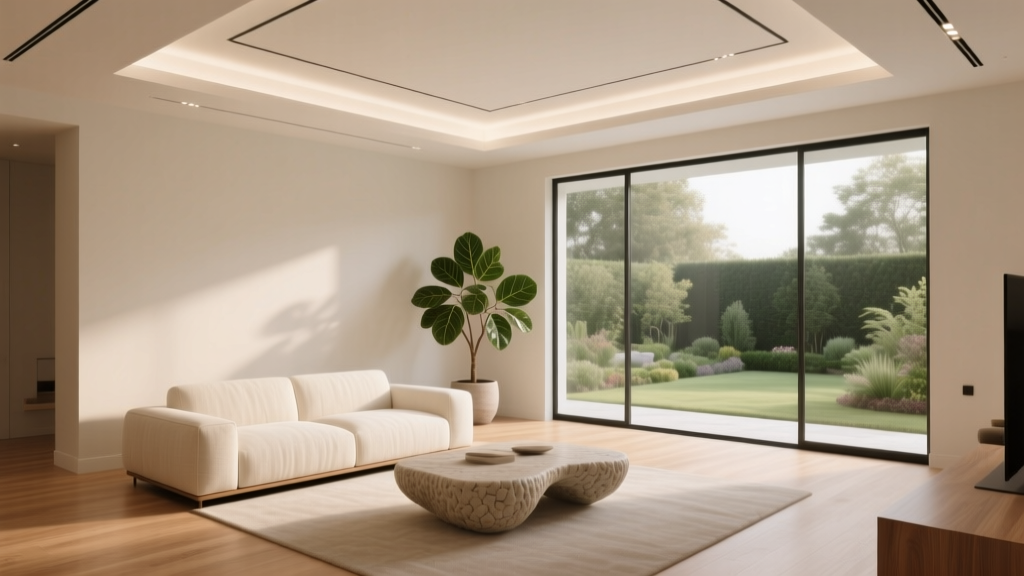 Living Room Tray Ceiling Design Ideas - The Decor Mag
 Best Console Table Depth for Behind Sofa - The Decor Mag
 Best Console Tables for Entry Living Rooms - The Decor Mag
 Best Flooring Options for Living Rooms - The Decor Mag
 Elegant Traditional Living Room Ideas - The Decor Mag
 Best Bench Options at the End of a Sofa - The Decor Mag
 How to Style a Living Room for the Holidays - The Decor Mag
 Living Room Art That Makes a Statement (2026)