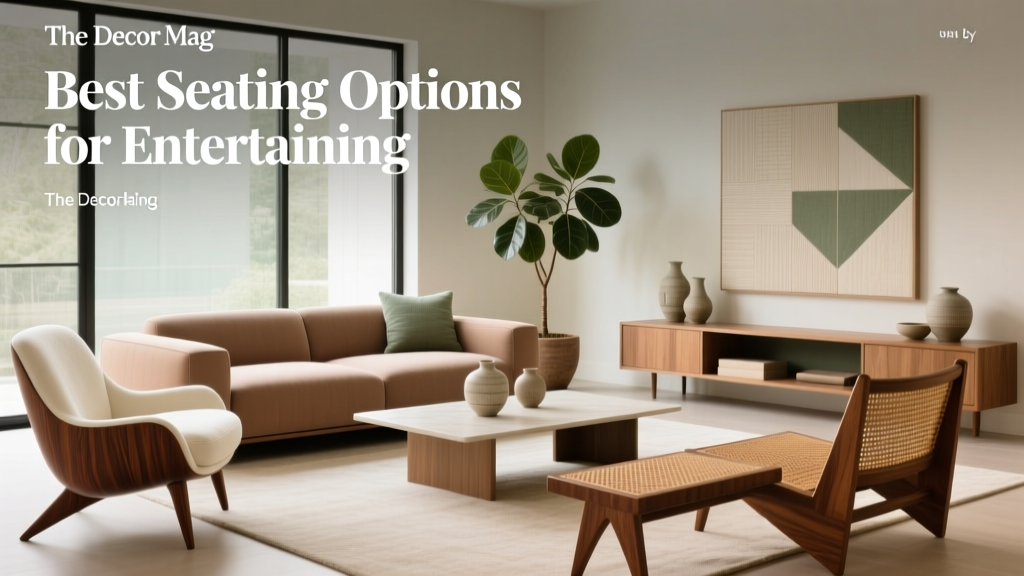
Best Seating Options for Entertaining - The Decor Mag
When friends and family come over, the living room does more than look pretty—it works hard. Seating is the difference between a gathering that flows (people chatting in comfortable clusters, drinks balanced safely, everyone feeling included) and one that feels awkward (guests perched on dining chairs, conversations split across the room, traffic jams around the coffee table).
The good news: you don’t need a massive home or a huge budget to create a welcoming, flexible setup. With the right mix of sofas, chairs, ottomans, and a few smart space-planning rules, your living room can handle everything from movie night to a cocktail party.
This guide breaks down the best seating options for entertaining, including practical measurements, material recommendations, budget ranges, and real-life layout scenarios. You’ll also find common mistakes to avoid and a quick FAQ to help you choose seating that fits your space, style, and social life.
Start With the Entertaining “Brief”: How You Host Matters
Before buying anything, clarify how you actually entertain. A living room set up for board games and movie marathons looks different from one designed for mingling and conversation.
Ask yourself these quick questions
- How many people do you host most often? (4–6, 8–10, 12+)
- Do guests stay seated for long stretches? (movies, dinners) or move around (cocktails)?
- Do you need a kid-friendly, pet-friendly setup?
- Do you have an open-plan living room? Seating can help define zones.
- What’s your storage situation? Small spaces benefit from nesting and hidden-storage pieces.
Key measurements to plan a comfortable layout
- Main walkway clearance: 36 inches (ideal), 30 inches (tight but workable).
- Between sofa and coffee table: 14–18 inches for easy reach and legroom.
- Conversation distance (seat to seat): 4–8 feet is the sweet spot.
- TV viewing distance (quick rule): about 1.5–2.5x the TV’s diagonal size (e.g., 65” TV = roughly 8–13.5 feet).
- Rug sizing tip: Aim for at least the front legs of all major seating to sit on the rug for a cohesive “conversation zone.”
The Best Seating Options for Entertaining (and When to Use Them)
1) The Sofa: Your Seating Anchor
A great sofa is the backbone of living room seating. For entertaining, prioritize comfort, durable upholstery, and a scale that fits your room without overwhelming it.
What to look for
- Length: 72–84 inches seats about 3; 90–96 inches seats 3–4 comfortably.
- Seat depth: 21–24 inches for most adults; consider 24–26 inches for lounging (add supportive back pillows for shorter guests).
- Seat height: 17–19 inches is comfortable for a wide range of people.
- Cushions: High-resiliency foam wrapped in down/feather blend offers comfort without looking sloppy quickly.
Best upholstery for real life
- Performance fabric: A top pick for entertaining—stain resistance, easy cleaning, and excellent durability.
- Leather (or high-quality faux leather): Wipes clean, looks better with age, and works in modern and classic living room decor.
- Crypton / treated textiles: Ideal for frequent hosting, kids, pets, and red-wine risk.
Budget range
- $900–$1,800: Solid entry-level sofas, especially in performance fabrics.
- $1,800–$3,500: Better frames, comfort, and fabric options; more stylish silhouettes.
- $3,500+: Premium craftsmanship, tailored details, and long-term investment pieces.
2) Sectionals: Maximum Seating, Cozy Vibe
Sectionals shine for family-style entertaining, game nights, and movie marathons. They can also work for conversation-focused hosting when paired with at least one accent chair to “open” the layout.
Best sectional types for entertaining
- L-shaped sectional: Great for defining an open-plan living room and seating 5–6 comfortably.
- Chaise sectional: Perfect for lounging; just ensure it doesn’t block pathways.
- Modular sectional: A current design trend with real benefits—reconfigure for parties, everyday life, and even moves to a new home.
Space planning tips
- Leave at least 30–36 inches behind or around the sectional for walking paths.
- Pair with a round or oval coffee table to soften corners and improve flow.
- If the sectional faces the TV, add a swivel chair to support conversation without forcing guests to twist awkwardly.
Budget range
- $1,500–$3,000: Many modular and smaller sectionals.
- $3,000–$6,500: Larger, deeper, more customizable options with performance upholstery.
3) Accent Chairs: The Secret to a Great Conversation Layout
Accent chairs do heavy lifting for entertaining. They help you create a balanced seating arrangement that invites conversation—and they’re easier to move around than a sofa.
Top chair styles for entertaining
- Swivel chairs: A favorite in current living room design trends—guests can turn toward conversation or the TV without dragging furniture.
- Barrel chairs: Cozy, rounded silhouettes that make small spaces feel inviting.
- Slipper chairs: Lower profile, great for tight layouts or under windows.
- Club chairs: Timeless, structured comfort for long chats.
Pro placement tip
Place chairs within 6–8 feet of the sofa for conversation. If your room is large, pull seating inward rather than pushing everything to the walls—this is a timeless principle that instantly makes gatherings feel warmer.
Budget range
- $250–$600: Great value chairs, especially in polyester blends or faux leather.
- $600–$1,500: Higher comfort, better frames, more refined upholstery.
- $1,500+: Designer silhouettes, premium leathers, performance textiles, and heirloom quality.
4) Ottomans, Poufs, and Benches: Flexible Extra Seats
For entertaining, flexible seating is gold. Ottomans and poufs can act as footrests, extra perches, or even casual “tables” with a tray. Benches can tuck under windows or float behind a sofa.
What works best
- Large upholstered ottoman: Doubles as a coffee table; choose a firmer top if you want it to hold trays.
- Storage ottoman: A renter-friendly upgrade—stash throws, games, extra pillows.
- Poufs: Lightweight and easy to move; ideal for kids and casual gatherings.
- Bench seating: Great in narrow rooms or behind a sofa in an open-plan living room.
Material recommendations
- Performance velvet: Softer than you’d expect and often surprisingly durable.
- Leather: Especially good for ottomans that get heavy use.
- Woven textures: Adds warmth and contrast (think boucle, tweed, or chunky weaves), but consider snag-resistance if you have pets.
Budget range
- $80–$250: Poufs, smaller ottomans.
- $250–$800: Larger ottomans and storage pieces.
- $800+: Custom ottomans and premium leather options.
5) Dining Chairs as Backup Seating (That Doesn’t Look Like a Last-Minute Fix)
If you entertain often, it’s worth choosing dining chairs that can pull double duty in the living room. This is especially helpful in apartments and smaller homes where every item needs to earn its place.
How to make it feel intentional
- Choose dining chairs with upholstered seats for comfort.
- Opt for a finish and style that complements your living room decor (warm wood tones are trending and timeless).
- Keep two lightweight chairs that can move easily when guests arrive.
6) Floor Seating and Layered Options for Casual Hosting
For relaxed, bohemian-inspired living rooms or family spaces, floor cushions can be a charming (and practical) way to expand seating. The key is to make it feel like a design choice, not a shortage of chairs.
- Use two oversized floor cushions in a durable fabric.
- Layer with a large rug for comfort and visual cohesion.
- Add low side tables so guests have a place for drinks.
Real-World Layout Scenarios That Work
Scenario 1: Small apartment living room (hosting 4–6)
Goal: Comfortable conversation seating without blocking walkways.
- One 72–84 inch sofa against the longest wall.
- One swivel accent chair in the corner angled toward the sofa.
- One storage ottoman that can pull up as an extra seat.
- Nesting side tables that expand surface area when entertaining.
Tip: Choose a round coffee table (28–36 inches diameter) to improve flow in tight spaces.
Scenario 2: Open-plan living room (hosting 8–10)
Goal: Define a conversation zone and keep traffic paths clear.
- An L-shaped sectional with the back helping “zone” the living room from the dining area.
- Two matching accent chairs across from the sectional to create a classic conversational rectangle.
- A large rug (often 9x12) with front legs of all seating on it.
- Two end tables plus a console table behind the sectional for lamps and drink landing spots.
Tip: Add at least one swivel chair so guests can easily turn between the kitchen, conversation, and TV.
Scenario 3: Family living room (movie night + mixed ages)
Goal: Lounge-ready seating and durable materials.
- A modular sectional in performance fabric.
- A large upholstered ottoman to replace a hard-edged coffee table (safer for kids).
- One accent chair with a reading lamp for quieter moments.
- Washable throw blankets and extra pillows stored in an ottoman.
Step-by-Step: Build an Entertaining-Ready Seating Plan
- Measure your room (including door swings, radiator/heater clearance, and walking paths).
- Choose your anchor: sofa or sectional first.
- Add two “conversation partners”: a pair of chairs or one chair + one ottoman/pouf.
- Confirm surfaces: aim for at least one drink spot per 2 guests (coffee table + side tables + a console).
- Check flow: keep 30–36 inches for main walkways and avoid blocking entry points.
- Layer lighting: a floor lamp by a chair and table lamps near the sofa keep the room flattering and functional.
Common Mistakes to Avoid
- Buying a sectional that’s too large and forces people to squeeze through tight gaps. Tape out dimensions on the floor before you commit.
- Pushing all furniture against the walls, which makes conversation harder and the room feel less inviting.
- Not enough “landing zones” for drinks and snacks. If guests are balancing glasses, spills happen.
- Choosing delicate fabrics for high-traffic seating. Save silk-like textures for decorative pillows, not the main sofa.
- Ignoring seat comfort for style. A beautiful chair with a too-upright back won’t get used during long gatherings.
- Blocking pathways with extra chairs that never move. Opt for lightweight accent chairs or poufs instead.
FAQ: Seating for Entertaining
How many seats should my living room have for entertaining?
A practical goal is seating for 6 in an average living room (sofa + 2 chairs, or a sectional). If you host often, build in 2–4 extra flexible seats (ottomans, poufs, or lightweight chairs) you can pull in as needed.
Is a sectional or sofa better for entertaining?
A sectional is better for lounging and larger groups who don’t mind sitting closer together. A sofa + chairs arrangement is often best for conversation because it naturally creates face-to-face seating. Many homes do well with a sectional plus one accent chair to balance both needs.
What’s the best fabric for a living room sofa if I host often?
Performance fabric is the most entertaining-friendly choice: it resists stains, cleans easily, and holds up to frequent use. Leather is also excellent if you like the look and want wipeable durability.
How do I add more seating without making my living room feel crowded?
Use multi-purpose pieces (storage ottomans, benches behind a sofa), armless options (slipper chairs), and lightweight movable seating (poufs). Also prioritize round tables and clear walkways to keep the room feeling open.
What size coffee table works best for entertaining?
Aim for a coffee table that’s about 1/2 to 2/3 the length of your sofa. Keep 14–18 inches between the sofa and table. For better flow in busy living rooms, round or oval shapes are especially guest-friendly.
Do matching chairs make a living room look too formal?
Not necessarily. Matching chairs can look polished and timeless, especially when you mix textures (for example, two matching chairs in a nubby fabric paired with a smooth leather sofa). For a more relaxed feel, choose coordinating chairs in different silhouettes but similar color tones.
Next Steps: Make Your Living Room Guest-Ready
Start by measuring your space and identifying your anchor piece—sofa or sectional—then layer in flexible seating like a swivel chair, an ottoman that doubles as a perch, and side tables that give every guest a place to set a drink. Choose durable, cleanable materials, and keep your layout focused on comfort, conversation, and easy movement.
Want more living room design and decor ideas—from layout guides to trend-forward styling? Explore more inspiration on thedecormag.com.
More Articles
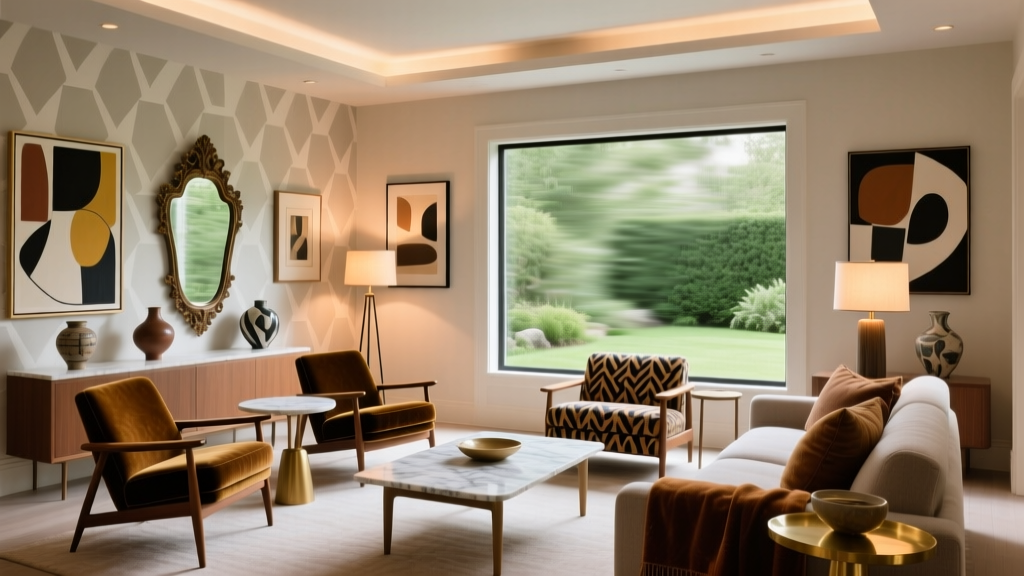 Eclectic Living Room Decor Tips - The Decor Mag
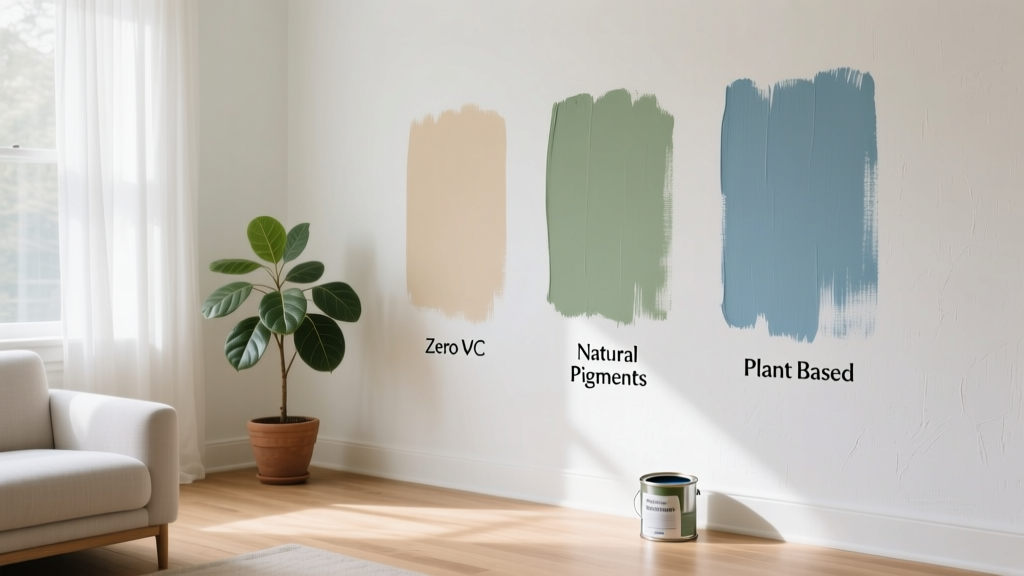 Non-Toxic Paint Guide: Safe Colors for Every Room
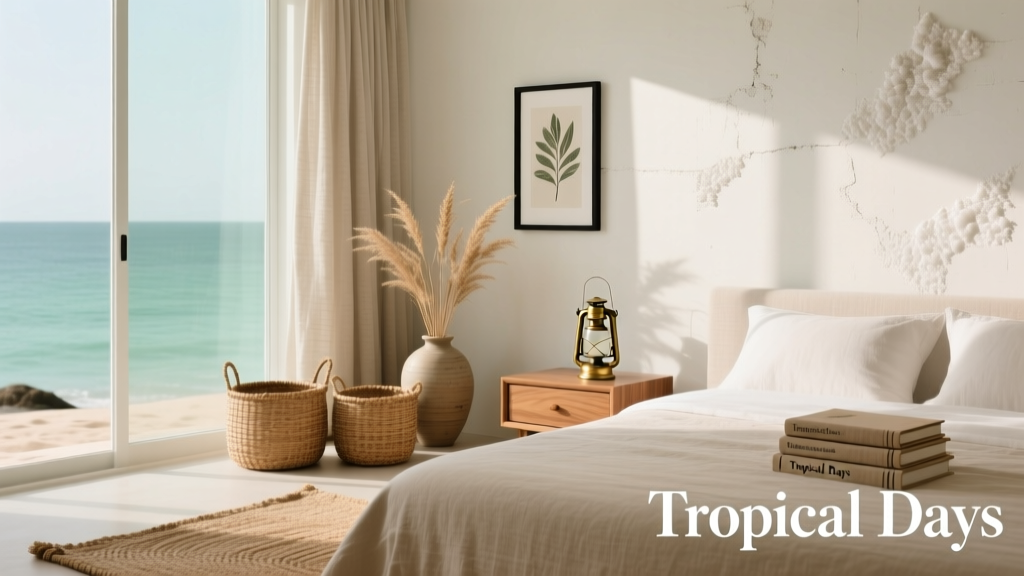 Island Bedroom Ideas 2026: Coastal Calm & Smart Layouts
 Non-Toxic, Low-VOC Paints for Every Room (2026)
 Living Room Bright Airy Design Tips - The Decor Mag
 Paint Safety Tips for Health & Environment in 2026
 Best Affordable Living Space Solutions 2026
 Bohemian Living Room Decor Ideas - The Decor Mag
 Bay Window Living Room Decor Ideas (2026)
 Best Chaise Lounge Placement Ideas - The Decor Mag