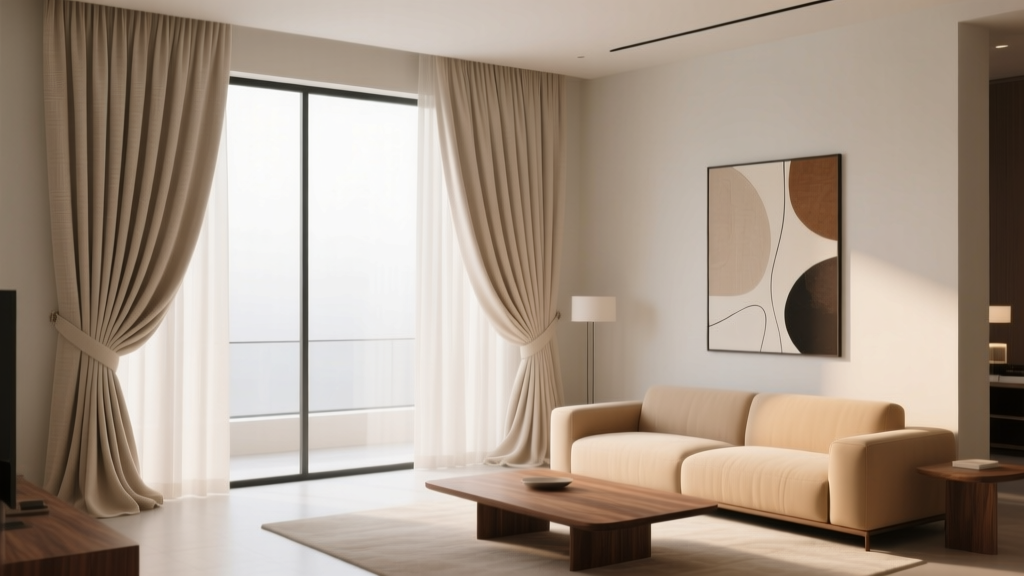
Best Swag Curtain Ideas for Living Rooms - The Decor Mag
Few design details change a living room as quickly as window treatments. Swag curtains—those softly draped fabric “garlands” that frame the top of a window—add instant architecture, softness, and a sense of intention. They can make standard windows feel taller, wide walls feel more balanced, and everyday rooms feel dressed for company.
Swags also happen to be incredibly flexible. Whether you rent a small apartment and need a no-drill solution, or you own a home with oversized windows and want a more layered look, there’s a swag style that fits. You’ll learn the most popular swag curtain ideas for living rooms, the best fabrics and measurements, how to hang them for maximum impact, and how to avoid common pitfalls that can make swags look dated or fussy.
Along the way, you’ll find real-world scenarios (because not everyone has perfectly symmetrical windows), budget ranges, and practical installation tips so you can get a polished result—without overthinking it.
What Are Swag Curtains (and Why They Work So Well in Living Rooms)?
A swag is a draped piece of fabric that typically hangs across the top of a window in a soft curve, sometimes paired with side panels (also called jabots or cascades) and sometimes used alone as a valance alternative. Swags are especially effective in living rooms because they:
- Add height and grandeur without requiring heavy, floor-to-ceiling drapery.
- Introduce softness to rooms with lots of hard surfaces (wood floors, glass, stone).
- Layer beautifully with blinds, shades, or sheers for better light control.
- Help “finish” a focal wall (think fireplace wall with adjacent windows).
Current living room design trends lean toward tailored, airy window treatments—linen blends, soft neutrals, and layered textures. Swags can match that look when kept clean-lined, lightly draped, and intentionally installed.
Swag Curtain Styles That Look Fresh (Not Old-Fashioned)
1) Relaxed Linen Swag for a Modern Organic Living Room
For a living room with warm neutrals, natural wood, and textured rugs, a linen or linen-blend swag feels effortless. Keep the drape shallow (not too droopy) and avoid overly ornate trims.
Best for: Scandinavian, modern organic, coastal, and contemporary spaces.
Materials to try: Linen, linen-cotton blend, washed cotton, light slub weaves.
Budget range: $40–$120 per window for ready-made; $150–$400+ custom depending on fabric and width.
Real-world scenario: You have a bright, open-plan living room with an 8-foot ceiling and a large sofa facing the windows. A relaxed linen swag over simple white solar shades softens glare while keeping the view clean and modern.
2) Box-Pleated Swag for a Tailored, Transitional Look
If your living room mixes classic and modern elements—think a traditional sofa with contemporary lighting—a structured swag with light pleating bridges both worlds. It reads polished without feeling overly formal.
Best for: Transitional, traditional with a modern update, modern farmhouse (when kept simple).
Materials to try: Cotton sateen, linen blend with body, lightweight velvet for winter coziness.
Budget range: $60–$180 per window ready-made; $250–$600+ custom.
3) Swag + Side Panels for a Layered Designer Look
This is the “most finished” approach: a swag across the top paired with stationary side panels. The side panels add vertical lines (great for making ceilings feel taller), while the swag provides a focal point.
- Light control: Pair with blackout roller shades behind for movie nights.
- Depth: Mix a textured swag with smoother side panels (or vice versa).
Best for: Formal living rooms, large windows, and homes with crown molding.
Budget range: $120–$350+ per window depending on panel count and fabric weight.
4) Sheer Swag for Soft Daylight and a Romantic Feel
Sheer swags work especially well when you want privacy without blocking natural light. Choose a high-quality sheer (not shiny) for an elevated look.
Materials to try: Voile, gauze, textured sheers, faux linen sheers.
Style tip: Keep hardware minimal (slim rod, hidden clips) so the window still feels airy.
Real-world scenario: A city apartment living room faces another building. A sheer swag over privacy shades lets you enjoy daylight while keeping the space feeling open.
5) Asymmetrical Swag for Off-Center Windows or Awkward Layouts
Not every living room has perfectly centered windows—especially in older homes or rentals. An asymmetrical swag (draped heavier on one side) can visually “correct” an off-center window or balance a nearby bookcase or fireplace.
Best for: Eclectic and contemporary spaces, or any room with asymmetry to solve.
6) Minimal Swag Valance (Shallow Drape) for Smaller Living Rooms
If your living room is compact, a deep, dramatic swag can overwhelm the wall. Instead, aim for a shallow swag that acts more like a softened valance.
- Depth guideline: 10–14 inches of drop for most small to mid-size windows.
- Pairing: Works well with simple side panels hung high and wide.
How to Measure for Swag Curtains (So They Look Intentional)
Measurements are what separate “pretty fabric over a window” from a professional-looking living room window treatment. Use these practical guidelines as a starting point:
Swag Width (Fullness)
- Minimum fullness: 1.5x the window width (for a lightly draped look).
- Ideal fullness: 2x the window width (for most living rooms).
- Luxurious fullness: 2.5x the window width (best for formal rooms or thicker fabrics).
Example: For a 60-inch-wide window, aim for 90–120 inches of swag fabric width, depending on how full you want the drape.
Swag Drop (How Low It Hangs)
- 8-foot ceilings: 12–18 inch drop is usually balanced.
- 9–10-foot ceilings: 16–24 inch drop can work beautifully.
- Very high ceilings: Scale up, but avoid covering too much glass unless privacy is the goal.
Hang Height (The “High and Wide” Rule)
For a living room that feels taller and brighter:
- Mount the rod 4–8 inches above the window trim (or just below crown molding).
- Extend the rod 6–12 inches past each side of the window so side panels can sit mostly on the wall, not the glass.
Step-by-Step: How to Hang Swag Curtains Like a Pro
- Choose your hardware. A standard rod works for many swags, but a double rod is ideal if you’re layering sheers or shades behind.
- Decide the look. Do you want a centered dip, three scallops, or a shallow valance-style swag?
- Mark the bracket placement. Use a level and measure from the ceiling or crown molding for consistent height.
- Create the drape.
- For a simple swag, use clip rings and pinch fabric into soft folds.
- For more structure, use curtain hooks and a swag board or hidden rod.
- Steam and adjust. Swags show wrinkles more than flat panels. Steam, step back, and tweak the dips until they look even.
- Secure if needed. If your living room is high-traffic (kids, pets), use discreet clear command hooks (renter-friendly) to stabilize the drape.
Material Recommendations That Suit Real Living Rooms
The best curtain fabric depends on light, lifestyle, and the rest of your living room decor. These are reliable choices:
- Linen blends: Breathable, textured, modern—great for everyday living rooms. Less wrinkly than 100% linen.
- Cotton twill or cotton sateen: Holds shape well for more tailored swags.
- Velvet (lightweight): Cozy and sound-dampening; great for rooms that echo. Use in deeper colors for drama.
- Sheers with texture: Look higher-end than plain shiny voile and photograph beautifully in natural light.
Color tip for timeless appeal: If you’re unsure, match the swag to your wall color (or one shade lighter) for a custom, built-in feel. For contrast, choose a tone pulled from your rug or sofa.
Product & Hardware Picks (What to Look For)
Rather than chasing a specific brand, focus on specs that deliver a better finish:
- Rods: 1-inch diameter rods look more substantial in living rooms than thin café rods. Expect $25–$80 for a quality adjustable rod; $80–$200 for heavier-duty or decorative rods.
- Clip rings: Choose metal clips that grip without tearing fabric. Budget $12–$30 per pack (enough for one window depending on width).
- Double rods: Ideal for layering (swag + sheers or blackout panels). Budget $35–$120.
- Renter-friendly options: Tension rods (best for lightweight swags), no-drill brackets, or discreet command hooks for shaping fabric. Budget $15–$60.
Living Room Swag Curtain Ideas by Decor Style
Modern Living Rooms
- Choose a shallow, relaxed swag in linen blend.
- Stick to solid colors (warm white, oatmeal, greige, charcoal).
- Pair with roller shades for clean lines and function.
Traditional Living Rooms
- Try a box-pleated swag with side cascades.
- Use trim sparingly (a thin banding trim looks current; heavy fringe can feel dated).
- Consider silk-look dupioni (or a modern alternative) for subtle sheen.
Coastal & Farmhouse Living Rooms
- Go for airy cotton, ticking stripe, or a soft plaid.
- Keep the swag simple and pair with woven shades for texture.
- Hardware in matte black or brushed brass fits current trends.
Boho or Eclectic Living Rooms
- Use an asymmetrical swag and mix patterns carefully.
- Choose textiles with character (slub cotton, block prints) but keep the rest of the window treatment quieter.
- Add a tie detail or simple tasseled edge—just one statement, not three.
Common Mistakes to Avoid
- Hanging the swag too low. It can cut the window visually and make ceilings feel shorter. Mount higher and keep the drop proportional.
- Not enough fullness. A skimpy swag looks like an afterthought. Aim for at least 1.5x fullness; 2x is a sweet spot for most living rooms.
- Overly shiny fabric. High-sheen satin can read dated under daylight. Choose matte or softly textured materials instead.
- Too many layers with no purpose. If you have a swag, side panels, sheers, and heavy blackout curtains, the window can look bulky. Let one layer do the “pretty” work and one do the “function” work.
- Ignoring scale. Tiny swags on huge picture windows (or huge swags on small windows) throw off proportions. Scale the drop and fullness to your wall and ceiling height.
- Skipping steaming and final adjustments. Swags highlight wrinkles and uneven dips. A quick steam and five minutes of tweaking makes the whole room feel more expensive.
FAQ: Swag Curtains for Living Rooms
Are swag curtains outdated?
They can look outdated if they’re overly shiny, heavily trimmed, or hung too low. Swags look current when styled with relaxed textures (linen blends, matte cotton), cleaner lines, and modern hardware—often layered with shades for function.
Can I use swag curtains in a small living room?
Yes—choose a shallow swag (around 10–14 inches of drop) and hang it higher to keep the room feeling open. Pair it with slim shades or simple side panels rather than heavy layers.
What’s the best way to add privacy with swag curtains?
Swags alone don’t offer much privacy. Pair them with:
- Top-down/bottom-up shades for flexible coverage
- Solar shades for daytime privacy and glare control
- Sheer curtains if you still want soft daylight
How high should I hang a swag curtain rod?
A good rule is 4–8 inches above the window trim or just below crown molding. Hanging higher makes the living room feel taller and gives the swag a more custom look.
What colors work best for living room swag curtains?
For timeless living room decor, choose warm whites, oatmeal, greige, soft gray, or a color pulled from your rug. If you want a statement, try deep olive, navy, or charcoal in a matte fabric, especially in larger rooms.
Can renters install swag curtains without drilling?
Yes. Use tension rods for lightweight swags, or no-drill brackets where allowed. You can also shape and secure swags with clear removable hooks to control the drape without damaging walls.
Next Steps: Choosing the Right Swag for Your Space
Start by looking at your living room the way a designer would: ceiling height, window width, and how much light you want to keep. Then pick one swag direction—relaxed and modern, tailored and transitional, or layered and formal—and commit to it with the right fullness and a properly placed rod.
If you want a simple plan for this weekend, follow this checklist:
- Measure window width and decide on 1.5x–2x fullness
- Choose a 12–18 inch drop for most 8-foot-ceiling living rooms
- Hang the rod high and wide for a taller-looking room
- Pick a fabric that matches your lifestyle (linen blend for everyday, velvet for cozy, textured sheer for light)
- Steam, adjust, and step back to check symmetry and scale
For more living room design and decor inspiration—from window treatment ideas to furniture layouts and color palettes—explore more guides and styling tips on thedecormag.com.
More Articles
 How to Choose the Right Coffee Table Height - The Decor Mag
 Effortless Living Room Styling: Tips & Ideas
 Bathroom Reading Nook Ideas for 2026
 2026 Interior Design Trends: Functional Elegance & Biophilia
 Best Hidden Storage for Living Rooms (2026)
 Living Room Decor for Low Natural Light
 Plants in Living Room Decor: Easy Ideas (2026)
 Bohemian Living Room Decor Ideas - The Decor Mag
 Science-Backed Room Design Principles for 2026
 Paint Safety Tips for Health & Environment in 2026