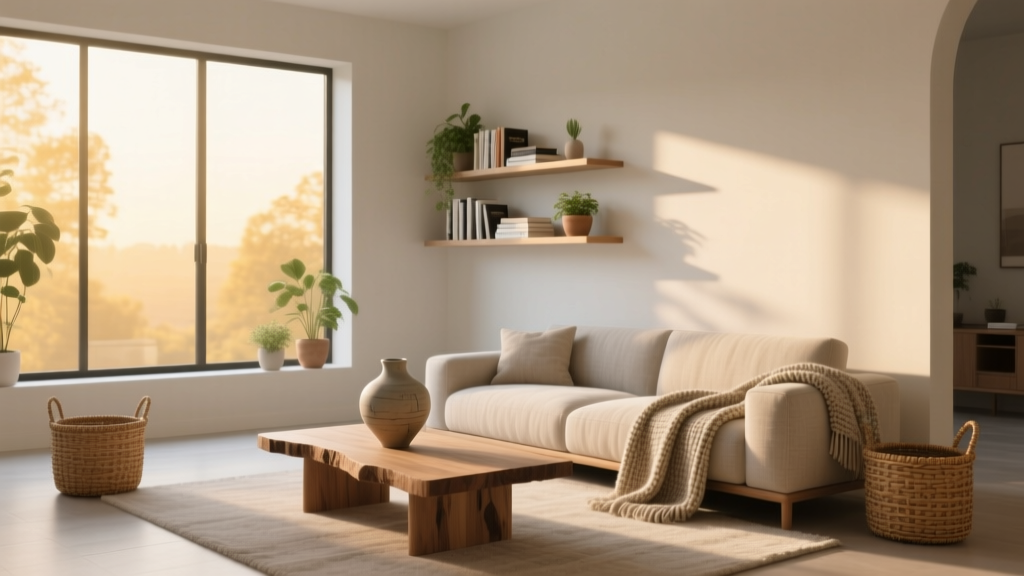
Effortless Living Room Styling: Tips & Ideas
An “effortless” living room is rarely accidental. It’s the result of a few smart decisions—scale, layout, lighting, and layered texture—done in a way that doesn’t feel over-styled or precious. The goal isn’t perfection; it’s ease. A room that looks pulled together, functions for real life, and still has enough breathing room to feel calm.
Expect a mix of timeless principles and current design trends—think warm neutrals, curved silhouettes, vintage accents, and natural materials—so your living room decor feels current now and still looks good years from today.
What “Effortless” Actually Looks Like (and Why It Works)
An effortless living room is cohesive but not matchy. It has a clear point of view, but it’s not trying too hard. The styling feels personal: books you actually read, art that means something, seating that invites people to stay.
- Comfort comes first: Soft seating, layered lighting, and surfaces for real life.
- Visual calm: Repeating colors and materials so the eye can rest.
- Intentional negative space: Not every wall or corner is filled.
- High-low balance: A mix of budget-friendly basics with a few standout pieces.
Start With a Simple Plan: Function, Flow, and Focal Point
Step 1: Define how you really use the room
Before shopping, decide what your living room needs to do most days. This is where effortless starts—when the layout supports your life.
- Entertaining: Prioritize conversational seating, extra side tables, flexible ottomans.
- Family living: Durable fabrics, closed storage, rounded edges, washable rugs.
- Small space lounging: Apartment-size sofa, nesting tables, wall-mounted lighting.
- Work-from-living-room: A slim desk, task lighting, and cable management.
Step 2: Choose your focal point
Every well-styled living room has a “lead actor.” It might be a fireplace, a big window, a media wall, or a large piece of art. Once you identify it, you can arrange furniture to support it instead of competing with it.
Quick guideline: Anchor the seating so the main sofa either faces the focal point or sits perpendicular with a clear sightline.
Step 3: Lock in a traffic flow that feels natural
Effortless rooms are easy to move through. Aim for these spacing guidelines:
- Main walkway clearance: 36 inches (minimum); 42 inches if it’s a primary passage.
- Space between sofa and coffee table: 14–18 inches.
- Space between chairs and side tables: 3–6 inches.
- TV viewing distance: About 1.5–2.5x the TV’s diagonal size (e.g., a 55" TV = roughly 7–11 feet away).
Pick a Calm Color Palette (Then Repeat It)
For an effortless look, a tight palette reads more “designed,” even if the furnishings are simple. A reliable formula: 60/30/10.
- 60% main color (walls, large rug, main upholstery)
- 30% secondary color (curtains, accent chairs, larger textiles)
- 10% accent color (pillows, art, objects, a single bold piece)
Current trend that still feels timeless: warm neutrals layered with natural materials—think creamy off-whites, camel, warm gray, olive, and soft terracotta.
Rental-friendly tip: If you can’t paint, build the 60% with a large rug and curtains. Fabric can change the whole “temperature” of a space.
Invest in the “Big Three”: Rug, Sofa, and Lighting
1) Rug: Get the size right (it’s the fastest way to look intentional)
Undersized rugs are one of the biggest reasons living rooms feel awkward. A properly sized area rug makes everything look more expensive.
- Best rule: At least the front legs of all seating should sit on the rug.
- Common sizes:
- 8' x 10' for most standard living rooms
- 9' x 12' for larger rooms or sectionals
- 6' x 9' for small spaces (only if furniture still touches the rug)
- Leave a border: 8–12 inches of floor visible between rug and walls where possible.
Material recommendations:
- Wool: Soft, durable, hides wear well; great long-term value.
- Jute/sisal: Textural and affordable, but can be rough and stains easily (best for low-mess homes).
- Performance polypropylene: Budget-friendly and kid/pet-friendly; choose a tight weave for a more elevated look.
Budget range: $150–$400 (synthetics), $400–$1,200 (wool), $1,200+ (hand-knotted, designer).
2) Sofa: Prioritize scale, depth, and fabric
An effortless living room almost always starts with a comfortable sofa that fits the room. If the sofa is too big, the whole space feels cramped; too small, it feels under-furnished.
- Standard sofa length: 84–96 inches (apartment sofas are often 72–84 inches).
- Comfort depth: 21–24 inches seat depth for upright sitting; 24–26 inches for lounging.
- Fabric wins for real life: performance velvet, tight-weave linen blends, or microfiber for easy cleaning.
Product-style recommendations: Look for “performance” fabrics, removable cushion covers, and a solid wood frame. A slipcovered sofa is a great effortless choice—casual, forgiving, and easy to refresh.
Budget range: $700–$1,500 (good basics), $1,500–$3,500 (quality upgrades), $3,500+ (heirloom builds).
3) Lighting: Layer it so the room glows (not glares)
Overhead lighting alone is the opposite of effortless. Aim for three layers: ambient, task, and accent.
- Ambient: ceiling fixture, flush mount, or semi-flush for general light
- Task: floor lamp by the sofa, reading lamp near a chair
- Accent: picture light, sconces, or a small lamp on a console
Warmth matters: Use 2700K bulbs for a cozy living room. Add dimmers if you can; if not, use smart bulbs or plug-in dimmers.
Budget range: $30–$80 (great lampshades and plug-in options), $80–$300 (statement lamps), $300–$1,000+ (designer fixtures).
Style in Layers: Texture, Contrast, and “Collected” Pieces
Use the “three textures” rule
Even a neutral living room feels rich when you mix textures. Aim for at least three of these:
- nubby bouclé or boucle-style upholstery
- linen or cotton curtains
- wood (oak, walnut, or painted)
- metal (aged brass, blackened steel)
- stone or stone-look (travertine, marble, concrete)
- leather accents (poufs, chair, or tray)
Keep patterns low-stakes
If you want pattern without the room feeling busy, choose one “hero” pattern and let everything else be subtle. Examples:
- A vintage-style rug + solid pillows
- Striped curtains + a solid rug
- A bold art piece + quiet upholstery
Mix old and new for instant ease
One of the fastest ways to avoid a showroom feel is to add something with a little history (or at least that looks like it).
- A vintage side table next to a modern sofa
- Antique brass frames on a clean-lined console
- A thrifted ceramic lamp with a new linen shade
Step-by-Step: A Foolproof Styling Formula for Surfaces
Coffee table styling (the effortless trio)
Keep it simple: one stack, one organic shape, one practical item.
- Stack: 2–3 books (design, travel, photography)
- Organic shape: a bowl, sculptural object, or candle
- Practical: coaster set, small tray, or a lidded box for remotes
Proportion tip: If your coffee table is 48 inches long, a tray around 18–24 inches wide usually looks balanced.
Console table or media unit styling
- Anchor one end with a lamp (28–34 inches tall for most consoles).
- Balance with a vertical element: framed art, a tall vase, or a plant.
- Add one closed container (basket or box) to hide cords and clutter.
Shelf styling that doesn’t feel fussy
Instead of filling every inch, use a rhythm of tall/medium/short and leave some negative space.
- Rule of thirds: group objects in threes for an easy composition.
- Repeat materials: for example, black frames + warm wood + ceramics.
- Leave gaps: 20–30% empty space keeps shelves from looking crowded.
Real-World Scenarios: Making Effortless Work in Any Home
Scenario 1: Small apartment living room with a TV
You want the room to feel cozy, not like a media cave. Try this setup:
- A 72–84 inch sofa with a round coffee table (easier flow in tight spaces).
- A 9' x 12' rug if possible (bigger rugs make small rooms feel larger).
- A low media console (16–22 inches tall) to keep sightlines open.
- Two sconces (plug-in if needed) flanking the TV wall for balanced lighting.
Budget-friendly upgrade: Replace builder-grade bulbs with 2700K warm LEDs and add one oversized floor lamp ($120–$250). The room will instantly feel more intentional.
Scenario 2: Family living room that needs to hide clutter
Effortless doesn’t mean sparse—it means organized. Build in “soft boundaries”:
- A large rug to define the zone and catch crumbs.
- A storage ottoman instead of a coffee table (or a large tray on top).
- Closed storage: baskets in a console, cabinets under the TV, or a credenza.
- Performance fabric sofa in a mid-tone (light enough to feel airy, dark enough to hide wear).
Budget range: $300–$800 for a good storage console, $150–$400 for baskets and bins that actually fit.
Scenario 3: Open-concept living room that feels “floaty”
Open plans often feel unfinished because furniture isn’t anchored. Fix it with:
- A bigger rug (usually 9' x 12' or 10' x 14')
- Two matching sofas or a sectional + two chairs to create a clear conversation area
- A console behind the sofa (12–16 inches deep) to add structure and extra lighting
Common Mistakes That Make a Living Room Feel Try-Hard (and How to Fix Them)
- Rug is too small: Size up so at least front legs of seating are on the rug.
- Everything is pushed against the walls: Pull the sofa 3–8 inches off the wall when possible; float chairs to create a seating zone.
- Too many tiny decor items: Swap small clutter for fewer, larger pieces (one big vase beats five minis).
- Single overhead light: Add two lamps minimum for a layered, cozy feel.
- Matching furniture sets: Mix wood tones and silhouettes; repeat one detail (like black metal) to keep it cohesive.
- Art hung too high: Center artwork around 57–60 inches from the floor (gallery standard). Over a sofa, leave 6–10 inches between the top of the sofa and the bottom of the frame.
Easy Upgrades That Look Expensive (Even on a Budget)
- Upgrade pillow inserts: Use 22" inserts for 20" covers for a fuller look. Budget: $20–$45 each.
- Add full-length curtains: Hang high and wide. Rod 4–6 inches above the window frame (or near ceiling), panels kissing the floor. Budget: $50–$250 per window.
- Swap lampshades: A linen shade instantly softens a lamp. Budget: $25–$80.
- Bring in a large plant: One tall plant (real or high-quality faux) adds life and scale. Budget: $60–$250.
- Add a mirror: Bounce light and expand the space visually. Budget: $80–$400.
FAQ: Effortless Living Room Design
How do I make my living room look effortless but not boring?
Stick to a calm color palette, then layer texture and contrast: a nubby throw, a vintage-style rug, matte ceramics, and one bold element (art, a sculptural lamp, or an accent chair). “Quiet” doesn’t have to mean flat.
What size rug should I buy for my living room?
Most living rooms look best with an 8' x 10' or 9' x 12'. The key is making sure at least the front legs of your sofa and chairs sit on the rug. If you’re between sizes, go bigger.
What’s the ideal coffee table size?
Aim for a coffee table that’s about two-thirds the length of your sofa. Height should be within 1–2 inches of your sofa seat height (usually 16–18 inches tall).
How can renters style a living room without painting or drilling?
Use a large rug, full-length curtains (with tension rods or removable hooks if needed), plug-in sconces, and oversized art leaned on a console. Focus on textiles and lighting—both are high-impact and easy to take with you.
What are the biggest living room trends right now?
Warm neutrals, curved sofas and chairs, vintage or vintage-inspired rugs, limewash-inspired wall finishes (or similar tones), mixed woods, and statement lighting. The most livable trend: performance fabrics that look like linen but handle spills.
How do I keep my living room tidy so it always looks “done”?
Build in quick-reset storage: a lidded basket for throws, a tray for remotes, and closed storage for kids’ items. If everything has a home, five minutes of tidying makes the room feel styled again.
Actionable Next Steps: Your Effortless Living Room Checklist
- Measure your room (and sketch a quick layout) before buying anything.
- Choose a palette of 2–3 core colors plus one accent.
- Size up your rug so furniture connects visually.
- Add two light sources beyond overhead lighting (a floor lamp and a table lamp is a great start).
- Edit surfaces using the “stack + organic + practical” formula.
- Bring in one personal piece (art, vintage find, meaningful object) to avoid a catalog look.
The best effortless living rooms don’t feel like they were styled in a single afternoon—they feel like they’ve come together naturally over time. Start with the foundational choices (layout, rug, sofa, lighting), then layer in warmth and personality at your own pace.
If you’re ready for more living room ideas—from small-space layouts to modern living room decor and cozy styling tips—explore more inspiration and guides on thedecormag.com.
More Articles
 Pendant Light Height Above Coffee Table (2026)
 Livingrooms Bedroom Setup Checklist 2026
 Living Room Furniture with Kids: Smart Picks (2026)
 Living Room Paint Undertones: Choose Right (2026)
 How to Style a Living Room with a Large Rug - The Decor Mag
 Living Room Organic Modern Style - The Decor Mag
 Livingrooms Comfort & Value in 2026
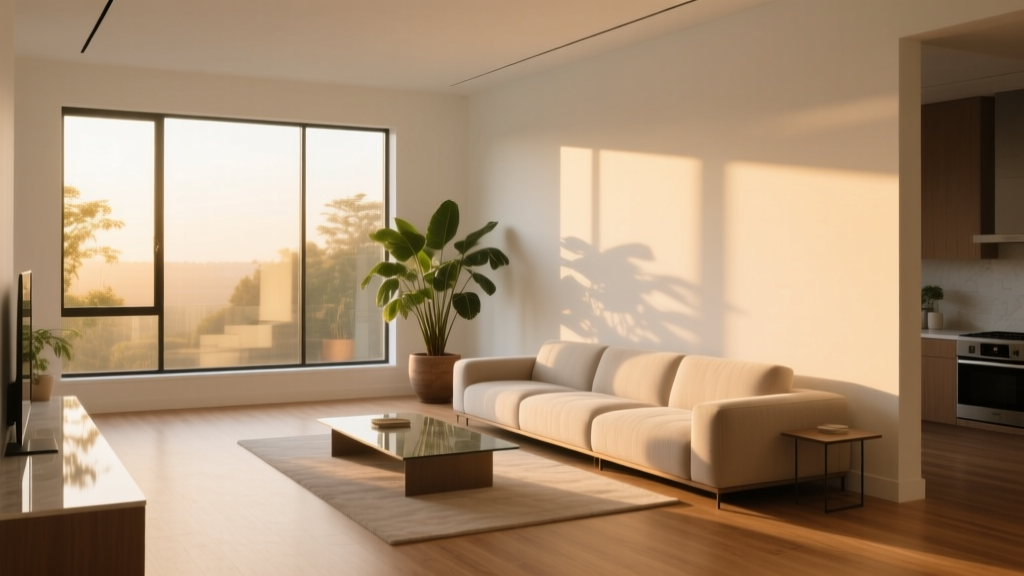 Living Room Natural Light Maximizing Tips - The Decor Mag
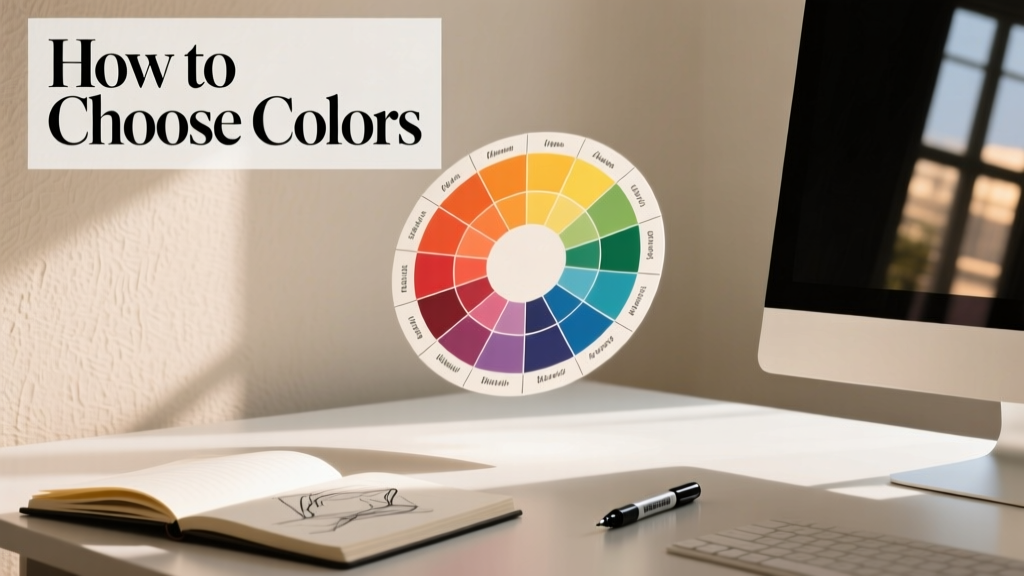 Living Room Color Guide: Science-Backed Picks for 2026
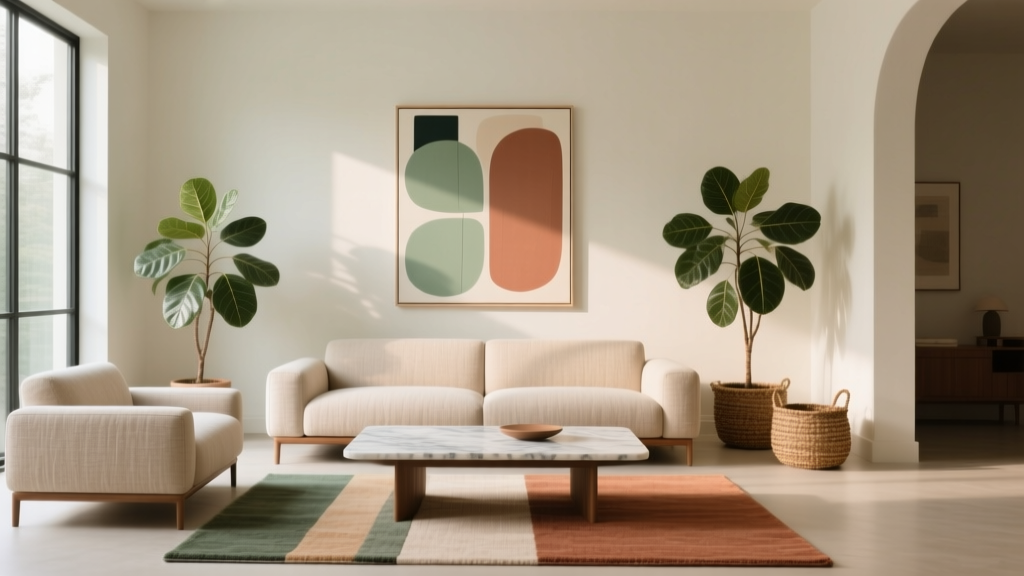 How to Create a Living Room Color Story - The Decor Mag