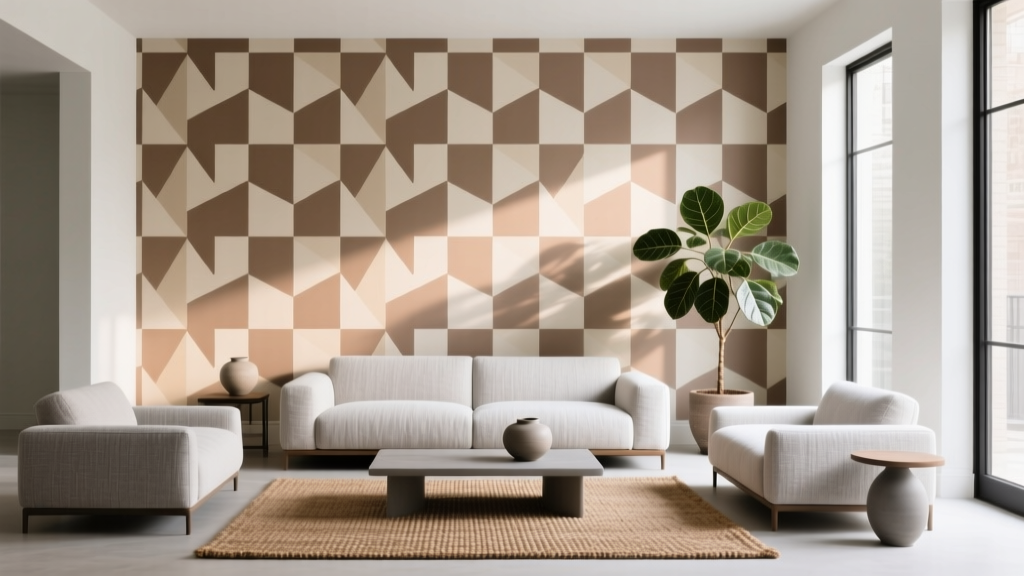
Patterned Wallpaper Living Room Styling (2026)
Patterned wallpaper has a way of making a living room feel “done” in a single move. It can add depth to a boxy space, bring personality to a rental, or give an open-plan living room a clear sense of identity without building walls. And right now, with the return of rich color, layered textures, and vintage-inspired motifs, wallpaper is one of the most effective tools in living room design.
The part that trips people up is styling around it. A patterned wall can feel like it’s calling all the shots—especially when you’re trying to choose a sofa, rugs, curtains, and art that don’t compete. The good news: once you understand scale, color balance, and where to let the pattern lead (and where to calm it down), decorating a living room with patterned wallpaper becomes surprisingly straightforward.
This guide walks you through how to choose the right wallpaper for your space, where to place it, how to coordinate furniture and decor, and what mistakes to avoid—plus real-world scenarios and practical measurements so you can execute with confidence.
Start with a Plan: What Do You Want the Wallpaper to Do?
Before you order samples, decide what role patterned wallpaper will play in your living room decor. This keeps you from falling for a print that’s beautiful in isolation but wrong for the room.
- Create a focal point (accent wall behind the sofa or TV wall)
- Make a small living room feel larger (light grounds, soft repeats, vertical motifs)
- Add warmth and coziness (moody colors, botanical or tapestry-inspired prints)
- Bring structure to open-plan spaces (paper the living area to visually “zone” it)
- Introduce a style direction (modern geometric, classic stripe, cottage floral, Art Deco)
Quick self-check: Bold or calm?
Use this rule of thumb: the larger the repeat and the higher the contrast, the more the wallpaper will dominate. If you love a statement look, lean in. If you prefer a flexible backdrop, choose lower-contrast patterns with smaller repeats.
Choosing the Right Pattern: Scale, Color, and Repeat
Match pattern scale to room size
Scale is the difference between wallpaper that feels intentionally dramatic and wallpaper that feels visually cluttered.
- Small living rooms (under 150 sq ft): Look for small-to-medium repeats (often 2–12 inches) and softer contrast. Busy, high-contrast micro-patterns can feel “noisy” up close.
- Medium rooms (150–300 sq ft): Most patterns work. This is the sweet spot for medium repeats and classic motifs like botanicals, geometrics, and toile.
- Large living rooms (300+ sq ft): Don’t be afraid of large repeats (18–30+ inches). Big spaces can swallow small patterns, making them read like texture rather than design.
Choose a color strategy you can decorate around
The easiest way to style a living room with patterned wallpaper is to pull a palette directly from the paper. Aim for:
- 1–2 main colors (dominant hues in the wallpaper)
- 1 accent color (a smaller color in the pattern you’ll repeat in pillows, art, or a throw)
- 1–2 neutrals (for large pieces like sofa, rug, curtains)
Timeless picks: warm whites, oatmeal, greige, camel, navy, deep green, terracotta.
Current trends: chocolate brown, oxblood, dusty lilac, muted ochre, and “colored neutrals” like clay, mushroom, and olive.
Understand repeat types (so seams don’t surprise you)
Wallpaper repeat affects both cost and installation complexity:
- Random match: easiest to install; minimal waste.
- Straight match: pattern aligns horizontally; moderate waste.
- Drop match: pattern staggers; most waste and requires careful hanging.
If you’re budgeting, drop-match papers can increase the number of rolls needed by 10–30% depending on the repeat size and wall height.
Where to Put Patterned Wallpaper in a Living Room
Option 1: The classic accent wall
The most renter-friendly and budget-friendly approach is a single wallpapered wall. Best placements:
- Behind the sofa to anchor the seating area
- The fireplace wall to emphasize architectural features
- The TV wall if you want the media area to feel integrated (choose lower-contrast patterns to reduce visual “buzz”)
Tip: If your living room is open concept, wallpaper the wall that’s most visible from the entry to set the tone right away.
Option 2: Full-room wallpaper for a true design moment
Wallpapering all walls creates an enveloping, designer look—especially with moody florals, grasscloth-inspired textures, or sophisticated geometrics. It’s also great for rooms with:
- High ceilings (9–12 ft)
- Lots of trim and molding (pattern looks intentional against architectural detail)
- Awkward wall breaks where an accent wall would feel random
Option 3: Partial applications that look custom
- Wallpaper above wainscoting (30–42 inches high is common for wainscoting; 36 inches is a popular sweet spot)
- Wallpaper inside built-ins for a layered, high-end feel
- Wallpaper the ceiling in small living rooms or dens for an unexpected statement (keep walls calm)
Step-by-Step: How to Build a Living Room Scheme Around Patterned Wallpaper
Step 1: Order samples and view them correctly
Order at least 2–3 samples. Tape them to the wall and look at them in:
- Morning light
- Evening lamp light (2700K warm bulbs are most flattering in living rooms)
- From across the room (6–10 ft back)
Step 2: Choose your largest “quiet” piece first (usually the sofa)
With patterned wallpaper, your sofa is typically the visual anchor. Safer pairings include:
- Solid upholstery in a neutral pulled from the wallpaper (cream, taupe, charcoal, navy)
- Subtle texture like boucle, linen, or performance chenille for depth without competition
- Leather (camel or chocolate) to ground busy patterns
Budget guide for sofas: $900–$2,000 for solid midrange; $2,000–$5,000 for long-term investment pieces with hardwood frames and performance fabric.
Step 3: Add a rug that complements the wallpaper, not copies it
If the wallpaper is bold, keep the rug pattern soft or tone-on-tone. If the wallpaper is subtle, the rug can carry more contrast.
- For bold wallpaper: jute blend, flatweave stripes, vintage-wash Persian styles in muted tones
- For subtle wallpaper: geometric rugs, bolder vintage patterns, or high-contrast stripes
Sizing matters:
- 8' x 10' works for most living rooms; aim for the front legs of the sofa and chairs to sit on the rug.
- 9' x 12' for larger rooms; helps the wallpaper feel balanced rather than overpowering.
- Leave 8–18 inches of floor visible around the rug perimeter when possible.
Budget guide for rugs: $200–$600 (synthetic or printed), $600–$1,500 (wool blends), $1,500–$4,000+ (hand-knotted wool/silk).
Step 4: Use curtains to “bridge” wallpaper and furniture
Window treatments are where many living room wallpaper designs go wrong. Your goal is to soften the transition between the patterned walls and the rest of the room.
- Best bet: solid curtains in linen, cotton, or velvet in a color pulled from the wallpaper’s background or a secondary tone.
- If you want patterned drapes: pick a much larger scale than the wallpaper or a very subtle stripe.
- Mounting tip: hang rods 4–6 inches above the window frame (or closer to the ceiling in standard-height rooms) and extend 6–10 inches beyond the frame on each side to make windows feel larger.
Step 5: Layer in accents with a simple formula
To keep patterned wallpaper from taking over, repeat colors and textures in a controlled way:
- Pick 2 metals max (e.g., aged brass + black, or chrome + walnut).
- Echo one wallpaper color 3 times (pillow, art detail, vase).
- Add one natural material (wood, rattan, stone, wool) to prevent the room from feeling “flat.”
Product-style recommendations:
- Pillows: solid linen + one subtle pattern (stripe or small check). Budget: $25–$80 each; premium: $90–$200.
- Throws: chunky knit, alpaca blend, or lightweight wool. Budget: $40–$120.
- Coffee table: wood or stone top to ground a busy wall. Budget: $200–$900; investment: $1,000–$2,500.
- Lighting: warm brass or ceramic table lamps with linen shades; aim for 2700K bulbs and dimmers.
Real-World Styling Scenarios
Scenario 1: A small rental living room with peel-and-stick wallpaper
You’re renting a 120 sq ft living room and want impact without risking your deposit. Choose a peel-and-stick wallpaper with a medium repeat and a light background to keep the room airy.
- Wallpaper placement: one accent wall behind the sofa
- Furniture: compact sofa (72–80 inches wide) in a solid performance fabric
- Rug: 8' x 10' flatweave to reduce bulk
- Decor: one large art piece (24" x 36" or larger) rather than many small frames
Budget range: $250–$900 for wallpaper (depending on brand and wall size), plus $30–$80 for a smoothing tool, snap-off blade, and extra blades.
Scenario 2: A family living room that needs durability
Kids, pets, and frequent movie nights call for materials that can handle real life while still looking elevated.
- Wallpaper: washable vinyl or vinyl-coated paper (better for scuffs and wipe-downs)
- Sofa: performance fabric in a mid-tone (hides wear better than stark white)
- Rug: low-pile, stain-resistant rug or indoor-outdoor style for easy cleaning
- Coffee table: rounded corners or upholstered ottoman to soften the room
Design trick: Choose wallpaper with a slightly distressed or watercolor look—minor marks blend in better than on crisp, high-contrast prints.
Scenario 3: A grown-up, moody living room with full wallpaper coverage
If you want a dramatic, timeless space, go all in with a deep-toned botanical or geometric wallpaper.
- Wallpaper: deep green/navy with warm accents (camel, rust, brass)
- Trim: paint trim a clean warm white or match it to the wallpaper background for a cocoon effect
- Seating: camel leather sofa or warm neutral upholstery
- Lighting: layered lighting (overhead + two table lamps + a floor lamp) to prevent the room from feeling dark
Materials, Measurements, and Installation Tips That Make a Big Difference
- Buy extra wallpaper: order 1 extra roll (or ~10–15%) for future repairs and pattern matching.
- Wall prep: fill holes, sand smooth, and prime. For best adhesion, use a wallpaper primer (especially on new drywall).
- Finish matters:
- Matte/uncoated: soft, high-end look; less forgiving with stains.
- Vinyl-coated: more durable and wipeable for living room traffic areas.
- Grasscloth/texture: gorgeous depth, but can be delicate and hard to clean.
- Typical wallpaper pricing: $40–$150 per roll for mainstream brands; $150–$400+ per roll for boutique papers and designer collaborations.
- Pro installation: often $3–$8 per sq ft (more for tricky patterns, high ceilings, or repairs). Worth considering for drop matches or grasscloth.
Common Mistakes to Avoid When Decorating with Patterned Wallpaper
- Choosing the pattern first, then forcing everything else to match: Instead, pull 2–3 colors from the paper and keep major pieces simple.
- Overloading the room with competing patterns: Mix patterns intentionally:
- 1 hero pattern (the wallpaper)
- 1 secondary pattern (rug or pillows)
- 1 micro-pattern or texture (throw, ottoman fabric)
- Ignoring undertones: A “white” wallpaper background might lean cream, gray, or pink. Match paint, rug neutrals, and curtains to that undertone.
- Too many small decor items: Busy walls + cluttered surfaces read chaotic. Go for fewer, larger objects.
- Wrong lighting temperature: Cool bulbs (4000K+) can make wallpaper look harsh or dull. Use warm bulbs (2700K) and add dimmers.
- Skipping wall prep: Even the best living room wallpaper will look cheap if seams lift or bumps show through.
FAQ: Patterned Wallpaper in the Living Room
Should wallpaper be darker or lighter than my sofa?
Either works, but the most foolproof approach is contrast with intention: a lighter wallpaper behind a darker sofa feels crisp, while darker wallpaper behind a lighter sofa feels dramatic. If both are similar in value, make sure texture (boucle, linen, velvet) creates separation.
Can I mix patterned wallpaper with a patterned rug?
Yes. Keep one pattern dominant and the other more muted. A good pairing is bold wallpaper with a vintage-style rug in softened, “washed” colors, or subtle wallpaper with a higher-contrast rug. Repeating one shared color helps them feel connected.
What’s the best wallpaper for renters?
Peel-and-stick wallpaper is the most renter-friendly, but results vary by wall texture and paint finish. Smooth, eggshell or satin walls work best. Test a small section for a week to make sure it removes cleanly.
How do I choose paint colors to go with patterned wallpaper?
Match paint to the wallpaper’s background color for an easy, cohesive look, or pull a secondary tone for trim/adjacent walls. When sampling paint, hold swatches directly against the wallpaper at different times of day.
Does patterned wallpaper make a living room look smaller?
Not automatically. High-contrast, busy patterns can feel tighter in small rooms, while lighter backgrounds, vertical motifs, and softer repeats can actually make the room feel larger and more layered.
What wall should I wallpaper if my living room has a TV?
If the TV is the main focal point, wallpapering that wall can make the media zone feel intentional. Choose a pattern with lower contrast and avoid super tight geometrics that create visual vibration behind a screen.
Conclusion: Your Next Steps for a Living Room That Feels Designed
Patterned wallpaper can be the fastest way to elevate living room design, as long as you treat it like a “hero piece” and build the rest of the decor to support it. Start with samples, choose a clear color palette, keep the sofa and curtains relatively calm, and let texture do some of the heavy lifting. Whether you go for a simple accent wall or a fully papered room, the payoff is a space that feels layered, personal, and pulled together.
- Order 2–3 wallpaper samples and view them in day and evening light
- Decide: accent wall, full room, or a partial application like above wainscoting
- Choose a solid or subtly textured sofa and a correctly sized rug (often 8' x 10')
- Repeat one wallpaper color in 2–3 places for a cohesive, designer finish
For more living room ideas, wallpaper inspiration, and decorating guides, explore the latest at thedecormag.com.
More Articles
 Best Bedroom Layout Ideas 2026: Stylish & Space-Smart
 Living Room French Provincial Inspiration - The Decor Mag
 Living Room Vaulted Ceilings: Styling Tips (2026)
 Living Room Architectural Detail Ideas - The Decor Mag
 Living Room Quiet Luxury Aesthetic - The Decor Mag
 Warm, Budget-Friendly Living Spaces in 2026
 Best Hidden Storage for Living Rooms (2026)
 Living Room Timeless Design Elements - The Decor Mag
 Leather Furniture for Living Rooms (2026)
 Stylish Nightstands Under $150 – 2026 Picks