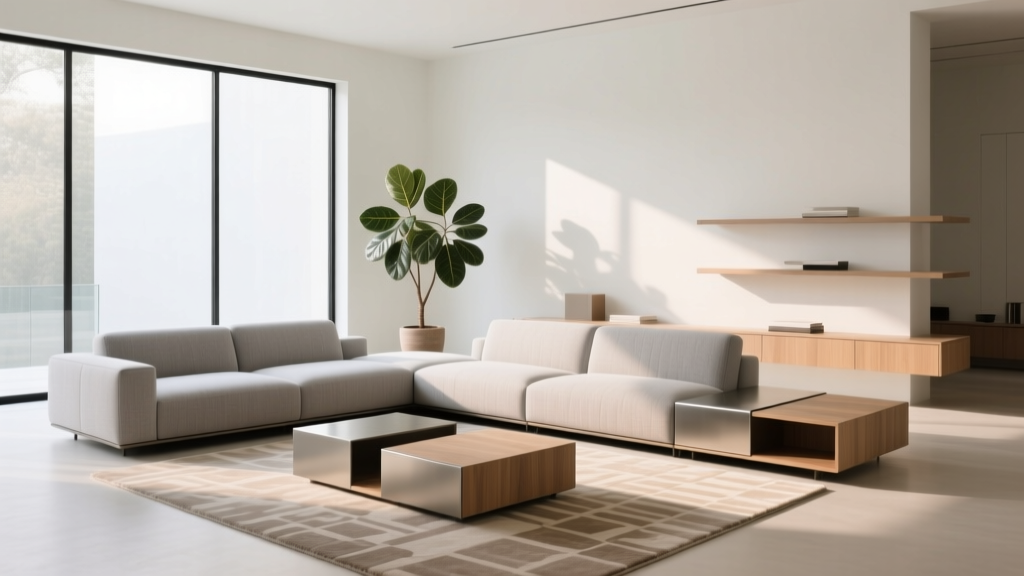
Best Modular Furniture for Living Rooms (2026)
Living rooms work harder than almost any other space in the home. It’s where you unwind after work, host friends, watch movies, help with homework, and sometimes even squeeze in a workout or a work-from-home setup. The challenge? Most living rooms aren’t huge, and very few stay “one-purpose” for long.
That’s why modular furniture has become a go-to for flexible living room design. Modular pieces adapt as your life changes—new roommate, new baby, new apartment, new hobbies—without forcing you to replace everything. The right modular setup can make a small space feel bigger, create better traffic flow, and keep your room looking intentional instead of cluttered.
Below, you’ll find the best types of modular furniture for flexible living rooms, how to choose the right sizes and materials, smart layout ideas, real-world scenarios, common mistakes to avoid, and a practical FAQ. Whether you’re a renter outfitting a first apartment or a homeowner building a long-term family space, you’ll walk away with a plan.
What Makes Furniture “Modular” (and Why It Works)
Modular furniture is designed in separate units—sections, blocks, or components—that can be rearranged, added to, or used independently. Unlike traditional furniture that has one fixed footprint, modular pieces let you:
- Change your layout for entertaining, movie nights, or everyday living.
- Scale up or down as your space or household changes.
- Zone an open-plan room without building walls.
- Move more easily, especially in apartments and walk-ups.
Keywords you’ll see when shopping: sectional modules, armless units, corner pieces, ottoman modules, stacking units, and configurable.
Best Modular Furniture Types for Flexible Living Rooms
1) Modular Sectionals (the MVP of adaptable seating)
A modular sectional is the anchor piece for most flexible living rooms. Look for systems where each seat is a separate unit (rather than a fixed two-piece L-shape). That way, you can create:
- A classic L-shape for everyday lounging
- A U-shape for conversation and hosting
- Two facing sofas for a more formal living room feel
- Separated chairs for parties or when you want more breathing room
Practical sizing guidelines (helpful for renters and smaller rooms):
- Seat depth: 21–24 inches for upright comfort; 24–28 inches for loungey, sink-in comfort.
- Overall depth: Many modular sofas run 35–42 inches deep; measure your walkway carefully.
- Minimum walkway clearance: Aim for 30–36 inches in main paths.
- Distance from sofa to coffee table: 14–18 inches for comfortable reach.
Design trend watch: Low-profile modular sectionals with deep seats are still popular, but we’re also seeing a shift toward slightly higher legs (more airy, easier to clean under) and performance fabrics that suit real life.
Budget ranges:
- Budget: $900–$2,000 (smaller modular sets, polyester blends)
- Mid-range: $2,000–$5,000 (better frames, performance upholstery)
- Investment: $5,000–$10,000+ (premium systems, top-tier fabrics/leathers)
2) Modular Ottomans and Coffee Tables (your layout’s secret weapon)
If you want flexibility without committing to a large modular sofa, start with modular ottomans. They can act as:
- A coffee table (with a tray)
- Extra seating when guests arrive
- A chaise extension for a sofa
- A soft “landing strip” for kids’ play
Measurements that make them functional:
- Ottoman height: 16–18 inches pairs well with most sofas.
- Square modules: 24x24 inches is versatile; 30x30 inches feels more luxurious.
- Clearance: Keep 14–18 inches between seating and ottoman/coffee table.
Material recommendation: Upholstered ottomans in performance fabric (solution-dyed acrylic, performance polyester, or stain-resistant blends) are ideal for busy living rooms. If you prefer a harder surface, choose nesting tables with durable finishes like oak veneer or powder-coated metal.
3) Modular Shelving and Media Units (clean storage that adapts)
Modular storage is the difference between a living room that feels calm and one that feels constantly “in progress.” Modular shelving systems let you expand horizontally, go taller, or swap closed and open sections as your needs change.
Best uses for modular storage in living rooms:
- Media wall that can grow with your tech
- Bookcase + display wall that doesn’t feel heavy
- Entry-adjacent “drop zone” if your living room is near the front door
- Room divider for open-plan spaces
Practical measurements:
- Media console length: Ideally 6–12 inches wider than your TV on each side for balance.
- Console height: 18–24 inches is common; aim for comfortable viewing so your TV center is near seated eye level.
- Depth: 15–18 inches works for most consoles without encroaching on walkways.
Design trend watch: Mixed materials—warm wood with ribbed fronts, matte lacquer, and slim metal legs—are everywhere right now, but the timeless win is still simple lines + good proportions.
4) Modular Accent Seating (build a conversational layout)
Flexible living rooms benefit from seating you can move quickly: armless chairs, modular lounge chairs, and lightweight slipper chairs. The goal is to support multiple layouts:
- Everyday layout: one accent chair angled toward the sofa
- Hosting layout: two chairs pulled closer to create a circle
- Movie-night layout: chair shifted to face the TV directly
Tip for small living rooms: Choose accent seating with a smaller footprint (around 28–32 inches wide) and legs that show the floor. Visual openness helps the room feel larger.
5) Modular Room Dividers and Screens (for open-plan zoning)
If you live in a studio or have an open living/dining space, modular dividers help define zones without blocking light. Consider:
- Open shelving units (acts as storage + divider)
- Slatted wood partitions (airy, warm, modern)
- Foldable panels (renter-friendly and easy to move)
Realistic placement rule: Keep at least 30 inches of clearance for walkways around divider edges so the room stays functional.
How to Choose the Right Modular Furniture for Your Space
Step 1: Measure your room like a designer
Before you fall in love with a modular sectional online, measure with the real “working space” in mind:
- Measure the full room (length, width, and ceiling height).
- Mark door swings, vents, radiators, and outlets.
- Identify main pathways and keep them 30–36 inches clear.
- Tape out the furniture footprint on the floor using painter’s tape.
Quick check: If the taped layout forces people to turn sideways to pass, it’s too large.
Step 2: Pick a modular “base” you can build on
Most living rooms work best when you choose one anchor and build flexibility around it:
- Option A: Modular sectional + nesting tables
- Option B: Standard sofa + modular ottomans + modular storage wall
- Option C: Two modular loveseats facing each other + movable accent chairs
Step 3: Choose materials that match your lifestyle
Flexible living rooms should also be durable. Modular furniture gets moved more often, so construction matters.
- Frames: Look for kiln-dried hardwood or high-quality plywood. Avoid flimsy softwoods for large sectionals.
- Suspension: Sinuous springs or webbing can both work; quality matters more than type.
- Cushion fill: High-resilience foam wrapped in fiber is a great balance for most homes. Down blends feel luxe but need fluffing.
- Upholstery: Performance fabric (stain-resistant) for kids/pets; top-grain leather for longevity (but note it can scratch).
Color tip (timeless principle): Keep the biggest modular piece in a neutral (warm gray, oatmeal, taupe, soft white, camel leather) and add trend-forward color through pillows, throws, and art. This keeps your living room design flexible year after year.
Product Recommendations by Category (What to Look For)
Instead of naming a single “best sofa,” focus on features—because the best modular furniture depends on room size, budget, and how you live.
Best modular sectional features
- Universal connectors between modules (keeps pieces aligned)
- Armless units so you can reconfigure easily
- Washable or replaceable covers if you have kids/pets
- Matching ottoman module to create a chaise anywhere
- Leg height of 4–6 inches if you want a lighter look and easier cleaning
Best modular storage features
- Closed storage for visual calm (at least 50% of your system)
- Cable management and adjustable shelves
- Wall anchoring options for safety
- Expandable design so you can add bays over time
Best modular tables features
- Nesting tables that tuck away for entertaining
- C-tables that slide under the sofa for laptop nights
- Durable finishes like veneer with a quality topcoat, solid wood, or powder-coated metal
Real-World Layout Scenarios (So You Can Picture It)
Scenario 1: Small apartment living room (10' x 12')
Goal: Comfortable seating without blocking pathways.
- Choose a two- or three-piece modular sectional (around 84–96 inches wide total).
- Add two 24" square ottoman modules that can act as a coffee table or extra seating.
- Use a wall-mounted shelf system or slim modular media unit (15–16 inches deep).
Why it works: You get a full lounge setup, but the ottomans can move out of the way instantly when you need floor space.
Scenario 2: Open-plan living/dining room
Goal: Create zones so the living room feels intentional.
- Float a modular sectional with its back facing the dining area.
- Place a console table (12–16 inches deep) behind it for lamps and a “finished” look.
- Add an open modular shelf perpendicular to the sofa to hint at separation without closing the space.
Why it works: The room reads as two distinct areas while keeping light and flow.
Scenario 3: Family living room that doubles as a play space
Goal: Durable, easy-to-reset layout.
- Pick a modular sectional in performance fabric with removable cushions.
- Choose a large storage ottoman for toys and blankets.
- Include at least one closed modular cabinet for quick cleanup before guests.
Why it works: The room shifts from playtime to “company-ready” in minutes.
Design Tips to Make Modular Furniture Look Polished (Not Pieced Together)
- Use one large rug to unify modules: Aim for a rug that allows at least the front legs of all main seating to sit on it. Common sizes: 8' x 10' for many living rooms, 9' x 12' for larger spaces.
- Create a clear focal point: TV wall, fireplace, or statement art. Modular furniture looks best when it’s “organized” around a purpose.
- Repeat materials: If your shelving is warm oak, echo that tone in a coffee table or picture frames.
- Add lighting in layers: One overhead light isn’t enough. Combine a floor lamp, table lamp, and wall sconces (plug-in sconces are renter-friendly).
- Plan for outlets: If your sectional floats, consider a slim console behind it or a side table with built-in charging.
Common Mistakes to Avoid
- Buying a modular sectional that’s too deep for your room: Super-deep seats can swallow a small living room and make conversation awkward. Tape it out first.
- Ignoring connector quality: If modules slide apart, you’ll constantly readjust. Look for sturdy clips or brackets.
- Overfilling the space with modules: Flexibility needs breathing room. Leave at least 30–36 inches for main walkways.
- Choosing trendy shapes without a timeless base: Curved modular pieces are popular, but if your style changes quickly, keep the main upholstery neutral and let accessories carry the trend.
- Skipping closed storage: Open shelves alone can look busy fast. Balance open display with doors or drawers.
FAQ: Modular Furniture for Living Room Design
Is modular furniture worth it for renters?
Yes—especially if you move often. Modular sofas and storage systems are easier to carry, can fit different room shapes, and let you replace or add pieces instead of buying a whole new set.
How do I keep modular sofa pieces from separating?
Use built-in connectors (clips/brackets) whenever possible. If your sofa system doesn’t have strong connectors, add non-slip pads under legs and place the front legs on a rug to reduce shifting.
What’s the best fabric for a modular sectional in a high-traffic living room?
Performance fabrics are the safest bet: solution-dyed acrylic, tightly woven polyester blends, or stain-resistant treated upholstery. Look for a durable weave and a comfortable hand feel—samples help.
Can modular furniture work in a formal living room?
Absolutely. Choose tailored modules with cleaner lines, firmer cushions, and elevated legs. Pair with a structured rug, symmetrical lighting, and a refined coffee table to keep the look polished.
How many modular pieces do I need to start?
For most homes, start with 3–5 modules: two seat units, one corner (if you want an L), and an ottoman. You can add armless seats or a chaise module later.
What’s the easiest modular upgrade that makes a big impact?
A pair of nesting tables or a modular ottoman set. They instantly improve flexibility for entertaining, lounging, and everyday function—without the commitment of replacing a sofa.
Next Steps: Build a Flexible Living Room You’ll Love Coming Home To
Start by measuring your room and identifying how you actually use the space week to week—lounging, hosting, working, kids’ play, or all of the above. Then choose one modular “foundation” (usually seating or storage), and layer in smaller modular pieces like ottomans, nesting tables, and adaptable shelving. Aim for comfort, smart clearances, and durable materials that can handle real life.
If you’re ready to keep refining your layout, color palette, and living room decor details, explore more flexible living room ideas and design guides on thedecormag.com.
More Articles
 Checklist Alternatives to Studio Living That Fit Your Life
 Living Room Warm Minimalist Approach - The Decor Mag
 Transitional Living Room Design Guide - The Decor Mag
 How to Mix Upholstery Patterns Successfully - The Decor Mag
 Living Room Neutral Color Scheme Ideas - The Decor Mag
 Living Room Window Seat Ideas - The Decor Mag
 Palette vs Paint: Color Systems vs Surface Finishes 2026
 Living Room Home Office Combo Ideas - The Decor Mag
 Best Swivel Chair Options for Living Rooms - The Decor Mag
 Best Side Table Height Next to Sofa Arm - The Decor Mag