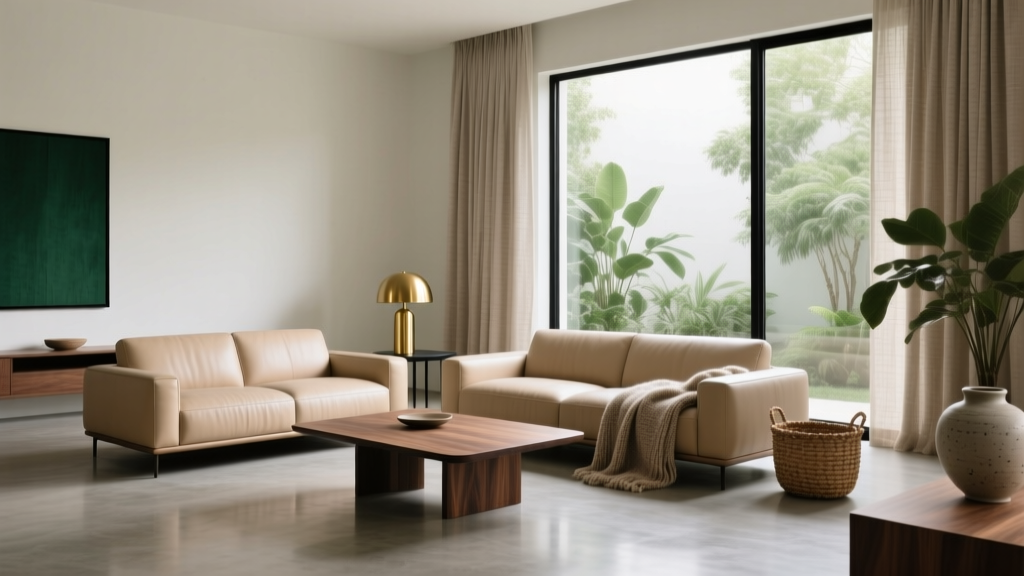
Living Room Understated Luxury Feel - The Decor Mag
Understated luxury is the sweet spot between “designer” and “livable.” It’s the kind of living room that feels calm, polished, and quietly impressive—without looking like a showroom or screaming for attention. Think tailored comfort, beautiful materials, thoughtful lighting, and a color palette that lets texture do the talking.
This approach matters because the living room is where daily life happens: movie nights, casual entertaining, weekend lounging, working from the sofa, and everything in between. The goal isn’t perfection—it’s creating a space that feels elevated every day, whether you own your home or rent a one-bedroom apartment.
Below, you’ll learn the building blocks of understated luxury living room design, from layout and proportions to materials, lighting, art, and styling. You’ll also get product recommendations, measurements to follow, budget ranges, real-world examples, and the common mistakes that can accidentally make a space feel cheap or cluttered.
What “Understated Luxury” Really Means in a Living Room
Understated luxury is less about price tags and more about restraint, cohesion, and quality. It tends to feature:
- A refined, neutral-leaning palette (warm whites, greiges, taupes, soft charcoals) with a few deeper accents.
- High-touch materials (linen, wool, velvet, stone, wood, metal) used intentionally and repeated for consistency.
- Good proportions and breathing room—nothing is too small, too crowded, or randomly placed.
- Layered lighting that makes evenings feel cozy and flattering.
- Curated styling: fewer objects, better objects, with space around them.
Current design trends align beautifully with this look: quiet luxury, curved silhouettes, warm woods, limewash-style walls, micro-textures, and vintage-inspired pieces that add soul. The timeless principles underneath are even more powerful: balance, scale, repetition, and a clear focal point.
Start With Layout: Luxury Begins With Breathing Room
A space can have expensive furniture and still feel “off” if the layout is cramped or the scale is wrong. Before buying anything, confirm your furniture spacing and sightlines.
Foundational Measurements (Use These as Your Baseline)
- Sofa-to-coffee table distance: 14–18 inches for comfortable reach.
- Walkways: 30–36 inches for primary paths; 24 inches minimum in tighter rooms.
- Rug sizing: aim for front legs of all seating on the rug; ideally all legs on for a true luxury feel.
- TV viewing distance: about 1.5–2.5x the TV’s diagonal size (example: 65” TV = roughly 8–13.5 feet).
- Art height: center of artwork about 57–60 inches from the floor (gallery standard).
Step-by-Step: A Simple Layout That Always Feels Elevated
- Anchor with a generously sized rug (often 8’x10’ or 9’x12’ in an average living room). This instantly makes the room feel more “designed.”
- Place the sofa first to define the conversation area. If possible, float it slightly off the wall (even 3–6 inches) for a tailored look.
- Add two accent chairs (matching or coordinating) to create a balanced seating group.
- Center with a substantial coffee table (rectangular for most layouts; round/oval for tight spaces and kid-friendly flow).
- Finish with one strong focal point: fireplace, media wall, or a large piece of art.
Color Palette: Quiet, Warm, and Layered
Understated luxury living rooms often rely on a tonal palette—multiple shades of similar colors—so the room feels cohesive and calming. This doesn’t mean boring. The interest comes from texture, sheen, and contrast.
Go-To “Quiet Luxury” Palettes
- Warm white + oatmeal + soft black accents (crisp but not cold).
- Greige + mushroom + walnut wood (soft, timeless, and rental-friendly).
- Sand + clay + bronze (earthy and elevated, especially with linen and plaster textures).
- Soft charcoal + ivory + brushed brass (moody but still light-catching).
Paint + Wall Treatment Tips
- Choose a warm-neutral paint with a low LRV shift that won’t turn icy at night. Satin or eggshell works well for most living rooms; matte can look luxe but shows marks more easily.
- Consider one subtle texture moment: limewash-style paint, a skim-coat plaster look, or a textured wallpaper on a single wall behind the sofa.
- If you rent, use removable wallpaper in a woven grasscloth look or a linen-texture print—instant depth without permanent changes.
Materials That Read Expensive (Even When They’re Not)
Luxury is sensory. The most convincing understated luxury living rooms mix materials with different textures and finishes—matte beside sheen, soft beside structured.
Best Materials to Prioritize
- Upholstery: linen blends, performance bouclé, velvet (for a richer mood), or high-quality microfiber that mimics suede.
- Wood: walnut, white oak, ash, or stained mango wood with a matte finish.
- Stone look: travertine, marble, soapstone-inspired quartz, or high-quality stone veneer (even a faux finish can look convincing if it’s low-gloss).
- Metals: brushed brass, aged bronze, blackened steel—avoid overly shiny chrome unless it’s part of a deliberate modern scheme.
Budget Ranges That Make Sense
- Area rug: $250–$700 for a quality wool-blend or high-end washable; $800–$2,000+ for 100% wool/hand-knotted styles.
- Sofa: $1,200–$2,500 for well-reviewed, durable frames; $3,000–$7,000+ for investment upholstery and premium fills.
- Coffee table: $200–$600 for solid wood/veneer done well; $700–$2,000+ for travertine, artisan pieces, or designer vintage.
- Lighting: $150–$400 per fixture for a strong mid-range look; $500–$1,500+ for statement pieces and solid metal construction.
Lighting: The Fastest Way to Create a Luxury Feel
If your living room feels flat, lighting is usually the culprit. Understated luxury relies on layered lighting—multiple sources at different heights—so the room feels warm and dimensional at night.
The Layered Lighting Formula
- Ambient: ceiling fixture or flush mount for overall illumination.
- Task: reading lamps near seating (floor lamp by the sofa, table lamp by a chair).
- Accent: picture lights, sconces, LED strips behind a console, or a small lamp on a bookshelf.
Specific Specs to Aim For
- Bulb temperature: 2700K–3000K (warm white) for a cozy, flattering glow.
- CRI: 90+ if possible so colors look rich and true.
- Dimmers: add them wherever you can. Plug-in dimmers work well for rentals.
- Lamp shade size: shades should generally be about 2/3 the height of the lamp base for balanced proportions.
Product Recommendations (High Impact, Minimal Fuss)
- Oversized linen drum shade floor lamp for a soft glow and tailored silhouette.
- Two matching table lamps on a console behind the sofa for symmetry and instant polish.
- Picture light above a large artwork piece to make it feel gallery-level.
Furniture Choices: Fewer Pieces, Better Silhouettes
Understated luxury is not about filling every corner. It’s about choosing pieces with strong lines and comfortable, substantial scale.
Sofa + Seating Guidelines
- Sofa depth: 38–42 inches for lounge comfort; 34–38 inches if you prefer a more upright, tailored sit.
- Seat height: around 17–19 inches is comfortable for most people.
- Arms: track arms read more modern and tailored; rounded arms read softer and classic.
- Add one “hero” chair in leather, bouclé, or a sculptural shape for a designer look without extra clutter.
Tables That Elevate the Room
- Coffee table size: about 2/3 the length of the sofa for proportion.
- End tables: top surface roughly level with or slightly below the sofa arm.
- Console table: behind the sofa or on a long wall adds architecture and a place for lamps.
Textiles: The Quiet Luxury Secret Weapon
If you want a living room to feel expensive, upgrade textiles first. This is where renters can make the biggest difference without permanent changes.
Layering Textiles the Designer Way
- Rug: choose a low-to-medium pile with subtle pattern or texture. Wool and wool-blends wear beautifully.
- Curtains: hang high and wide. Mount the rod 4–8 inches above the window frame (or closer to ceiling), and extend 6–12 inches beyond each side to make windows look larger.
- Curtain length: aim for 1/2 inch above the floor (tailored) or a slight 1–2 inch “break” for softness.
- Throws + pillows: mix textures (linen, bouclé, velvet, wool) in a tight palette. Use larger pillow inserts (2 inches bigger than the cover) for a full, premium look.
Art, Decor, and Styling: Curated, Not Crowded
Luxury styling is about editing. A few pieces with presence will always look more elevated than many small items.
Easy Rules for a High-End Look
- Go larger with art: one oversized piece often beats a cluster of tiny frames. Over a sofa, aim for art that’s about 2/3 to 3/4 the sofa width.
- Repeat materials: if you have brass in a lamp, echo it in a frame or tray.
- Use the “rule of three” for coffee table styling: something tall, something sculptural, something personal.
- Choose books intentionally: a small stack of design, travel, or fashion books adds polish without feeling staged.
Styling Recipe: A Luxury Coffee Table in 5 Minutes
- Place a large tray (wood, leather, or metal) to contain smaller items.
- Add a stack of 2–3 books with neutral spines or cohesive colors.
- Include a sculptural object (stone, ceramic, or an organic form).
- Add a low vessel with seasonal greenery (olive stems, eucalyptus, or a single branch).
- Leave at least 30–40% of the table surface clear for real life.
Real-World Scenarios: How Understated Luxury Works in Different Homes
Scenario 1: Small Rental Living Room (Approx. 10’ x 12’)
- Rug: 7’x9’ or 8’x10’ if it fits under the front legs of seating.
- Sofa: 72–84 inches long, in a performance fabric (oatmeal or warm gray).
- Lighting: one plug-in floor lamp + one table lamp on a slim console.
- Big win: hang curtains high, add a large mirror to bounce light, and use one oversized art print for impact.
- Budget: $800–$2,500 total refresh using textiles, lighting, and a few upgraded decor pieces.
Scenario 2: Family Living Room (High Traffic, Kids/Pets)
- Choose performance fabrics (crypton, treated linen blends, or high-quality performance chenille).
- Swap delicate materials for durable equivalents: a “stone look” coffee table with rounded edges, wool-blend rug with pattern to hide stains.
- Use closed storage (media console with doors, lidded baskets) to keep visual calm.
- Budget: $2,500–$7,500 for a new sofa, rug, and lighting upgrades that stand up to real life.
Scenario 3: Open-Plan Living Room (Living/Dining Combined)
- Define zones with rugs: one for living, one for dining (or a runner under a console to create separation).
- Create cohesion by repeating one wood tone and one metal finish across both areas.
- Use a substantial sectional or sofa + chairs arrangement to visually anchor the living area.
- Budget: $3,000–$12,000+ depending on seating and rug sizes (9’x12’ and larger rugs add cost but elevate dramatically).
Common Mistakes That Ruin an Understated Luxury Look
- Too many small decor items: visual noise reads cluttered, not curated. Edit ruthlessly.
- Undersized rugs: “postage stamp” rugs make everything feel cheaper and smaller.
- Single overhead lighting: harsh and flat. Add lamps and dimmers.
- Matchy-matchy furniture sets: coordinated is good; identical sets can feel generic.
- Ignoring window treatments: bare windows often look unfinished. Even simple linen panels make a big difference.
- Mixed metal finishes with no plan: pick one dominant finish (about 70%) and one accent finish (about 30%).
FAQ: Understated Luxury Living Room Design
How do I make my living room look expensive on a budget?
Focus on the “big three”: a correctly sized rug, upgraded lighting (two to three light sources with warm bulbs), and full-looking textiles (curtains hung high, quality pillow inserts). These changes often deliver the strongest luxury feel for $300–$1,500.
What colors feel most luxurious in a living room?
Warm neutrals tend to read the most elevated: ivory, cream, oatmeal, taupe, greige, and soft charcoal. Add depth with one darker anchor (espresso, deep olive, ink navy) and keep everything else tonal.
What’s the best rug material for a luxury look that lasts?
Wool is the gold standard for a reason: it wears well, hides soil, and feels substantial. If budget is tight, choose a wool-blend or a high-quality washable rug with a subtle pattern and low sheen.
How can renters achieve understated luxury without painting or renovations?
Use removable texture (peel-and-stick wallpaper or large-scale art), swap hardware if allowed, add plug-in sconces or dimmers, hang curtains high, and upgrade soft goods like pillows and throws. These changes are reversible but transformative.
Are statement pieces allowed in understated luxury?
Yes—one or two. A sculptural chair, a dramatic pendant, or a large artwork piece can be the “quiet wow.” The key is keeping the rest of the room calm so the statement has room to breathe.
What’s one quick fix if my living room feels “meh” at night?
Add two lamps with 2700K bulbs and put them on dimmers or smart plugs. Warm, layered light instantly makes a room feel more inviting and high-end.
Your Next Steps: A Simple Understated Luxury Checklist
- Measure your room and confirm rug and furniture scale (especially sofa length and rug size).
- Choose a tonal palette (3–5 shades) and repeat it across textiles, art, and decor.
- Upgrade lighting with at least two lamps, warm bulbs (2700K–3000K), and dimmers.
- Prioritize one investment (sofa or rug) and keep everything else high-quality but budget-smart.
- Edit your surfaces—fewer objects, better materials, and negative space.
Understated luxury is achievable in any living room, at nearly any budget, when you focus on scale, materials, and a calm visual rhythm. For more living room design and decor ideas—layouts, color palettes, lighting plans, and shopping guides—explore the latest inspiration on thedecormag.com.
More Articles
 How to Layer Textiles in a Living Room - The Decor Mag
 Living Room Serene Zen Space Ideas - The Decor Mag
 Living Room Vaulted Ceilings: Styling Tips (2026)
 Best Recliner Chairs That Look Stylish - The Decor Mag
 How to Mix Patterns in Living Room Decor - The Decor Mag
 Living Room Contemporary Art Display - The Decor Mag
 Living Room Decor with Hardwood Floors (2026)
 How to Create a Warm Inviting Living Room - The Decor Mag
 Eclectic Living Room Decor Tips - The Decor Mag
 Best Family Checklist System for Modern Homes (2026)