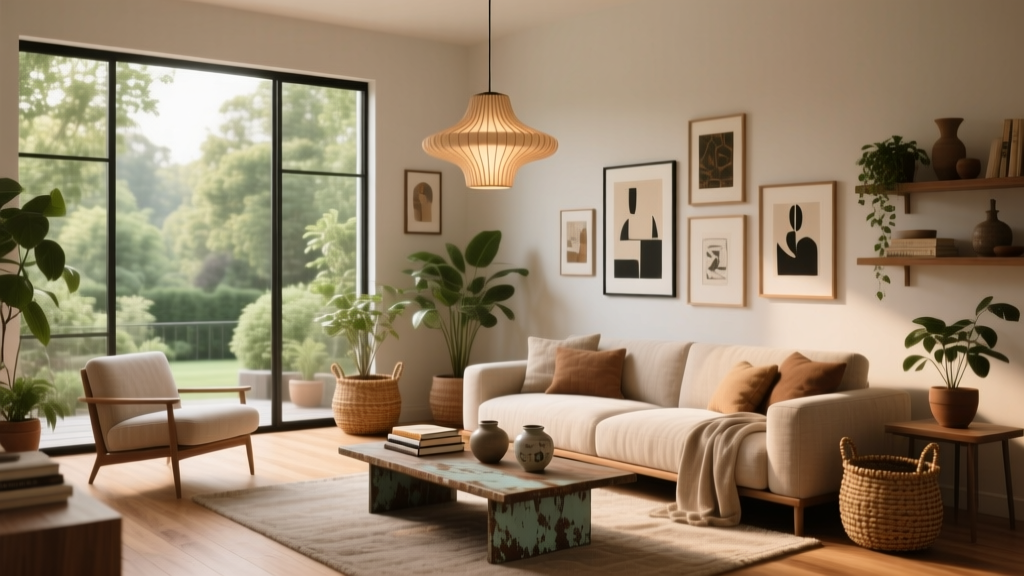
Living Room That Feels Collected: Decor Tips
A “collected” living room has a certain ease to it. Nothing looks like it was purchased in one afternoon or arranged according to a catalog spread. Instead, the room feels layered and personal—like it’s been shaped over time by travel, hand-me-downs, smart marketplace finds, and a few well-chosen new pieces that anchor everything.
This style matters because it’s the antidote to fast-furniture sameness. Whether you own your home or rent an apartment, a collected living room helps you create a space that feels like you: welcoming, lived-in, and visually interesting, without being cluttered. It also tends to be more budget-friendly and sustainable since it encourages mixing old and new, reusing what you have, and investing only where it counts.
Below, you’ll learn exactly how designers build that “gathered over years” look: how to choose a strong foundation, mix eras and materials, layer lighting and textiles, and display art and objects so they feel intentional. You’ll also get practical measurements, budget ranges, product suggestions, real-world scenarios, and a list of common mistakes that keep rooms from feeling authentically collected.
What “Collected” Really Means (and What It Doesn’t)
A collected living room isn’t random—it’s curated. The best ones balance cohesion and contrast: a consistent thread (color palette, mood, or material) plus enough variety to keep the eye moving.
Collected looks like:
- Mixed materials: wood + metal + textiles + stone/ceramic.
- Layered time periods: a vintage side table next to a modern sofa.
- Personal items: books, art, photos, travel finds, heirlooms.
- Thoughtful imperfection: patina, handmade objects, unique silhouettes.
Collected does not look like:
- A room filled with small decor items but no “anchor” furniture.
- A matching set (sofa + loveseat + chair all in the same fabric and style).
- Cluttered surfaces with no editing or negative space.
Start with a Strong Foundation: Layout, Scale, and Anchor Pieces
If your living room doesn’t function well, no amount of styling will make it feel collected—just chaotic. Begin with layout and scale, then choose one to two anchor pieces that set the tone.
Step 1: Lock in a layout that supports real life
- Walkways: Aim for 30–36 inches for major paths (entry to seating, seating to kitchen). A tight apartment can function with 24 inches in low-traffic zones.
- Sofa-to-coffee-table distance: Keep 14–18 inches so it’s easy to reach a drink without feeling cramped.
- Rug sizing: Choose a rug large enough for the front legs of all main seating to sit on it. In many rooms, that’s 8' x 10' or 9' x 12'.
- TV viewing distance: A simple guideline is 1.5–2.5x the TV’s diagonal size. (Example: a 55" TV often feels best at roughly 7–11 feet.)
Step 2: Choose anchor pieces that feel timeless
Collected style thrives when the “big pieces” are calm and flexible, allowing you to rotate in more expressive accents over time.
- Sofa: Look for classic silhouettes (track arms, English roll arms, simple modern lines) in durable fabrics like performance linen, tight weaves, or leather.
- Rug: A grounded rug sets a lived-in base. Vintage-style patterns, Oushak-inspired designs, and subtle geometrics work well.
- Coffee table: Solid wood, vintage brass and glass, or stone-topped styles add weight and character.
Budget ranges (typical):
- Sofa: $800–$2,500 (quality entry to mid-range); $2,500–$6,000 (investment).
- Rug (8' x 10'): $250–$700 (synthetic/wool blend); $700–$2,000+ (wool or vintage).
- Coffee table: $150–$600 (new); $80–$350 (thrift/marketplace vintage).
Pick a Cohesive Color Story (Then Break It on Purpose)
A collected living room usually has an underlying palette—even if it doesn’t announce itself. This is what keeps mixed patterns, eras, and finishes from feeling messy.
A simple formula designers use
- 60% base: walls, rug background, large upholstery (warm whites, soft greige, muted taupe, gentle gray-green).
- 30% supporting tones: wood tones, mid-tone upholstery, curtains.
- 10% accents: art, pillows, ceramics, books, and one surprise color.
Trend + timeless sweet spot: earthy, nature-based palettes are strong right now—think clay, olive, tobacco, ochre, and ink. Pair them with timeless neutrals (warm white, camel, charcoal) so the room won’t feel dated.
How to “break it on purpose”
Add one unexpected note that looks collected rather than coordinated:
- A single lacquered side table in deep green
- A vintage kilim pillow in a color not found elsewhere
- A contemporary abstract print among traditional frames
Mix Materials and Eras Like a Designer
This is where the collected look really comes alive. Mixing is less about rules and more about balance: hard/soft, old/new, shiny/matte, refined/rustic.
A reliable mixing checklist
- Wood tones: Include at least two (for example, walnut + oak). Matching everything reads “set.”
- Metals: Mix up to two finishes intentionally (aged brass + blackened steel is a favorite). Keep the “third metal” minimal (maybe a picture frame).
- Textiles: Balance a nubby texture (bouclé, tweed, woven linen) with something smoother (velvet, leather, cotton).
- Organic elements: Add ceramic, stone, rattan, or natural fibers to avoid a flat, overly polished look.
Product ideas that instantly add collected character
- Table lamps with texture: ceramic, paper mache, rattan, or pleated shades
- Vintage-inspired textiles: block-printed pillows, ikat accents, or a kantha throw
- Handmade decor: a sculptural ceramic bowl, a rough-hewn wooden tray
Affordable sources: Facebook Marketplace, estate sales, local thrift shops, and online vintage resellers. Even one standout vintage piece can shift the entire room from “newly furnished” to “collected.”
Layer Lighting for Warmth, Depth, and Mood
Nothing makes a living room feel more designed—and more lived-in—than layered lighting. Overhead lighting alone feels stark. Collected rooms glow.
A practical lighting plan (works in most living rooms)
- Ambient: a ceiling fixture or flush mount on dimmer (2700K bulbs for warmth)
- Task: a floor lamp near the sofa or a reading chair
- Accent: a table lamp on a console or side table, plus optional picture lights or plug-in sconces
Measurements that help:
- Floor lamp height: typically 58–64 inches, with shade bottom around eye level when seated.
- Table lamp height: often 24–32 inches for side tables; aim for the shade to sit around shoulder height when seated.
- Bulbs: choose 2700K (warm) and high CRI if possible for flattering color.
Renters: Use plug-in sconces, rechargeable picture lights, and smart bulbs to build ambiance without rewiring.
Layer Textiles and Patterns (Without Overdoing It)
Textiles are the secret weapon for a collected living room because they add age, softness, and personality quickly—especially in rentals with bland walls or basic flooring.
A step-by-step layering approach
- Start with a rug that has subtle variation or pattern (vintage look, low contrast geometrics, faded florals).
- Add curtains to soften the architecture. Hang them high: place the rod 4–8 inches above the window frame (or closer to the ceiling), and extend 6–12 inches beyond each side for fullness.
- Choose 3–5 pillows for a standard sofa. Mix sizes: two 22" pillows, one 20", and a lumbar (12" x 20") is a solid formula.
- Finish with a throw in a contrasting texture (mohair, wool, quilted cotton).
Pattern mixing made easy
- One large-scale pattern: rug or a statement pillow
- One medium-scale: stripes or checks
- One small-scale: subtle print or textured solid
Material recommendations: wool rugs for durability; linen blends for drapery; cotton/linen for pillow covers; leather for long-term wear; performance fabrics if you have kids or pets.
Style Surfaces Like a Curator: Books, Art, and Objects
Collected living rooms feel personal because they contain stories. The trick is to style in a way that looks relaxed but intentional.
Coffee table styling (a simple formula)
- One grounding piece: a tray or large book
- One organic element: a small plant, branch, or bowl of stones
- One sculptural item: candle, ceramic object, or small vintage find
Keep height variation, and leave breathing room—negative space is what makes styling look elevated, not cluttered.
Wall art that feels collected, not staged
- Gallery wall tip: keep 2–3 inches between frames, and anchor the whole arrangement around a centerline at about 57–60 inches from the floor (museum height).
- Oversized art tip: art above a sofa should be roughly 2/3 the sofa’s width for balanced scale.
- Frame mixing: pair black frames with warm woods, or brass with walnut. Use one unifying element (mat color, frame thickness, or repeating tone).
Real-world scenario: The “blank wall rental”
You’re renting, you can’t repaint, and the living room feels sterile. Here’s a collected approach:
- Add a large vintage-look rug (8' x 10' for most spaces).
- Hang curtains high and wide to make the room feel taller.
- Create a gallery wall using thrifted frames + printable art + one personal photo.
- Swap builder-grade lamp shades for pleated or linen shades.
Bring in One-of-a-Kind Pieces (Even If They’re Small)
You don’t need a house full of antiques. One or two “where did you get that?” items are often enough to make a living room feel collected.
High-impact, low-commitment ideas
- Vintage side table: $60–$250 secondhand
- Statement mirror: $150–$600 (arched or ornate frames are trending, but classic shapes last)
- Original art or handmade prints: $50–$400 from local markets or online artists
- Textile as art: a woven wall hanging or framed fabric panel
Real-world scenario: Mixing hand-me-downs with new purchases
Say you inherit a traditional wood end table, but your sofa is modern. Instead of replacing the table, “bridge” the styles:
- Add a modern lamp with a simple linen shade.
- Introduce one contemporary art piece nearby.
- Repeat the wood tone elsewhere (a picture frame, a bowl, or a chair leg) so it looks intentional.
Common Mistakes That Keep a Living Room from Feeling Collected
- Buying everything at once: Even if you can afford it, it often reads flat. Leave room to evolve.
- Over-matching sets: Matching sofas, chairs, and tables can feel showroom-like. Mix at least one major piece.
- Too many small decor items: Ten tiny objects look like clutter. Swap for two larger pieces with presence.
- Ignoring scale: A rug that’s too small, undersized art, or tiny lamps will make the room feel accidental.
- Cold lighting: 4000K bulbs will kill the cozy, collected vibe. Stick to 2700K.
- No personal layer: If the room doesn’t include you—books you read, places you’ve been—it won’t feel collected.
FAQ: Collected Living Room Style
How do I make my living room look collected on a budget?
Start with one strong secondhand piece (a side table, mirror, or vintage-style rug), then invest in textiles and lighting. A realistic starting budget is $200–$800 to see a major shift (thrifted frames, new pillow covers, better bulbs, a marketplace table).
What’s the easiest way to mix old and new without it looking messy?
Keep your big items calm (sofa, rug) and introduce contrast in smaller doses (side chairs, lamps, art). Repeat one element across the room—like black accents, warm wood, or a consistent neutral—so the mix feels intentional.
What rug size should I choose for a collected living room?
Most living rooms do best with an 8' x 10' or 9' x 12'. Aim for at least the front legs of the sofa and chairs to sit on the rug, which instantly makes the room feel more finished and layered.
How can renters create a collected look without painting or renovating?
Use high-impact, reversible moves: curtains hung high and wide, plug-in sconces, peel-and-stick picture hooks, large-scale art, and layered textiles. Swap basic lamp shades and add a vintage-style rug for immediate character.
What are the best living room decor trends that still feel timeless?
Warm neutrals, earthy colors (olive, clay, tobacco), curved silhouettes, artisan ceramics, and layered lighting are very current—but also rooted in timeless principles like comfort, texture, and balance. Choose trends in items you can easily change, like pillows and art, rather than your sofa.
Your Next Steps: A Simple Collected-Room Game Plan
If you want your living room to feel collected, give yourself permission to build it over time—while still making smart, satisfying progress this weekend. Here’s a practical plan:
- Measure your room and confirm rug size, sofa placement, and walkways (30–36").
- Choose a palette of 2–3 core tones plus one accent color.
- Upgrade lighting with two warm lamps (2700K bulbs) and a dimmable overhead if possible.
- Add one vintage or handmade piece (side table, mirror, ceramic lamp, or art).
- Edit and restyle surfaces using fewer, larger objects and leaving negative space.
A collected living room isn’t about perfection—it’s about personality, comfort, and layers that feel meaningful. Keep the foundation steady, mix in stories, and let the room evolve as you do.
Looking for more living room design and decor ideas? Explore the latest inspiration, layouts, and shopping guides on thedecormag.com.
More Articles
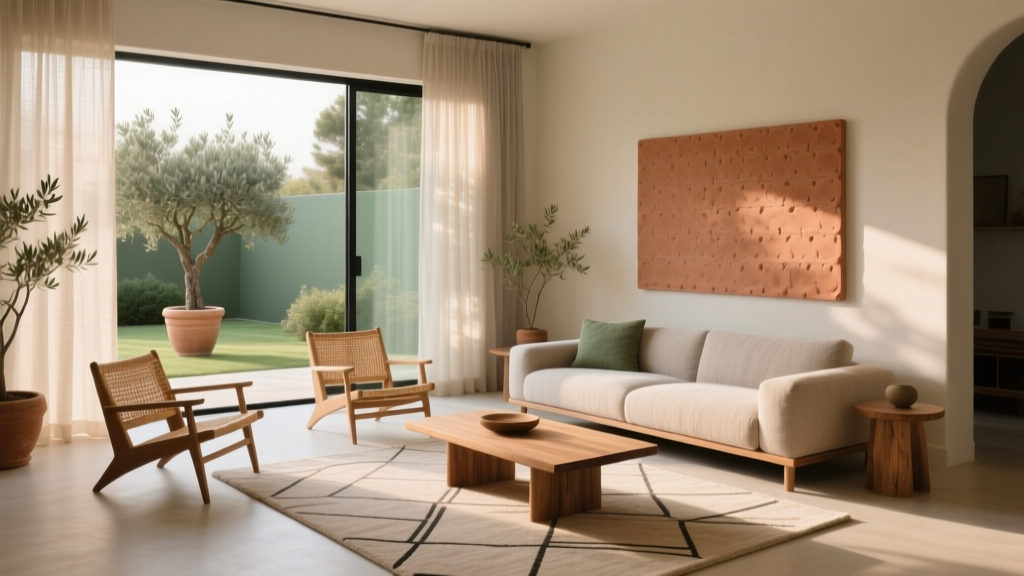 Living Room Earth Tone Color Palettes - The Decor Mag
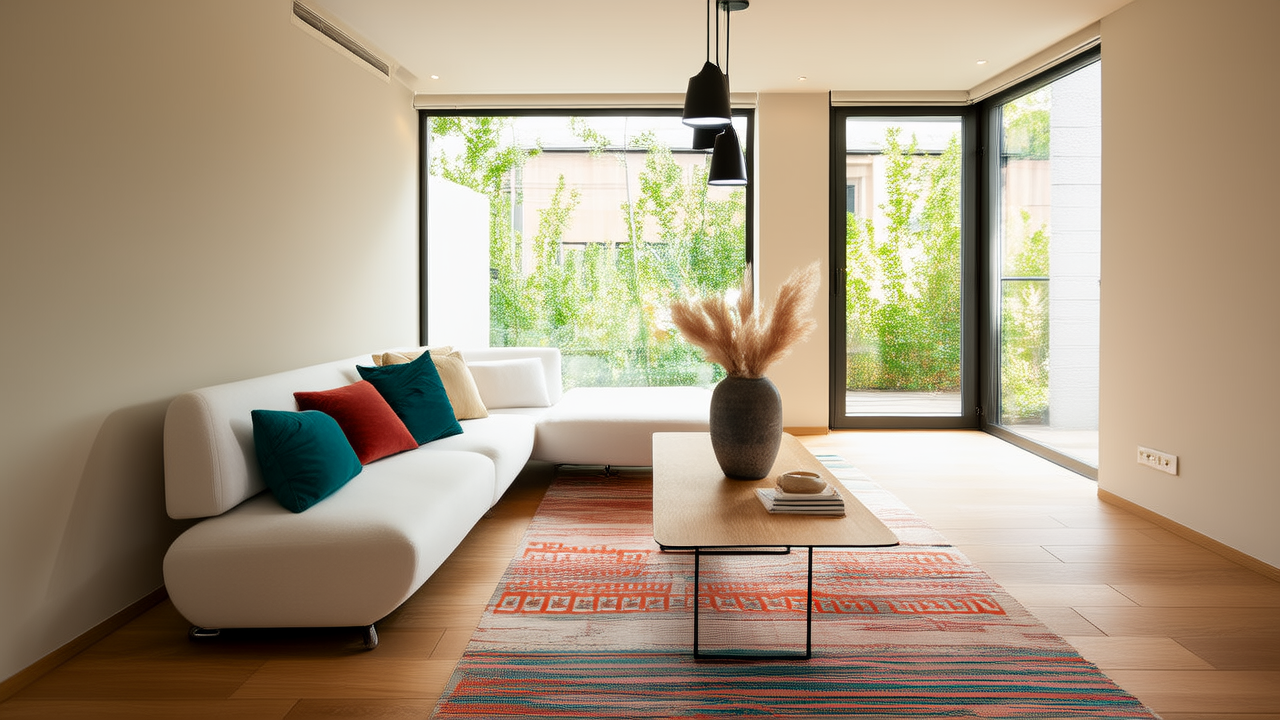 Living Room Foundations: Support, Ergonomics, Comfort
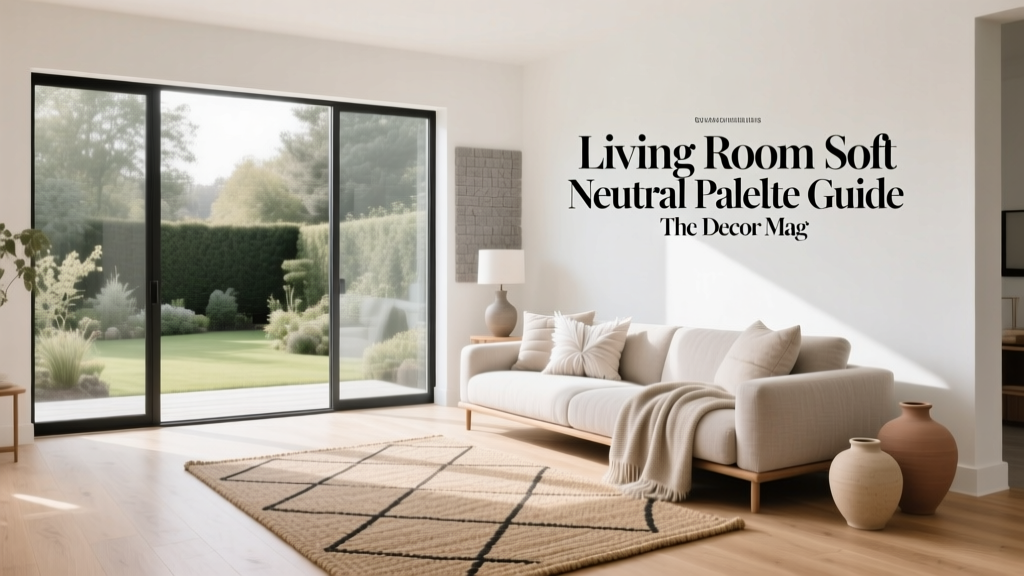 Living Room Soft Neutral Palette Guide - The Decor Mag
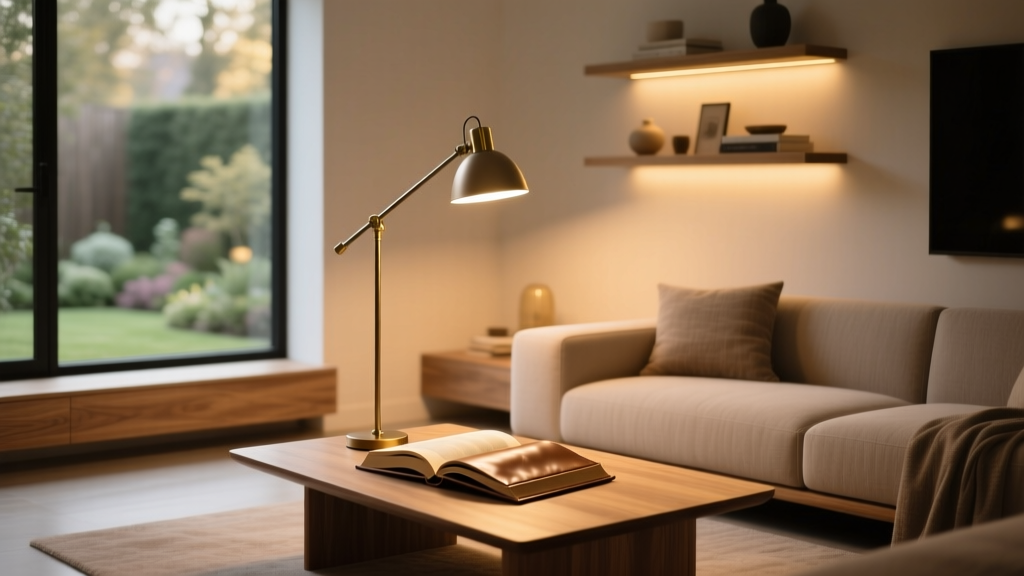 Best Floor Lamp Options for Reading - The Decor Mag
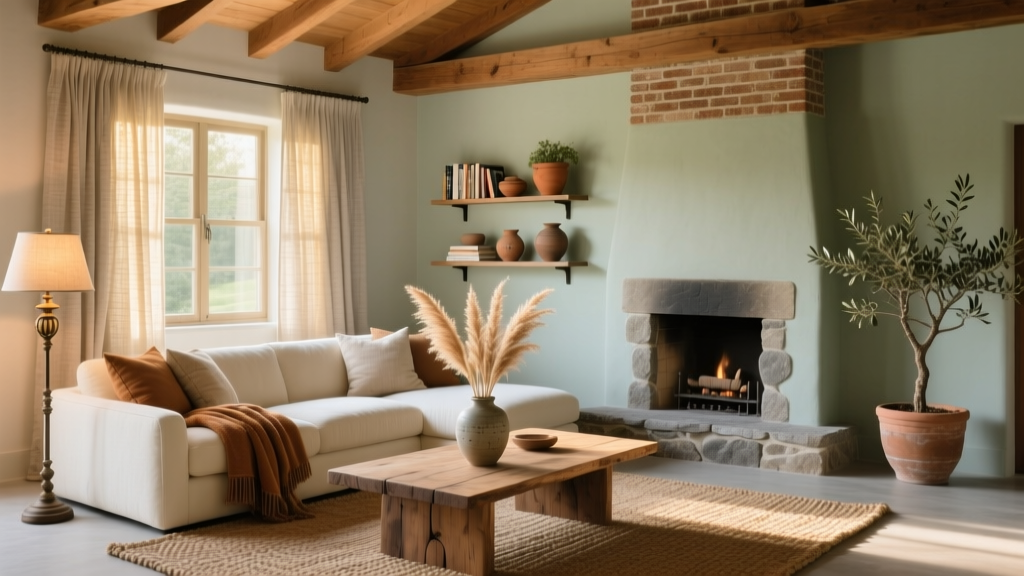 Cozy Farmhouse Living Room Decor Tips - The Decor Mag
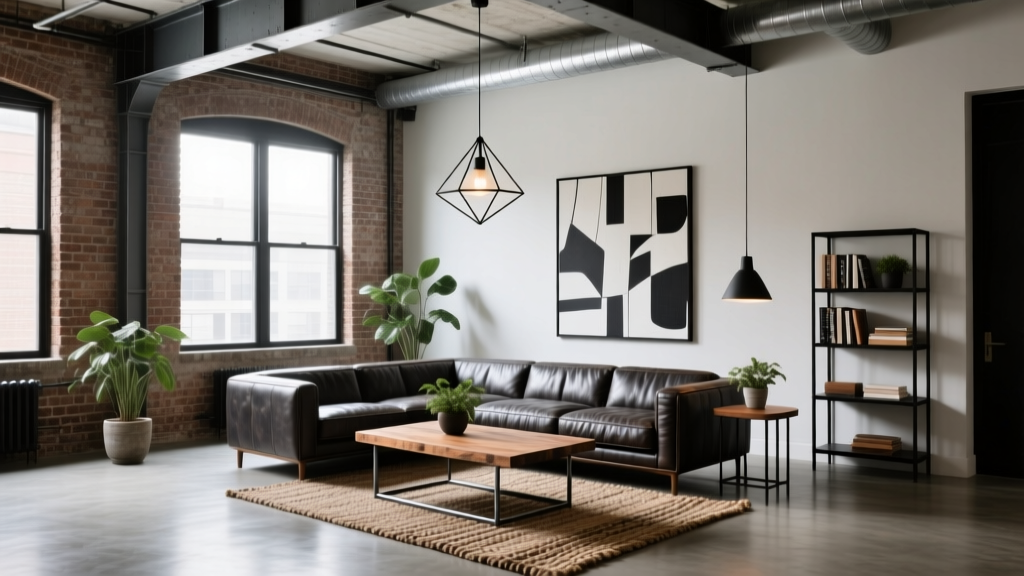 Industrial Chic Living Room Inspiration - The Decor Mag
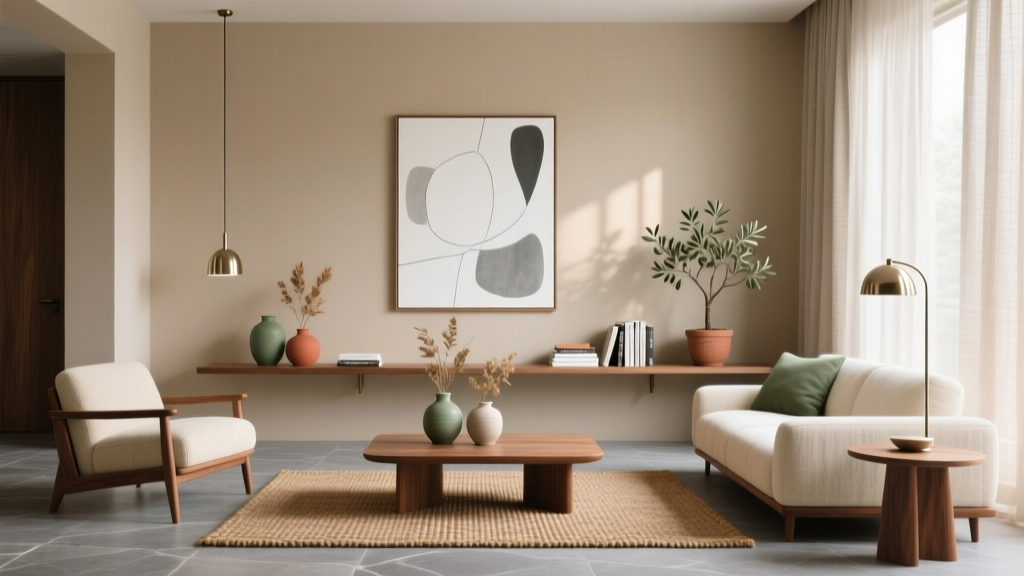 Living Room Warm vs Cool Tone Balancing - The Decor Mag
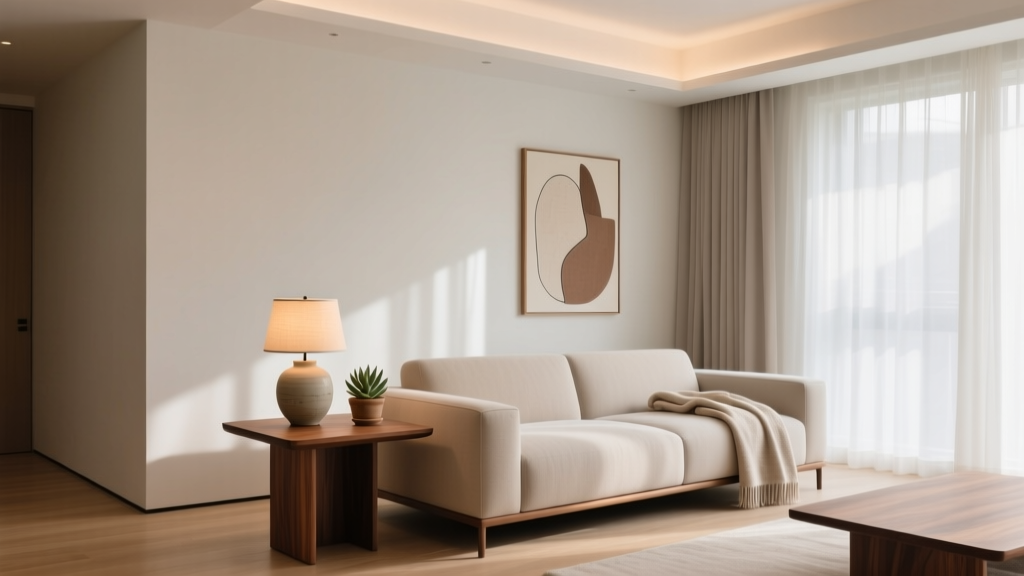 Best Side Table Height Next to Sofa Arm - The Decor Mag
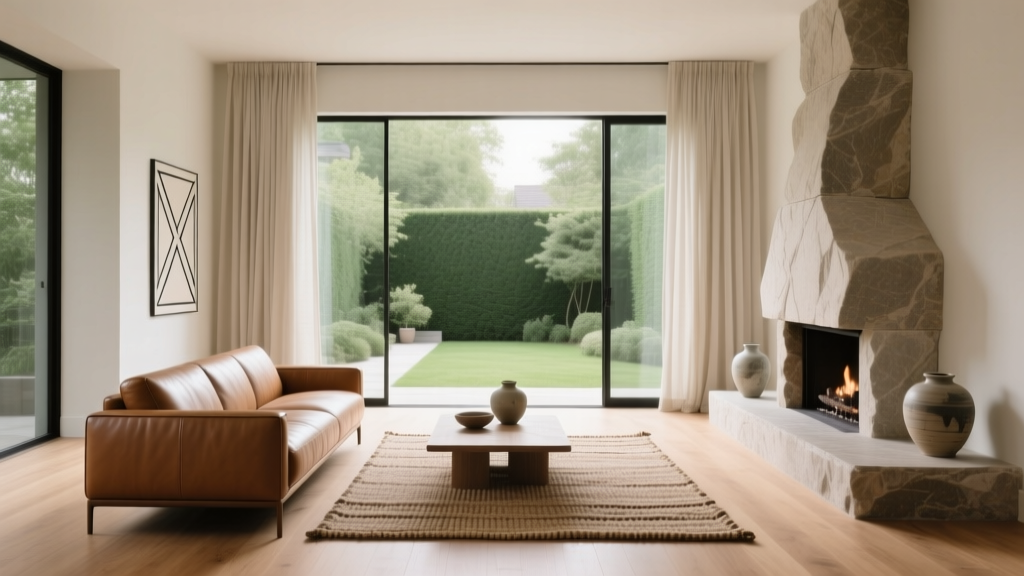 Living Room Timeless Design Elements - The Decor Mag
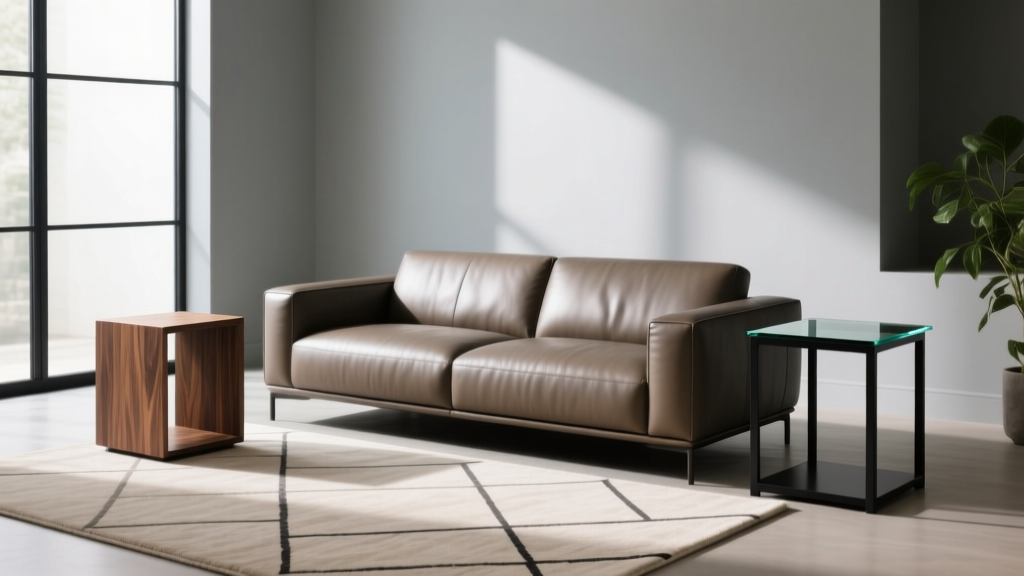 Best End Table Pairings for Sofas - The Decor Mag