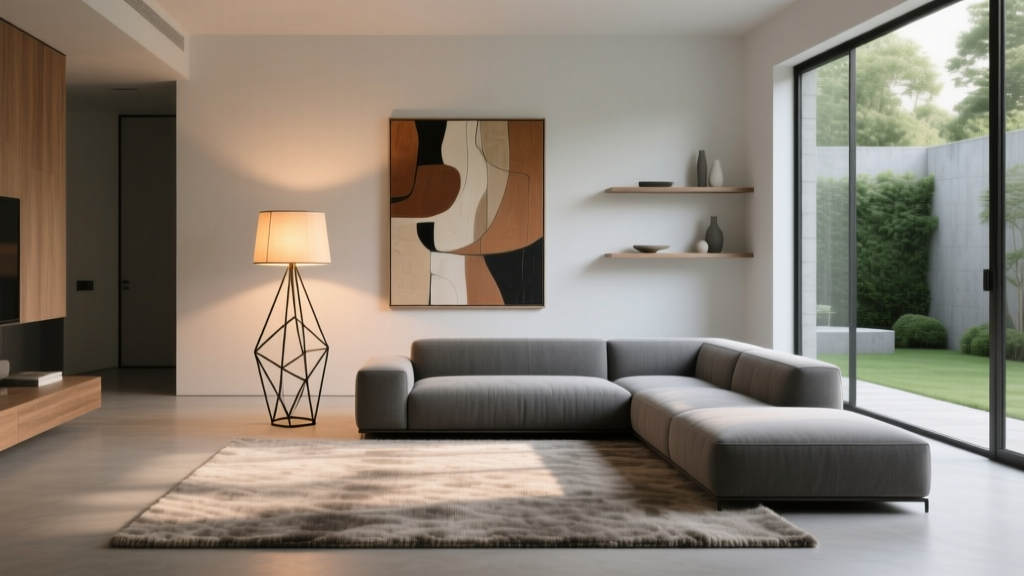
How to Create a Living Room Focal Point - The Decor Mag
Walk into a living room that feels “done,” and you’ll almost always notice one thing first: a clear focal point. It’s the visual anchor that quietly tells your eyes where to land—then guides you around the rest of the room. Without it, even beautiful furniture and decor can feel scattered, bland, or oddly unfinished.
The good news is that creating a focal point doesn’t require a full renovation or a designer budget. Whether you’re a homeowner ready for a fireplace makeover or a renter looking for a non-permanent statement wall, you can build a strong focal point with smart layout choices, proportion, lighting, and a few strategic pieces.
This guide will help you choose the right focal point for your living room, style it with confidence, and avoid the common mistakes that make spaces feel cluttered or confusing. You’ll find practical measurements, materials, budget ranges, and real-world scenarios you can adapt to your own living room design.
What Is a Living Room Focal Point (and Why You Need One)?
A living room focal point is the area of greatest visual interest—the feature that attracts attention first and establishes hierarchy. It can be architectural (a fireplace), functional (a TV wall), decorative (a gallery wall), or a mix of all three.
When your focal point is clear, the rest of your living room decor decisions get easier because you’re styling “around” something rather than trying to make everything stand out at once.
- It improves flow: Furniture placement becomes more intuitive when you’re orienting seating toward a defined anchor.
- It makes the room feel larger: A strong focal point reduces visual noise and creates a sense of order.
- It elevates everyday function: You can highlight how you actually live—movie nights, hosting friends, reading, or family time.
Step 1: Identify Your Room’s Natural Focal Points
Start with what the room already gives you. In many living rooms, one feature naturally wants to be the star—your job is to reinforce it, not fight it.
Common “built-in” focal points
- Fireplace (traditional or modern linear)
- Large window or set of French doors
- Built-in shelving or an alcove
- Architectural details like beams, arches, or a picture rail
When the room has no obvious focal point
Many rentals and newer builds are basically blank boxes. That’s not a flaw—it’s a flexible canvas. In those cases, you’ll create a focal point with:
- A feature wall (paint, wallpaper, wood slats)
- A statement media wall or console setup
- Oversized art or a gallery wall
- A bold rug and furniture arrangement (yes, the seating area can be the focal point)
Step 2: Choose the Right Focal Point for How You Live
The “best” focal point isn’t always the most dramatic one—it’s the one that supports the room’s primary function. Use these scenarios to guide your choice.
Scenario A: The TV is non-negotiable
If your living room is used daily for streaming and gaming, make the TV wall intentional. A well-designed media wall looks elevated rather than accidental.
Tips:
- Center the seating on the TV wall so the layout feels purposeful.
- Use a low, long media console (typically 60–84 inches wide for most rooms) to ground the screen.
- Add texture behind the TV—wood slats, limewash paint, or a matte panel—to reduce the “black rectangle” effect.
Budget range: $200–$800 for a console, $50–$300 for wall treatment (paint, peel-and-stick wallpaper), $150–$600 for lighting.
Scenario B: You host often and want conversation
Make the focal point a fireplace, a statement art wall, or a beautifully styled shelving unit—something people can gather around that isn’t a screen.
Tips:
- Float furniture inward if possible; don’t push everything against walls.
- Use a large rug to “frame” the conversation area.
- Layer lighting so the focal point glows at night (picture lights, sconces, or a floor lamp nearby).
Scenario C: Small living room, limited wall space
In compact spaces, the focal point should be simple and strong: one large art piece, a mirror that bounces light, or a small fireplace-style console.
Tip: In a small living room, one big statement almost always looks cleaner than many small statements.
Step 3: Anchor the Focal Point with Correct Scale and Placement
Most focal point problems come down to proportion. Use these designer-friendly measurements to get it right.
Artwork sizing guidelines
- Above a sofa: choose art that’s about two-thirds to three-quarters the sofa width.
- Hang art so the center is 57–60 inches from the floor (gallery/museum standard), adjusting slightly for very tall ceilings.
- Leave 6–10 inches between the top of the sofa and the bottom of the art.
TV mounting height (comfort first)
- The center of the TV is often most comfortable at 42–48 inches from the floor in typical seating setups.
- When mounting above a fireplace, consider a pull-down mount to reduce neck strain.
Rug sizing to frame the focal point
- In most living rooms, an 8' x 10' rug is a safe starting point; larger rooms often need a 9' x 12'.
- Front legs of sofas and chairs should sit on the rug (at minimum).
Step 4: Pick a Focal Point Style Strategy (with Trend + Timeless Options)
Current design trends are leaning toward warm minimalism, natural textures, and bold-but-edited statements. Pair trend-forward choices with timeless principles—balance, scale, and cohesion—and your focal point will age well.
Option 1: The statement wall (paint, wallpaper, or paneling)
A feature wall is one of the easiest ways to create a focal point in a living room—especially for renters using peel-and-stick materials.
Materials that look elevated:
- Limewash or mineral paint: soft movement, modern organic look
- Peel-and-stick wallpaper: renter-friendly patterns and grasscloth-style textures
- Wood slat panels: a popular trend that adds warmth and acoustic softness
Budget range: $40–$120 per gallon for paint (plus supplies), $150–$600 for wallpaper depending on coverage, $300–$1,500 for slat/panel systems depending on wall size and material.
Option 2: The fireplace moment (real, faux, or upgraded)
Fireplaces naturally draw attention, but they can also look dated. A few updates can make a huge difference without a full rebuild.
Quick upgrades:
- Paint brick a warm white or deep charcoal for a modern refresh
- Add a chunky wood mantel (oak, walnut, or reclaimed wood for character)
- Swap a busy surround for simple tile (zellige-look ceramic is a current favorite)
Real-world example: A 1990s red-brick fireplace can feel heavy. Painting the brick a soft warm white, adding a 6–8 inch deep oak mantel, and installing a single oversized art piece above instantly shifts it toward a modern organic style—without changing the firebox.
Option 3: The media wall that doesn’t scream “electronics”
One of the most requested living room upgrades right now is a media wall that feels integrated—more like furniture, less like a tech corner.
Product recommendations:
- Low-profile media console in oak, walnut, or matte lacquer (look for wire management cutouts)
- Frame-style TV (or TV art mode) to soften the black screen
- Soundbar mounted or placed cleanly to avoid clutter
- Wall sconces flanking the TV for a built-in look
Design tip: Keep decor around the TV minimal—one or two sculptural objects and a stack of books. If everything competes, the focal point becomes the clutter.
Option 4: Oversized art or a gallery wall
Art is one of the most timeless ways to create a focal point in living room design. Oversized pieces feel modern and calm; gallery walls can feel curated and personal.
Gallery wall spacing rules:
- Keep frames 2–3 inches apart for a cohesive look
- Lay it out on the floor first, or use paper templates on the wall
- Stick to a consistent palette (black frames, oak frames, or mixed metals—but controlled)
Step 5: Style the Area Like a Designer (Layering That Works)
A focal point needs supporting elements—think of it as the headline, with the rest of the room as the layout that makes it readable.
Use the “triangle” styling principle
When styling a mantel, console, or shelving, aim for a loose triangle of heights:
- Tall: lamp, vase with branches, or large art leaning
- Medium: sculptural object, framed photo, or plant
- Low: books, tray, candle, or bowl
Add texture to make the focal point feel richer
- Wood: oak, walnut, or ash for warmth
- Stone: travertine, marble-look porcelain, or concrete accents
- Metal: aged brass, matte black, or brushed nickel
- Textiles: linen curtains, wool rug, boucle pillows
Lighting that highlights (not flattens)
Use at least two light sources near your focal point:
- Wall sconces flanking a fireplace or media wall
- Picture light over a large art piece
- Floor lamp to add height and glow near seating
Practical placement: For sconces flanking a focal point, start with mounting them 60–66 inches from the floor to the center of the fixture, then adjust based on ceiling height and shade style.
Common Mistakes to Avoid
- Competing focal points: A bold wallpaper wall, giant TV, and gallery wall all in the same sightline will fight for attention. Choose one hero, then support it.
- Undersized decor: Tiny art above a large sofa is one of the fastest ways to make a room feel off. Scale up.
- Everything pushed to the walls: This makes the room feel like a waiting area. Even pulling the sofa forward 4–8 inches can improve the layout.
- Ignoring cords and clutter: Visible cables, crowded surfaces, and too many small objects dilute your focal point.
- Mounting the TV too high: If your neck hurts, the design isn’t working—no matter how stylish the wall looks.
A Simple Step-by-Step Plan (Weekend-Friendly)
- Stand at the entry and identify where your eyes naturally land. That’s your best focal point candidate.
- Choose one focal zone (fireplace, TV wall, statement wall, or art wall).
- Measure: wall width, sofa width, ceiling height, and the distance from sofa to focal point.
- Set the anchor: mount art/TV correctly, install curtains, or apply wallpaper/paint.
- Place furniture to face it (or angle seating toward it for a relaxed feel).
- Layer lighting (at least one ambient + one accent light near the focal area).
- Edit the decor: keep only what supports the focal point and remove the rest.
FAQ: Living Room Focal Points
What should be the focal point in a living room?
The best focal point is the feature that fits your lifestyle and the room’s architecture. Fireplaces, TVs/media walls, large windows, and oversized art are the most common focal points in living room design.
Can a TV be a focal point without ruining the decor?
Yes. Use a long media console, conceal cords, add textured wall treatments, and keep surrounding decor minimal. Frame-style TVs or art-mode screens also help the TV blend with living room decor.
How do I create a focal point in a rental without painting?
Try peel-and-stick wallpaper, removable picture ledges, a large leaning mirror, or an oversized art piece. Swapping in statement curtains and a bold rug can also define a focal zone without permanent changes.
What if my living room has two focal points (like a fireplace and a TV)?
Decide which one is primary based on how you use the room. If you watch TV daily, make the TV wall primary and style the fireplace more quietly, or vice versa. Another option is combining them with a cohesive built-in look, but prioritize comfort and viewing height.
How big should art be above a sofa?
Aim for art that’s about two-thirds to three-quarters the width of the sofa. Hang it with the center around 57–60 inches from the floor and leave 6–10 inches above the sofa back.
What colors work best for a focal point wall?
Warm neutrals (creamy whites, greige, taupe), earthy tones (clay, olive), and deep classics (navy, charcoal) are popular right now and tend to age well. Choose a finish that supports your style—matte for modern, eggshell for durability, limewash for movement.
Next Steps: Create Your Focal Point with Confidence
Pick one focal point you can commit to, scale it correctly, and let it lead the rest of your choices—from furniture placement to lighting and accessories. Even small upgrades like larger art, better curtains, or a more intentional media console can transform the entire feel of your living room.
If you’re ready for more layout ideas, living room decor trends, and renter-friendly upgrades, explore more inspiration and guides on thedecormag.com.
More Articles
 Hardwood vs Engineered vs Laminate Living Room Floors
 Exposed Beams Living Room Decor (2026)
 Living Room Window Treatments for Privacy (2026)
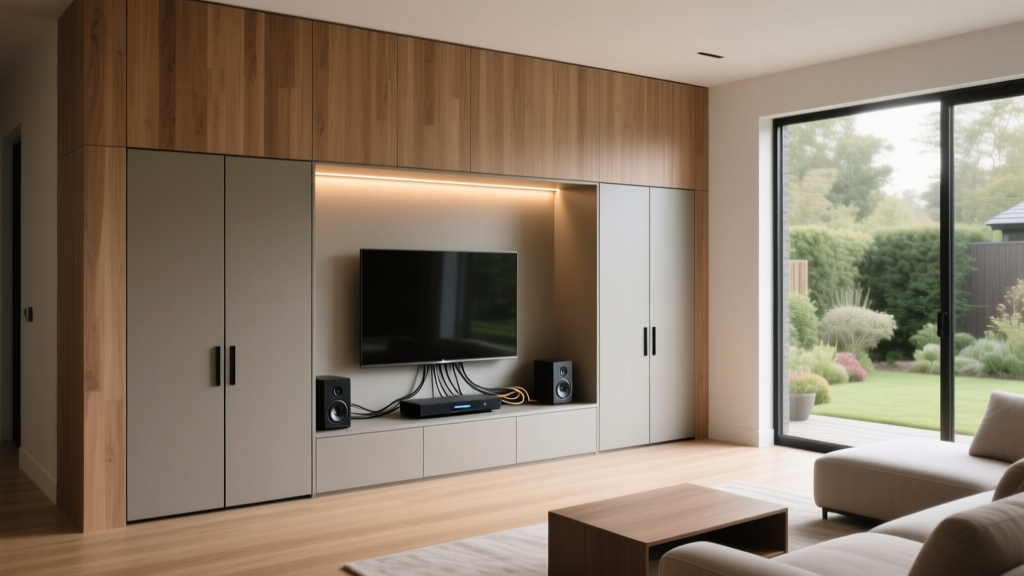 Living Room Entertainment Center Hideaway Ideas (2026)
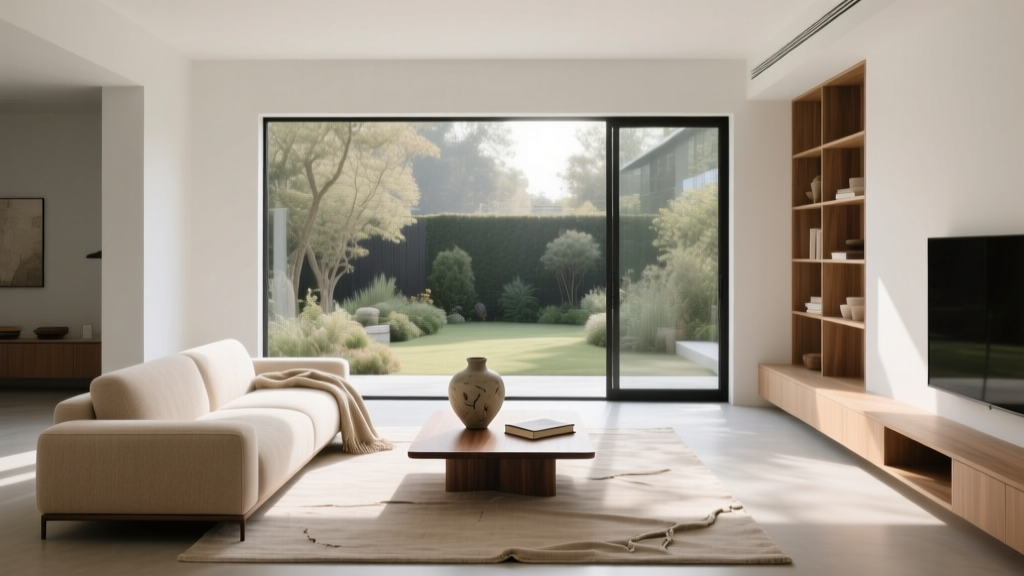 Modern Minimalist Living Room Ideas for 2026 - The Decor Mag
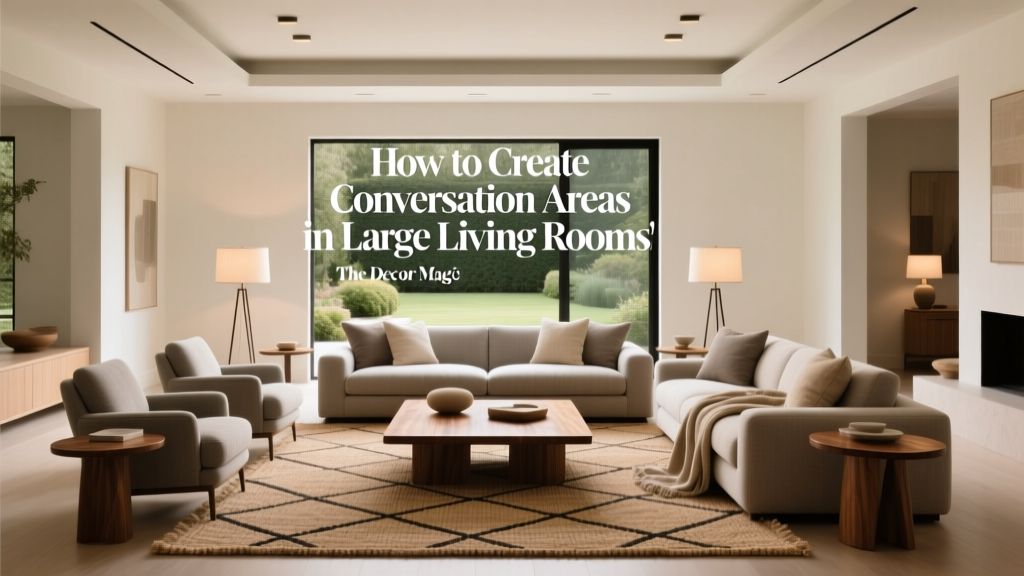 Conversation Areas in Large Living Rooms (2026)
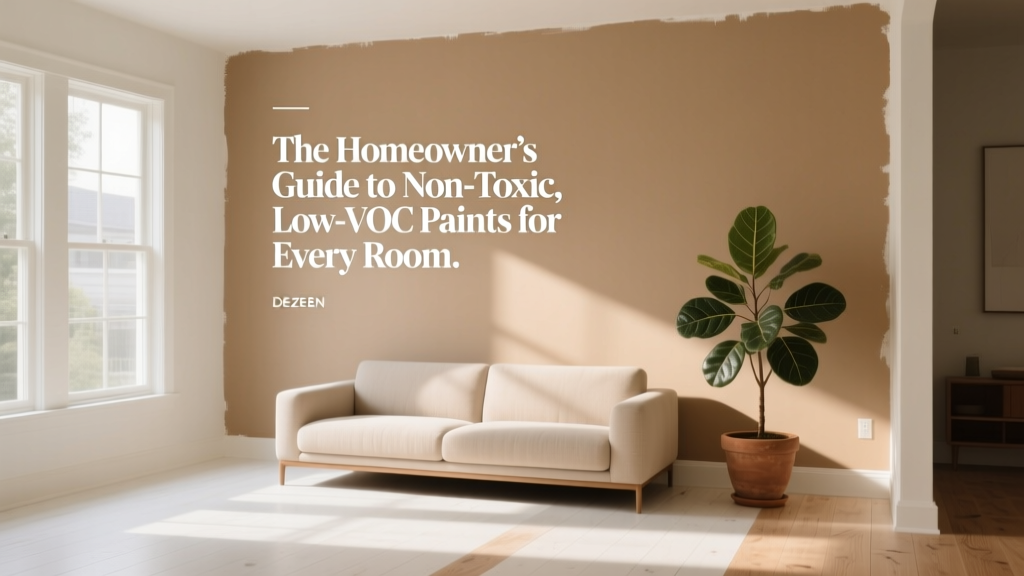 Non-Toxic, Low-VOC Paints for Every Room (2026)
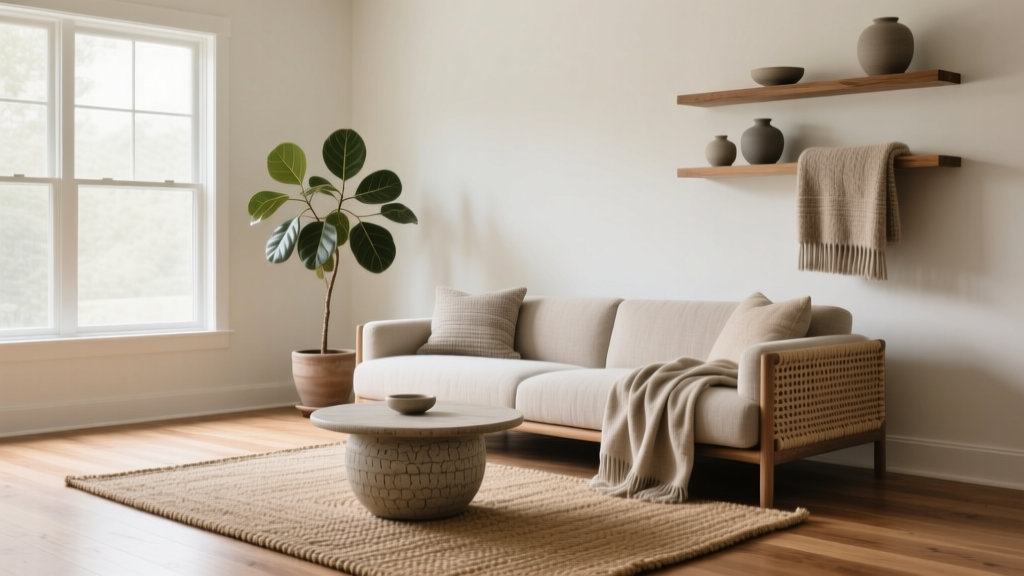 Texture in Minimalist Living Rooms (2026)
 Stylish Nightstands Under $150 – 2026 Picks
 Living Room French Provincial Inspiration - The Decor Mag