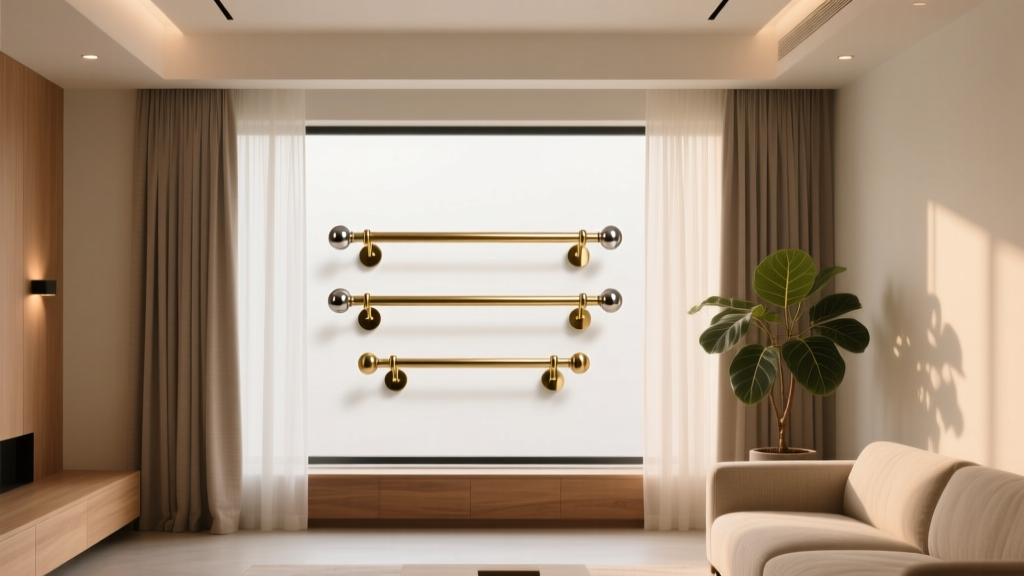
Drapery Hardware for Living Rooms (2026)
Drapes can transform a living room faster than almost any other upgrade—softening hard lines, improving light control, and making a space feel more finished. But even the most beautiful curtains can fall flat if the drapery hardware is the wrong size, hangs at the wrong height, or clashes with the rest of the room. Hardware isn’t just functional; it’s a design feature that frames your windows and subtly signals the style of the space.
The good news: choosing the right curtain rods, brackets, rings, and finials isn’t complicated once you know what to measure and what to prioritize. This guide will walk you through the exact steps to pick drapery hardware for your living room—based on window size, drape type, wall construction, and your decor style. You’ll also find real-world examples, budget ranges, current trends, and the most common mistakes to avoid so your living room window treatments look tailored (not “almost right”).
Start With the Big Picture: What Do You Want Your Drapes to Do?
Before shopping, clarify the job your window treatments need to do. The “best” drapery hardware depends on whether you’re aiming for drama, privacy, energy efficiency, or a minimalist look.
Common living room goals (and what they mean for hardware)
- Maximize natural light: Choose a rod that extends wider than the window so panels can stack off the glass.
- Make ceilings look higher: Mount the rod close to the ceiling (or crown molding) and use longer drapery panels.
- Improve privacy or reduce glare: Use a sturdy rod (or track) that can support lined or blackout drapes.
- Layer sheers + drapes: Plan for a double rod or a rod + track combination.
- Create a high-end, custom feel: Consider ceiling-mounted tracks or pinch-pleat drapery with rings.
Measure Like a Pro: Rod Length, Mounting Height, and Projection
Accurate measurements are what separate a living room that looks professionally styled from one that feels “rental standard.” Grab a tape measure and note three things: width, height, and depth.
1) Rod length (how wide should it be?)
A common design principle: hang drapery wider than the window to make the window look larger and to let in more light.
- Standard extension: Add 8–12 inches beyond each side of the window frame.
- For small living rooms: Use 6–8 inches per side if wall space is limited.
- For a luxe look (or wide walls): Use 12–16 inches per side, or go wall-to-wall if it suits the layout.
Example: If your window is 60 inches wide, aim for a rod that spans 76–84 inches (60 + 8–12 inches on each side).
2) Mounting height (how high should the rod go?)
Higher mounting draws the eye up and makes ceilings feel taller—one of the easiest living room design upgrades.
- Timeless rule: Mount the rod 4–6 inches above the window frame.
- Modern designer approach: Mount 2–3 inches below the ceiling or just under crown molding.
- For 8-foot ceilings: A “near-ceiling” mount often looks best, especially with full-length panels.
3) Projection (how far should the rod sit from the wall?)
Projection is essential if you have bulky trim, radiators, or plan to use layered window treatments.
- Typical projection: 3.5–5 inches from wall to rod.
- For thicker drapes or layered curtains: Look for brackets with 5–7 inches projection.
- Check clearance: Make sure drapes won’t rub against blinds, shades, or a deep windowsill.
Choose the Right Type of Drapery Hardware
Living room drapery hardware generally falls into three categories: rods, tracks, and tension/temporary solutions. Your choice should reflect both style and function.
Single rods
The most common option. Works well for stationary panels or operable drapes.
- Best for: Simple living room window treatments, linen panels, grommet-top curtains, pinch-pleat drapes with rings
- Look: Can be traditional, modern, farmhouse, or glam depending on finish and finials
Double rods (layering)
Perfect if you want sheers for daytime privacy and heavier panels for evenings.
- Best for: Street-facing living rooms, open-concept spaces with TV glare concerns
- Tip: Ensure the front rod projects far enough so the drape clears the sheer behind it.
Traverse rods and curtain tracks
Tracks are a favorite in current design trends because they look clean and operate smoothly—especially with ripple-fold or pinch-pleat drapery.
- Best for: Wide windows, sliding doors, heavy lined drapes, modern living rooms
- Ceiling-mounted tracks: Great for creating a “wall of fabric” effect that feels custom.
- Motorized options: Ideal for tall windows or smart-home setups.
Temporary or renter-friendly solutions
If you rent, you can still elevate your living room decor without major wall damage.
- Twist-and-fit tension rods: Better for lightweight sheers than full drapes
- Command-style rod hooks: Works for lighter rods and shorter spans; always check weight ratings
- Stand-alone curtain frames: Useful when you can’t drill (great for odd layouts)
Match Hardware Strength to Your Drapes (Weight Matters)
One of the most common living room curtain mistakes is choosing hardware based on looks alone. Heavier drapes require thicker rods, stronger brackets, and better anchors.
Quick guide: rod diameter and what it supports
- 5/8 inch: Best for lightweight curtains and smaller windows
- 3/4 inch: Good all-around size for most living room panels
- 1 inch: Great for lined drapes, wider spans, and a more substantial look
- 1 1/4 inch or more: Best for very heavy drapery, tall ceilings, and statement hardware
Bracket placement for stability
- Standard rule: Use a center support bracket if the rod span is over 48–60 inches (check manufacturer specs).
- For heavy drapes: Add support sooner rather than later to prevent sagging.
- Tip: Center brackets can interfere with curtain rings sliding. If you open/close drapes daily, consider a traverse rod or track instead.
Pick Finishes and Styles That Work With Your Living Room Decor
Drapery hardware should relate to your living room’s existing metals and materials (lighting, door handles, coffee table legs, picture frames). You don’t need an exact match, but you do want a cohesive story.
Popular finishes for living room curtain rods
- Matte black: A top trend for modern, industrial, and contemporary living rooms; high contrast on light walls
- Warm brass / aged brass: Timeless and currently very on-trend; elevates neutral rooms
- Polished nickel / chrome: Crisp, reflective, great for modern and glam spaces
- Oil-rubbed bronze: Traditional and warm; pairs well with rich woods
- Wood rods: Cozy and classic for farmhouse, transitional, and coastal living rooms
Finials: subtle or statement?
Finials are like jewelry for your window treatments.
- Minimal finials (capped or cylinder ends): Best for modern living room design and clean lines
- Sculptural finials (spheres, spears, florals): Great for traditional, eclectic, and glam spaces
- Trend watch: “Quiet luxury” rooms often use simple ends in warm metals, paired with high-quality fabric.
Step-by-Step: How to Choose Drapery Hardware for Your Living Room
- Decide on function: Stationary panels, daily use, or layered sheers + drapes?
- Measure window width: Add 16–24 inches total for most rooms (8–12 inches per side).
- Choose mounting height: Typically 4–6 inches above the frame, or near-ceiling for a taller look.
- Select rod type: Single rod, double rod, or track based on how you’ll operate the curtains.
- Match strength to fabric: Heavier drapes need thicker rods and sturdy brackets.
- Pick finish + finials: Coordinate with your living room’s metal tones and style.
- Confirm bracket projection: Ensure enough clearance for trim, shades, and full folds.
- Plan installation: Locate studs when possible; use quality drywall anchors if needed.
Real-World Living Room Scenarios (So You Can Picture It)
Scenario 1: Small apartment living room with one standard window
You want it to feel taller and brighter without spending much.
- Hardware: 3/4-inch adjustable rod in matte black or brushed nickel
- Placement: Mount 2–3 inches below ceiling; extend 8 inches past each side
- Drapes: Light-filtering linen-look panels, hung with rings for an easy glide
- Why it works: Higher placement adds height; rings make budget panels look more tailored
Scenario 2: Open-concept living room with a wide window and TV glare
You need light control but don’t want heavy drapes to feel bulky.
- Hardware: Double rod (sheer + room-darkening drape) or ceiling track + sheer rod
- Placement: Wider than the window by 12 inches per side so drapes stack away from glass
- Tip: Choose a warm brass finish to soften modern furnishings and add polish
Scenario 3: Traditional living room with crown molding and tall ceilings
You want classic elegance that looks custom.
- Hardware: 1-inch rod in oil-rubbed bronze or antique brass with refined finials
- Placement: Mount just below crown molding; use full-length drapes that kiss the floor
- Upgrade: Pinch-pleat drapery with rings for a tailored look
Budget Ranges: What Drapery Hardware Typically Costs
Prices vary widely based on finish quality, diameter, and whether you choose a track system.
- Budget-friendly ($20–$60 per window): Basic adjustable rod + brackets; best for lightweight to medium curtains
- Mid-range ($60–$150 per window): Thicker rods, better finishes, smoother rings, double-rod sets
- Premium ($150–$400+ per window): High-quality metal finishes, custom lengths, designer finials, heavy-duty brackets
- Track systems ($120–$500+ per window): Manual tracks on the lower end; motorized tracks at the high end (especially for wide spans)
Common Mistakes to Avoid
- Hanging the rod too low: This shortens the wall visually. Aim higher for a designer look.
- Choosing a rod that’s too narrow: Curtains end up blocking glass even when open, making the living room feel darker.
- Skipping center support on long spans: Sagging rods look sloppy and can damage hardware over time.
- Ignoring projection: Drapes that catch on blinds or trim never hang cleanly.
- Mismatched metal chaos: Mixing finishes is fine, but give it intention—repeat the curtain rod finish elsewhere in the room.
- Buying solely for looks: A thin rod with heavy blackout drapes is a recipe for bending and frustration.
Product Recommendations (What to Look For When Shopping)
Rather than a single brand (stock changes constantly), focus on these features to get the best drapery hardware for living rooms:
- Adjustable length with a secure lock: Prevents shifting over time on wide windows.
- Metal thickness and sturdy brackets: Especially for lined drapes or extra-long panels.
- Smooth rings or gliders: If you’ll open/close drapes often, prioritize easy movement.
- Quality finish: Look for plated or sealed finishes that resist scratching and flaking.
- Return rods (wrap-around): Helps block light leakage at the sides and can improve insulation.
FAQ: Drapery Hardware for Living Rooms
How far should a curtain rod extend past a living room window?
Most living rooms look best when the rod extends 8–12 inches past each side of the window. If you have the wall space and want a more luxurious look, go up to 12–16 inches per side.
Should living room curtain rods be close to the ceiling?
If you want the room to feel taller and more polished, yes—mounting 2–3 inches below the ceiling (or just under crown molding) is a designer-favorite approach. If you prefer a more traditional look, mount 4–6 inches above the window frame.
What’s better for a modern living room: a rod or a track?
A track often looks cleaner and more architectural, especially ceiling-mounted. A rod works beautifully too, particularly if you want decorative finials or a statement finish like matte black or warm brass.
Do I need a center bracket on a long curtain rod?
Usually, yes. Many rods need a center support when spanning over 48–60 inches, and heavy drapes may require it sooner. If you need smooth daily operation without obstruction, consider a traverse rod or track.
What curtain rod size should I choose for heavy drapes?
Look for a rod that’s at least 1 inch in diameter with heavy-duty brackets and proper wall anchors (or mounting into studs). For very heavy, lined, or extra-wide living room drapery, consider 1 1/4 inch rods or a quality track system.
What’s the best renter-friendly curtain hardware option?
For lightweight panels, high-capacity adhesive hooks paired with a lightweight rod can work. For heavier drapes, consider negotiating permission to drill small holes (often acceptable if patched later) or using a freestanding curtain frame for no-damage installation.
Next Steps: Get the “Finished” Living Room Look
Pick one window in your living room and apply the essentials: mount higher, extend wider, and choose hardware strong enough for your fabric. If you’re updating multiple elements, start with the rod finish—matte black, warm brass, and polished nickel are all versatile choices that pair well with today’s most popular living room decor.
- Measure your window width and decide on your ideal rod extension (8–12 inches per side is a great default).
- Choose your mounting height (near-ceiling for a taller, more elevated look).
- Match rod type and diameter to how you’ll use the drapes (daily use and heavy fabrics deserve better hardware).
For more living room ideas—from window treatment styling to furniture layouts and color palettes—explore the latest guides and inspiration on thedecormag.com.
More Articles
 Headboard Buying Guide: Style, Support & Sizing (2026)
 Leather Furniture for Living Rooms (2026)
 Living Room Elevated Casual Design - The Decor Mag
 Living Room for All Ages: Design Tips (2026)
 Living Room Japandi Style Guide - The Decor Mag
 Living Room Sustainable Decor Choices - The Decor Mag
 Best Hidden Storage for Living Rooms (2026)
 Best Affordable Living Space Solutions 2026
 Living Room Styling for Everyday Comfort (2026)
 Best Console Table Depth for Behind Sofa - The Decor Mag