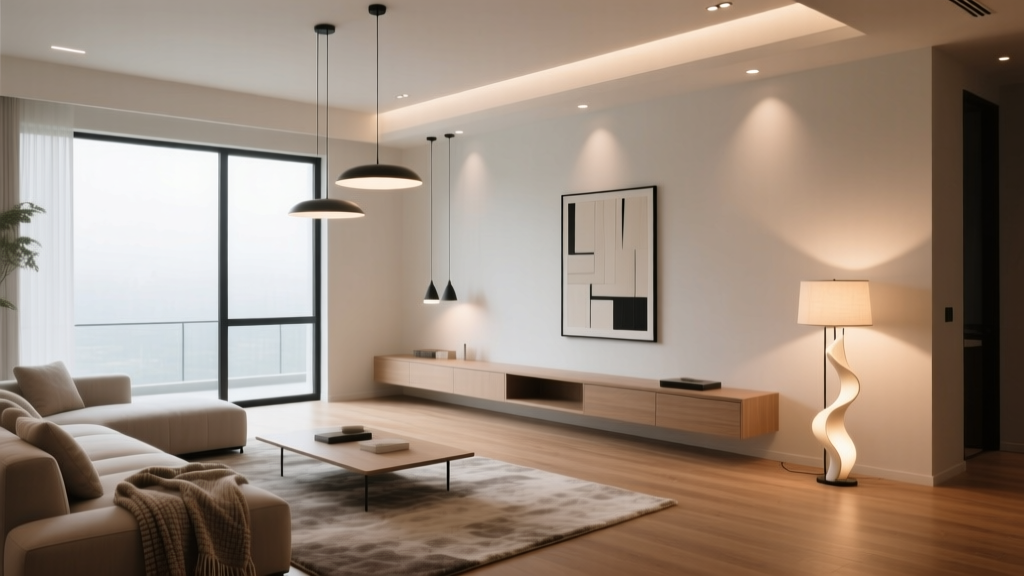
Living Room Lighting Ideas (2026) | The Decor Mag
Lighting is one of the fastest ways to make a living room feel more expensive, more welcoming, and more “you”—without changing the floors or buying a whole new sofa. It affects everything: how your paint color reads at night, whether artwork looks flat or dimensional, and even how comfortable your space feels when you’re winding down after a long day.
The best part? Great living room lighting isn’t about a single statement fixture. It’s about layering light so your room works for real life—movie nights, reading, entertaining, kids’ homework, and quiet mornings with coffee. Ahead, you’ll find living room lighting ideas, practical measurements, product-style recommendations, and step-by-step guidance to help homeowners and renters upgrade their space with confidence.
Whether you’re starting from scratch or trying to fix a room that feels dim, harsh, or “off,” these tips will help you choose the right fixtures, bulbs, and placements to transform your living room design.
Start with a Lighting Plan: The 3-Layer Rule
Professional designers rely on three types of lighting to create balance and flexibility. Your goal is to have at least two layers in a small living room and all three in a medium-to-large space.
1) Ambient Lighting (General)
This is your room’s base glow. It typically comes from a ceiling fixture, recessed lights, a flush mount, or a bright floor lamp in rentals without overhead wiring.
- Best for: Everyday visibility, cleaning, moving around safely
- Common fixtures: Chandelier, semi-flush mount, recessed cans, cove lighting
2) Task Lighting (Functional)
Task lighting supports specific activities like reading, working, or puzzles on the coffee table.
- Best for: Reading corners, desk areas, hobby tables
- Common fixtures: Swing-arm wall lamp, adjustable floor lamp, table lamp
3) Accent Lighting (Mood + Highlight)
Accent lighting adds dimension and drama—think artwork, built-ins, plants, or textured walls. It’s the layer that makes a living room feel styled rather than simply lit.
- Best for: Art, shelves, architectural details, “cozy” atmosphere
- Common fixtures: Picture lights, sconces, LED strips, small uplights
Choose the Right Bulbs: Brightness, Color Temperature, and CRI
Even beautiful fixtures can disappoint with the wrong bulbs. Here’s how to choose lighting that flatters skin tones, wall color, and decor.
- Color temperature (Kelvin):
- 2700K–3000K for a warm, inviting living room (most homes prefer this)
- 3500K if you want a slightly crisper, modern look
- Avoid 4000K–5000K in most living rooms unless your style is very contemporary and you like a cooler tone
- Brightness (Lumens):
- Small living room (120–180 sq ft): aim for 2,000–3,000 lumens total across fixtures
- Medium living room (180–300 sq ft): aim for 3,000–5,000 lumens
- Large living room (300+ sq ft): aim for 5,000–8,000 lumens, layered and dimmable
- CRI (Color Rendering Index): Choose 90+ CRI for truer color—especially if you’ve invested in paint, art, or textiles.
- Dimmers: If you do one upgrade, make it dimmers (or smart dimmers). They instantly improve mood and flexibility.
Ceiling Fixtures That Set the Tone
Statement Pendant or Chandelier
A well-chosen ceiling fixture anchors the room and signals your style—modern organic, transitional, mid-century, or classic. Current design trends lean toward sculptural silhouettes, soft curves, and natural materials like linen shades, rattan, and plaster.
Size guide (quick + practical):
- For a central fixture, add the room’s length + width (in feet). Convert that number to inches for an approximate fixture diameter. Example: 12 ft + 14 ft = 26 inches diameter.
- If you have low ceilings (8 ft), consider a semi-flush mount or a shallow drum shade for headroom.
Budget ranges:
- $80–$250: Simple drum shades, basic modern pendants, budget flush mounts
- $250–$800: Statement chandeliers, quality finishes, linen shades, larger sizes
- $800–$2,500+: Designer fixtures, artisan materials (plaster, hand-blown glass), oversized sculptural lighting
Recessed Lighting (When You Need Clean, Even Coverage)
Recessed lights are practical, but they can feel harsh if they’re the only source. If you have them, use them as ambient support—then soften with lamps and accent lights.
- Spacing: A common rule is to space recessed lights about 4–6 feet apart (depending on ceiling height and beam angle).
- Distance from walls: Place about 2–3 feet from the wall to avoid creating dramatic scallops unless you want a gallery-like effect.
- Choose: Dimmable, 2700K–3000K, 90+ CRI.
Lamp Layering: The Cozy Living Room Shortcut
If your living room feels flat or uninviting, add lamps before you change anything else. A classic designer move is one floor lamp + two table lamps (or similar) for a medium room.
Table Lamp Placement Tips
- Height: Aim for the bottom of the shade to sit around eye level when seated (typically 24–28 inches from the tabletop for many sofas).
- Side tables: A table lamp looks best when the base fills about 1/3 to 1/2 of the side table surface, leaving room for a drink or book.
- Shade material: Linen or cotton diffuses warmly; parchment-style shades feel timeless; metal shades create punchier contrast and direction.
Floor Lamps for Corners, Sofas, and Sectionals
- Arc floor lamps work well behind a sectional to throw light over a coffee table without needing ceiling wiring.
- Reading lamps should place light slightly behind and to the side of your shoulder to reduce glare on pages.
- Base size: In high-traffic areas, choose a heavier base or a slimmer profile pushed fully into a corner to prevent tipping.
Real-world scenario: You rent an apartment with a single overhead “boob light” and a dark corner behind the sofa. Swap the ceiling bulb to 2700K, add a plug-in dimmer, then place an arc floor lamp behind the sectional and a small table lamp on a narrow console. The room immediately feels layered and intentional—no rewiring required.
Wall Sconces and Plug-In Options (Perfect for Renters)
Wall sconces are having a major moment, especially in warm metals (aged brass), soft black, and mixed materials (glass + metal). They free up table space and add that boutique-hotel polish.
- Height: Install sconces so the center of the fixture sits roughly 60–66 inches from the floor (adjust for ceiling height and furniture).
- Beside a sofa: Place sconces 6–12 inches above the seated shoulder line for reading comfort.
- Plug-in sconces: Hide cords with a paintable cord cover for a cleaner look.
Product-style recommendation: Look for plug-in swing-arm sconces with a dimmer switch and linen shade for a soft, classic glow—ideal for reading corners or tight living rooms.
Accent Lighting That Makes a Living Room Feel Designed
Picture Lights for Artwork
Picture lights instantly elevate framed art and family photos. They’re especially effective in traditional, transitional, and modern classic living room decor.
- Size: Choose a picture light about 1/2 to 2/3 the width of the frame.
- Finish: Aged brass is trending, but polished nickel and black are timeless.
LED Strip Lighting for Shelves and Built-Ins
For modern living rooms and cozy media walls, LED strips add a high-end glow—when installed thoughtfully.
- Choose warm white: 2700K–3000K
- Look for: High CRI (90+), diffused channels (to avoid “dot” effects), and dimmable drivers
- Placement: Tuck strips toward the front underside of shelves so light washes down evenly.
Uplighting for Plants and Corners
A small uplight behind a tall plant creates a beautiful shadow play and adds depth to blank corners.
- Tip: Use a warm bulb and aim toward leaves, not directly at the wall, for a softer look.
Living Room Lighting Ideas for Specific Layouts
Small Living Room Lighting (Apartments and Studios)
Small spaces benefit from fewer fixtures with more impact—and lots of dimming control.
- Use a semi-flush mount or a clean pendant to free visual space.
- Choose one statement floor lamp plus one table lamp rather than many small lights.
- Use mirrors opposite a lamp to bounce light and make the room feel larger.
Open-Concept Living Room + Dining
In open layouts, lighting helps “zone” the space.
- Hang a pendant or chandelier over the seating area, and a separate fixture over the dining table.
- Keep finishes coordinated (all warm metals or all mixed metals with a consistent undertone).
- Put each zone on its own switch or smart scene.
Living Room with a TV (Reduce Glare)
- Avoid placing bright lamps where they reflect in the screen.
- Add bias lighting (a warm LED strip behind the TV) to reduce eye strain and improve perceived contrast.
- Use dimmable sconces on either side of the TV wall to balance brightness.
Step-by-Step: A Simple Weekend Lighting Upgrade
- Take inventory: List your current fixtures, bulb types, and what feels wrong (too dim, too harsh, glare on TV, dark corners).
- Pick a bulb standard: Choose 2700K–3000K, 90+ CRI, dimmable where possible. Replace mismatched bulbs first.
- Add two lamps: Aim for one on each side of the seating area (table lamps) or one table lamp + one floor lamp.
- Introduce accent light: Pick one: picture light, shelf lighting, or uplight for a plant.
- Create control: Add plug-in dimmers, smart bulbs, or a smart switch so you can set scenes (Relax, Movie, Entertain).
- Check at night: Walk the room and adjust shade direction, bulb brightness, and glare points.
Materials and Finishes: What Looks Current (and What Stays Timeless)
- Warm metals: Aged brass and bronze feel current and pair beautifully with warm neutrals and wood tones.
- Matte black: Crisp and graphic—great for modern, industrial, or Scandinavian living rooms.
- Glass shades: Opal/milk glass is a timeless favorite for soft diffusion.
- Natural textures: Rattan, woven cane, linen, and ceramic bases add warmth and “organic modern” style.
- Plaster and sculptural forms: Trending for statement lighting that feels like art.
Common Living Room Lighting Mistakes to Avoid
- Relying on one overhead light: It creates flat lighting and harsh shadows. Add lamps and accent lighting.
- Mismatched color temperatures: Mixing 2700K with 4000K makes the room feel off. Standardize your bulbs.
- Choosing bulbs that are too cool: Cool light can make cozy decor feel sterile, especially with beige, greige, or warm whites.
- Skipping dimmers: Fixed brightness rarely works for every moment (work, relax, entertain).
- Wrong scale: Tiny fixtures in a large room look underwhelming; oversized fixtures in a tight room feel cramped. Use the sizing guidelines above.
- Glare at eye level: Clear bulbs with exposed filaments can be pretty, but uncomfortable. Use diffused shades or frosted bulbs where you sit.
FAQ: Living Room Lighting
How many lights should a living room have?
Most living rooms feel best with 3–5 light sources spread across the room (not all in one spot). That might be a ceiling fixture, two table lamps, and one accent light—or a floor lamp plus sconces in smaller spaces.
What is the best color temperature for living room lighting?
2700K is the go-to for a warm, cozy feel. If you prefer a slightly brighter, cleaner look, choose 3000K. Try to keep the entire room within the same Kelvin range.
How do I light a living room with no overhead lighting?
Use a layered lamp plan: a bright floor lamp for ambient light, a table lamp near seating, and an accent light (plug-in sconce or LED shelf lighting). Put them on smart plugs or a remote-controlled outlet for easy control.
What lighting is best for a living room with a TV?
Use dimmable, indirect lighting and avoid placing lamps where they reflect on the screen. A warm LED strip behind the TV (bias lighting) plus soft side lighting from lamps or sconces works well.
How high should I hang a chandelier in the living room?
If it’s in an open area (not over a table), keep the bottom of the fixture at least 7 feet above the floor. For 8-foot ceilings, a semi-flush or compact chandelier often looks best.
Are smart bulbs worth it for living room lighting?
Yes if you want easy dimming and “scenes” without rewiring. Start with one or two lamps on smart bulbs or smart plugs, then expand if you love it.
Next Steps: Bring Your Lighting Plan to Life
To transform your living room, focus on three moves: standardize your bulbs (warm, high-CRI), add lamp layers to eliminate dark corners, and introduce dimming so the room adapts to every mood. Even one new floor lamp and two better bulbs can make your living room decor feel more intentional by tonight.
For more warm, practical living room ideas—layout tips, decor inspiration, and trend-forward upgrades—explore the latest guides on thedecormag.com.
More Articles
 Reading Nook Ideas for Living Rooms (2026)
 How to Style a Living Room Around a View - The Decor Mag
 Living Room Serene Zen Space Ideas - The Decor Mag
 Mid-Century Modern Living Room Must-Haves - The Decor Mag
 Plants in Living Room Decor: Easy Ideas (2026)
 Smart Studio Storage Ideas for 2026
 The Best Accent Chairs for Living Rooms - The Decor Mag
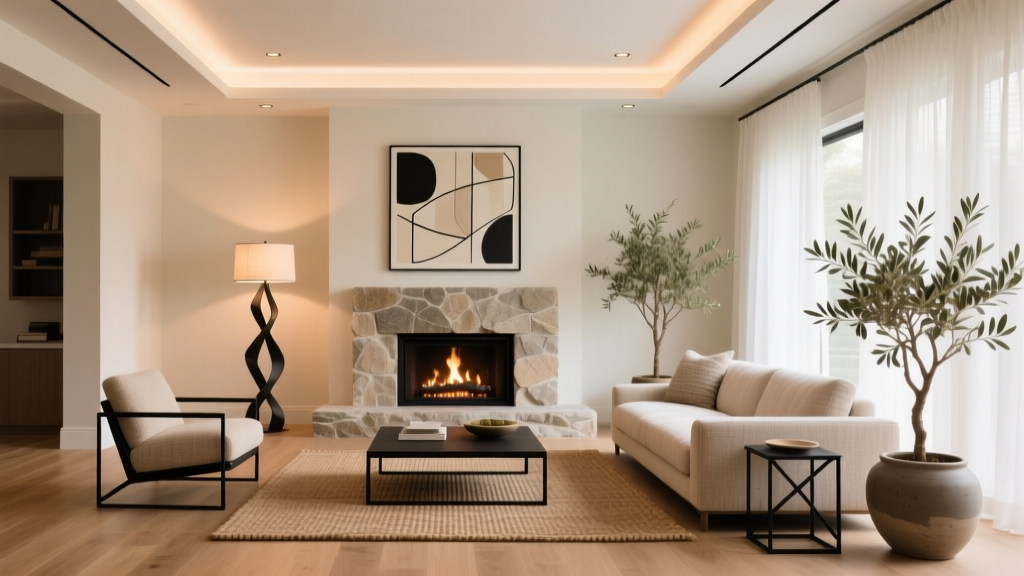 Living Room Fireplace Styling Ideas (2026)
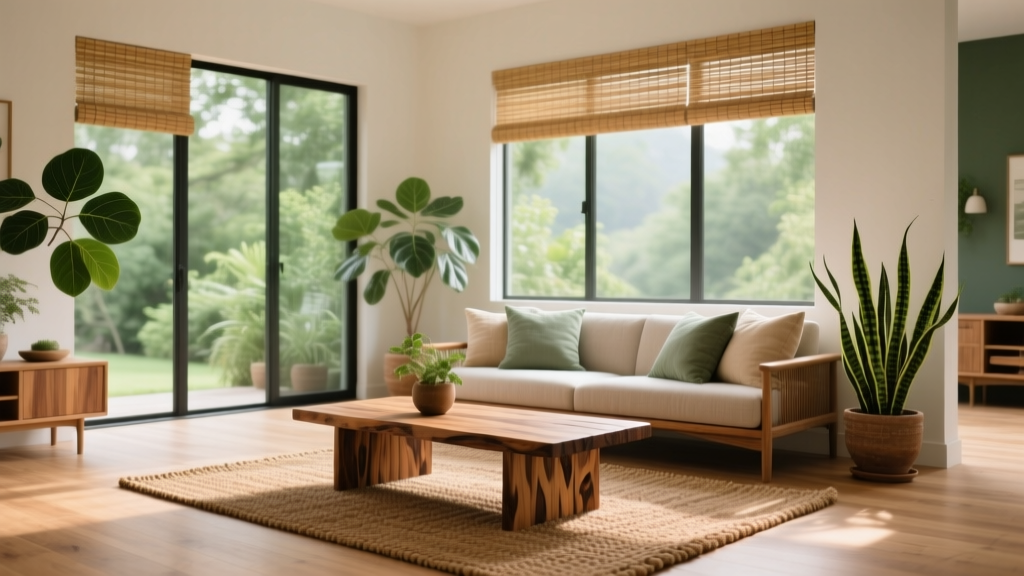 Living Room Sustainable Decor Choices - The Decor Mag
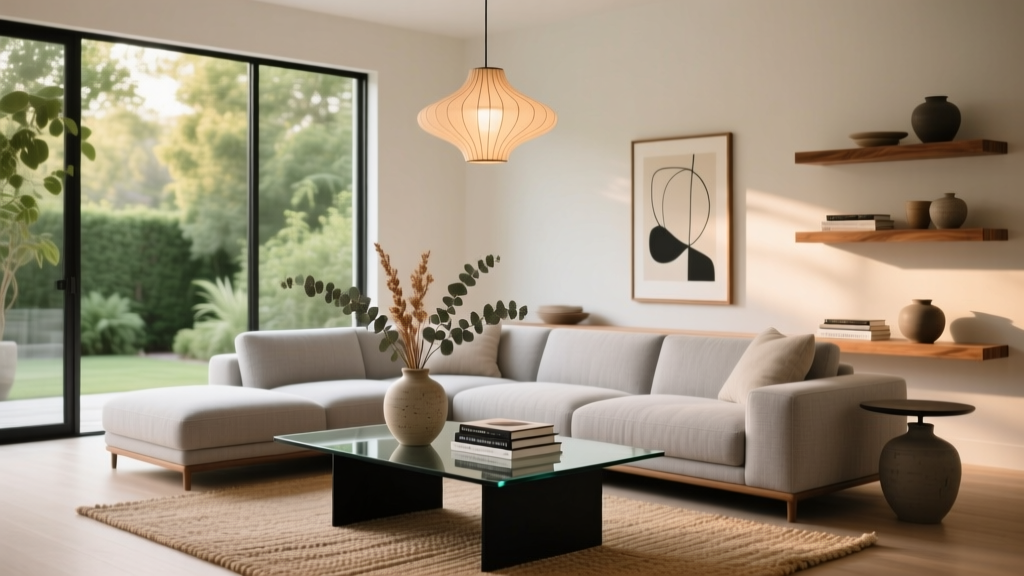 Living Room Entertaining: Design Tips (2026)