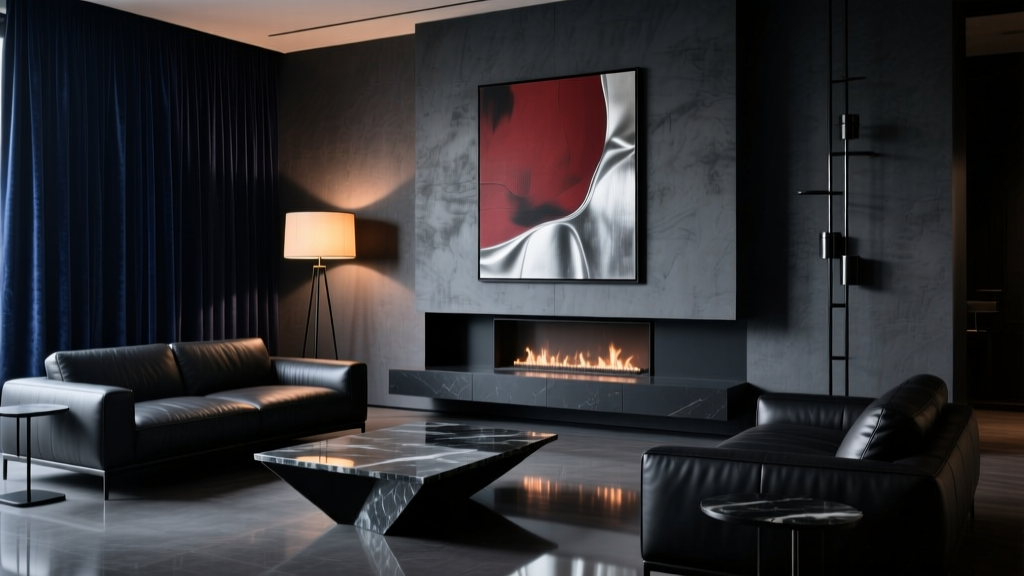
Living Room Dramatic Dark Moody Design - The Decor Mag
A dramatic dark moody living room has a way of making everything feel more intentional. The colors are deeper, the shadows are richer, and the glow from lamps and candles feels instantly more inviting. Done well, a dark living room doesn’t feel “small” or “gloomy”—it feels layered, cozy, and elevated, with a boutique-hotel kind of confidence.
Homeowners and renters are embracing moody interiors because they solve real-life design problems: they hide everyday scuffs better than bright white walls, they make open-plan spaces feel grounded, and they create a strong backdrop for art, textiles, and meaningful objects. If you’ve been craving a living room that feels sophisticated and restful (not just “nice”), a dark palette is a smart direction.
This guide walks you through how to choose the right dark paint colors, build a balanced lighting plan, select furniture and materials that pop against deep walls, and avoid the most common mistakes. You’ll also find real-world room scenarios, budget ranges, and practical measurements so you can plan with confidence.
What “Dark Moody” Really Means (and Why It Works)
Moody design isn’t just “paint it black.” It’s the combination of:
- Deep, complex color (charcoal, espresso, forest green, navy, aubergine)
- Low-contrast comfort (soft edges, rich textiles, fewer harsh whites)
- Layered lighting (ambient + task + accent at multiple heights)
- Material contrast (matte walls, warm wood, reflective metal, nubby fabric)
The payoff is a living room design that feels intimate and curated. Dark walls visually “pull in” a space, which can actually make it feel calmer and more cohesive—especially in open layouts where lighter palettes can feel a bit scattered.
Step 1: Choose a Dark Color That Fits Your Room’s Light
Pick the Right Undertone
Most “black” paints are not truly black—they lean warm, cool, green, or blue. Undertone is what determines whether your living room feels velvety and welcoming or chilly and flat.
- North-facing rooms (cool light): choose warmer darks like espresso, warm charcoal, or brown-based black.
- South-facing rooms (warm light): you can go cooler with deep navy, blue-black, or charcoal.
- East-facing rooms: moody colors look crisp in the morning, deeper by afternoon—great for greens and blue-grays.
- West-facing rooms: late-day warm light makes dark walls glow—ideal for bronzy browns, oxblood, and smoky plum.
Dark Paint Colors That Consistently Perform Well
Look for these types of shades when shopping for moody living room paint colors:
- Soft black / off-black: creates drama without looking stark.
- Charcoal gray: forgiving and modern; pairs with nearly everything.
- Deep green (evergreen, hunter): rich, timeless, and especially good with wood tones.
- Navy: classic, tailored, and great for renters using removable wallpaper.
Finish Matters: Matte vs Eggshell vs Satin
- Matte: best for a cocoon effect and hiding wall imperfections; looks luxe in dark colors.
- Eggshell: a practical middle ground for living rooms with kids/pets—slightly easier to clean.
- Satin: use sparingly; it can show roller marks and glare in dark shades unless walls are perfectly prepped.
Pro measurement tip: Buy sample pots and paint at least 2 ft x 2 ft test squares on two different walls. Live with them for 48 hours to see how the color shifts morning to night.
Step 2: Get Lighting Right—The Make-or-Break of Moody Design
Dark living rooms require lighting that feels intentional rather than simply “bright.” Aim for three layers of light, and place them at different heights so the room feels dimensional.
A Practical Lighting Plan (with Measurements)
- Ambient lighting (overall): a semi-flush mount, chandelier, or track system.
- For an 8 ft ceiling, choose a fixture that hangs no lower than 7 ft from the floor in walkways.
- If using recessed lights, keep spacing roughly 4–6 ft apart depending on beam spread.
- Task lighting (reading/activities): floor lamp beside sofa, table lamp near seating.
- Place a floor lamp so the shade bottom sits around 48–54 in from the floor for comfortable reading light.
- Accent lighting (mood): picture lights, wall sconces, LED strips behind media console.
- Mount wall sconces around 60–66 in from the floor (adjust based on ceiling height and furniture).
Bulbs and Color Temperature (Don’t Skip This)
- Choose warm bulbs: 2700K for cozy, 3000K for a slightly cleaner look.
- Aim for high color accuracy: CRI 90+ makes dark paint and textiles look rich instead of muddy.
- Add dimmers wherever possible to control the mood.
Product Recommendations (Easy Wins)
- Plug-in wall sconces for renters (no hardwiring): place on either side of sofa or above a reading chair.
- Arc floor lamp to reach over sectional seating without needing ceiling wiring.
- Battery picture lights to highlight art and add a gallery feel.
Step 3: Balance Dark Walls with Contrast and Texture
The secret to a moody living room decor scheme is contrast—not necessarily bright white contrast, but a mix of tones and finishes.
Best Materials for Dark Moody Living Rooms
- Wood: walnut, smoked oak, or even warm medium oak to prevent the room feeling too cold.
- Metals: aged brass, bronze, blackened steel. (Avoid too much shiny chrome unless your style is very modern.)
- Stone: black marble, soapstone-inspired surfaces, travertine for warm contrast.
- Textiles: velvet, bouclé, heavy linen, wool, mohair—anything tactile that catches light.
Color Pairings That Feel Sophisticated
- Charcoal + camel leather + brass
- Forest green + warm oak + cream boucle
- Navy + cognac + crisp ivory accents
- Black + rust + natural linen + smoked glass
Quick styling rule: In a dark living room, mix at least 3 textures within the first glance—example: matte walls + velvet sofa + woven rug.
Step 4: Furniture Layout That Feels Cozy (Not Crowded)
Moody rooms shine when they feel intimate and grounded. That means tightening up the furniture layout and scaling pieces correctly.
Key Measurements for a Comfortable Living Room Layout
- Rug size: Aim for at least the front legs of all seating on the rug. Common choice: 8' x 10' for most living rooms; 9' x 12' for larger spaces.
- Coffee table distance: Keep 14–18 in between sofa and coffee table.
- Walkways: Maintain 30–36 in for main pathways.
- TV viewing distance: Rough guideline is 1.5–2.5x the TV’s diagonal size (a 65" TV often sits best at roughly 8–11 ft).
Furniture Pieces That Work Especially Well
- Low-profile sofa in a textured fabric (performance velvet, chenille, or linen blend)
- Round coffee table to soften all the deep tones and help with flow in small spaces
- Closed storage media console to keep visual clutter down (clutter stands out more against dark walls)
- One statement chair in a contrasting color (camel, cream, rust) to break up the palette
Real-World Scenarios: How Moody Design Looks in Different Homes
Scenario 1: A Small Rental Living Room (No Painting Allowed)
You can still get a dramatic dark moody vibe using reversible changes:
- Use peel-and-stick wallpaper in charcoal linen-look or deep botanical pattern on the TV wall.
- Swap to floor-to-ceiling curtains in a dark neutral (hang rod 2–3 in below ceiling and extend 8–12 in past window frame for a luxe look).
- Add a large black or walnut-framed mirror to bounce light without brightening the whole scheme.
- Layer lighting: a plug-in sconce + floor lamp + table lamp, all on warm dimmable bulbs.
Budget range: $250–$900 depending on curtain quality, lighting, and wallpaper coverage.
Scenario 2: An Open-Plan Living Room That Feels “Floaty”
Open layouts often need visual anchors. Try:
- Paint the living zone a dark color (including trim for a seamless look) to create a defined “room within a room.”
- Use a 9' x 12' rug to ground the seating group.
- Add a tall bookcase or cabinet in a deep tone to create vertical weight.
- Include one reflective surface (smoked glass, brass, or mirror) to keep the space from feeling heavy.
Budget range: $1,200–$4,000 depending on rug size, paint, and storage furniture.
Scenario 3: A Family Living Room That Must Be Practical
Moody doesn’t have to mean delicate:
- Choose scrubbable matte or durable eggshell paint.
- Pick a performance fabric sofa (look for stain-resistant or “easy clean” labels).
- Use a patterned rug (vintage-style, Moroccan-inspired, or tonal geometric) to hide crumbs and daily life.
- Opt for rounded tables and ottomans to reduce sharp corners.
Budget range: $1,500–$6,500 depending on sofa and rug.
Accessories That Make a Dark Living Room Feel Finished
With dark walls, accessories read like intentional punctuation marks. Focus on fewer, larger pieces rather than lots of small decor.
- Art: Oversized art (think 24" x 36" minimum above a sofa) with warm whites, ochres, or soft abstracts.
- Throw pillows: Mix sizes like 22" + 20" + lumbar (12" x 20") in varied textures.
- Throws: Chunky knit or wool blend in camel, rust, or heathered cream.
- Greenery: Deep green plants (rubber plant, monstera, olive tree) in matte black or terracotta planters.
- Candles and scent: Smoky, woody scents match the mood and make the room feel complete.
Current Trends + Timeless Principles (So It Won’t Feel Dated)
Dark moody living rooms are trending, but the best versions lean on timeless structure:
- Trend: Color-drenched rooms (walls + trim + sometimes ceiling in one deep tone).
Timeless anchor: Keep furniture silhouettes classic and comfortable. - Trend: Mixed metals (brass + black + aged nickel).
Timeless anchor: Repeat each metal at least twice so it looks intentional. - Trend: Curved furniture and soft forms.
Timeless anchor: Balance curves with clean-lined casegoods or structured rugs. - Trend: Vintage and artisan accents (handmade ceramics, vintage frames).
Timeless anchor: Stick to a cohesive palette so collected items don’t look chaotic.
Common Mistakes to Avoid
- Using one overhead light only: Dark rooms need layered lighting or they’ll feel flat and shadowy in the wrong way.
- Choosing a too-cool black in a low-light room: It can read blue-gray and lifeless. Test undertones on multiple walls.
- Going all-dark with no contrast: Add lighter accents (cream, camel, warm wood) and reflective touches to keep depth.
- Ignoring sheen and wall prep: Dark paint highlights flaws. Fill holes, sand rough patches, and prime if needed.
- Too many small decor items: Dark backdrops make clutter stand out. Scale up and simplify.
- Undersized rug: A tiny rug makes the room feel disconnected—especially against dark walls.
FAQ: Dark Moody Living Room Design
Will dark paint make my living room look smaller?
Not necessarily. Dark colors can blur edges and make a room feel more cohesive. The key is layered lighting and contrast through textiles, art, and furniture tones. If you’re nervous, start with one accent wall or a dark color-drenched “zone” in an open plan.
What’s the best dark paint finish for a living room?
Matte is the go-to for a velvety, dramatic look and it hides imperfections well. For high-traffic family rooms, an eggshell with good washability is a practical compromise.
How do I make a dark living room feel warm and inviting?
Use warm bulbs (2700K), incorporate warm woods (walnut, oak), and layer soft textures like velvet, wool, and linen. Add at least one warm accent color such as camel, rust, or terracotta.
Can renters achieve a moody living room without painting?
Yes. Use peel-and-stick wallpaper, dark curtains hung high and wide, large-scale art with black frames, and multiple warm light sources (plug-in sconces, floor lamps, table lamps). These changes create the mood without altering walls permanently.
What rug colors work best in a dark moody living room?
Rugs in vintage patterns, charcoal and cream mixes, muted rust, or warm neutrals work beautifully. If your walls are nearly black, a rug with a bit of light contrast helps define the seating area.
How do I keep a moody living room from feeling too heavy?
Balance dark surfaces with reflective accents (brass, smoked glass, mirrors), introduce negative space (don’t over-accessorize), and bring in lighter upholstery or a lighter rug if the room lacks natural light.
Actionable Next Steps for Your Moody Living Room
- Assess your light: Note window direction and how the room looks morning vs evening.
- Choose a palette: One main dark color + two supporting neutrals + one warm accent.
- Plan lighting in layers: Add at least one table lamp and one floor lamp if you only have overhead lighting.
- Anchor with the right rug size: Typically 8' x 10' or larger so seating feels connected.
- Style with intention: Fewer, larger accessories; repeat metals and textures for a cohesive look.
If you’re ready for a living room that feels cinematic, cozy, and unmistakably yours, dark moody design is a rewarding direction—and it’s easier than it looks when you follow a plan. For more living room design and decor inspiration, explore fresh ideas and guides on thedecormag.com.
More Articles
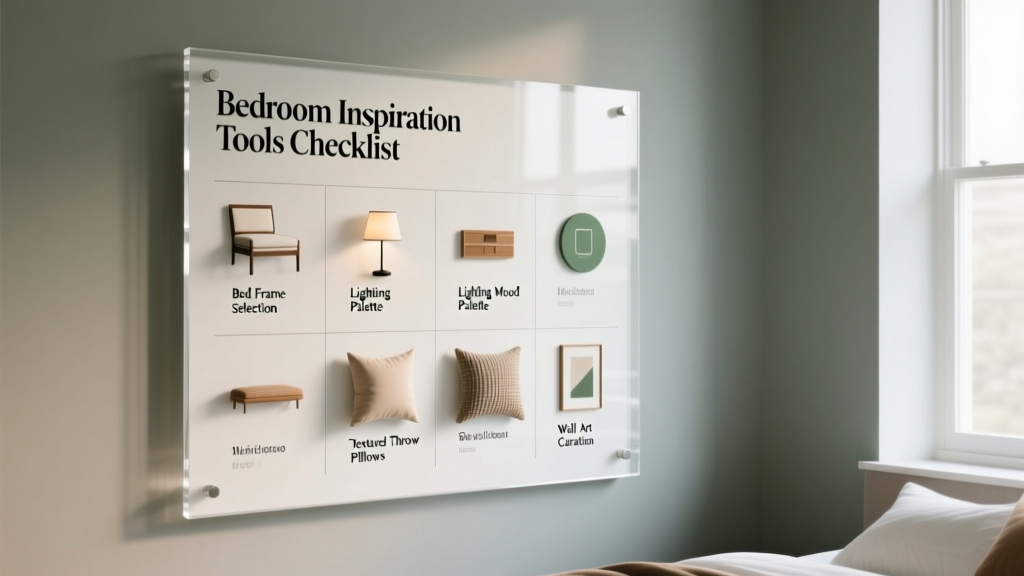 2026 Bedroom Design Toolkit: Practical Planner
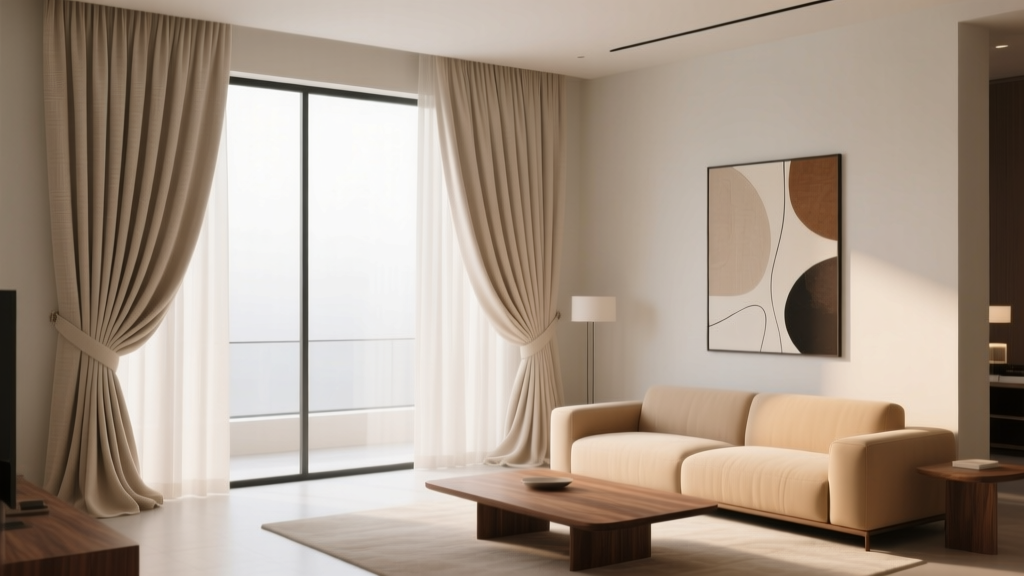 Best Swag Curtain Ideas for Living Rooms - The Decor Mag
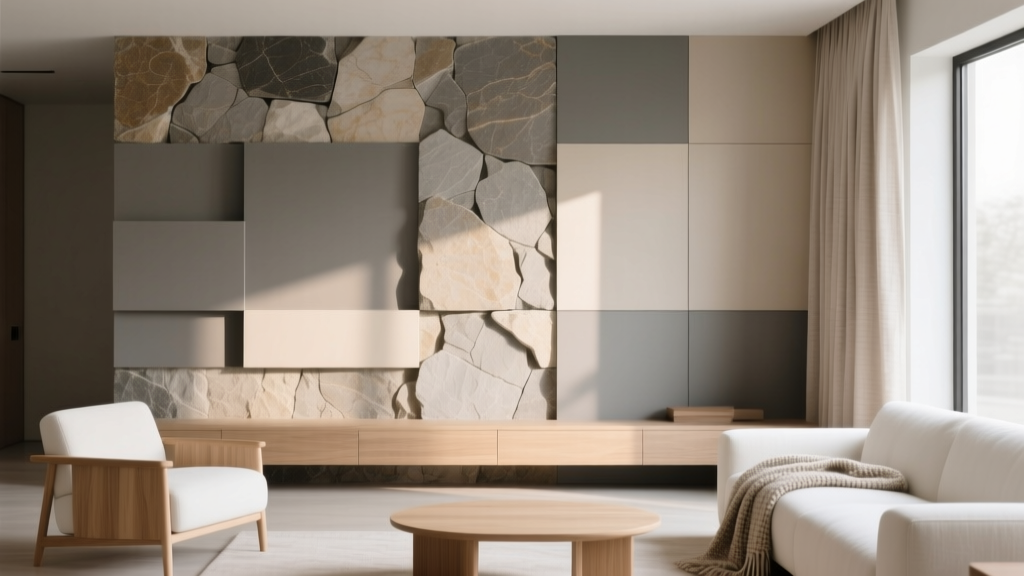 Living Room Textured Wall Ideas - The Decor Mag
 Reading Nook Ideas for Living Rooms (2026)
 Living Room Quiet Luxury Aesthetic - The Decor Mag
 Living Room Cozy Summer Evening Setup - The Decor Mag
 Wood Care Tips for Living Rooms in 2026
 Conversation Areas in Large Living Rooms (2026)
 Living Room Lighting Ideas (2026) | The Decor Mag
 Living Room Mediterranean Design Elements - The Decor Mag