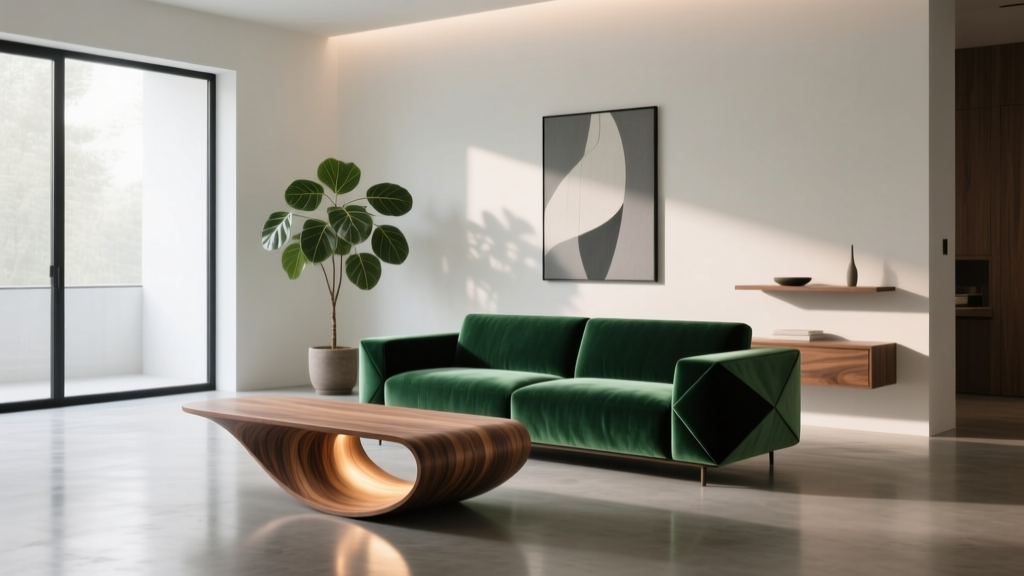
Living Room Statement Piece Furniture Guide - The Decor Mag
A living room can be perfectly “fine” and still feel forgettable. If you’ve ever looked around and thought, Why doesn’t this feel finished? the answer is often the same: the room doesn’t have a clear focal point. That’s where statement piece furniture comes in. One bold, well-chosen item can anchor the layout, set the mood, and make everything else—from your rug to your throw pillows—look more intentional.
The good news: a statement piece doesn’t have to mean expensive or oversized. It simply needs presence. This guide will help you choose the right statement furniture for your space, whether you’re styling a compact rental, refreshing a suburban family room, or furnishing a new home from scratch. You’ll learn how to pick a piece that fits your room’s measurements, complements your lifestyle, and aligns with both current living room design trends and timeless decorating principles.
We’ll cover the best statement pieces for living rooms, how to place them, what materials and colors work best, budget ranges, real-world scenarios, and common mistakes to avoid—so you can create a living room that feels pulled together and personal.
What Counts as a Statement Piece in a Living Room?
A statement piece is the furniture item that visually leads the room. It’s the first thing your eye lands on when you walk in, and the piece that other decor decisions follow. In living room decor, statement furniture typically has at least one of these qualities:
- Scale: larger than surrounding pieces (a deep sectional, oversized chair, substantial media console)
- Silhouette: a distinctive shape (curved sofa, sculptural coffee table, asymmetrical shelving)
- Material: standout finish (burl wood, marble, brushed brass, boucle, mohair, leather)
- Color/pattern: an intentional contrast (rust velvet sofa, striped chair, high-gloss lacquer)
- Craftsmanship: artisanal detail (fluted fronts, caning, carved wood, hand-tufting)
One statement piece is usually enough. Two can work if they’re related (for example, a bold sofa and a bold coffee table) and the rest of the room stays calmer.
Start Here: Measure Your Room and Choose Your “Anchor”
Key measurements that prevent costly mistakes
Before you fall in love with a sofa online, grab a tape measure. These guidelines help your statement furniture look intentional rather than squeezed in:
- Walkways: aim for 30–36 inches for main paths; 24 inches can work in tighter rentals
- Distance from sofa to coffee table: 14–18 inches
- Rug sizing: ideally, the rug is large enough for the front legs of all seating to sit on it
- TV viewing distance: a comfortable range is roughly 1.5–2.5x the TV diagonal (a 65" TV often feels best at about 8–11 feet)
- Ceiling height check: in rooms with 8-foot ceilings, very tall hutches or étagères can feel top-heavy unless balanced
Pick the anchor based on how you live
Your best statement piece depends on what your household actually does in the living room:
- Movie nights: statement sectional or media console
- Entertaining: statement sofa + sculptural coffee table
- Small-space lounging: statement loveseat or oversized chair-and-a-half
- Reading and relaxing: statement lounge chair + floor lamp pairing
- Kids/pets: durable statement upholstery (performance fabrics) rather than delicate materials
Best Living Room Statement Piece Furniture Ideas (and How to Style Them)
1) The Statement Sofa: The Fastest Way to Transform the Room
A sofa is the most common statement piece because it’s naturally the largest item in most living rooms. Current trends lean toward curved silhouettes, low-profile frames, and textural upholstery (boucle, chenille, mohair-like weaves). Timeless choices include a tailored track-arm sofa or a classic roll-arm in a durable fabric.
What to look for:
- Length: 72–84" works for many apartments; 84–96" suits medium rooms; 100"+ fits large rooms
- Seat depth: 21–23" for upright seating; 24–26" for lounging
- Upholstery: performance fabric for pets/kids; top-grain leather for longevity
Material recommendations:
- Performance polyester blends: stain-resistant and renter-friendly
- Leather: develops patina; avoid bonded leather for a long-term piece
- Boucle: cozy, on-trend; choose tight loop weaves if you have cats
Budget ranges:
- $800–$1,500: solid starter sofas, some performance fabric options
- $1,500–$3,500: better frames, upgraded cushions, more customization
- $3,500–$7,000+: premium upholstery, artisan details, heirloom construction
Styling tip: If your sofa is bold (emerald velvet, curved shape), keep surrounding pieces quieter: a neutral rug, simple curtains, and a restrained palette of pillows (2–4 max).
2) The Sculptural Coffee Table: Small Footprint, Big Impact
Coffee tables are perfect statement pieces for renters because they don’t require drilling, mounting, or reupholstering. Design trends favor organic shapes, stone finishes, and mixed materials.
Size guidance:
- Length: about 1/2 to 2/3 the length of your sofa
- Height: within 1–2 inches of the sofa seat height
Product-style recommendations (choose the look, not necessarily a single brand):
- Travertine or marble-look tables: elevated and timeless; consider sealed stone or high-quality faux stone for easier upkeep
- Rounded burl wood: warm, vintage-inspired, pairs beautifully with neutral upholstery
- Blackened metal + wood: great for modern, industrial, or moody living room design
Budget ranges:
- $150–$400: quality veneer, metal, or engineered stone looks
- $400–$1,200: better craftsmanship, solid wood options, unique silhouettes
- $1,200–$3,000+: genuine stone slabs, artisan woodwork
Real-world scenario: In a small city apartment with a standard 80" sofa, swapping a rectangular table for a 36–42" round sculptural table can make the walkway feel wider while still reading as a focal point.
3) The Accent Chair That Steals the Show
A statement accent chair adds personality without dominating the room. This is where you can take a risk with pattern, shape, or color—especially if your main sofa is neutral.
Trending choices with staying power:
- Barrel chairs: soft curves, space-efficient
- Wood-framed lounge chairs: mid-century inspired and timeless
- Swivel chairs: practical for open-concept living rooms
Placement tips:
- Angle the chair slightly toward the sofa to support conversation
- Leave 18–24 inches between chair and side table for comfortable reach
- Use a floor lamp behind or beside it to create a “reading zone”
Budget ranges:
- $250–$600: upholstered accent chairs in solid fabrics
- $600–$1,500: higher-quality cushions, performance upholstery, better frames
- $1,500–$4,000+: designer silhouettes, premium materials
4) The Media Console or Credenza: The Underestimated Statement Piece
If your living room revolves around a TV, your media console becomes the visual anchor whether you planned it or not. A beautiful piece here instantly upgrades the whole room. Look for fluted fronts, natural oak, cane, or lacquered finishes—all current trends that can also feel timeless when the form is simple.
Size guidance:
- Choose a console that’s at least 6–12 inches wider than your TV on each side (when possible)
- Typical console height: 20–28 inches depending on seating height
Practical must-haves:
- Ventilation for game consoles/streaming devices
- Cable management cutouts
- Closed storage to reduce visual clutter
Budget ranges:
- $200–$600: flat-pack consoles with good style; prioritize sturdy hardware
- $600–$2,000: solid wood veneers, better joinery, elevated finishes
- $2,000–$6,000+: solid wood, custom or designer craftsmanship
5) A Statement Bookcase or Étagère for Vertical Drama
When a room feels flat, go vertical. A substantial bookcase or open shelving unit adds height and personality—and gives you a place to display art, books, and collected objects.
Design tips:
- In a standard 8-foot room, look for shelving around 72–84 inches tall
- Anchor it visually with baskets or closed storage on the lower shelves
- Style with a simple formula: books + box + object + negative space
Material recommendations:
- Oak or walnut veneer: warm and forgiving with most palettes
- Powder-coated metal: crisp, modern, and durable
How to Choose the Right Statement Piece: A Simple 5-Step Plan
- Define your focal point. Is it the TV wall, a fireplace, a view, or the seating area?
- Choose one “hero” material or color. Examples: walnut, black metal, creamy boucle, deep green velvet.
- Balance scale. If your statement piece is large (sectional), keep side tables slimmer and lighting airy.
- Repeat the statement twice. Echo the material/color in two smaller ways (a frame, a pillow, a vase) to make it feel cohesive.
- Layer lighting. A statement piece looks better with at least two light sources nearby (floor lamp + table lamp, or sconce + lamp).
Real-World Living Room Scenarios (Steal These Ideas)
Scenario A: The Small Rental Living Room (No Painting, No Mounting)
- Statement piece: sculptural coffee table (36–42" round) or a standout accent chair
- Supporting cast: neutral slipcovered sofa, washable rug, plug-in floor lamp
- Why it works: the statement is portable and makes the room feel designed without permanent changes
Scenario B: Open-Concept Living Room That Feels “Floated”
- Statement piece: a substantial sectional (100–120") or a large, grounded rug (8x10 or 9x12)
- Supporting cast: slim-profile chairs, nesting tables, tall plant for vertical balance
- Why it works: the big statement anchors the space and creates a clear living zone
Scenario C: Family-Friendly Living Room That Still Looks Elevated
- Statement piece: performance fabric sofa in a warm neutral (camel, oatmeal, greige) or top-grain leather
- Supporting cast: storage ottoman, closed media console, indoor-outdoor rug
- Why it works: durability is built in, and the “statement” comes from texture and quality rather than fragile finishes
Common Mistakes to Avoid
- Going bold everywhere. If the sofa, rug, curtains, and coffee table all shout, the room feels chaotic. Pick one hero.
- Choosing the wrong scale. A tiny rug under a massive sectional makes the room feel unbalanced. Size the rug to the seating zone.
- Ignoring sightlines. Tall statement furniture placed where it blocks windows or walkways will always feel “off.”
- Forgetting function. A gorgeous coffee table that’s too delicate for daily use becomes a source of stress.
- Not sampling materials. Order fabric swatches and check undertones at different times of day (morning vs. evening light changes everything).
- Overcrowding with accessories. A statement piece needs breathing room. Edit the decor around it.
FAQ: Living Room Statement Piece Furniture
What is the best statement piece for a small living room?
A sculptural coffee table or a bold accent chair usually works best because it adds personality without consuming floor space. Look for rounded shapes to keep walkways comfortable.
Should my statement piece match the rest of my furniture?
It should coordinate, not match. Aim for one connecting element—wood tone, metal finish, or color family—then let the statement piece provide contrast.
How do I make a neutral living room feel more interesting?
Use texture and shape: a boucle chair, a burl wood coffee table, a fluted media console, or a curved sofa. Keep the palette calm and build depth through materials.
What’s a smart budget for a statement sofa?
Plan for $1,500–$3,500 for a noticeable jump in comfort and construction. If you need under $1,500, prioritize a durable fabric and a supportive seat, and keep the silhouette classic.
Can I have more than one statement piece in the living room?
Yes—if one is dominant and the other is supportive. For example, pair a bold sofa with a simpler rug, then add a sculptural coffee table in a coordinating material.
What statement piece works best with a TV as the focal point?
A standout media console or credenza. Choose one that’s wider than the TV, includes closed storage, and has a finish that complements your room (oak for warmth, black for contrast, fluting for texture).
Next Steps: Choose One Hero and Build Around It
Pick the one piece your living room will be known for—sofa, coffee table, accent chair, media console, or bookcase—then design outward with supporting textures, repeat accents, and comfortable spacing. Start with measurements, commit to a cohesive material story, and keep the rest of the room calm enough to let your statement shine.
For more living room design ideas, layout tips, and decorating inspiration, explore the latest guides and trends on thedecormag.com.
More Articles
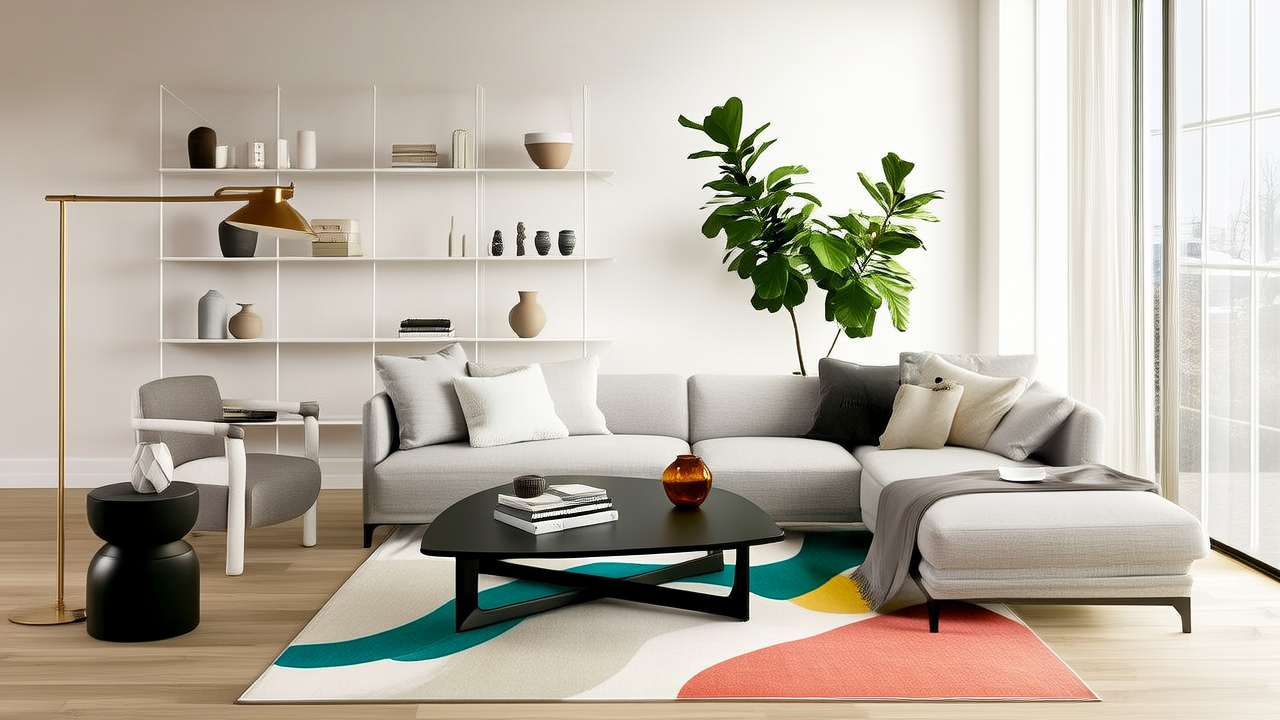 Best Outdoor Furniture for Comfortable Living
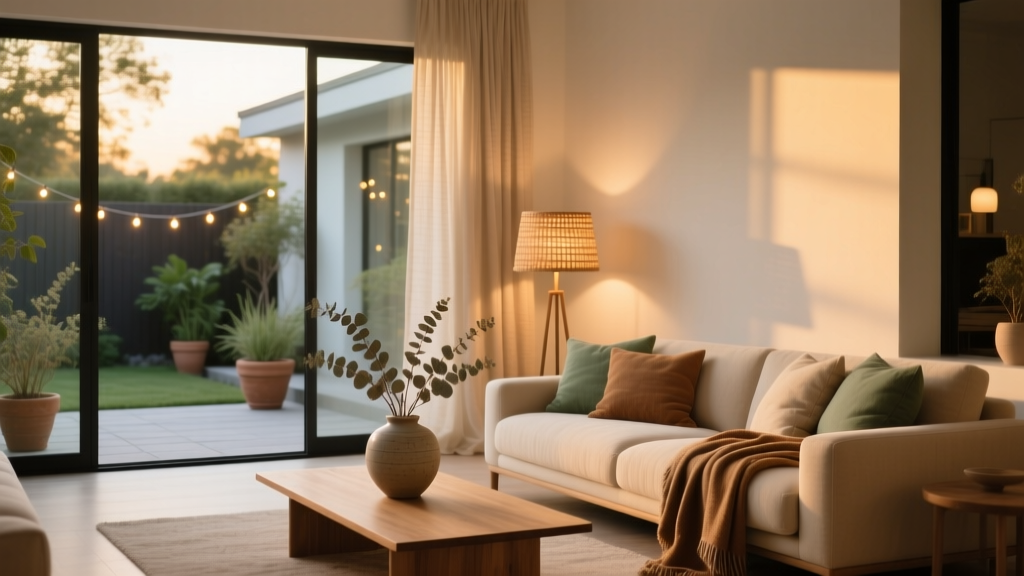 Living Room Cozy Summer Evening Setup - The Decor Mag
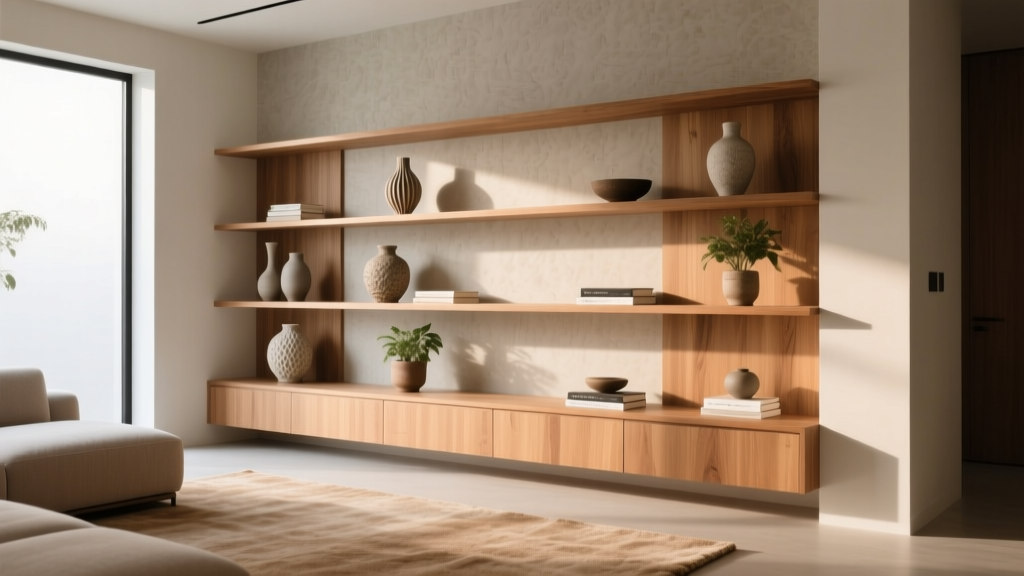 Living Room Built-In Shelving Ideas - The Decor Mag
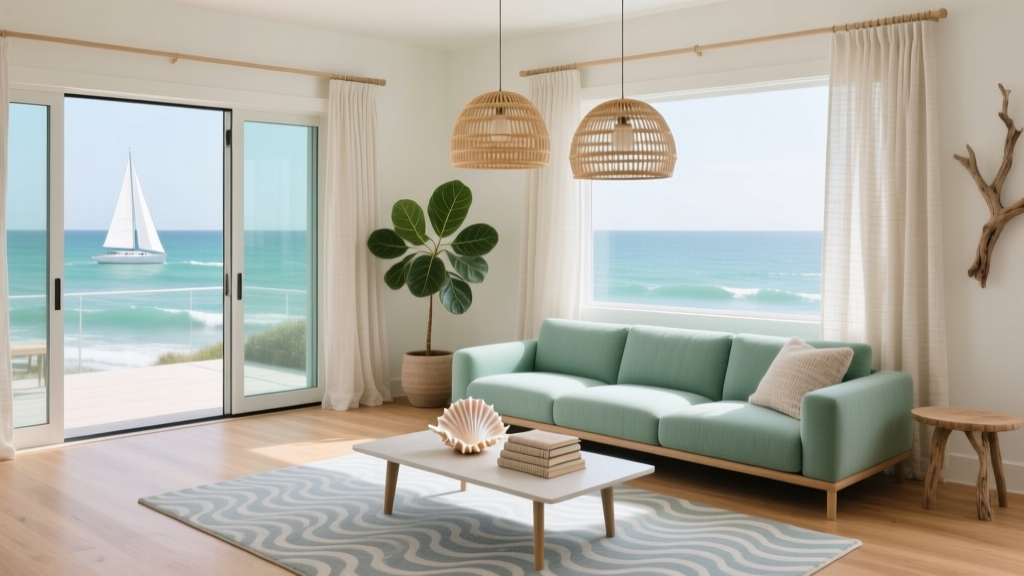 Coastal Living Room Decor Inspiration - The Decor Mag
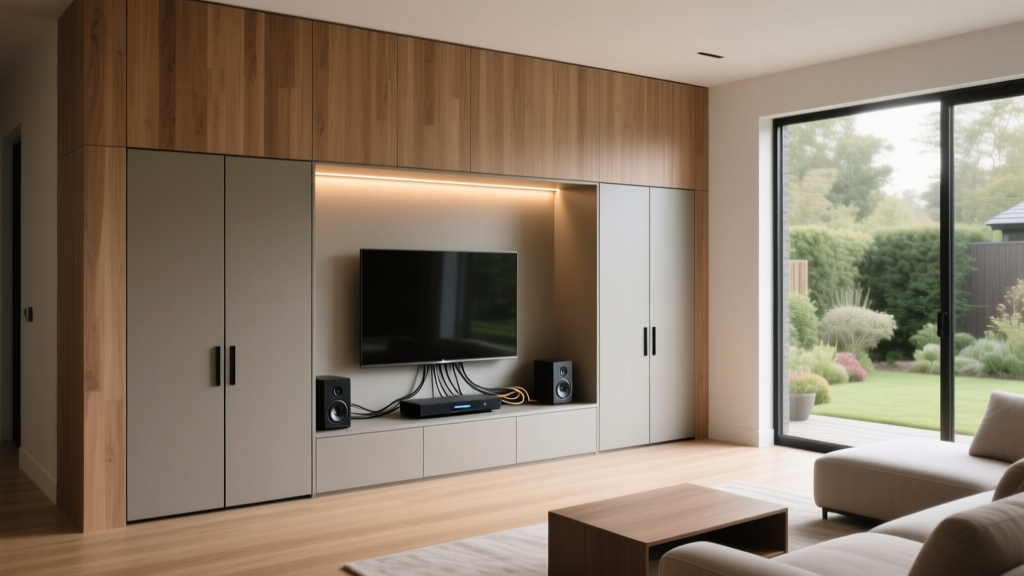 Living Room Entertainment Center Hideaway Ideas (2026)
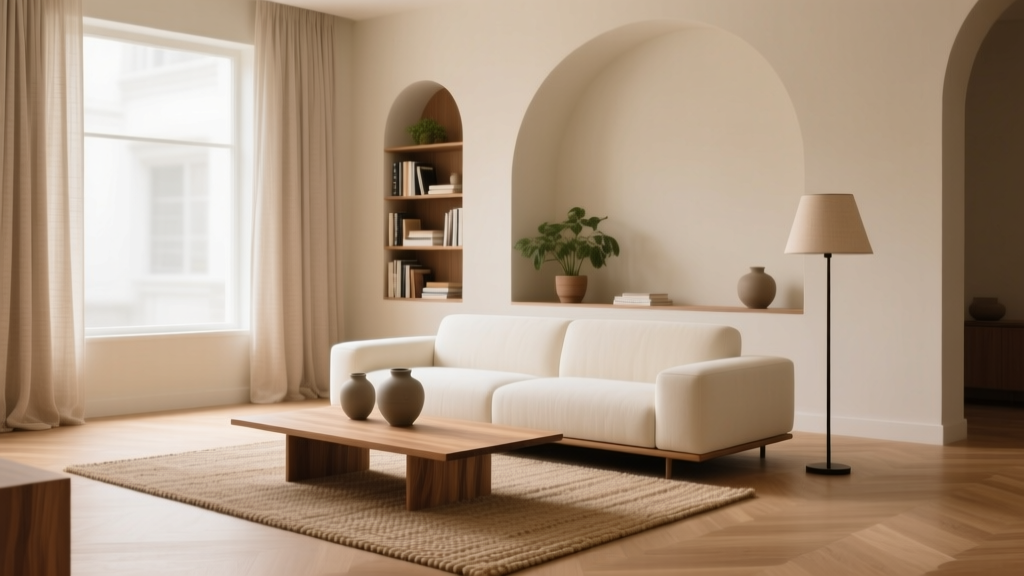 Living Room Neutral Color Scheme Ideas - The Decor Mag
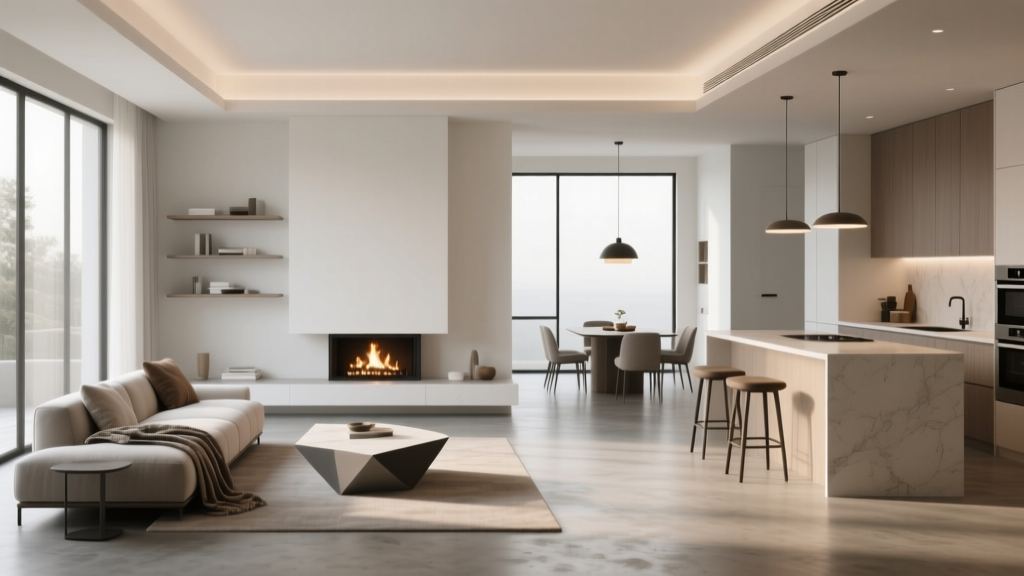 Open Concept Living Room Furniture Arrangement
 Living Room Home Office Combo Ideas - The Decor Mag
 How to Choose the Perfect Side Table - The Decor Mag
 Best Hidden Storage for Living Rooms (2026)