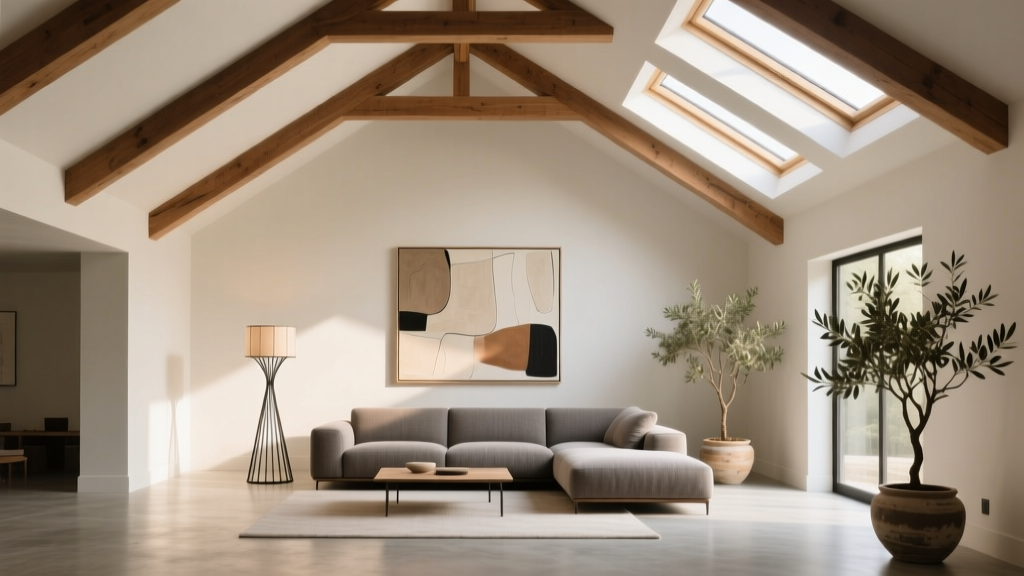
Living Room Vaulted Ceilings: Styling Tips (2026)
Vaulted ceilings can make a living room feel instantly more open, airy, and architectural—but that extra height can also be tricky to decorate. Many homeowners and renters love the drama of a cathedral or vaulted ceiling, then get stuck with the same questions: Why does the room still feel empty? How do I choose lighting that doesn’t look tiny? Where do I put art when the walls go on forever?
The good news: styling a living room with vaulted ceilings is less about “filling” the space and more about creating balance. When you use the right scale, lighting layers, and vertical design strategies, vaulted rooms become cozy, polished, and intentional—without losing that wow factor.
This guide walks you through practical, real-life ways to decorate and furnish a vaulted-ceiling living room. You’ll find specific measurements, material ideas, budget ranges, common mistakes to avoid, and room scenarios you can borrow—whether you’re working with a modern open-plan great room, a rustic A-frame, or a rental with limited permissions.
1) Start with the Room’s Architecture (and Decide What to Emphasize)
Vaulted ceilings come in a few common styles—cathedral (symmetrical slope), shed (single slope), barrel (curved), or exposed-beam variations. Your first decision is whether you want to highlight the height or visually bring it down for a cozier feel.
Quick style direction checklist
- Want a dramatic, airy look: keep walls lighter, use tall curtains, choose larger-scale lighting, and emphasize vertical lines.
- Want a warmer, cocooned vibe: add beams (real or faux), use deeper wall colors, layer textiles, and anchor with substantial furniture.
- Want a modern balance: mix clean-lined furniture with one or two bold vertical elements (a statement chandelier, tall art, or a full-height bookcase wall).
Real-world scenario
Open-plan great room with a vaulted ceiling: If your living room shares space with dining and kitchen, your goal is consistency. Repeat finishes (black metal, warm oak, brushed brass) across zones so the ceiling height feels intentional rather than chaotic.
2) Choose Furniture That Matches the Scale (Without Overcrowding)
The most common styling issue in vaulted-ceiling living rooms is undersized furniture. A small sofa and low coffee table can look “lost” under tall walls. The fix isn’t always bigger—it’s better proportion.
Practical sizing guidelines
- Sofa length: aim for 84–96 inches for most vaulted living rooms. In large great rooms, 100–120 inches or a sectional often fits better.
- Coffee table: about 1/2 to 2/3 the length of the sofa; height should sit 1–2 inches lower than the seat (typically 16–18 inches).
- Area rug: for balanced scale, choose 8' x 10' minimum in most rooms; 9' x 12' or larger for open plans. Front legs of all main seating should sit on the rug.
- Side tables: top should land within 1 inch of the sofa arm height for comfort and visual alignment.
What to buy (budget-friendly to investment)
- Large rug: $200–$600 (synthetic), $600–$1,500 (wool blend), $1,500+ (hand-knotted wool)
- Oversized sectional: $1,200–$2,500 (value), $2,500–$6,000 (mid-range), $6,000+ (custom)
- Statement coffee table: $150–$400 (metal/engineered wood), $500–$1,200 (solid wood or stone-look), $1,200+ (solid stone)
Material recommendations that feel current (and timeless)
- Performance fabric upholstery (great for families and pets; look for stain-resistant weaves)
- Solid oak or walnut for warmth and longevity
- Textured stone (travertine-inspired, limestone-look porcelain, or concrete) for modern organic style
- Blackened steel accents to define lines in tall spaces
3) Layer Lighting to “Occupy” the Vertical Space
Vaulted ceilings demand a lighting plan. Relying on a single ceiling fixture often leaves the room with dark corners and a cavernous feel. The best living room lighting combines ambient, task, and accent lighting so the space feels warm at eye level.
A simple 3-layer lighting plan
- Ambient: a statement chandelier or pendant that visually connects ceiling height to the seating area
- Task: floor lamps near reading spots, table lamps on consoles or side tables
- Accent: picture lights, wall sconces, or uplighting to highlight beams, art, or texture
Hanging height guidelines (the part most people guess wrong)
- Over a seating area: the bottom of a chandelier should typically hang 7–8 feet from the floor, or at least 12–18 inches above the tallest person’s head in the walking path.
- If centered above a coffee table: aim for 30–36 inches above the tabletop (only if the fixture is directly above the table and not in a main walkway).
- Chandelier size: add the room’s length + width (in feet) to get an approximate diameter in inches. Example: a 16' x 14' room → 30" diameter fixture.
Product-style recommendations
- Modern organic trend: oversized linen drum pendant, alabaster-style globe chandelier, or soft white paper lantern-style pendant (great for rentals if you can swap fixtures)
- Rustic vaulted ceilings: iron wagon-wheel chandelier, warm bronze lantern, or wood-and-metal beam-friendly fixtures
- Minimal vaulted living rooms: sculptural LED ring chandelier or a cluster of glass globes at varying heights
Pro tip: Put everything on dimmers. In tall spaces, dimming makes the room feel instantly more intimate at night.
4) Use Curtains and Window Treatments to Control Proportion
Windows in vaulted living rooms are often tall—or stacked—making standard curtain placement look awkward. The goal is to elongate gracefully without emphasizing odd angles.
Best curtain strategy for vaulted ceilings
- Mount curtain rods high: ideally 2–4 inches below the ceiling line (or below the beam) to make walls feel cohesive.
- Go wide: extend rods 8–12 inches past each side of the window frame so panels stack neatly and you maximize light.
- Choose the right length: panels should kiss the floor or puddle slightly (about 1–2 inches) for a softer, designer look.
Fabric picks that work beautifully in high-volume rooms
- Linen or linen-blend for relaxed, airy softness
- Velvet for echo reduction and warmth (great in rooms that feel “boomy”)
- Solar or woven wood shades layered with curtains for texture and light control
Budget range: Ready-made extra-long panels (96"–120") often run $30–$120 per panel. Custom drapery can range $800–$3,000+ depending on fabric and width.
5) Make the Fireplace (or TV Wall) Look Intentional
Many vaulted living rooms feature a fireplace as the natural focal point, but tall walls can make the mantle look undersized—or leave the TV floating awkwardly. A well-designed focal wall solves the “empty vertical space” problem without clutter.
3 focal wall approaches that work
- Full-height fireplace surround: extend stone, tile, or plaster to the ceiling. This creates a strong vertical line and looks high-end.
- Built-ins + fireplace: add symmetrical cabinetry or open shelving on both sides for visual weight and storage.
- Feature wall treatment: vertical wood slats, limewash, board-and-batten, or color drenching to unify the wall plane.
TV placement guidelines (so it doesn’t feel too high)
- Center of the TV should land roughly 40–44 inches from the floor when seated (adjust based on sofa height).
- If mounting over a fireplace, use a mantel-mount or choose a lower-profile fireplace when possible to reduce neck strain.
- Consider a Frame-style TV or a projection setup for a less tech-forward look in an architectural room.
6) Add Vertical Decor—But Keep It Curated
When walls soar, small art and short bookcases can feel out of proportion. The trick is to introduce a few tall elements, then let negative space do its job.
High-impact vertical decor ideas
- Oversized artwork: choose pieces at least 30–40 inches tall on large walls; for above a sofa, aim for art that spans 2/3 the sofa length.
- Large mirror: a 36" x 60" (or larger) mirror reflects light and makes the room feel more expansive.
- Tall plants: fiddle-leaf fig, olive tree, rubber plant, or bird of paradise in a 12–16 inch diameter planter.
- Statement shelving: one tall étagère or a bookcase that reaches 84–96 inches creates “middle height” in the room.
Real-world example
Rental with vaulted ceiling and blank walls: Use two tall bookcases (IKEA-style works) flanking the sofa, add a large leaning mirror behind a plant, and hang one oversized canvas with removable hooks. You’ll create height and symmetry without permanent changes.
7) Create Cozy “Zones” So the Room Doesn’t Feel Like an Echo Chamber
Vaulted spaces can feel like a lobby if everything is pushed to the perimeter. Zoning pulls the room down to human scale and improves flow.
Easy zoning strategies
- Float the furniture: pull the sofa 6–12 inches off the wall (or more in larger rooms) to avoid the “waiting room” perimeter effect.
- Add a console table behind the sofa: a 12–16 inch deep console provides a landing zone for lamps and decor.
- Use a pair of rugs in very large rooms: one for conversation, one for reading or a game table.
- Use screens or open shelving as subtle dividers in open-concept vaulted rooms.
Acoustics matter in vaulted living rooms
If the room sounds hollow, add soft materials:
- Wool or high-pile rugs with a quality rug pad
- Lined curtains (especially velvet or heavy linen)
- Upholstered seating (not all leather + glass)
- Textured wall elements like tapestries, woven art, or fabric panels
Common Mistakes to Avoid (and What to Do Instead)
- Mistake: Choosing a tiny light fixture that disappears overhead.
Do instead: Size up your chandelier and hang it lower (within safe clearance) to visually connect ceiling to seating. - Mistake: Hanging art too high to “match” the ceiling height.
Do instead: Hang art at eye level—center around 57–60 inches from the floor—and use larger pieces or grouped galleries. - Mistake: Using only recessed lighting.
Do instead: Add floor and table lamps plus accent lighting for warmth and depth. - Mistake: Pushing all furniture to the walls.
Do instead: Float seating on a properly sized rug and create a defined conversation zone. - Mistake: Ignoring scale with small rugs and small coffee tables.
Do instead: Start with an 8' x 10' or 9' x 12' rug and choose substantial tables that match the sofa’s proportions.
Step-by-Step Styling Plan (Works for Most Vaulted Living Rooms)
- Measure your room and ceiling height, including window dimensions and the main focal wall.
- Choose your anchor pieces: sofa/sectional, rug, and coffee table sized appropriately.
- Define the layout: float furniture when possible; ensure main walkways are 30–36 inches clear.
- Install or update the statement light (or swap in a better scale fixture if you’re able).
- Add curtains or layered window treatments mounted high and wide.
- Build your focal wall: fireplace surround, built-ins, or a feature treatment.
- Finish with vertical accents: tall art, a large mirror, tall plants, and sculptural decor.
- Layer in warmth: pillows, throws, textured ceramics, baskets, and books to soften the volume.
FAQ: Styling a Living Room with Vaulted Ceilings
How do I make a vaulted living room feel cozy?
Focus on warmth at eye level: a large rug, layered lighting with dimmers, substantial furniture, and soft textiles (curtains, pillows, throws). Deeper wall colors or a limewash finish can also visually “bring the ceiling down” without removing the airy feel.
What size chandelier works best for vaulted ceilings?
A reliable guideline is: (room length + room width in feet) = chandelier diameter in inches. Vaulted rooms can handle more volume, so if you’re between sizes, choose the larger option. Hang it around 7–8 feet from the floor when possible.
Should curtains go all the way to the ceiling in a vaulted room?
Mount rods 2–4 inches below the ceiling line (or below beams) and extend wider than the window. Floor-length panels create a tailored look and help the windows feel integrated with the room’s architecture.
How do I decorate tall walls without cluttering them?
Use fewer, larger items: oversized art, a large mirror, or a curated gallery with consistent spacing. Add one or two tall furniture pieces (a bookcase or étagère) and let negative space remain—vaulted rooms look best when the decor feels intentional, not filled.
Is it okay to paint a vaulted ceiling darker than the walls?
Yes—especially if you want a cozier mood. A darker ceiling can look striking in modern and rustic spaces, but balance it with layered lighting and lighter furnishings so the room doesn’t feel heavy. Matte finishes hide imperfections best on ceilings.
What are the best living room decor trends for vaulted ceilings right now?
Modern organic style (warm woods, soft whites, textured stone), sculptural lighting, limewash walls, and mixed metals are all popular. Timeless choices—like well-scaled furniture, classic neutral upholstery, and layered lighting—keep the look from feeling dated.
Wrap-Up: Your Next Steps
Vaulted ceilings are a design advantage when you style them with scale and intention. Start with the basics—right-size your rug and seating, plan layered lighting, and treat the focal wall as a feature. Then add a few vertical elements (not dozens) to bridge the gap between floor and ceiling. The result is a living room that feels both dramatic and comfortably livable.
- Measure your room and choose a rug size first (often 8' x 10' or larger).
- Upgrade lighting with a statement fixture + lamps on dimmers.
- Mount curtains high and wide for instant polish.
- Pick one vertical “hero” moment: full-height fireplace, tall art, or built-ins.
Want more ideas? Explore more living room design and decor inspiration on thedecormag.com—from layout guides to lighting trends and cozy finishing touches.
More Articles
 Mix Wood Tones in Living Room Furniture (2026)
 Living Room to Dining Flow: Design Tips (2026)
 Best End Table Pairings for Sofas - The Decor Mag
 Family-Friendly Living Room Ideas - The Decor Mag
 Modern Rustic Living Room Design - The Decor Mag
 Kid-Proof Living Room Furniture That Looks Chic
 Non-Toxic Paint Guide: Safe Colors for Every Room
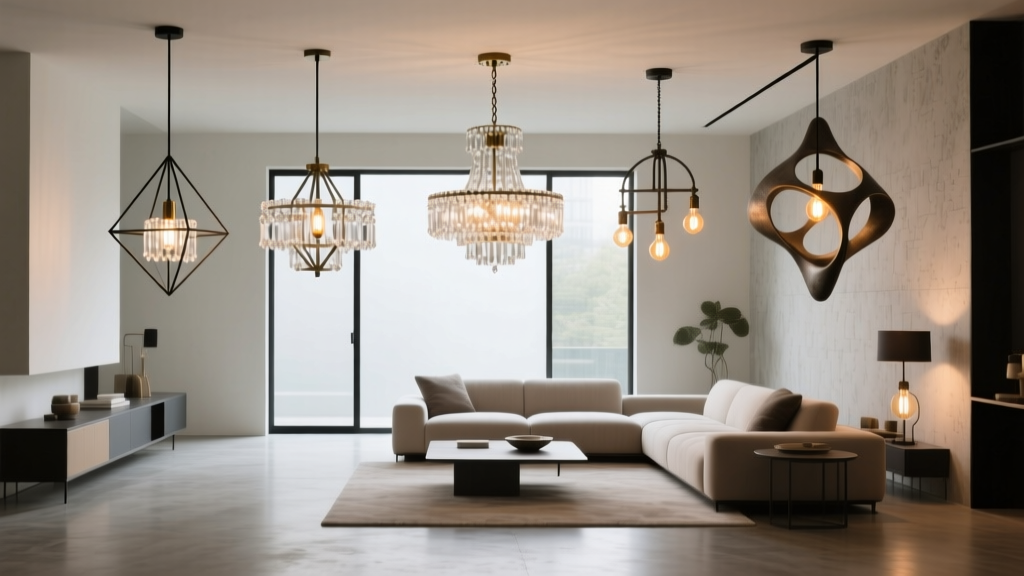 Best Chandelier Styles for Living Rooms - The Decor Mag
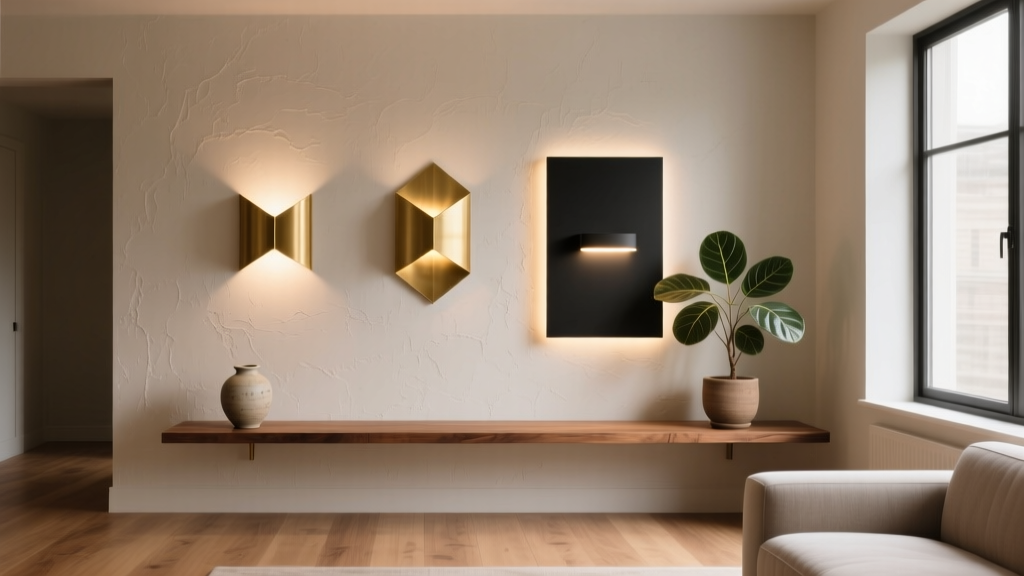 Best Sconce Lighting for Living Room Walls - The Decor Mag
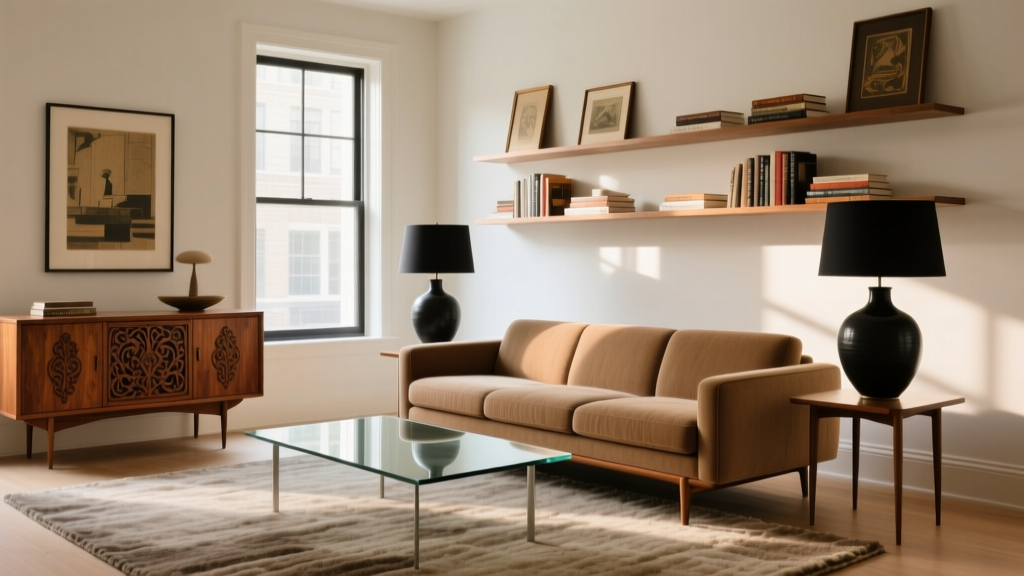 How to Mix Old and New in Living Room Decor - The Decor Mag