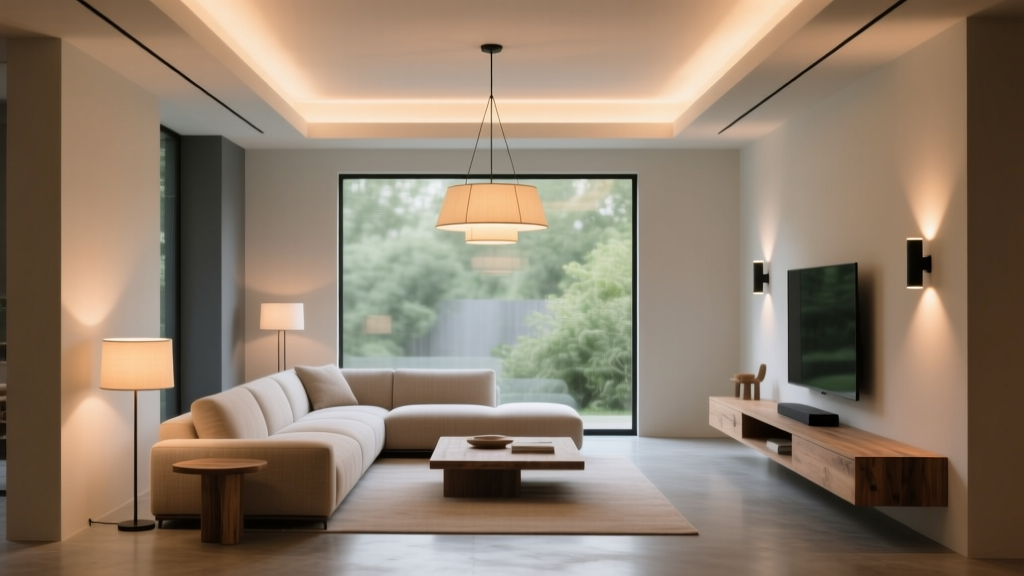
How to Layer Lighting in a Living Room - The Decor Mag
The living room is where life happens: movie nights, quick catch-ups over coffee, solo reading sessions, and everything in between. Yet many spaces rely on a single ceiling fixture (or worse, overhead glare from recessed lights) and wonder why the room feels flat, harsh, or strangely unwelcoming.
Layered lighting is the design fix that makes a living room feel intentional and comfortable. It’s the difference between a space that merely functions and one that adapts—bright for cleaning, soft for relaxing, focused for reading, flattering for entertaining. In this guide, you’ll learn how to build a lighting plan using ambient, task, and accent light; how to choose fixtures and bulbs; and how to avoid common lighting mistakes. You’ll also get real-world examples, practical measurements, and budget-friendly product ideas that work for both homeowners and renters.
What “Layered Lighting” Means (and Why Designers Swear by It)
Layering lighting simply means combining multiple light sources at different heights and intensities to create flexibility and depth. A well-lit living room typically uses three primary layers:
- Ambient lighting: the overall “base” illumination
- Task lighting: focused light for activities like reading or working
- Accent lighting: highlights art, architecture, or decor to add drama and dimension
The goal isn’t to add more light everywhere—it’s to add the right light in the right place, with controls that let you shift the mood.
Step-by-Step: How to Build a Living Room Lighting Plan
Step 1: Start With How You Actually Use the Room
Before shopping for a single lamp, map out your living room “zones.” Most living rooms include some combination of:
- Conversation zone (sofa + chairs)
- Media zone (TV + console)
- Reading nook (armchair + side table)
- Work-from-home corner (desk or dining table)
- Display zone (shelves, art, fireplace, plants)
Quick exercise: stand in each zone at night and ask, “What do I do here, and what light do I wish I had?” This prevents the classic mistake of buying pretty fixtures that don’t solve real needs.
Step 2: Set Your Ambient Layer (Your Base Glow)
Ambient lighting makes the room feel evenly lit and easy to navigate. You can create it with:
- Ceiling fixtures (semi-flush, flush mount, chandelier)
- Recessed downlights (best when paired with dimmers)
- Cove lighting or LED strip lighting (a current trend for a soft, architectural glow)
- Multiple floor and table lamps if you don’t have overhead wiring (common in rentals)
Practical targets:
- Lumens: Aim for roughly 1,500–3,000 lumens total for an average living room (about 150–300 sq ft), depending on natural light and wall color.
- Color temperature: Choose 2700K–3000K for a warm, inviting living room. (3000K is slightly crisper; 2700K is cozier.)
- Control: Put ambient light on a dimmer whenever possible. If hardwiring isn’t an option, use smart bulbs or plug-in dimmers.
Fixture height guideline: For a pendant or chandelier in a living room with standard 8-foot ceilings, keep the bottom of the fixture at least 7 feet above the floor in walkways. If it hangs over a coffee table (and not in a path of travel), you can go a bit lower—but keep it visually balanced and out of head-bump territory.
Step 3: Add Task Lighting Where You Need Precision
Task lighting is what makes a living room usable, especially for reading, puzzles, homework, or laptop time. It should be brighter and more directional than ambient light.
Where to place task lighting:
- Next to seating: Add a reading lamp beside the sofa or a chair.
- Behind or beside the sofa: A floor lamp can brighten the seating zone without taking up table space.
- At a desk or console: Use an adjustable desk lamp or swing-arm sconce (hardwired or plug-in).
Measurements that make task lighting work:
- Floor lamp for reading: The bottom of the shade should sit around 40–50 inches from the floor (adjust based on your seated eye level). Aim the light toward your book/shoulder, not your eyes.
- Table lamp on a side table: A reliable rule is that the lamp should be about 1.5x the height of the side table. Many living rooms do well with 24–32 inch tall lamps on 18–24 inch side tables.
- Desk/task lamp: Look for adjustable arms and a shade that directs light downward to reduce glare.
Product-style recommendations (with budget ranges):
- Adjustable floor lamp (arc or pharmacy style): $80–$350. Great for renters because it’s plug-in and flexible.
- Plug-in swing-arm sconce: $40–$200. Ideal for small spaces where a side table won’t fit.
- Table lamp with an opaque shade: $30–$250. Choose linen or cotton shades for a softer glow.
Step 4: Bring in Accent Lighting for Depth and “Designer” Feel
Accent lighting is what turns a nicely lit room into a memorable one. It adds contrast, highlights focal points, and makes the living room feel layered and curated—very aligned with current design trends like cozy minimalism, “quiet luxury,” and warm modern interiors.
Easy ways to add accent lighting:
- Picture lights above art
- Wall sconces to frame a fireplace or sofa wall
- LED strips behind a TV, under shelves, or along a media console (great for reducing TV glare)
- Uplights behind a plant or next to drapery for a soft wash
- Spotlights or track heads aimed at a textured wall or gallery wall
Placement tips that look intentional:
- Artwork lighting: Center a picture light over the frame and size it to about 1/2 to 2/3 the width of the art for balanced coverage.
- Sconces flanking a focal point: Mount the center of the sconce around 60–66 inches from the floor in most living rooms (adjust for ceiling height and fixture scale).
- Shelf lighting: Use warm LED strips (2700K–3000K) hidden behind a lip for a clean glow—aluminum channels help with heat dissipation and a smoother light line.
Choose the Right Bulbs: Warmth, Brightness, and Color Quality
Even beautiful fixtures can look wrong with the wrong bulbs. For living room lighting design, bulb specs matter.
- Color temperature (Kelvin): 2700K for cozy, 3000K for warm-clean. Try to keep the whole room consistent.
- Brightness (lumens):
- Table lamps: typically 450–800 lumens (one bulb)
- Floor lamps: 800–1600 lumens depending on shade and direction
- Accent lights: 200–500 lumens per point is often enough
- CRI (Color Rendering Index): Look for CRI 90+ so skin tones, art, and textiles look rich and natural.
- Dimmability: If you use a dimmer, confirm the bulb is labeled dimmable. Pair LED bulbs with LED-compatible dimmers to prevent flicker.
Mix Materials and Shade Styles for a Decor-Forward Look
Layered lighting isn’t just about function—it’s part of your decor. Mixing finishes adds depth, especially in living rooms where you want a collected feel.
Material ideas that work across styles:
- Brass + linen shades: timeless, warm, and works with traditional, transitional, and modern spaces
- Matte black + opal glass: crisp, modern, and great for high-contrast interiors
- Rattan or woven shades: a popular trend that softens light and adds texture (perfect for coastal, boho, and warm minimal spaces)
- Ceramic lamp bases: adds handcrafted character; especially good with earthy palettes
Shade rules of thumb:
- Linen/cotton shades diffuse light softly—ideal for living rooms.
- Opaque shades focus light up and down for mood.
- Clear glass shows the bulb—use decorative LED filaments and keep the Kelvin warm.
Real-World Lighting Scenarios (So You Can Copy What Works)
Scenario 1: Small Rental Living Room with No Overhead Light
Problem: Dim room, only one outlet, and the landlord doesn’t allow hardwiring.
Solution lighting plan:
- Ambient: Use two lamps instead of one. Add a torchiere-style floor lamp (uplight) plus a table lamp on a console or side table.
- Task: Add a reading floor lamp with an adjustable head next to the sofa.
- Accent: Add battery picture lights over art or plug-in LED strips behind the TV.
Budget range: $150–$500 total, depending on whether you choose basic big-box options or upgraded designer-look pieces.
Pro tip for rentals: Use a smart plug or foot-switch floor lamps so you can control multiple lights easily without rewiring.
Scenario 2: Open-Plan Living Room Where the Sofa “Floats”
Problem: Overhead lights create glare and the seating area feels disconnected.
Solution lighting plan:
- Ambient: Keep recessed lights on a dimmer for general use, but don’t rely on them for mood.
- Task: Place a floor lamp behind the sectional or a console table behind the sofa with two matching table lamps (this anchors the floating furniture layout).
- Accent: Add sconces or a picture light to create a focal wall, helping the seating zone feel “placed.”
Budget range: $300–$1,200 depending on whether you add sconces and upgraded lamps.
Scenario 3: Family Living Room That Needs to Do Everything
Problem: The room shifts from homework to playtime to movie nights, and lighting never feels right.
Solution lighting plan:
- Ambient: A dimmable ceiling fixture or dimmable recessed lights.
- Task: A bright reading lamp near the sofa plus a dedicated lamp near the homework spot.
- Accent: Soft LED behind the TV and a lamp on a shelf to keep the room cozy at night.
Control strategy: Put lights on two to three circuits (or use smart bulbs grouped by “scene”): Cleaning, Everyday, Movie Night.
Common Living Room Lighting Mistakes (and How to Fix Them)
- Relying on one overhead light: Add at least two additional light sources at different heights (table + floor is an easy pair).
- Bulbs that are too cool (4000K+): Swap to 2700K–3000K for a warmer, more flattering living room.
- No dimmers or control options: Use wall dimmers, smart bulbs, or plug-in dimmers so the room can shift with the time of day.
- Glare on the TV: Avoid aiming recessed lights at the screen; add bias lighting (LED strip) behind the TV for comfort.
- Lamps that are the wrong scale: If your lamp looks tiny next to a sofa arm, go taller or wider. Many living rooms need substantial shades (12–16 inches wide) for visual balance.
- Mixing mismatched color temperatures: A 5000K bulb in one lamp and 2700K elsewhere makes the room look “off.” Keep Kelvin consistent.
Quick Checklist: A Simple Layered Lighting Formula
If you want a straightforward blueprint for most living rooms, aim for:
- 1 ambient source (ceiling fixture or multiple lamps that provide overall glow)
- 1–2 task sources (reading lamp + desk lamp if needed)
- 1–3 accent sources (picture light, LED strips, sconces, or a small uplight)
- At least one dimmer (or smart control)
FAQ: Layering Lighting in a Living Room
How many lamps should a living room have?
Most living rooms feel best with 2–4 lamps, depending on size and layout. A common setup is one table lamp + one floor lamp, then add a second table lamp or accent light if the room still feels flat.
What’s the best color temperature for living room lighting?
2700K is a classic “soft warm” choice for cozy living rooms. If you prefer a slightly cleaner look (especially in modern interiors), choose 3000K. Try to keep all bulbs in the same Kelvin range for a cohesive feel.
Are recessed lights enough for a living room?
Recessed lights help with general illumination, but on their own they often create a “ceiling spotlight” effect. Pair them with lamps and accent lighting for depth, comfort, and better mood lighting.
How do I light a living room with no overhead fixture?
Use a combination of floor lamps (including an uplight) and table lamps to create ambient light, then add a reading lamp for task lighting. Plug-in sconces and battery picture lights are great renter-friendly accent options.
What type of lighting is best for watching TV?
Avoid bright overhead lights reflecting on the screen. Use soft lamps behind or beside seating and add LED bias lighting behind the TV (2700K–3000K) to reduce eye strain and improve contrast.
Do I need to match all my lighting finishes?
No—mixing finishes looks more curated. Keep it cohesive by repeating each finish at least once (for example, brass in a floor lamp and a picture light, matte black in curtain rods and sconces).
Your Next Steps: Make Layered Lighting Happen This Week
If you want a living room that feels warmer, more functional, and more “designed,” start small and build:
- Replace bulbs with matching 2700K–3000K, CRI 90+ LEDs.
- Add one task light where you read or work most.
- Add one accent light to highlight art, shelves, or a plant.
- Put your main lights on dimmers (or use smart plugs/bulbs if you rent).
Once your lighting is layered, your furniture, wall color, and decor instantly look better—because you’re finally seeing them in the right light.
For more warm, practical living room ideas—from layout tips to decor trends and shopping guides—explore the latest inspiration on thedecormag.com.
More Articles
 Best Small Precision Tools for Modern Living Spaces 2026
 Best Furniture for First Home in 2026: Smart & Sustainable
 Warm, Sustainable Wood Living Spaces for 2026
 How to Style a Living Room for the Holidays - The Decor Mag
 Smart Space Allocation for Real Homes in 2026
 Bathroom Essentials 2026: Fixtures & Smart Upgrades
 The Best Throw Pillows for Every Season - The Decor Mag
 Best Swag Curtain Ideas for Living Rooms - The Decor Mag
 Best Pendant Lighting for Living Rooms - The Decor Mag
 Living Room Curated Collections Display - The Decor Mag