
Living Room Window Seat Ideas - The Decor Mag
A window seat is one of those rare living room upgrades that feels both practical and a little magical. It can turn a “fine” room into a space that’s truly lived in—where you read on Sunday mornings, sip coffee while the world moves outside, or squeeze in extra seating when friends drop by.
For homeowners, a well-designed window seat can add built-in charm and even boost perceived home value by making the room feel more custom. For renters, a window seat-inspired setup (think: a bench plus tailored cushions) can deliver the same cozy effect without permanent changes. Either way, you’ll gain a hardworking spot that blends living room decor with everyday comfort.
Below, you’ll find living room window seat ideas for different layouts and budgets, plus measurements that actually work, material recommendations, styling tips, and common mistakes to avoid. Whether your vibe is modern, traditional, coastal, or cozy contemporary, there’s a window seat approach that can fit your space.
Start Here: What Makes a Window Seat Comfortable (Not Just Cute)
Before choosing fabrics or built-ins, nail the fundamentals. A window seat should feel like the best seat in the room—not an afterthought.
Window Seat Measurements That Work
- Seat height: 18–20 inches from the finished floor (matches most dining chairs and feels natural for most adults).
- Seat depth: 18–22 inches for upright lounging; 24 inches if you want to curl up (add back pillows to keep it comfy).
- Cushion thickness: 2–4 inches is the sweet spot. Choose high-density foam (2.5 lb density or higher) for longevity.
- Back support: Plan for 16–20 inches of pillow height if there’s no wall behind you (especially important for bay windows).
- Clearance around the seat: Aim for 30–36 inches of walkway space in front of the seat so it doesn’t choke traffic flow.
Comfort + Performance Materials
- Fabric: Performance linen blends, Crypton, solution-dyed acrylic (great for sun), or tightly woven cotton twill.
- Cushion insert: High-density foam wrapped in polyester batting for a softer feel without sagging.
- Window seat base: Painted MDF for budget builds, plywood for durability, or hardwood for a premium built-in look.
- Sun protection: If the window gets strong light, pick UV-resistant fabric and consider a lined Roman shade to reduce fading.
Built-In vs. Freestanding: Choose the Right Approach for Your Living Room
Your best option depends on whether you own or rent, how permanent you want the project to be, and whether the window area has usable depth.
Built-In Window Seats (Best for Homeowners)
Built-ins look seamless, maximize storage, and can be customized wall-to-wall. They’re ideal for bay windows, large picture windows, and awkward corners that feel unfinished.
Typical budget range:
- DIY basic built-in: $300–$900 (materials + foam + fabric)
- Carpenter or custom millwork: $2,000–$8,000+ depending on length, drawers, trim details, and paint grade vs. stain grade
Freestanding “Window Seat Look” (Ideal for Renters)
A bench, a storage ottoman, or a low bookcase can mimic a window seat without drilling into the walls. Add a custom-fit cushion (or even a twin mattress topper cut to size) and you’re there.
Typical budget range:
- Budget bench + cushions: $120–$400
- Higher-end bench + custom cushion: $500–$1,500
Living Room Window Seat Design Ideas (By Style and Function)
1) The Storage Window Seat: Hidden Space for Blankets, Games, and More
If your living room tends to collect throws, toys, or extra pillows, a storage window seat is a game-changer. Choose a lift-up top for large items or drawers for easy access.
Design tips:
- Lift-top storage works best if you have space in front of the seat to open it easily.
- Drawers are more convenient in tight living rooms (no cushion juggling).
- Use soft-close hinges to prevent slamming and protect fingers.
Real-world scenario: A family living room with open shelving can feel visually busy. A window seat with closed storage keeps the space looking calmer while still housing board games, extra charging cords, and seasonal decor.
2) The Reading Nook Window Seat: A Cozy Corner That Looks Intentional
To create a true reading nook, you need lighting, support pillows, and a surface for a mug. This is where a window seat becomes more than seating—it becomes a destination.
Step-by-step reading nook setup:
- Add layered lighting: a plug-in sconce or floor lamp beside the seat (2700K warm bulbs for cozy light).
- Use 2–3 pillows: one lumbar (about 12x20 inches) and one or two 20x20s for back support.
- Include a small surface: a 10–14 inch round side table or a narrow C-table.
- Finish with a soft throw: chunky knit in winter, lightweight cotton in summer.
Trend meets timeless: Curved forms are trending, so consider a rounded-edge cushion or a soft bolster pillow—easy updates that still feel classic.
3) The Bay Window Bench: Make the Architecture Shine
Bay windows naturally frame a window seat beautifully. The trick is getting the cushion shape right and keeping the styling simple enough to let the architecture lead.
Bay window cushion tips:
- Use a paper template to capture angles; custom cushions look cleaner than piecing together multiple rectangles.
- Consider two cushions instead of one large cushion if the span is over 72 inches—easier to handle and rotate for wear.
- Choose a piping detail for a tailored, designer finish.
Budget guide: Custom bay window cushions often run $250–$900 depending on size, foam quality, and fabric choice.
4) The Modern Minimal Window Seat: Clean Lines, Quiet Luxury
If you love modern living room decor, keep the palette controlled and the silhouette crisp. A simple slab-style cushion and streamlined storage fronts feel fresh and architectural.
What works best:
- Colors: warm white, taupe, charcoal, or muted olive
- Materials: matte painted finish, light oak veneer, or a microcement-look surface
- Window treatments: flat Roman shades or ripple-fold curtains hung high and wide
Product-style recommendation: Look for performance upholstery fabric in a subtle texture (bouclé-inspired weaves are popular) but prioritize durability—choose a high rub count (15,000+ double rubs for everyday use).
5) The Classic Built-In with Bookcases: A Living Room Focal Wall
Pairing a window seat with built-in shelves creates a polished focal point that’s both practical and timeless. It also helps balance a living room layout when the window wall feels bare.
Proportions to aim for:
- Base cabinet depth: 15–18 inches for shelves; 18–24 inches for a true seat
- Shelf spacing: 10–12 inches between shelves for a mix of books and decor
- Trim detail: match your existing baseboards for a “this was always here” look
Real-world scenario: In a long, narrow living room, built-ins around a window can anchor the far end, making the room feel finished and pulling seating arrangements together.
6) The Renter-Friendly Window Seat Hack: Bench + Cushion + Curtain Trick
No built-ins? No problem. A low bench placed under a window can deliver the same cozy effect, especially when paired with the right textiles.
Easy rental setup:
- Choose a bench length that’s 2–6 inches shorter than the window trim width so it looks intentional.
- Add a non-slip rug pad under the cushion to reduce sliding.
- Hang curtains 6–10 inches above the window frame and wider than the frame to make the window feel larger.
Budget range: $150–$600 depending on the bench and whether you choose a custom cushion cover.
Styling Your Window Seat Like a Designer
Once the seat is built (or placed), styling is what makes it feel integrated with the rest of your living room design.
Pillow and Cushion Formula
- Small seat (under 48 inches): 2 pillows (one 20x20 + one lumbar)
- Medium seat (48–72 inches): 3 pillows (two 20x20 + one lumbar)
- Large seat (72+ inches): 4–5 pillows (mix 22x22s, 20x20s, and a lumbar)
Color and Pattern Tips That Don’t Overwhelm the Room
- If your living room already has pattern (rug or curtains), keep the window seat cushion mostly solid.
- If your room is neutral, use the window seat to introduce a subtle pattern like a small stripe, gingham, or a soft botanical.
- Repeat one accent color from elsewhere in the room (art, rug, or throw) to make the window seat feel cohesive.
Window Treatments That Pair Well with Window Seats
- Roman shades: clean and tailored; ideal for a reading nook where curtains might bunch on the seat.
- Sheers + drapery panels: layered look that softens the wall; great for traditional and transitional living rooms.
- Woven wood shades: warm, textured, and popular right now—especially with coastal, organic modern, and earthy palettes.
Common Mistakes to Avoid
- Making the seat too deep: Over 24 inches without back pillows tends to feel awkward and hard to sit in comfortably.
- Choosing the wrong foam: Low-density foam flattens quickly. Spend a little more on high-density foam for a cushion that lasts.
- Ignoring heat sources: Don’t block baseboard heaters or radiators. Leave a vented gap or use a slatted front if needed.
- Skipping sun considerations: Direct sun can fade fabrics fast. Choose UV-resistant textiles or add lined shades.
- Forgetting outlet access: If you’ll charge a phone or run a lamp, plan an outlet nearby (or use a cord channel for a cleaner look).
- Overcrowding the seat with decor: A window seat should invite sitting. Keep styling minimal enough that it stays functional.
Quick Product Recommendations (What to Look For When Shopping)
- Performance upholstery fabric: stain-resistant, tightly woven, and rated for everyday use (15,000+ double rubs).
- Foam inserts: high-density foam (2.5 lb+), 3–4 inches thick for the main cushion.
- Non-slip grip: rug pad material cut to cushion size to prevent sliding.
- Storage hardware: soft-close hinges or drawer slides (especially in family homes).
- Washable covers: zipper closures make cleaning easier—particularly in pet-friendly living rooms.
FAQ: Living Room Window Seat Ideas
How much does a living room window seat cost?
A simple renter-friendly bench setup can cost $150–$600. A DIY built-in is often $300–$900. Custom carpentry with drawers and trim typically ranges from $2,000–$8,000+ depending on size and finish level.
What is the best depth for a window seat?
Most people find 18–22 inches comfortable for sitting. If you want a curl-up lounging spot, 24 inches works well—just plan for back pillows so the seat doesn’t feel too deep.
How do I keep a window seat cushion from sliding?
Use a non-slip rug pad underneath, add upholstery-grade Velcro strips (if allowed), or choose a cushion with ties. A snug, boxed cushion with piping also helps it stay put.
Are window seats a good idea for small living rooms?
Yes—window seats can replace bulky chairs and add storage. Keep the profile streamlined, maintain at least 30 inches of walking clearance, and use light-to-medium colors to avoid visual heaviness.
What fabric holds up best for a window seat in direct sunlight?
Solution-dyed acrylic and other UV-resistant performance fabrics handle sunlight well. Pair them with lined shades or curtains to reduce fading and heat buildup.
Can renters create a window seat without drilling?
Absolutely. Use a freestanding bench or low cabinet, add a custom cushion, and rely on styling (pillows, curtains hung with removable hardware, and a small side table) to get a built-in look.
Your Next Steps: Plan, Measure, Then Make It Yours
Start by measuring your window wall and deciding whether you want storage, a reading nook vibe, or simply extra seating. Use the comfort guidelines (18–20 inch seat height, 18–22 inch depth, supportive pillows) and choose durable, sun-smart materials. From there, styling is your secret weapon—one great cushion, a few well-chosen pillows, and the right window treatment can make the whole living room feel more finished.
If you’re ready for more cozy, practical upgrades, explore more living room ideas, layouts, and decor inspiration on thedecormag.com.
More Articles
 Living Room Polished Casual Style - The Decor Mag
 Console Table Behind Sofa: Styling Ideas (2026)
 Warm, Sustainable Wood Living Spaces for 2026
 Living Room Textured Wall Ideas - The Decor Mag
 7 Living Space Design Mistakes to Avoid
 2026 Bedroom Design Toolkit: Practical Planner
 How to Choose the Right Coffee Table Height - The Decor Mag
 Living Room Mediterranean Design Elements - The Decor Mag
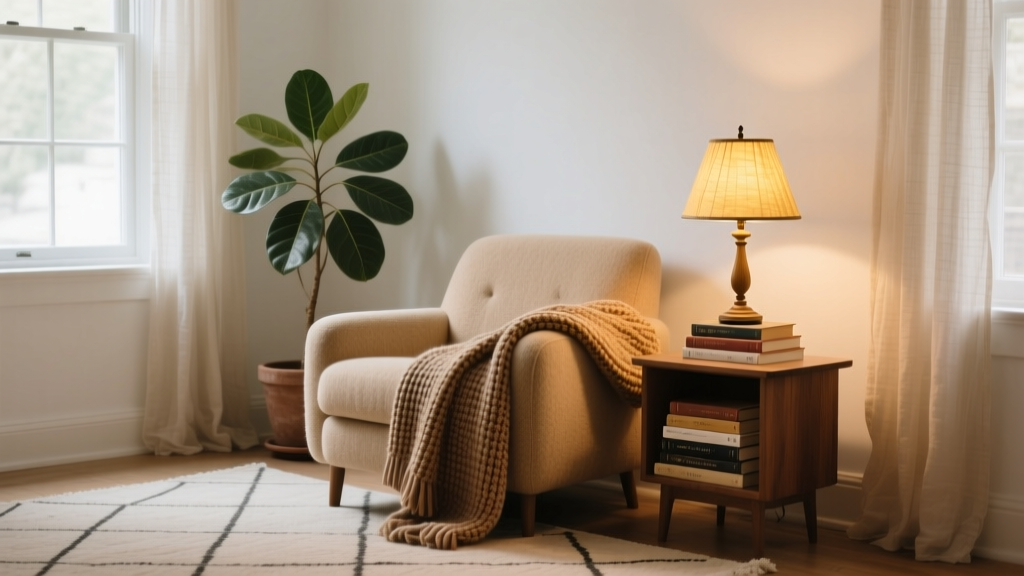 Cozy Reading Nook Ideas: Soul-Warming Spaces (2026)
 Living Room Cozy Fall Decorating Ideas - The Decor Mag