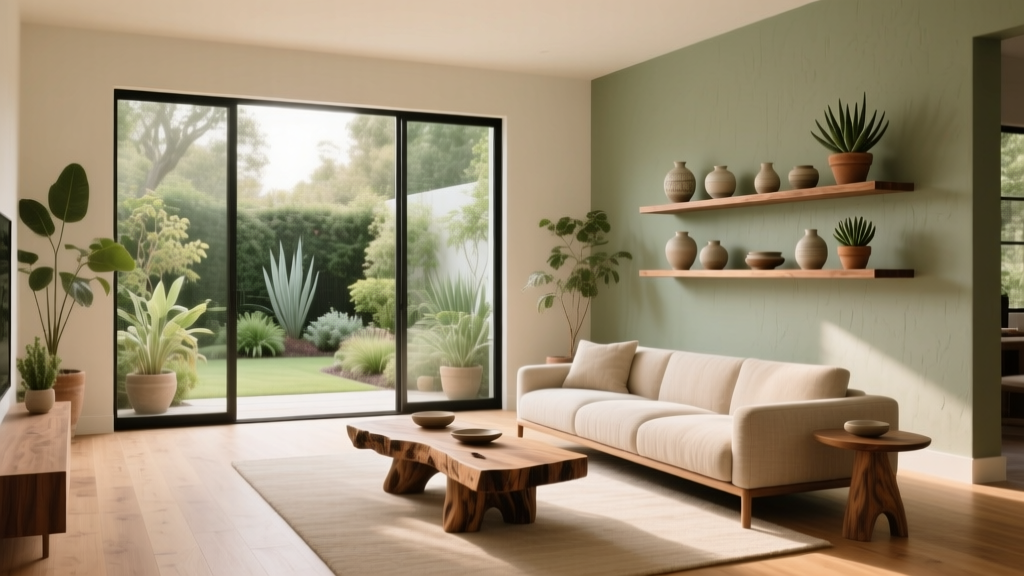
Living Room Organic Modern Style - The Decor Mag
Organic modern style has become a favorite in living room design for a simple reason: it feels calm without looking boring, and elevated without feeling precious. It blends modern clean lines with natural materials, soft textures, and warm, livable colors—so your space looks curated but still welcomes real life (kids, pets, movie nights, and all).
If you’ve ever loved the look of a modern living room but worried it might feel stark, or you’re drawn to earthy interiors but don’t want a space that reads “rustic,” organic modern is the sweet spot. This guide breaks down how to create the look in a way that works for homeowners and renters, whether you’re refreshing one wall or rethinking the entire layout.
You’ll learn the foundational elements—color palette, furniture shapes, lighting, textiles, and styling—plus practical measurements, budget ranges, and real-world examples so you can translate inspiration into a living room that feels like you.
What Is Organic Modern Living Room Style?
Organic modern design is a blend of:
- Modern principles: clean silhouettes, uncluttered layouts, intentional negative space, functional furniture.
- Organic elements: wood, stone, clay, linen, wool, leather, greenery, and natural light.
- Warm minimalism: fewer items, but better materials and more tactile comfort.
Think: a streamlined sofa with a slipcovered linen feel, a rounded wood coffee table, a textured wool rug, sculptural lighting, and a restrained palette of warm whites, sand, taupe, and soft black accents.
The Core Ingredients of an Organic Modern Living Room
1) A Warm, Natural Color Palette
Organic modern living rooms typically start with warm neutrals and layered earth tones. This is where the “organic” comes through—colors that look like they came from nature.
- Base: warm white, cream, ivory, light greige
- Mid-tones: oatmeal, sand, camel, warm taupe
- Accents: charcoal, soft black, olive, terracotta, muted rust
Practical tip: If you’re painting, choose a warm white with a soft undertone. Cool whites can feel clinical against natural wood. For most living rooms, a low-sheen finish (eggshell or matte) reads more organic than semi-gloss.
2) Natural Materials That Age Beautifully
Material selection is where organic modern style goes from “neutral living room” to a space with depth. Prioritize tactile, real-feeling surfaces.
- Wood: white oak, ash, walnut (matte or satin finish)
- Stone: travertine, limestone, soapstone (even stone-look porcelain can work)
- Textiles: linen, cotton, wool, bouclé, jute/sisal (use jute thoughtfully—see mistakes below)
- Metals: blackened steel, brushed nickel, aged brass (keep it subtle, not shiny)
- Ceramics: matte pottery, hand-thrown vases, clay lamps
Budget range: You can get the look affordably with a few key swaps. For example, a quality textured rug is often a better investment than multiple small decor pieces.
3) Modern Shapes + Softer Lines
Organic modern furniture keeps clean lines but avoids harsh edges. Look for rounded corners, soft curves, and inviting proportions.
- Sofas with squared arms but plush cushions
- Rounded coffee tables or oval tops
- Low-profile media consoles with simple fronts
- Occasional chairs with sculptural frames (wood or upholstered)
Proportion tip: In most living rooms, a sofa between 84–96 inches long suits the space without overpowering it. For smaller rooms, 72–84 inches can still feel substantial if paired with a larger rug and fewer extra pieces.
Step-by-Step: How to Create the Organic Modern Look
Step 1: Start With the Layout (Flow First)
Organic modern living rooms feel calm because the layout is intentional. Before shopping, measure and map your room.
- Walkway clearance: aim for 30–36 inches for main paths.
- Coffee table distance: keep 14–18 inches between the sofa and coffee table for comfortable reach.
- Rug placement: front legs of all seating should sit on the rug, ideally with 8–12 inches of rug extending beyond the sofa sides.
Common sizing guide:
- Small living room: 5' x 8' (minimum, but often feels skimpy)
- Most living rooms: 8' x 10'
- Larger/open plan: 9' x 12' or 10' x 14'
Step 2: Choose a “Quiet” Anchor Sofa
Your sofa sets the tone. Organic modern favors solid upholstery in textured fabrics: performance linen blends, bouclé, or a tightly woven neutral.
Product-style recommendations (what to look for):
- Fabric: performance linen or stain-resistant woven blend for everyday living
- Color: warm ivory, oatmeal, light taupe, or mushroom
- Seat depth: 22–24 inches for a balanced sit; 24–27 inches for loungey comfort
- Leg style: wood legs (oak/walnut) or a discreet plinth base
Budget range:
- $800–$1,500: value sofas with performance fabrics (great for renters and first upgrades)
- $1,500–$3,500: better frames, comfort, and upholstery options
- $3,500+: premium materials, modular customization, heirloom-level comfort
Step 3: Ground the Room With a Textured Rug
Texture is the secret weapon of organic modern decor. A rug adds warmth, absorbs sound, and makes modern furniture feel cozy.
- Wool or wool-blend: soft, resilient, timeless (excellent for living rooms)
- Jute/sisal: adds organic texture, but can feel rough; better layered with a softer rug or used in low-lounge spaces
- Flatweave: great for high traffic and under doors
Practical tip: If your room echoes, prioritize a thicker rug or add a rug pad (aim for 1/4" thickness for comfort and stability).
Step 4: Add Wood + Stone in the Right Places
To keep a modern living room from feeling cold, bring in natural materials through large surfaces, not just small accessories.
- Coffee table: wood (oak, walnut) or stone/travertine top for a sculptural focal point
- Side tables: mixed materials—wood + metal or stone + wood
- Media console: wood slats or a simple oak-front cabinet for warmth
Measurement tip: Coffee table height should be within 1–2 inches of your sofa seat height (typically 15–18 inches).
Step 5: Layer Lighting for a Soft, Natural Glow
Overhead lighting alone can flatten a room. Organic modern style leans into a warm, atmospheric glow.
- Ambient: ceiling fixture (paper lantern, linen drum shade, or simple modern pendant)
- Task: reading lamp by the sofa (arched floor lamp or adjustable arm)
- Accent: table lamp with ceramic base and linen shade
Bulb recommendation: Choose 2700K for warm, cozy light. If your room gets little daylight, 3000K can look clean but still warm.
Step 6: Style With Restraint (But Don’t Remove Personality)
Organic modern decorating isn’t about empty shelves; it’s about thoughtful editing. Use a few larger pieces rather than many small objects.
Easy styling formula for a coffee table:
- A low tray or sculptural bowl (stone, wood, or ceramic)
- One stack of 1–2 books (neutral covers or art/design titles)
- One organic element (branch, dried stems, or a small plant)
Wall art tip: Large-scale art looks more modern and less cluttered. As a guideline, art above a sofa should be about 2/3 the width of the sofa. For a 90" sofa, aim for art around 60" wide (one piece or a pair).
Real-World Organic Modern Living Room Scenarios
Scenario 1: A Small Rental Living Room (No Painting, No Drilling)
You can still achieve organic modern style with reversible upgrades:
- Rug upgrade: an 8' x 10' wool-blend rug instantly elevates a small space
- Slipcover look: add a linen-texture sofa cover or neutral throw to soften a darker sofa
- Lighting fix: swap in a plug-in floor lamp and a warm table lamp (2700K bulbs)
- Peel-and-stick: try a subtle limewash-look wallpaper on one wall (test removability first)
Estimated budget: $250–$900 depending on rug size and lighting choices.
Scenario 2: Open-Concept Living Room That Feels “Floaty”
Open plans often need clearer zones. Organic modern style thrives with defined groupings and grounding elements.
- Use a larger rug (9' x 12' or 10' x 14') to anchor the seating area
- Add a substantial coffee table (oval wood or stone) to create a focal point
- Place a console table behind a floating sofa to create structure and add storage
Estimated budget: $1,200–$4,000 depending on furniture replacements.
Scenario 3: Family Living Room That Needs to Be Practical
Organic modern can be kid-friendly when you choose the right materials.
- Sofa fabric: performance linen, microfiber blends, or tightly woven bouclé alternatives
- Rug: wool-blend or washable rug in a mottled pattern (hides crumbs and spills)
- Tables: rounded corners (oval/round coffee table) for safety
- Storage: closed cabinetry or lidded baskets to keep clutter out of sight
Estimated budget: $800–$3,500 for key upgrades with durability in mind.
Organic Modern Design Trends (And What Stays Timeless)
- Trend: curved silhouettes (sofas, chairs, arches) — Timeless move: keep curves in one or two hero pieces, not everything.
- Trend: limewash and plaster-look walls — Timeless move: try it on one accent wall or use textured art for a similar effect.
- Trend: walnut and darker woods returning — Timeless move: mix wood tones intentionally (one dominant wood, one supporting).
- Trend: biophilic design (plants, natural light) — Timeless move: add greenery you can actually maintain.
Common Mistakes to Avoid
- Going too monochrome: All beige can look flat. Add contrast with charcoal, black accents, or darker wood.
- Choosing scratchy natural fibers everywhere: Jute is beautiful but not always comfortable. Balance with soft wool, cotton, or a plush throw.
- Undersizing the rug: A too-small rug is the fastest way to make a living room feel disjointed.
- Over-decorating surfaces: Organic modern rooms breathe. Edit down to fewer, larger pieces.
- Forgetting lighting layers: One overhead light can make even great decor look harsh at night.
- Ignoring function: A sculptural chair is lovely—unless no one wants to sit in it. Comfort matters.
Quick Shopping List: Organic Modern Living Room Essentials
If you want a simple checklist, focus on these high-impact categories:
- Textured neutral rug: wool or wool-blend, ideally 8' x 10' or larger
- Sofa in warm neutral: performance fabric for durability
- Wood or stone coffee table: rounded edges, matte finish
- 2–3 light sources: floor lamp + table lamp + ceiling fixture (2700K bulbs)
- Natural textiles: linen curtains, wool throw, mixed neutral pillows
- Greenery: olive tree, rubber plant, or pothos for easy care
Budget planning tip: Allocate roughly:
- 30–40% to seating (sofa/chairs)
- 15–25% to the rug
- 10–15% to lighting
- 10–20% to tables/storage
- 5–10% to decor and styling
FAQ: Organic Modern Living Room Design
What’s the difference between organic modern and Scandinavian design?
Scandinavian design often leans brighter and cooler with crisp whites, lighter woods, and a minimalist look. Organic modern tends to be warmer and moodier, with more texture, earth tones, stone elements, and softer curves.
Can I do organic modern style with dark floors?
Yes. Use a lighter rug to create contrast, choose warm neutral upholstery, and bring in wood tones that relate (walnut works beautifully). Balance with soft lighting and textured textiles so the room doesn’t feel heavy.
How do I make an organic modern living room feel cozy without clutter?
Focus on texture and lighting: a wool rug, linen curtains, one chunky throw, and two lamps can make a bigger difference than adding extra decor. Keep surfaces mostly clear and choose a few larger accents.
What are the best plants for an organic modern living room?
Try low-fuss options like pothos, snake plant, rubber plant, ZZ plant, or a dracaena. If you love the look of an olive tree, choose a high-quality faux version if your light is limited.
Is organic modern decor renter-friendly?
Very. Rugs, lighting, textiles, and removable wall treatments can transform a space without permanent changes. Even swapping pillow covers and adding linen-look curtains can shift the vibe.
What’s one upgrade that gives the biggest organic modern impact fast?
A properly sized textured rug (usually 8' x 10' or larger) plus warm lighting (2700K bulbs) changes the entire feel of a living room—instantly more grounded, calm, and inviting.
Your Next Steps: A Simple Organic Modern Plan
- Measure your room and confirm your rug size and seating layout.
- Choose a warm neutral palette (keep it consistent across large pieces).
- Invest in texture through a rug, curtains, and a few tactile pillows.
- Add one hero natural material (wood coffee table, stone lamp, or travertine-style tray).
- Layer lighting so the room feels just as good at night as it does during the day.
Organic modern style is less about chasing perfection and more about building a living room that feels grounded, light, and genuinely livable. For more ideas, layout tips, and living room decor inspiration, explore the latest guides and trend roundups on thedecormag.com.
More Articles
 Living Room Serene Zen Space Ideas - The Decor Mag
 How to Create a Balanced Living Room Layout - The Decor Mag
 High and Low Furniture in Living Rooms (2026)
 Mix Metal Finishes in Living Room Hardware (2026)
 How to Layer Textiles in a Living Room - The Decor Mag
 Living Room Curtains: How to Choose (2026)
 Living Room Contemporary Art Display - The Decor Mag
 Best Side Table Height Next to Sofa Arm - The Decor Mag
 Plants in Living Room Decor: Easy Ideas (2026)
 Bay Window Living Room Decor Ideas (2026)