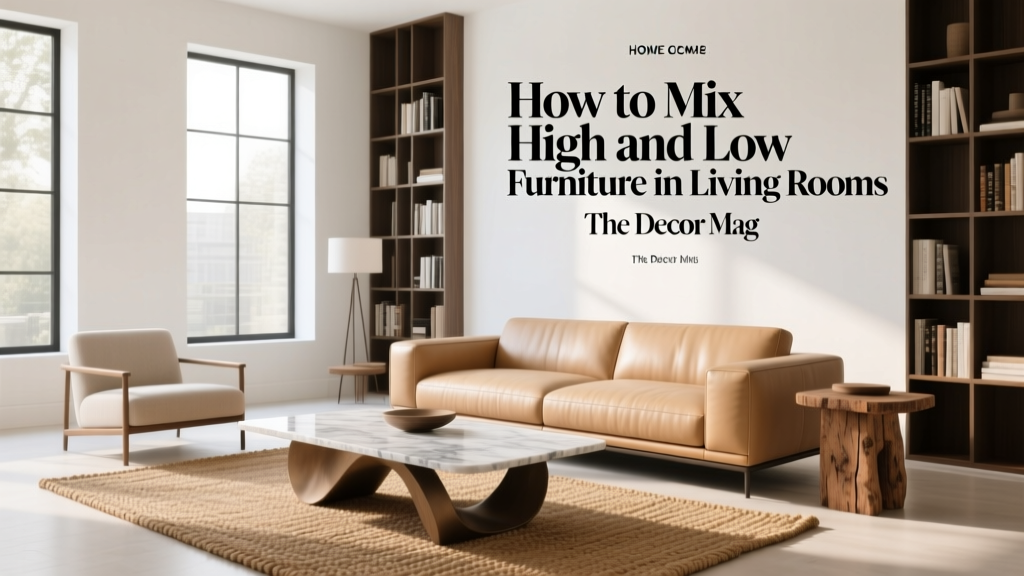
High and Low Furniture in Living Rooms (2026)
Some of the most memorable living rooms aren’t filled with identical, matchy furniture sets—they’re layered, personal, and a little unexpected. Mixing high-end and budget-friendly pieces (often called “high-low decorating”) is one of the smartest ways to get that elevated look without overspending. It’s also a practical approach for real life: renters who can’t commit to built-ins, growing families who need durable options, or homeowners who want to invest slowly over time.
The goal isn’t to “hide” cheaper items or to buy expensive pieces just to show them off. It’s to create a cohesive living room design where your statement pieces shine, your everyday essentials work hard, and the overall space feels intentional. You’ll learn where to splurge, where to save, how to make budget pieces look high-end, and how to avoid the common mistakes that can make a room feel mismatched instead of curated.
Whether you’re styling a compact apartment living room or refreshing a spacious family room, this guide will help you balance comfort, quality, and style—while keeping your budget and lifestyle front and center.
What “High-Low” Really Means (and Why It Works)
High-low decorating is the art of pairing investment pieces (high) with more affordable finds (low) so the room looks elevated and lived-in—not showroom-staged. Done well, it creates:
- Depth and character: A vintage or designer piece gains warmth next to a simple, modern budget item.
- Better budgeting: You can prioritize what matters—comfort, durability, and daily function.
- Flexibility: Swap trends (pillows, side tables, lighting) without replacing the major furniture.
- A more personal home: A mix of sources tells your story: heirlooms, thrifted finds, and smart retail buys.
Current design trends make high-low even easier: warm minimalism, organic modern, and “quiet luxury” all favor quality textures, calm palettes, and timeless silhouettes—none of which require every piece to be premium.
Start With a Plan: Your Room, Your Budget, Your Priorities
Step 1: Measure the room and map the layout
A well-planned layout makes budget pieces look more expensive because the room feels balanced and intentional. Before buying anything, measure:
- Room dimensions: length, width, and ceiling height
- Doorways and hallways: to ensure large pieces can be delivered
- Window placement: for TV glare and seating comfort
Helpful living room sizing guidelines:
- Rug size: In most living rooms, choose at least an 8' x 10' rug; for larger rooms, consider 9' x 12'. Aim for the front legs of sofas/chairs to sit on the rug.
- Traffic paths: Keep 30–36 inches clear for main walkways.
- Coffee table spacing: Leave 14–18 inches between sofa and coffee table.
- Coffee table height: Ideally 1–2 inches lower than the sofa seat height.
- TV viewing distance: A rough guide is 1.5–2.5x the TV’s diagonal size (e.g., 55" TV = about 7–11.5 feet).
Step 2: Decide where to splurge vs. save
Use your lifestyle as the rule. A formal living room can handle more delicate materials; a family room needs performance and durability.
Splurge categories (high-impact + high-use):
- Sofa or sectional: Comfort, frame quality, and fabric matter daily.
- Main rug: A large rug anchors everything; a better rug elevates the whole room.
- Lighting with presence: A great floor lamp or statement pendant can transform the vibe.
Save categories (easy to upgrade later):
- Side tables and accent tables
- Media console (depending on needs)
- Accent chairs (if low-use)
- Decor items: pillows, throws, trays, books, faux greenery
Budget ranges that work well for high-low living rooms:
- Starter refresh: $500–$1,500 (paint, lighting, rug, styling, one new furniture piece)
- Mid-level makeover: $1,500–$4,000 (new sofa + rug + key accents)
- Investment approach: $4,000–$10,000+ (premium seating, wool rug, statement lighting, custom touches)
Where to Spend: The “Anchor Pieces” That Make the Room
1) The sofa: your best long-term investment
Even in a budget living room design, a well-made sofa creates a “high-end baseline” that makes everything else look more polished. Look for:
- Frame: kiln-dried hardwood is ideal (avoid lightweight softwood frames if possible)
- Suspension: sinuous springs are common; eight-way hand-tied is premium but pricier
- Cushions: high-resiliency foam wrapped in down/feather blend for comfort and shape
- Fabric: performance fabric (poly blend, Crypton-style, or tightly woven) for pets/kids
Smart splurge range: $1,800–$4,500 for a quality sofa; $2,800–$7,000 for a sectional, depending on size and upholstery.
2) A large rug with rich texture
If your rug is too small or too thin, the entire room can feel “temporary.” Consider these materials:
- Wool: durable, naturally stain-resistant, plush underfoot (often the best investment)
- Wool-blend: budget-friendlier with a similar look
- Jute/sisal: great texture and trend-forward, but can be rough and stain-prone
- Washable rugs: ideal for messy households; choose a thicker pad for comfort
Budget guide (8' x 10'):
- Washable/synthetic: $150–$450
- Wool-blend: $350–$900
- 100% wool: $700–$2,000+
3) One “statement” element
Choose one hero moment that signals quality. It could be a sculptural coffee table, a vintage credenza, or a designer-inspired light fixture. Keeping the statement count to one (or two in a large room) prevents visual clutter.
Where to Save: High-Style Pieces That Don’t Need a High Price
1) Side tables and nesting tables
Side tables are perfect for budget shopping because they don’t take as much wear as seating. Look for:
- Metal frames (matte black, aged brass, or brushed nickel)
- Solid wood tops or high-quality veneers with clean edging
- Stone-look composite (great for modern living rooms)
Budget range: $60–$250 each for great-looking side tables.
2) A media console that “reads” custom
A low-cost media console can look built-in with a few styling moves:
- Choose a console that’s at least as wide as the TV (ideally 6–12 inches wider on each side).
- Add oversized hardware (knobs/pulls) to elevate the look.
- Style with two tall objects + one sculptural piece (e.g., lamp, vase, stacked books).
Budget range: $200–$900 for strong options; $900–$2,000 for higher-end finishes and solid construction.
3) Trend-forward accents: pillows, throws, and decor
These are the easiest items to change with trends. For a “quiet luxury” feel, focus on texture over loud patterns:
- Slubby linen, boucle, cotton velvet, chunky knits
- Muted palettes: warm whites, greige, camel, olive, charcoal
- Mix 2–3 pillow sizes (e.g., 22", 20", and a lumbar)
Budget range: $15–$60 per cover; $25–$80 per insert if upgrading to down-alternative or feather.
The Secret Sauce: How to Make High and Low Pieces Look Like They Belong Together
Use a consistent color palette
A cohesive palette is the fastest way to make budget pieces look intentional. Try this simple formula:
- Base (60%): walls + large upholstery in warm white, beige, soft gray, or taupe
- Secondary (30%): rug + curtains + larger accents (camel, olive, navy, charcoal)
- Accent (10%): metal finish, art colors, a pop tone (rust, deep teal, black)
Repeat materials and finishes
Even if your furniture comes from different price points and stores, repetition makes it feel curated. Choose 2–3 finishes to repeat around the room:
- Wood tone: light oak, walnut, or espresso (pick one main)
- Metal: matte black or aged brass (pick one main)
- Soft texture: linen, boucle, leather (repeat in at least two places)
Upgrade the “touch points”
Small upgrades can change how a piece feels day-to-day:
- Swap builder-grade lamp shades for linen drum shades (often $25–$60 each).
- Add a thick rug pad (3/8" is a comfort sweet spot) to make even a budget rug feel plush.
- Replace flimsy cabinet hardware with heavier pulls in brass or black.
- Use real wood frames or oversized mats for inexpensive art prints.
Product Recommendations: What to Look For (Without Getting Brand-Specific)
If you’re shopping online or secondhand, these specs help separate “budget but good” from “cheap and temporary.”
Affordable pieces worth buying new
- Upholstered accent chair: Look for removable seat cushions and a sturdy frame; $250–$700.
- Coffee table: Solid wood or metal base with a thick top; $150–$600.
- Floor lamp: Weighted base, linen shade, warm LED bulb (2700K); $80–$250.
Best categories to buy secondhand
- Solid wood sideboards/credenzas (often better construction than new budget pieces)
- Vintage coffee tables (especially wood, travertine, or glass/brass styles)
- Quality armchairs (reupholstery can still be cheaper than buying new high-end)
Real-World High-Low Living Room Scenarios
Scenario 1: Small apartment living room with a tight budget
Goal: Make a rental living room feel elevated without permanent changes.
- Splurge: A comfortable sofa in a neutral performance fabric ($1,200–$2,500).
- Save: Simple nesting tables ($120–$250) and budget media console ($250–$500).
- Designer move: Add an 8' x 10' rug (yes, even in small rooms) and hang curtains high—place the rod 4–6 inches above the window frame and extend 6–10 inches past each side for a larger look.
Scenario 2: Family-friendly living room with kids and pets
Goal: Durable, stain-resistant, still stylish.
- Splurge: Sectional with washable or performance upholstery ($2,800–$6,000).
- Save: Washable rug ($250–$600) plus a thicker pad for comfort.
- Designer move: Choose a coffee table with rounded corners or an upholstered ottoman tray setup for safety.
Scenario 3: “Quiet luxury” look on a mixed budget
Goal: Calm, layered, high-end feel.
- Splurge: Wool rug and one sculptural statement light ($700–$2,500 depending on size).
- Save: Streamlined side tables, budget linen-look curtains, minimal decor.
- Designer move: Keep contrast gentle—use warm whites, camel, and black accents in small doses.
Common Mistakes to Avoid When Mixing High and Low Furniture
- Buying a too-small rug: It makes even expensive furniture feel disconnected. Size up whenever possible.
- Ignoring scale: A tiny coffee table in front of a large sectional looks like an afterthought. Aim for a coffee table about 1/2 to 2/3 the sofa length.
- Overdoing trends: If everything is a “moment” (boucle, checkerboard, wavy mirrors), the room dates quickly. Keep trends to accents.
- Mixing too many wood tones: Two wood families is usually plenty. If you must mix, keep undertones consistent (warm with warm, cool with cool).
- Skimping on lighting: A single overhead light can flatten the entire room. Use at least three light sources (floor lamp, table lamp, overhead/ambient).
- Choosing cheap-looking upholstery: A bargain sofa that pills or sags will drag down everything else. If you must save on seating, consider a secondhand quality frame and reupholster later.
FAQ: Mixing High and Low Furniture in Living Rooms
How do I make inexpensive furniture look more expensive?
Focus on styling and upgrades: use a larger rug, add a thick rug pad, swap hardware, choose substantial lamp shades, and keep your color palette cohesive. Also, prioritize pieces with clean lines and fewer “fussy” details—simple silhouettes tend to look higher-end.
What living room item should I invest in first?
Start with the sofa if yours is uncomfortable or worn. If your seating is fine, invest in the rug next—an appropriately sized, quality rug instantly elevates the room and makes furniture feel more grounded.
Can I mix modern and traditional pieces while doing high-low decorating?
Yes, and it often looks best. The key is repetition: match wood tones, repeat one metal finish, and use a consistent palette. A modern sofa can pair beautifully with a traditional vintage coffee table if the scale and finishes relate.
Is it okay to have different metal finishes (brass, black, chrome) in one living room?
It can work, but keep it controlled. Choose one dominant finish (about 70%) and one supporting finish (about 30%). Tie them together by repeating each finish at least twice (for example: brass in the lamp and frames, black in the table legs and curtain rod).
What’s a good budget for a living room refresh that still looks high-end?
Many living rooms can look significantly upgraded with $1,500–$4,000 by prioritizing a better rug, improved lighting, and one strong anchor piece (often the sofa or a statement coffee table), then saving on accents and side tables.
How do I mix secondhand and new furniture without it looking random?
Use a “bridge” element that unifies everything—usually a rug, wall color, or curtains. Then repeat a couple of finishes (wood tone + metal) across both the vintage and new pieces so they feel like a collection, not a collage.
Your Next Steps: A Simple High-Low Action Plan
- Measure and sketch your layout (even a quick phone note with dimensions helps).
- Choose one anchor piece to upgrade—sofa, rug, or statement lighting.
- Set a finish plan: one main wood tone, one main metal finish, and a calm color palette.
- Fill in with smart saves like side tables, media console, and trend accents.
- Style with intention: layered lighting, textured textiles, and a few oversized accessories over many small ones.
Mixing high and low furniture is less about price tags and more about priorities. When your room has one or two strong anchors, a cohesive palette, and thoughtful scale, even budget finds can look right at home.
For more living room design and decor ideas—from layout tips to trend updates and timeless styling—explore the latest inspiration on thedecormag.com.
More Articles
 Non-Toxic, Low-VOC Paints for Every Room (2026)
 Living Room Ideas That Feel Like Home (2026)
 Mix Wood Tones in Living Room Furniture (2026)
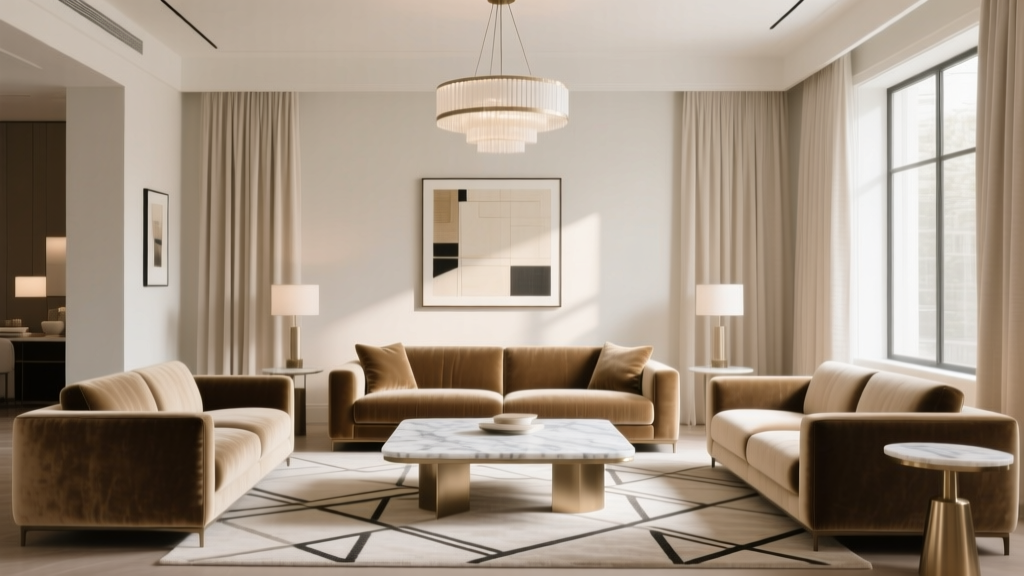 How to Create a Formal Living Room - The Decor Mag
 Living Rooms Layout Checklist: Room-by-Room Guide
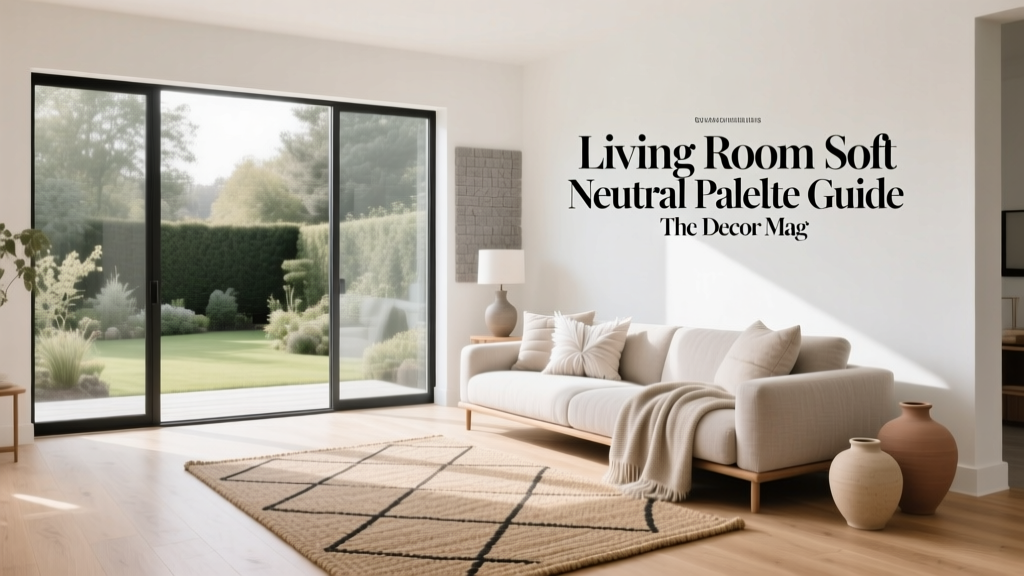 Living Room Soft Neutral Palette Guide - The Decor Mag
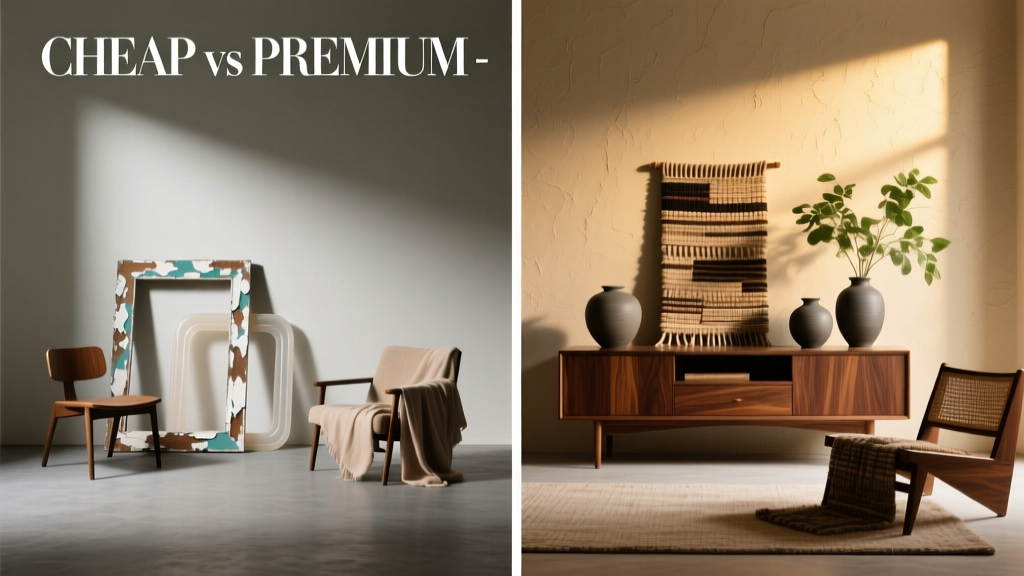 Cheap vs Premium Decor: What’s Worth It in 2026?
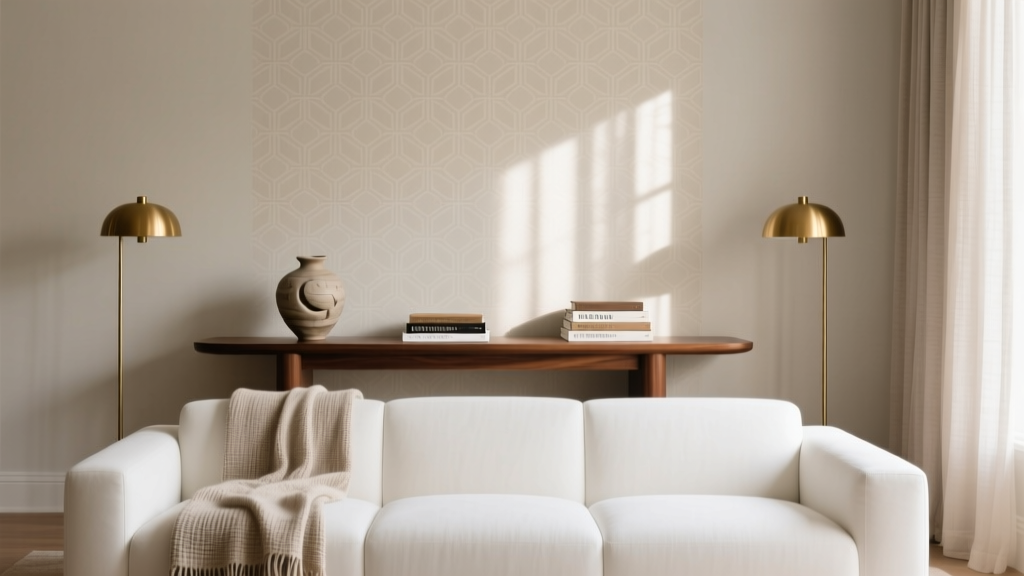 Console Table Behind Sofa: Styling Ideas (2026)
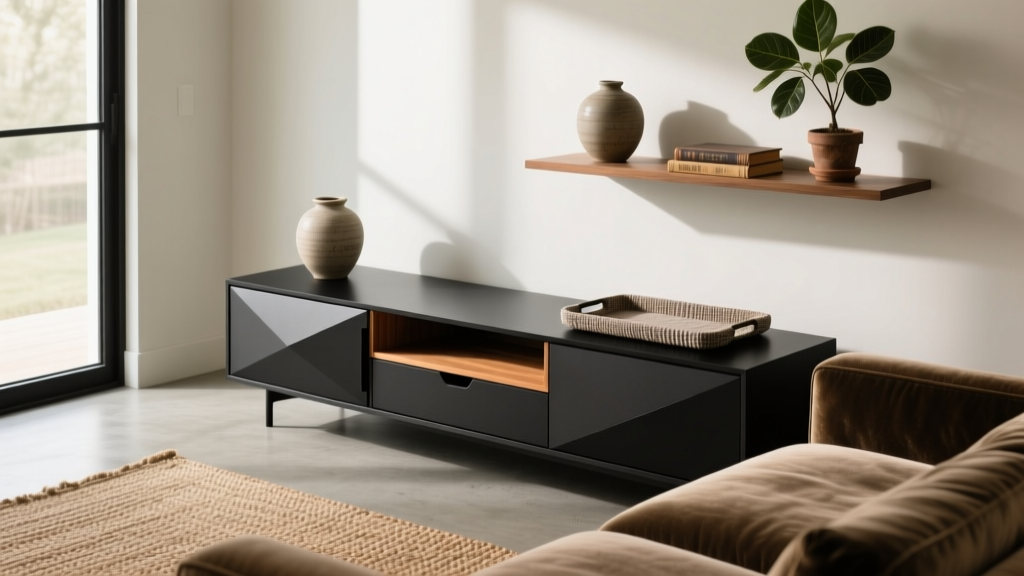 Best Console Styling for Behind Couch - The Decor Mag
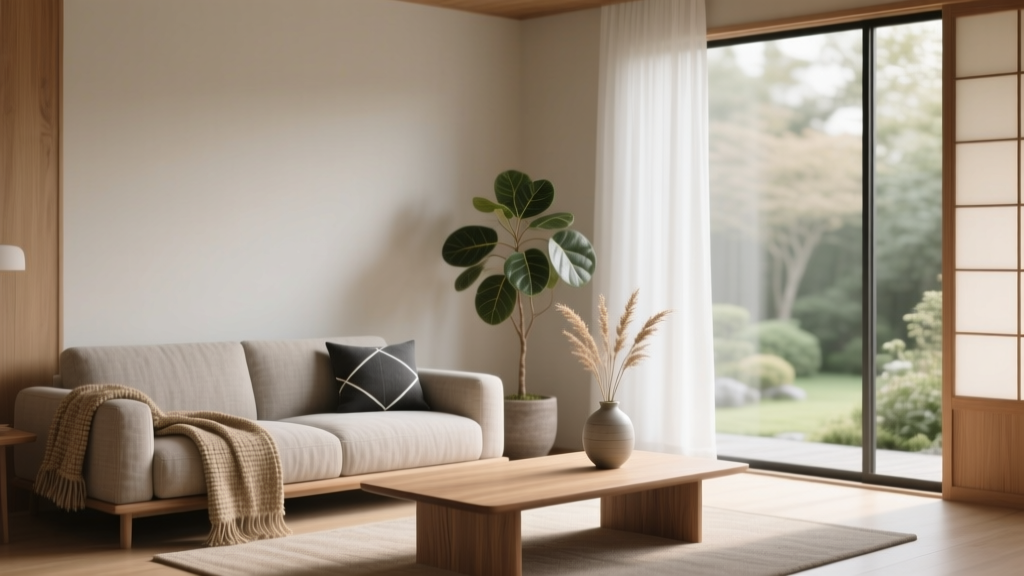 Living Room Japandi Style Guide - The Decor Mag