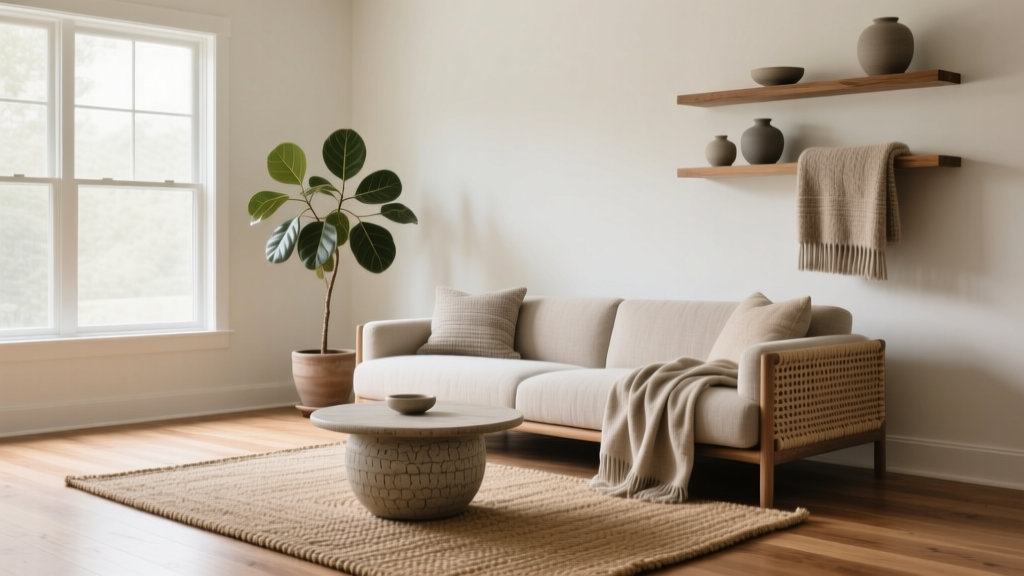
Texture in Minimalist Living Rooms (2026)
Minimalist living rooms are loved for their calm, clutter-free feel—but they can sometimes read as flat, cold, or unfinished. If you’ve ever looked at your neutral sofa and clean-lined coffee table and thought, “Why does this feel a little sterile?” the missing ingredient is often texture. Texture adds depth and warmth without disrupting the simplicity that makes minimalist interior design so appealing.
The good news: you don’t need more stuff to create interest. You need smarter layers—materials that invite touch, light that creates shadow, and a few intentional contrasts that make a simple space feel rich. This guide will walk you through practical, renter-friendly ways to add texture to a minimalist living room using fabrics, natural materials, finishes, lighting, and styling techniques—plus measurements, budget ranges, and common mistakes to avoid.
By the end, you’ll know exactly how to build a minimalist space that still feels cozy, dimensional, and design-forward—whether you’re refreshing a studio apartment or updating a family living room.
What “Texture” Means in Minimalist Living Room Design
Texture is any surface quality you can see or feel—soft, rough, nubby, glossy, matte, woven, grained, ribbed. In a minimalist living room, where color palettes are often restrained, texture becomes the primary tool for creating visual variety.
Two kinds of texture to balance
- Tactile texture: What you can physically feel (bouclé upholstery, linen drapes, a wool rug).
- Visual texture: What reads as textured even if it’s smooth (veined marble, wood grain, plaster-look paint, fluted glass).
A timeless principle: minimalism works best when you layer at least three distinct textures in the same sightline—think soft + natural + reflective (linen + oak + glass), or nubby + smooth + matte (bouclé + leather + plaster).
Start with a Strong Base: Floors, Rugs, and Foundational Materials
The fastest way to make a minimalist living room feel grounded is to establish a textured base. That usually means floors and a rug that adds warmth and scale.
Choose a rug with texture (and the right size)
A rug should feel like an anchor, not a floating island. Use these sizing guidelines for most living rooms:
- 8' x 10': works for many apartments; front legs of sofa and chairs should sit on the rug.
- 9' x 12': ideal for larger living rooms; most furniture can sit fully on the rug.
- Runner (2'6" x 7'–10'): useful in narrow spaces or behind a sofa for added layering.
Texture-forward rug materials:
- Wool: durable, naturally stain-resistant, plush without looking busy.
- Jute or sisal: crisp, earthy texture; great for a coastal minimalist or Scandinavian look.
- Flatweave cotton/wool blends: low-profile, clean, and easy to layer with a smaller accent rug.
Budget range: $150–$400 for quality synthetic/wool-blend rugs (5' x 8'); $500–$1,200+ for larger wool or natural-fiber options.
Layer rugs (yes, even in minimalist decor)
Layering is a current design trend that also happens to be timeless when done simply. Try a large neutral flatweave (like jute) with a smaller, softer rug on top (like a wool loop or vintage-style runner). Keep the top layer subtle—tone-on-tone patterns are perfect for minimalist living room decor.
Real-world scenario: In a rental with gray laminate floors and white walls, a 9' x 12' jute rug instantly adds warmth. Add a 3' x 5' cream wool rug under the coffee table to make the seating area feel inviting without adding color clutter.
Use Fabric Like a Pro: Upholstery, Pillows, and Throws
Textiles are where minimalism gets cozy. If your sofa is sleek and solid-colored, you’re already set up for success—just layer thoughtfully.
Pick one “hero” upholstery texture
If you’re buying or updating a major piece, choose an upholstery that provides texture without loud patterns:
- Bouclé: a top trend in modern living rooms; adds softness and sculptural interest (best in off-white, taupe, or gray).
- Linen or linen-blend: relaxed and breathable; brings a lived-in look that still feels minimal.
- Leather (matte or semi-aniline): adds a smooth counterpoint; looks great with nubby textiles and wood.
- Performance fabric with a weave: ideal for families/pets; look for subtle slubbing or heathered yarns.
Budget range: $900–$2,500 for a quality sofa in performance fabric; $1,800–$4,000+ for premium linen or leather depending on brand and size.
Follow the “3-2-1 pillow formula”
For a clean minimalist look that still feels layered, use an intentional pillow mix:
- 3 pillows in one texture family (linen, cotton, or wool) in a cohesive color.
- 2 pillows with a different texture (bouclé, ribbed velvet, nubby weave).
- 1 accent pillow with subtle visual texture (tone-on-tone pattern, small-scale weave, or leather).
Size guidance: On a standard 84"–96" sofa, use two 22" pillows plus one 20" or lumbar (12" x 20"). Keep inserts full: choose feather/down or high-quality alternative inserts that are 2" larger than the cover for a tailored look.
Add a throw that contrasts
A throw is a small change with big impact. Choose a chunky knit, brushed wool, or a waffle weave. Drape it intentionally—folded over one arm or casually across the seat—so it reads as styling, not clutter.
Quick win: If your sofa is linen (matte), choose a throw with a little sheen (mohair blend) or a heavier knit to create depth.
Bring in Natural Materials: Wood, Stone, Clay, and Woven Pieces
Minimalist living rooms feel more human when they include materials that show nature’s variation—grain, veining, and imperfect edges. These elements create texture even in a monochrome palette.
Wood: mix tones, but keep the undertone consistent
Mixing wood finishes is a classic designer move. The trick is to keep undertones aligned:
- Warm undertones: oak, walnut, teak (pair with creamy whites and warm grays).
- Cool undertones: ash, bleached oak (pair with crisp whites and cooler grays).
Tip: Aim for two wood tones max in a minimalist living room to keep it cohesive. Use one as the “dominant” (coffee table, media console) and one as the “supporting” (side table, frames).
Stone and ceramic: add weight and quiet drama
Stone is an easy way to make a minimalist space feel elevated:
- Travertine: trending in modern living rooms; soft, porous texture and creamy color.
- Marble: classic; veining adds visual texture (use sparingly for a minimalist look).
- Concrete: matte, industrial, and grounded—great for a contemporary aesthetic.
- Handmade ceramic: look for imperfect glazing or ribbed shapes for subtle texture.
Product ideas: a travertine tray for the coffee table, a handmade ceramic vase, or a stone coaster set. These add texture without adding visual noise.
Budget range: $25–$80 for ceramic decor pieces; $60–$200 for stone trays/accessories; $300–$1,000+ for stone-topped furniture depending on size.
Woven elements (use them as punctuation)
A single woven piece can soften a minimalist living room instantly:
- Basket for throws (choose a structured shape for a cleaner look)
- Woven shade table lamp (adds texture through light and shadow)
- Seagrass or rattan accent chair (keep the silhouette modern)
Renter-friendly win: A lidded basket doubles as storage and decor—perfect for keeping the minimalist look while hiding everyday clutter.
Play with Finish and Sheen: Matte, Satin, Gloss
Texture isn’t only about rough surfaces. The interplay of matte and reflective finishes creates depth in minimalist spaces, especially with neutral color palettes.
A simple rule: mix 70% matte, 30% reflective
Too many glossy surfaces can feel cold, while all-matte can look dull. Try this balanced approach:
- Matte: walls, large upholstery, rugs, most wood furniture
- Reflective: a glass vase, brass lamp, glossy ceramic, mirror, or lacquered side table
Trend watch: Warm metals (brushed brass, champagne bronze) are staying strong, while high-shine chrome is reappearing in more modern minimalist interiors. Choose one metal finish and repeat it 2–3 times for cohesion.
Use Lighting to Create Shadow and Dimension
Minimalist living room lighting should do more than illuminate—it should create layers and atmosphere. Texture comes alive when light hits it at angles.
Build a 3-layer lighting plan
- Ambient: ceiling fixture or flush mount (warm LEDs: 2700K–3000K)
- Task: floor lamp near the sofa or a reading chair
- Accent: table lamp, picture light, or plug-in sconce to create depth
Measurement tips:
- Floor lamp shade bottom should sit around 42"–48" from the floor for seating areas.
- When hung above a sofa, art centers are typically 57"–60" from the floor; add a picture light about 6"–9" above the frame.
Product recommendation: Choose lampshades in linen, paper, or woven grasscloth to add texture even when the light is off.
Wall Texture Without Visual Clutter
If your minimalist living room has plain walls, adding subtle wall texture can dramatically improve the space without adding more objects.
Options from easiest to most impactful
- Textured paint or limewash: soft movement and a velvety look; great for warm minimalism.
- Removable grasscloth wallpaper: renter-friendly versions exist; adds woven texture while staying neutral.
- Large-scale art on textured paper: think matte photography, linen canvas, or plaster-like abstracts.
- Slatted wood panels: a modern trend that adds architectural texture (best as one feature wall).
Budget range: $40–$120 for peel-and-stick wallpaper per roll; $150–$600 for large art prints/framing; $300–$1,500+ for DIY-to-pro slat walls depending on size and materials.
Real-world scenario: A small living room with a basic builder-grade white wall can feel elevated by applying removable grasscloth behind the sofa and keeping the rest of the room simple—one big move, minimal added “stuff.”
Styling Texture the Minimalist Way: Coffee Table, Shelves, and Negative Space
Minimalist decor is less about quantity and more about composition. Texture shows best when it has room to breathe.
The “odd-number trio” coffee table formula
Style with three items in different materials and heights:
- One grounding piece: tray in stone/wood (about 12"–18" wide)
- One vertical element: vase with branches (12"–18" tall)
- One low element: book stack or a textured bowl
Tip: Leave at least 30% of the tabletop empty. That negative space is what keeps the look minimalist.
Texture on shelves (without the cluttered look)
- Group books by color (cream/white/gray) and vary the bindings (linen, matte, glossy).
- Add one ceramic object with an organic shape.
- Include one woven or wood element for warmth.
- Keep spacing generous—avoid filling every gap.
Common Mistakes to Avoid
- Adding too many small textured objects: This reads as clutter. Choose fewer, larger pieces (one substantial rug beats five little accessories).
- Ignoring scale: Undersized rugs and tiny throw pillows won’t create the cozy depth you want. Size up whenever possible.
- Going all one texture: A room full of boucle, for example, can feel heavy. Mix smooth + nubby + natural.
- Too many competing finishes: Limit metals (one main finish) and keep wood tones to two.
- High-contrast patterns that overpower minimalism: If you love pattern, choose tone-on-tone or subtle texture patterns (herringbone, bouclé loops, soft stripes).
FAQ: Adding Texture to a Minimalist Living Room
How do I add texture to a minimalist living room without adding clutter?
Focus on functional pieces that naturally introduce texture: a larger rug, textured curtains, a throw blanket, or a woven basket for storage. Keep accessories limited and let materials do the work.
What are the best textures for a neutral minimalist living room?
Wool, linen, boucle, oak or walnut wood grain, travertine/stone, and matte ceramics are reliable choices. They add depth while staying calm and cohesive with neutral palettes.
What colors work best when adding texture?
Warm whites, cream, taupe, greige, and soft gray are popular for minimalist living room decor. Texture shows up beautifully when colors are close in value (tone-on-tone), so you get depth without visual busyness.
How can renters add wall texture without painting?
Try removable grasscloth wallpaper, large-scale art on textured canvas, or plug-in wall sconces that cast interesting light. Even swapping to linen curtain panels can add wall-adjacent softness and dimension.
What’s the most budget-friendly way to add texture quickly?
Start with textiles: a $30–$80 textured throw, $50–$150 for pillow covers and inserts, and a $150–$400 rug (depending on size and material). These upgrades make an immediate difference with minimal effort.
How do I keep a textured minimalist room from feeling too “boho”?
Choose clean silhouettes and limit overtly rustic pieces. For example, pair a woven basket with a sharp-edged stone tray and a modern lamp. Keep the palette restrained and repeat a few finishes for a more modern minimalist look.
Your Next Steps: A Simple Texture Game Plan
If you want the quickest results, tackle texture in this order:
- Upgrade the rug (proper size, textured material like wool or jute).
- Add two textile layers (a throw + 2–5 pillows with varied weaves).
- Introduce one natural material (wood, stone, or ceramic) on the coffee table or console.
- Adjust lighting (add a table lamp or floor lamp with a linen or paper shade).
- Finish with one wall texture element (art, removable wallpaper, or a feature panel if you’re ready).
Minimalist living room design doesn’t have to feel stark. With the right mix of soft textiles, natural materials, and balanced finishes, you’ll get that serene, uncluttered look—plus the warmth and depth that makes a room feel like home.
Looking for more living room ideas? Explore more inspiring guides, furniture picks, and minimalist decor upgrades on thedecormag.com.
More Articles
 How to Choose the Right Coffee Table Height - The Decor Mag
 How to Create a Cozy Winter Living Room - The Decor Mag
 Living Room Art That Makes a Statement (2026)
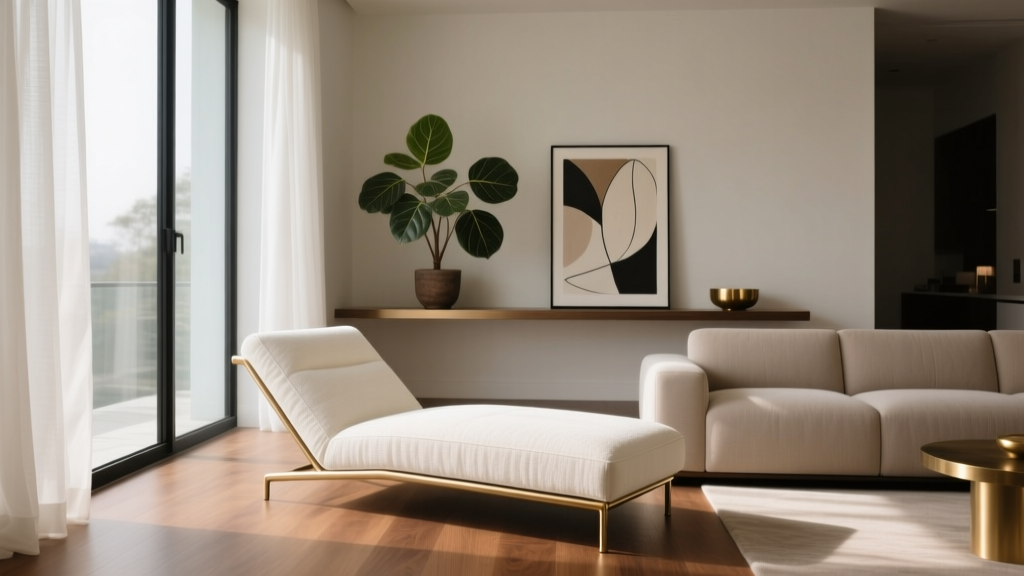 Best Chaise Lounge Placement Ideas - The Decor Mag
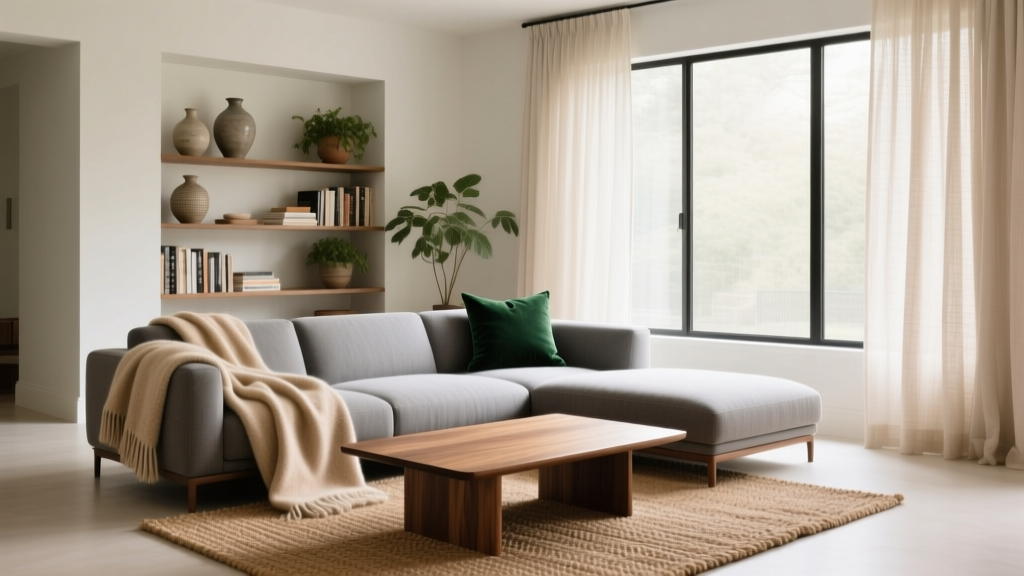 How to Layer Textiles in a Living Room - The Decor Mag
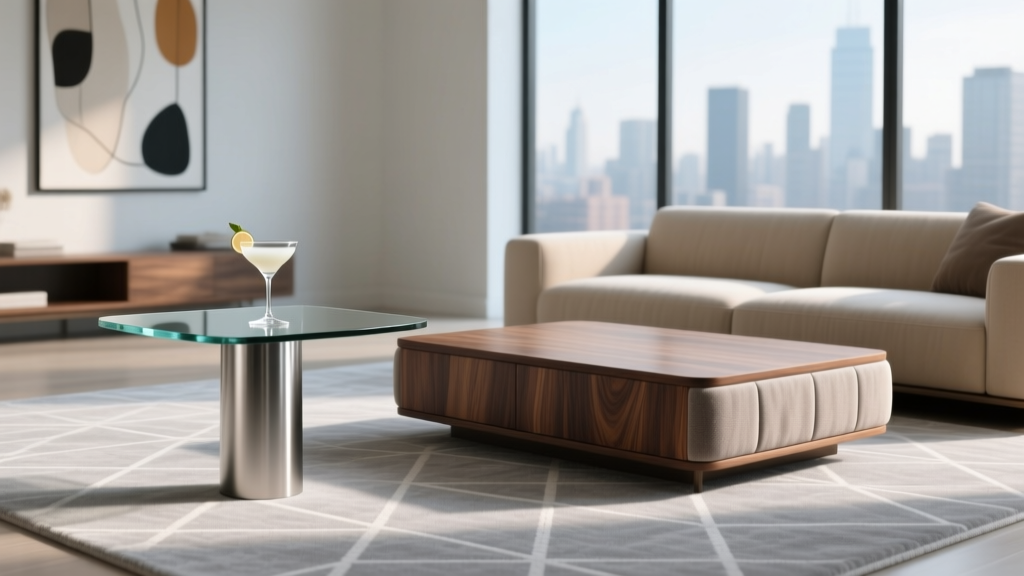 Cocktail Table vs Coffee Table: Key Differences (2026)
 Headboard Buying Guide: Style, Support & Sizing (2026)
 Living Room Polished Bohemian Style - The Decor Mag
 Living Room Window Treatments for Privacy (2026)
 2026 Living Room Bathroom Ideas: Smart & Stylish Hybrids