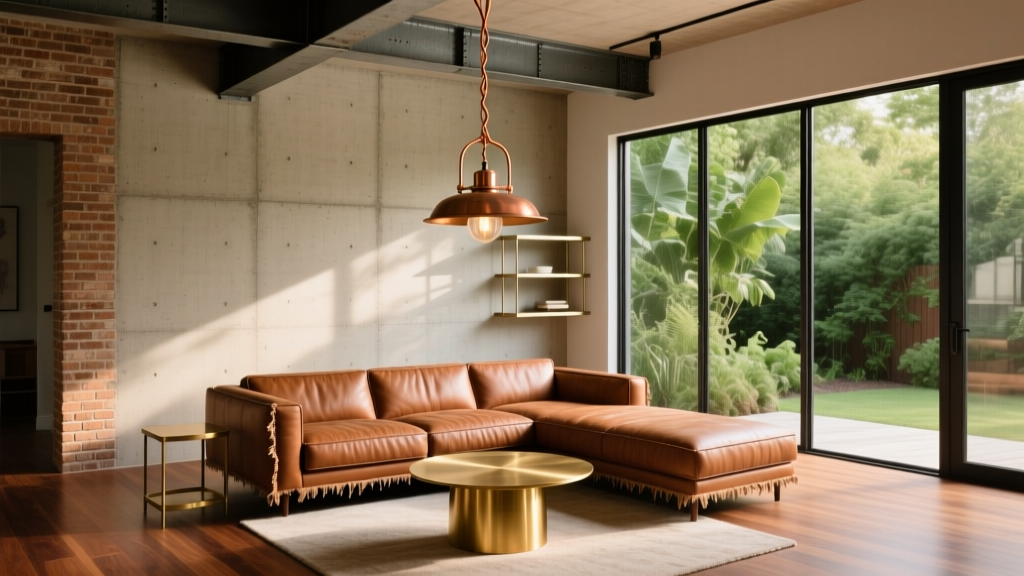
Living Room Warm Industrial Design - The Decor Mag
Industrial style has a reputation for being bold, minimal, and a little tough around the edges—think exposed brick, black steel, and warehouse lighting. It’s a look that feels architectural and intentional, which is why it keeps showing up in both city lofts and suburban homes. The challenge is that “industrial” can easily read as cold if it leans too hard into metal and gray.
Warm industrial design solves that problem. It keeps the character of industrial interiors—raw materials, structural details, high-contrast lines—while layering in warmth through wood tones, cozy textiles, inviting lighting, and lived-in styling. The result is a living room that feels modern and grounded, but still comfortable enough for movie nights, weekend naps, and hosting friends.
This guide breaks down how to create a warm industrial living room step by step: the right color palette, materials that work together, furniture sizes that fit real spaces, lighting that flatters, and budget-friendly upgrades renters can do without major renovations. You’ll also find common mistakes to avoid, real-world scenarios, and a practical FAQ at the end.
What “Warm Industrial” Means (and What It Doesn’t)
Warm industrial design blends two ideas:
- Industrial foundations: black metal, concrete or stone textures, exposed elements, utilitarian forms, clean lines.
- Warmth and comfort: natural wood, warm neutrals, layered textiles, softer lighting, vintage accents, and organic shapes.
Key markers of a warm industrial living room
- Matte black or dark bronze metal accents (not overly shiny chrome)
- Mid-tone to deep wood finishes (walnut, smoked oak, acacia)
- Textiles that soften: rugs, curtains, cushions, throws
- Lighting at multiple levels with warm color temperature
- A mix of new and vintage: one or two aged or reclaimed pieces add authenticity
What to avoid if you want “warm”
- Too much cool gray (especially in large surfaces like walls and sofas)
- All-metal furniture that feels cafeteria-like
- Harsh overhead lighting as the only light source
- Perfectly matching sets—industrial rooms look best when curated
Start With a Warm Industrial Color Palette
A warm industrial palette is built on neutrals, but with the right undertones. You want contrast (for that industrial crispness) without turning the room into a monochrome cave.
Reliable warm industrial palette formulas
- Warm white + black + walnut: creamy walls, matte black accents, walnut coffee table or shelving.
- Greige + charcoal + cognac leather: a softer alternative to gray; pairs beautifully with aged brass.
- Sand + iron + rust: sandy walls, iron details, terracotta/rust textiles for a subtle modern edge.
- Deep olive + black + natural oak: trend-forward but still timeless; olive reads grounded and cozy.
Paint guidance (practical and renter-friendly)
- Best wall colors: warm whites, cream, soft greige, or clay-tinted neutrals.
- Accent wall ideas: deep olive, charcoal with warm undertone, or a textured faux-concrete finish.
- If you can’t paint: use a large rug and curtains to “re-color” the room visually, then repeat that tone in pillows and art.
Pro measurement tip: If you’re considering an accent wall, keep it to one wall only and choose the wall behind the sofa or TV unit. This anchors the room without shrinking it.
Materials That Make Warm Industrial Feel Inviting
The secret to warm industrial decor is contrast in texture: smooth + rough, matte + soft, refined + raw.
Best material combinations
- Metal + wood: black steel table legs with a walnut top; iron shelving brackets with oak shelves.
- Leather + linen: a cognac leather chair paired with linen or cotton cushions on the sofa.
- Concrete + wool: concrete-look side tables softened by a thick wool rug.
- Brick + boucle: exposed brick or brick-effect wallpaper balanced with boucle pillows or an upholstered ottoman.
Material recommendations (durable and realistic)
- Wood: walnut, smoked oak, acacia, mango wood (budget-friendly with character grain).
- Metal finishes: matte black, gunmetal, antique brass, dark bronze.
- Upholstery: performance fabric for families/pets, top-grain leather for longevity, or high-quality faux leather for budget.
- Rugs: wool blends, flatweaves, or vintage-style rugs for warmth and pattern.
Furniture Layout and Sizing: Make It Feel Lofty, Not Crowded
Warm industrial living rooms work best with strong silhouettes and breathing room. Even in smaller spaces, thoughtful spacing creates that airy loft feeling.
Go-to measurements that designers rely on
- Rug size: aim for at least 8' x 10' in most living rooms; front legs of all seating should sit on the rug. For compact spaces, 6' x 9' can work if it still reaches under the sofa’s front legs.
- Coffee table distance: keep 16–18 inches between the coffee table and sofa for comfortable legroom.
- TV viewing distance: a simple guideline is 1.5–2.5x the TV’s diagonal size (e.g., a 55" TV is often happiest around 7–11 feet away).
- Walkways: maintain 30–36 inches for main paths when possible; 24 inches can work in tight apartments.
Furniture pieces that define warm industrial style
- Sofa: clean-lined, low-profile, in a warm neutral (oatmeal, camel, taupe) or deep olive/charcoal.
- Statement chair: cognac leather, black leather, or a textured fabric chair with metal legs.
- Coffee table: wood slab top with metal base, or a pair of nesting tables (great for small rooms).
- Storage: a metal-and-wood console, a low credenza, or wall-mounted shelving with black brackets.
Product recommendations (by budget)
- Budget ($50–$250): metal-framed side table, plug-in wall sconces, industrial-style curtain rods, vintage-look rug.
- Mid-range ($300–$1,200): walnut veneer media console, performance fabric sofa, oversized area rug, arc floor lamp.
- Investment ($1,500–$5,000+): top-grain leather chair, solid wood coffee table, custom iron-and-wood shelving, designer lighting.
Lighting: The Fastest Way to Warm Up Industrial Decor
Industrial lighting is iconic—cages, domes, black metal pendants—but warmth comes from layering and bulb choice. If your living room feels a little stark, lighting is usually the fix.
Use three layers of light
- Ambient: ceiling fixture or track lighting (dimmable if possible).
- Task: reading lamp by the sofa or chair.
- Accent: sconces, picture lights, or a small lamp on a console for glow.
Bulb specs that flatter the room
- Color temperature: 2700K for cozy warmth; 3000K if you like a slightly cleaner look.
- Brightness: for living rooms, use multiple lamps rather than one ultra-bright overhead. Aim for roughly 1,500–3,000 lumens total depending on room size and natural light.
- Finish tip: warm industrial looks best with matte shades and soft diffusion (avoid bare bulbs at eye level unless they’re decorative and dimmed).
Trend-forward lighting choices that still feel timeless
- Black metal linear pendants over open-plan living areas
- Articulating wall sconces with plug-in cords (perfect for renters)
- Vintage-inspired glass shades with warm LEDs
Textiles and Softening Layers (Where the Warmth Really Lives)
Textiles are the bridge between “industrial” and “livable.” Even one great rug and a few thoughtful pillows can change the whole mood.
Warm industrial textile checklist
- Rug: vintage-style patterns, Persian-inspired, or subtle geometric in warm tones.
- Throws: chunky knit, wool blend, or brushed cotton in rust, camel, cream, or charcoal.
- Pillows: mix textures (linen + leather + boucle). Aim for 3–5 pillows across a standard sofa.
- Window treatments: linen-look curtains on a black rod; hang them high and wide to add softness and height.
Measurement tip for curtains: mount the rod 4–6 inches above the window frame (or closer to the ceiling in low rooms) and extend it 6–12 inches past each side of the window. This makes windows feel larger and more architectural.
Wall Decor and Styling: Art, Shelves, and Objects That Look Collected
Warm industrial wall decor should feel curated, not cluttered. Think larger pieces with strong lines, a mix of materials, and a few personal touches.
Ideas that work in real living rooms
- Large-scale art: one oversized print or painting (24" x 36" or larger) to anchor the sofa wall.
- Gallery wall with structure: black frames in consistent sizes, but with varied imagery (architecture, abstracts, photography).
- Floating shelves: wood shelves with black brackets; keep styling minimal and rhythmic.
- Mirrors: arched or windowpane mirrors add an industrial note and bounce light.
Styling formula (easy and reliable)
- Anchor: a tray or stack of books
- Height: a lamp or tall vase
- Texture: ceramic, stone, or wood object
- Life: greenery or branches
Real-World Scenarios: How Warm Industrial Looks in Different Homes
Scenario 1: Small apartment living room (renter-friendly)
You’ve got beige walls, limited overhead lighting, and you can’t drill into brick (or you don’t have brick at all). The warm industrial solution:
- Add a 6' x 9' vintage-style rug to bring warmth and pattern.
- Use a black metal floor lamp plus a small table lamp (2700K bulbs).
- Choose a wood-and-metal coffee table (or nesting tables) to introduce industrial lines.
- Hang plug-in sconces flanking the sofa for instant ambience without hardwiring.
- Bring in camel or rust pillows to warm up the neutral sofa.
Scenario 2: Open-plan family room (durable, practical, still stylish)
You need seating for movie nights and surfaces that can handle real life.
- Pick a performance fabric sectional in warm gray or oatmeal.
- Add a large 8' x 10' or 9' x 12' rug so the space feels cohesive.
- Choose a solid wood coffee table with a matte finish (better at hiding wear).
- Use closed storage (credenza or media console) to reduce visual clutter—industrial spaces look best when streamlined.
- Layer lighting with dimmers for evening comfort.
Scenario 3: Loft-style living room with real concrete and brick
Your space already has the industrial bones. The goal is making it feel welcoming.
- Soften with a plush wool rug and textured curtains.
- Introduce warm wood through a media console, shelving, or a statement table.
- Add a pair of upholstered chairs to break up hard surfaces.
- Balance the brick with art that has warm tones (rust, ochre, sepia photography).
Common Mistakes to Avoid
- Going too gray: If walls, sofa, rug, and curtains are all cool gray, the room will feel flat. Add warmth with wood tones, creamy whites, and rust/cognac accents.
- Using only overhead lighting: One ceiling fixture can make an industrial room feel harsh. Add at least two lamps and use warm bulbs.
- Overdoing “factory” decor: Too many gears, faux pipes, and signage can feel themed. Choose fewer, better pieces with authentic materials.
- Ignoring scale: A tiny rug or undersized coffee table makes the space feel awkward. Size up where it counts—especially the rug.
- Too much black without balance: Black accents need warm counterpoints: wood, tan leather, cream textiles, and greenery.
Step-by-Step: Build a Warm Industrial Living Room in a Weekend
- Pick a palette: warm white + black + walnut is the easiest to execute.
- Anchor with a rug: choose the largest size your room can handle (usually 8' x 10').
- Upgrade lighting: add a floor lamp and table lamp with 2700K bulbs; install a dimmer if you can.
- Add one hero material: a walnut console, a reclaimed wood coffee table, or a cognac leather chair.
- Layer textiles: 3–5 pillows, one throw, and curtains hung high and wide.
- Finish with styling: large art, a plant, and a few textured objects (ceramic, stone, wood).
Weekend budget ranges:
- $150–$400: lighting + pillows/throw + small decor updates
- $500–$1,200: add a rug and one substantial furniture piece (coffee table or console)
- $1,500–$3,500: new sofa/sectional, large rug, upgraded lighting, and art
FAQ: Warm Industrial Living Room Design
What colors work best for a warm industrial living room?
Warm whites, greige, sand, camel, rust, olive, and charcoal with warm undertones work beautifully. Pair them with matte black accents and mid-tone to dark wood for that classic industrial contrast.
Can warm industrial design work in a small living room?
Yes. Focus on a few high-impact elements: a properly sized rug (often 6' x 9' in small rooms), warm lighting (2700K), and one strong wood-and-metal piece. Keep surfaces relatively clear so the room feels airy.
What’s the best sofa material for this style?
Performance fabric in a warm neutral is the most versatile for daily life. Leather (especially cognac) is a warm industrial staple and ages well, but it’s a bigger investment. If you’re budget-conscious, a high-quality faux leather can give a similar look.
How do I add an industrial vibe without renovating?
Use industrial lighting (plug-in sconces, black metal lamps), swap hardware to matte black, choose a wood-and-metal coffee table, and bring in brick- or concrete-look texture through removable wallpaper or large-scale art.
What kind of rug fits warm industrial decor?
Vintage-inspired rugs, warm-toned geometric patterns, and low-pile wool blends are excellent choices. They soften the harder materials while adding depth and a lived-in feel.
How much black is too much?
If black shows up in every major item (sofa, rug, curtains, wall color), the room can feel heavy. A good rule is to use black as an accent—lighting, frames, table legs, curtain rods—then balance it with warm wood and lighter textiles.
Next Steps: Make Your Living Room Feel Warm, Modern, and Effortlessly Industrial
Warm industrial design is all about balance: strong lines and honest materials, softened by textiles, wood tones, and lighting that makes everyone look good. If you start with one change, start with lighting and a rug—they deliver the quickest transformation without requiring a full redesign.
Want more living room design and decor ideas—from cozy industrial to modern organic and everything in between? Browse the latest inspiration on thedecormag.com and keep shaping a space that feels like home.
More Articles
 How to Create a Warm Inviting Living Room - The Decor Mag
 Living Room Classic Design Principles - The Decor Mag
 Best Table Lamp Pairings for End Tables - The Decor Mag
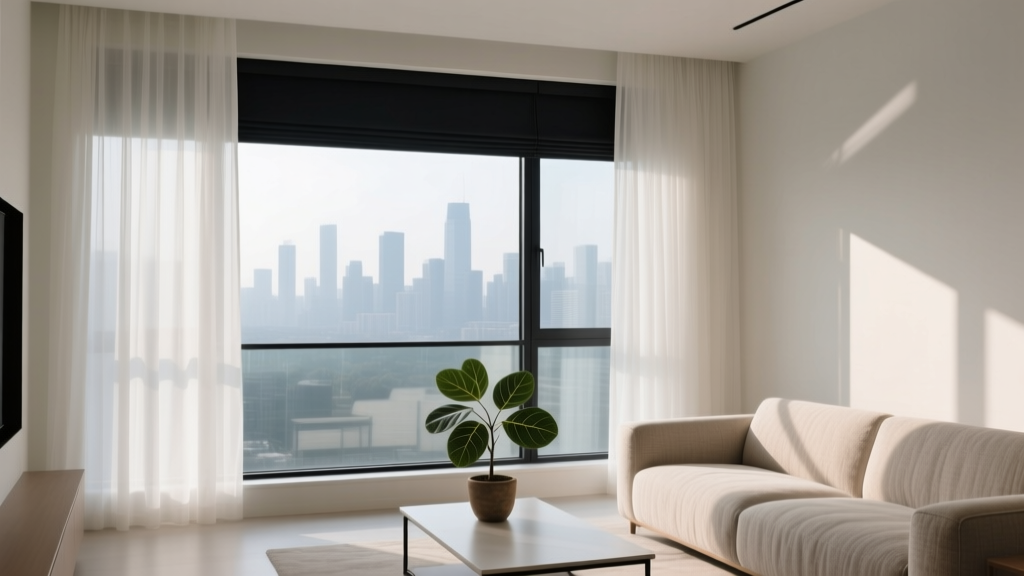 Living Room Window Treatments for Privacy (2026)
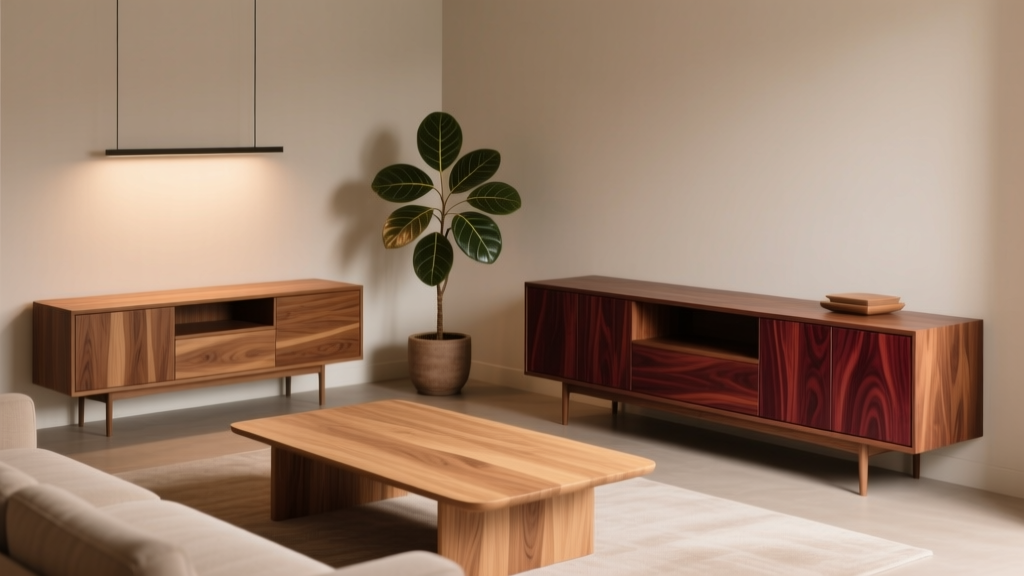 Mix Wood Tones in Living Room Furniture (2026)
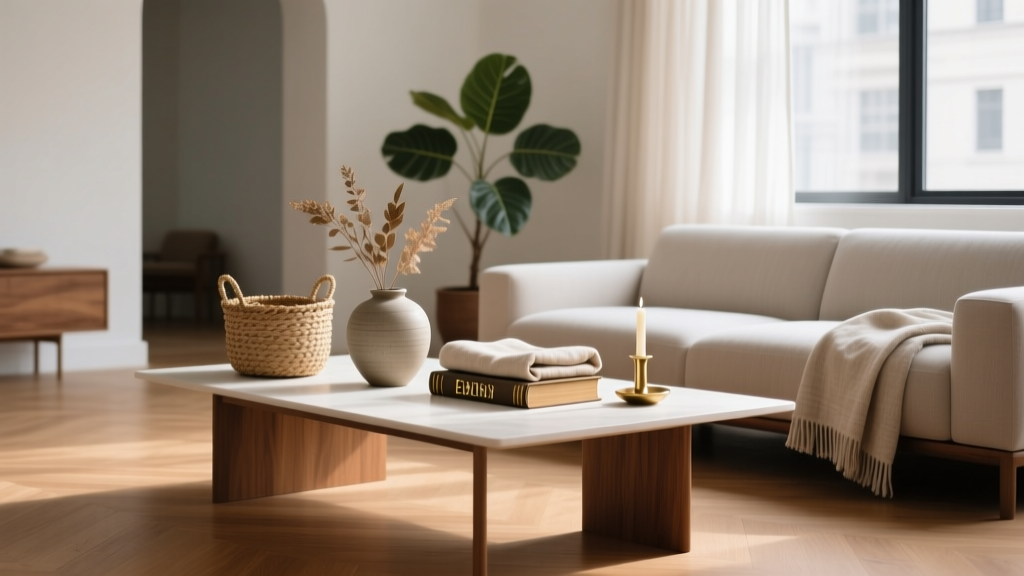 Best Coffee Table Styling Under 5 Objects - The Decor Mag
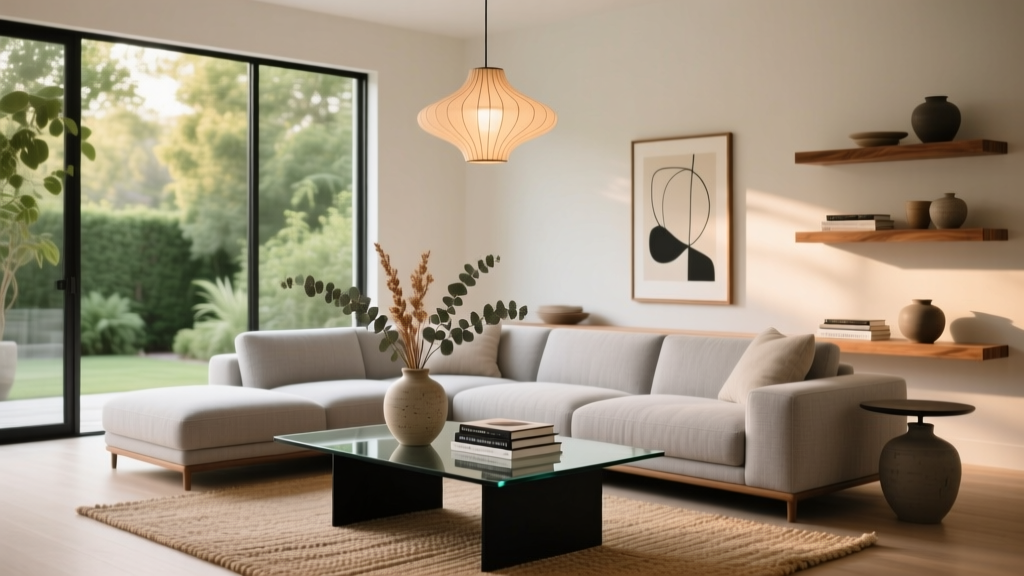 Living Room Entertaining: Design Tips (2026)
 Living Room Built-In Shelving Ideas - The Decor Mag
 Warm, Budget-Friendly Living Spaces in 2026
 Cozy Farmhouse Living Room Decor Tips - The Decor Mag