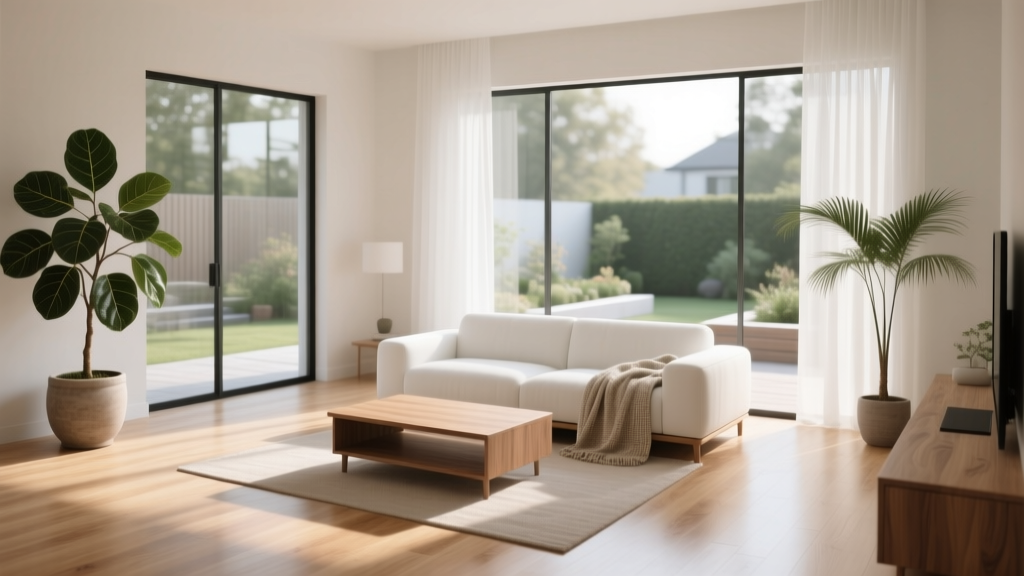
Living Room Bright Airy Design Tips - The Decor Mag
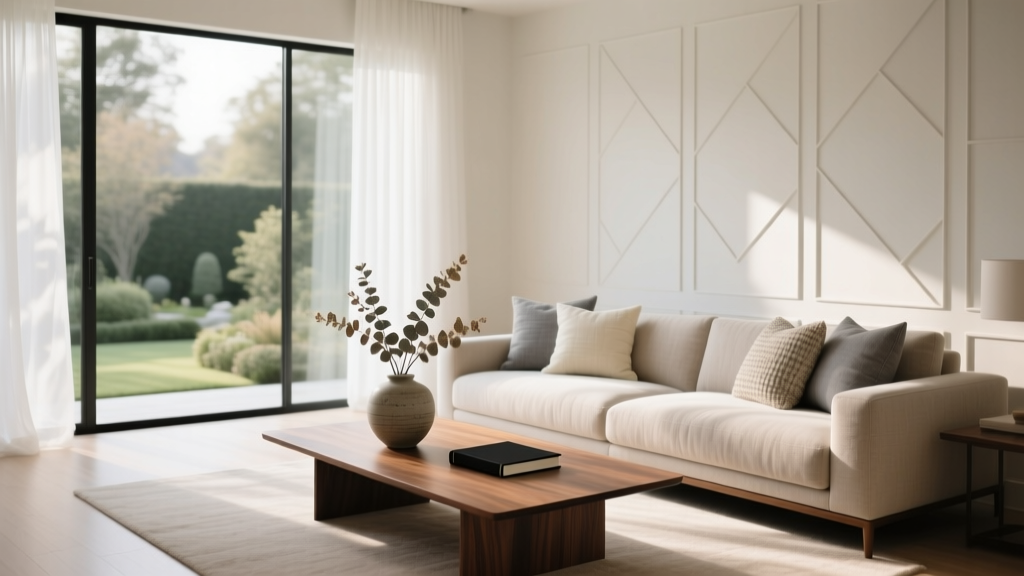
A bright, airy living room changes how a home feels—bigger, calmer, and more inviting. When natural light bounces easily through a space, the room looks cleaner, colors read more true, and everyday routines (coffee, reading, hosting friends) feel a little more effortless. The best part: you don’t need a full renovation to get there.
This guide breaks down practical, designer-approved ways to create a light-filled living room using paint, window treatments, lighting layers, furniture choices, and smart layout tweaks. You’ll also get real-world scenarios (renter-friendly and homeowner-ready), common mistakes to avoid, and a step-by-step plan to pull it all together—without losing warmth or personality.
What “Bright and Airy” Really Means (and How to Achieve It)
A bright airy living room isn’t just “white everything.” It’s a balance of:
- Light reflectance (surfaces that bounce light)
- Visual breathing room (clear pathways, less visual clutter)
- Soft contrast (warmth and depth so the room doesn’t feel flat)
- Layered lighting (so it stays bright after sunset)
Whether your space is sun-drenched or north-facing and dim, these principles work. Your job is to control how light enters, where it lands, and what it reflects off.
Start with Light: Assess Your Windows and Natural Exposure
Quick natural light check
Before buying anything, spend one day observing the room:
- Morning: Is the light cool and indirect? Any glare?
- Midday: Where does the brightest patch land on the floor/walls?
- Evening: Does the room feel dull or cozy?
Real-world scenario: A renter with a north-facing living room thinks it “has no light.” After tracking the day, they notice consistent but soft light—perfect for bright paint, reflective decor, and warm lighting that makes the room glow at night.
Window “unblocking” checklist
- Trim back outdoor shrubs that cover the lower part of windows (homeowners).
- Move tall bookcases at least 12–18 inches away from window edges.
- Avoid placing a TV directly in front of a window if possible; shift it to a side wall.
Paint and Wall Finishes: The Fastest Way to Brighten a Living Room
Choose colors with the right undertone
For bright living room walls, aim for warm whites, soft greiges, or pale neutrals that reflect light while staying inviting. Look for paint with a Light Reflectance Value (LRV) of 70–90 for a noticeably brighter effect.
- Warm whites (cozy, flattering): creamy white, soft ivory
- Neutral whites (clean, modern): balanced whites without strong yellow/blue
- Light greige (depth without darkness): pale taupe-gray blends
Pick the right sheen
- Walls: Eggshell or satin reflects more light than matte and is easier to clean.
- Ceiling: Flat or ceiling paint is standard, but for extra lift you can use a matte with a touch more reflectance than traditional flat.
- Trim: Semi-gloss (or satin) helps bounce light and crisps up the room.
Pro measurement tip: If your ceiling feels low, paint it 1–2 shades lighter than the wall color and run curtain panels close to the ceiling line to visually raise height.
Budget ranges
- Paint refresh (DIY): $80–$250 (1–2 gallons + supplies)
- Paint refresh (pro): $500–$2,000 depending on room size and prep
Window Treatments That Maximize Light (Without Losing Privacy)
Window treatments make or break an airy living room. The goal is to soften light, not block it.
Best options for bright airy decor
- Sheer curtains in white, ivory, or oatmeal (linen-look polyester is durable and budget-friendly).
- Light-filtering roller shades for clean-lined, modern spaces.
- Woven wood shades with a light liner if you want texture without heaviness.
Hanging guidelines (designer rules that work)
- Mount curtain rods 4–8 inches above the window frame (or 1–2 inches below the ceiling/crown).
- Extend rods 8–12 inches beyond each side of the window so panels can stack off the glass.
- Choose curtain length that “kisses” the floor or puddles slightly (puddling: 1–2 inches max for a relaxed look).
Product recommendations (style-based)
- For renters: Tension rods with sheers, or peel-and-stick cellular shades for soft light diffusion.
- For a tailored look: Linen-blend panels with pinch-pleat hooks.
- For glare control: Light-filtering solar shades (especially near a TV).
Layout and Furniture: Create “Air” With Spacing and Scale
A bright living room also needs visual space. If furniture is oversized or pathways are tight, the room feels heavy even with white walls.
Use these spacing measurements
- Main walkways: Aim for 30–36 inches of clearance.
- Coffee table distance: Keep 14–18 inches from the sofa.
- Rug sizing: Ideally, front legs of seating should sit on the rug; leave 8–12 inches of bare floor between rug and walls (if possible).
Choose furniture that feels light
- Leggy pieces: Sofas and chairs with visible legs show more floor—instant airiness.
- Glass or acrylic coffee tables or side tables reduce visual weight.
- Low-profile silhouettes keep sightlines open, especially in small living rooms.
Real-world scenario: In a 12' x 14' living room, swapping a bulky rolled-arm sofa for a slim, bench-seat sofa and adding a round 34–36" coffee table opened the center walkway and made the room feel brighter—without changing a single light fixture.
Layered Lighting: Make the Room Bright Even After Sunset
Natural light is only half the story. To maintain a bright airy living room at night, use a layered lighting plan with warm, flattering bulbs.
The 3-layer lighting formula
- Ambient: Ceiling fixture, semi-flush mount, or recessed lighting
- Task: Reading lamps, swing-arm sconces, desk lamp if you have a workspace
- Accent: Picture lights, LED strips behind shelves, or a subtle uplight near plants
Bulb guidance that designers rely on
- Color temperature: 2700K–3000K for warm, inviting light (3000K reads crisp but not cold).
- Brightness: For a living room, plan roughly 1,500–3,000 lumens total depending on size and daylight.
- CRI: Choose 90+ CRI when possible so fabrics and skin tones look natural.
Easy lighting upgrades (budget-friendly)
- Add two table lamps on opposite sides of the room for balanced glow ($60–$300 each).
- Swap a heavy chandelier for a semi-flush or lantern-style fixture with clear glass ($120–$600).
- Use dimmers (plug-in dimmers for renters; wall dimmers for homeowners) ($15–$80).
Materials and Textures That Reflect Light (Without Feeling Sterile)
Current trends lean “warm minimalism” and “quiet luxury”—spaces that feel calm, layered, and not overly decorated. The trick is combining light-reflective finishes with tactile textures.
Best materials for a light-filled living room
- Mirrors: A large mirror opposite or adjacent to a window can double perceived light. Aim for at least 30–40 inches wide for impact.
- Light-toned rugs: Ivory, oatmeal, pale gray, or subtle pattern hides wear better than solid white.
- Natural fibers: Linen, cotton, bouclé, jute blends (use jute blends if you want softer underfoot).
- Light woods: Oak, ash, birch, or maple keep the palette airy.
- Metals: Brushed brass, polished nickel, or champagne bronze add soft reflectivity.
Practical fabric recommendations
- Performance upholstery (poly blends, performance velvet, Crypton-like fabrics) for renters, kids, or pets.
- Linen blends for breathable texture with fewer wrinkles than 100% linen.
Color Palette Strategies: Keep It Light, Add Depth
A timeless bright living room palette often follows a simple ratio:
- 60% light neutral (walls + large rug or sofa)
- 30% mid-tones (wood tones, accent chairs, curtains)
- 10% contrast (black accents, deep green, navy, charcoal)
That 10% contrast is what prevents a bright airy space from feeling washed out. Think: matte black picture frames, a dark tray on the ottoman, or charcoal pillows.
Trend-forward but timeless combos
- Warm white + light oak + black accents (modern organic)
- Cream + camel leather + soft sage (relaxed, nature-inspired)
- Greige + brushed nickel + dusty blue (classic, calming)
Styling Tips: Keep Surfaces Calm and Intentional
Clutter blocks light visually, even if the room is physically bright. Styling matters as much as paint.
A simple styling formula for an airy look
- Coffee table: 3 items max (tray + book + vase) or (bowl + candle + small plant).
- Shelves: Leave 20–30% open space; group items in odd numbers (3 or 5).
- Artwork: Go bigger rather than many small pieces; one 30" x 40" piece can feel cleaner than a busy gallery wall.
Real-world scenario: A family with a toy-heavy living room used two lidded baskets (18–22" wide) under a console table and a storage ottoman. The room instantly looked brighter because the floor and tabletops stayed clearer—even though nothing “decorative” changed.
Common Mistakes That Make a Living Room Feel Dark or Heavy
- Hanging curtains too low or using thick, dark drapes that cover glass.
- Choosing ultra-cool whites in a low-light room (they can read gray/blue and feel dim).
- One overhead light only (creates shadows and a flat, gloomy feel).
- Furniture that’s too large for the room, blocking windows and pathways.
- Too many small decor items on every surface (visual noise reduces airiness).
- Ignoring undertones (warm floors + cool wall paint can make a room feel “off,” not fresh).
A Step-by-Step Plan for a Bright Airy Living Room (Weekend-Friendly)
- Clear the window zone: Move tall items away, clean glass, and simplify the sill.
- Swap bulbs first: Set all bulbs to 2700K–3000K and add at least one additional lamp.
- Update window treatments: Hang rods higher and wider; choose sheers or light-filtering shades.
- Lighten the largest surface next: Paint walls or replace a dark rug with a lighter one.
- Edit and style: Keep decor grouped, add one mirror, and introduce texture (linen, boucle, light wood).
Suggested budget tiers
- Under $200: Bulb swap, one new lamp shade, sheer curtains, declutter + mirror from a resale shop.
- $200–$800: Two lamps, new rug (5' x 8' or 8' x 10'), upgraded curtain hardware.
- $800–$2,500+: Paint + lighting fixture + quality rug + new seating or storage pieces.
FAQ: Bright Airy Living Room Design
How do I make a dark living room brighter without repainting?
Start with light-filtering window treatments, add two lamps on opposite sides of the room, and place a large mirror near a window. Swap to 2700K–3000K bulbs and choose lighter textiles (rug, pillows, throws) to boost reflectivity.
What’s the best paint color for a bright living room?
Look for a white or very light neutral with an LRV of 70–90 and an undertone that matches your fixed finishes (flooring, sofa). Warm whites often feel brighter and more welcoming than icy whites in average daylight.
Do white walls always make a living room look bigger?
They can, but only when paired with the right contrast and lighting. A room with white walls but heavy drapes, bulky furniture, and a single overhead light can still feel dark. Think reflectance plus layout, not color alone.
What rug color works best for an airy living room?
Ivory, oatmeal, light greige, or a subtle pattern in soft neutrals. If you’re worried about stains, choose a low-contrast pattern and a durable fiber blend rather than a solid bright white.
How high should I hang curtains to make the room feel taller?
Mount the rod 4–8 inches above the window frame, or 1–2 inches below the ceiling/crown molding. Extend the rod 8–12 inches past the window on each side so curtains don’t block glass.
Can I still use dark accents in a bright airy space?
Yes—and you should. Dark accents (about 10% of the palette) add definition. Use them in small doses: frames, a floor lamp, hardware, or a coffee table tray.
Next Steps: Your Bright Airy Living Room Refresh
Pick one high-impact change you can do this week: raise and widen your curtains, add a second lamp, or replace a heavy rug with something lighter. Then layer in reflectivity (a mirror, light wood, warm metals) and keep surfaces edited so the room can breathe. A bright, airy living room isn’t about perfection—it’s about making light and space feel intentional.
Looking for more living room design and decor ideas? Explore more inspiration, room layouts, and trend-forward guides on thedecormag.com.
More Articles
 Best Bar Cart Placement in Living Rooms - The Decor Mag
 Best Nesting Table Arrangements - The Decor Mag
 Best Bench Options at the End of a Sofa - The Decor Mag
 Living Room Furniture with Kids: Smart Picks (2026)
 Best Affordable Living Space Solutions 2026
 Best Family Checklist System for Modern Homes (2026)
 Living Room Tray Ceiling Design Ideas - The Decor Mag
 Elegant Traditional Living Room Ideas - The Decor Mag
 Best Sconce Lighting for Living Room Walls - The Decor Mag
 Living Room Refined Elegance Tips - The Decor Mag