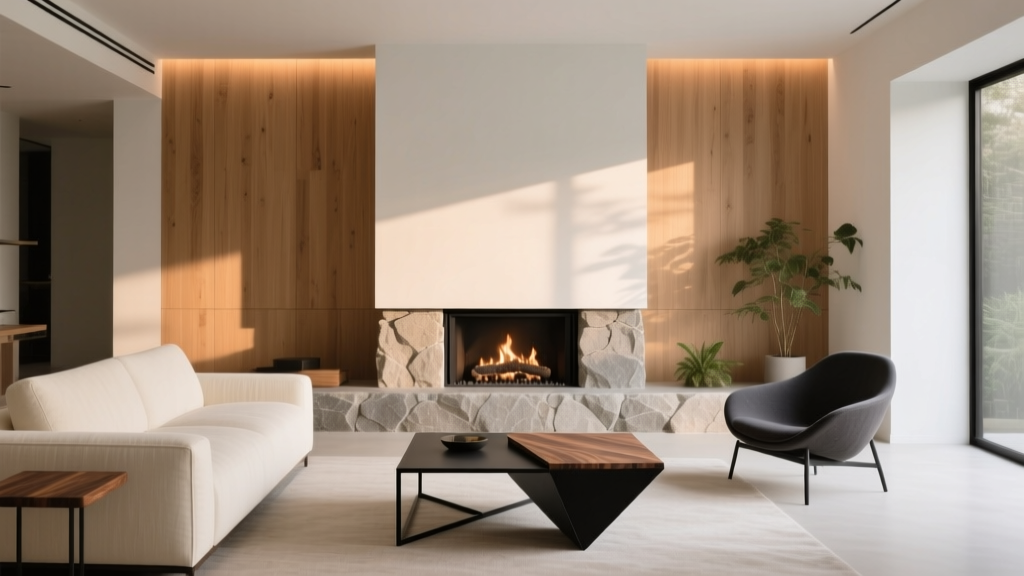
Living Room Fireplace Design Ideas - The Decor Mag
A living room fireplace does more than provide warmth—it anchors the entire space. Whether you have a traditional wood-burning hearth, a modern linear gas insert, or you’re working with an electric unit in a rental, the fireplace often becomes the focal point that sets the tone for the room’s layout, lighting, and decor.
The challenge is getting it right. A fireplace can feel dated, undersized, too imposing, or simply “unfinished” without the right surround, mantel styling, and furniture placement. The good news: you don’t need a full renovation to make a dramatic improvement. With smart material choices, a few measurements, and a plan for proportion, you can create a living room fireplace design that looks intentional and feels inviting.
This guide covers living room fireplace ideas for a range of styles and budgets—plus practical layout tips, product recommendations, real-world scenarios, and the most common mistakes homeowners and renters make (and how to avoid them).
Start with the Basics: What’s Your Fireplace Type?
Before picking tile or styling a mantel, identify the fireplace you have (or want). The best fireplace design ideas build from function and safety first.
- Wood-burning fireplace: Traditional charm, needs a proper chimney and regular cleaning. Great for classic living room decor and rustic styles.
- Gas fireplace (insert or built-in): Clean, convenient, often the easiest “upgrade” from wood. Works for transitional and modern living rooms.
- Electric fireplace: Ideal for apartments and rentals; can be wall-mounted or inserted into a mantel surround. Often plug-in with no venting.
- Ethanol fireplace: Ventless and design-forward, but requires careful ventilation and safe fuel handling.
Quick planning tip: If you’re changing the surround or adding built-ins, confirm clearances required by your unit’s manual. Safety clearances vary by model and material (especially for wood and gas).
Design Direction: Choose a Fireplace Style That Fits Your Living Room
1) Modern Minimalist: Linear Flames + Clean Surfaces
Modern fireplace design is all about long horizontal lines, smooth finishes, and low-contrast styling. This look pairs beautifully with open-concept living rooms and streamlined furniture.
- Best materials: Large-format porcelain slab, microcement, smooth plaster, matte black steel, honed stone.
- Color palette: Warm whites, taupe, greige, charcoal, and soft black.
- Proportions: Consider a linear firebox 48"–72" wide for a medium-to-large room, or 36"–48" for a compact living room.
Real-world scenario: A townhouse living room with a blank wall feels unfinished. A 60" electric linear fireplace with a plaster-style surround creates a focal point without major venting work. Add a floating media shelf (instead of a full TV console) to keep the look airy.
2) Transitional Favorite: Classic Mantel + Fresh Surround
Transitional living rooms balance classic warmth with clean, updated lines. If you want a fireplace that feels timeless (not trendy), this is the sweet spot.
- Best materials: Marble-look porcelain, limestone-look tile, painted millwork, simple wood mantel beams.
- Style move: Keep the mantel profile simple—square edges, minimal corbels, and a modest depth.
- Ideal mantel depth: 7"–10" deep for styling without looking bulky.
Budget guide: A painted mantel refresh can run $150–$600 (paint, patching, hardware), while a new surround with tile may land around $800–$3,500 depending on tile choice and labor.
3) Cozy Cottage or Traditional: Brick, Stone, and Soft Layers
Brick fireplaces remain a favorite for cozy living rooms, but the finish makes all the difference. A traditional fireplace can feel fresh with updated paint, limewash, or a refined mantel.
- Best materials: Brick (painted or limewashed), tumbled stone, handmade-look ceramic tile.
- Trending update: Limewash brick—soft, dimensional, and less flat than paint.
- Best decor pairing: Textured rugs, warm wood tones, and layered lighting (table lamp + floor lamp + sconce).
Real-world scenario: A 1990s red brick fireplace dominates a small living room. Limewash softens the color, and a chunky oak mantel beam (60"–72") adds warmth. Finish with a vintage-style mirror to bounce light and make the room feel bigger.
4) Scandinavian & Japandi: Calm, Natural, and Functional
For a serene living room, keep the fireplace surround light, tactile, and uncluttered. The fireplace should feel integrated rather than “decorated.”
- Best materials: Light oak, pale stone, textured plaster, matte ceramic tile.
- Design rule: Limit mantel styling to 1–3 objects (for example: a ceramic vase + framed art leaning + small candleholder).
- Color direction: Off-white, sand, mushroom, and warm gray.
Fireplace Wall Ideas: Make It a True Focal Point
Create a Full Fireplace Feature Wall
A fireplace feature wall is one of the most impactful living room upgrades. The key is scale: the feature should feel proportional to the room and furniture.
- Vertical tile stack: Run tile to the ceiling to add height—especially effective in rooms with 8' ceilings.
- Statement stone: A stone veneer wall delivers texture and depth (great for rustic-modern living rooms).
- Slat wood panels: Adds warmth and modern rhythm; use heat-rated materials and proper clearance near the firebox.
Measurement tip: If you’re building a centered fireplace wall, plan for at least 10"–18" of breathing room on each side of the firebox before you hit built-ins or wall edges—more if the wall is wide enough.
Add Built-Ins for Balance and Storage
Built-in shelves flanking a fireplace instantly make the room feel custom. This approach works in small living rooms too—you just need slimmer proportions.
- Depth guidelines: 10"–12" deep shelves for books and decor; 14"–16" if you want to hide bins or larger objects.
- Lower cabinets: 18"–24" deep for real storage (games, electronics, throws).
- Lighting upgrade: Add picture lights or small puck lights inside shelves for a high-end feel.
Budget range: Semi-DIY built-ins (IKEA-style bases + trim) often run $800–$2,500. Fully custom built-ins typically start around $4,000 and can reach $12,000+ depending on size and finishes.
Material Picks That Look Expensive (Even When They Aren’t)
Porcelain Tile: Durable, Versatile, and Budget-Friendly
If you want the look of marble or limestone without the maintenance, porcelain is a top choice for a fireplace surround.
- Best formats: 12"x24", 24"x24", or large panels for fewer grout lines.
- Grout tip: Use a grout color close to the tile tone for a seamless look.
- Typical cost: $3–$15 per sq ft for tile (labor varies by region and complexity).
Plaster or Microcement: Seamless and Modern
Plaster-style fireplace surrounds are trending because they soften hard lines and create a warm, architectural finish.
- Look: Smooth, matte, and hand-finished.
- Best for: Modern, Mediterranean, and organic contemporary living rooms.
- Budget: Often $1,500–$6,000 depending on prep work and size.
Painted Brick: The Fastest Transformation
Paint can modernize a brick fireplace quickly, but prep is everything.
- Clean soot and dust thoroughly.
- Use a masonry primer.
- Choose a heat-rated paint if required near the firebox.
Best paint colors: warm white, creamy off-white, soft black, charcoal, muted greige.
Layout & Furniture Placement: Designing Around the Fireplace
A beautiful fireplace doesn’t work if seating feels awkward. These living room layout tips help the fireplace feel like a natural gathering point.
Keep Seating in a Conversation Radius
- Ideal distance: Place the main sofa about 7–10 feet from the fireplace in an average-sized living room.
- Small rooms: 6–8 feet can work if circulation space is tight.
- Rug sizing: Aim for at least the front legs of all seating on the rug for a grounded, cohesive look.
Plan Traffic Flow Around the Hearth
- Maintain 30"–36" clear walkways in primary paths.
- Keep furniture a safe distance from the firebox opening (follow manufacturer specs; for wood-burning, err on the cautious side).
TV Over Fireplace? Make It Comfortable
Mounting a TV above the fireplace can work, but only when you manage height and heat.
- Comfort check: The center of the TV is ideally around 42"–50" from the floor in many living rooms; over-fireplace mounting often pushes it higher.
- Fix: Use a pull-down TV mount to lower viewing height when in use.
- Heat: Consider a mantel shelf or heat deflector to reduce rising heat exposure (and confirm manufacturer guidelines).
Mantel Styling Ideas: Simple Formulas That Always Work
Mantel decor should complement the fireplace, not compete with it. Think in layers and varied heights.
Three Foolproof Styling Recipes
- Classic layered look: Large mirror or art (center) + two shorter objects (candlesticks, vases) + a small organic element (plant or branch).
- Modern minimal: One oversized art piece leaning + one sculptural object + negative space.
- Seasonal swap: Neutral base (mirror/art) + rotating accents (greenery, candles, small ceramic pieces).
Scale tip: For a balanced mantel, choose art or a mirror that’s roughly 2/3 the width of the mantel.
Rental-Friendly Fireplace Ideas (No Renovation Required)
Renters can still create a cozy fireplace moment—without permanent changes.
- Peel-and-stick tile surround: Use heat-safe clearance and apply only to areas not exposed to direct heat.
- Temporary mantel shelf: Some designs mount with minimal wall anchors; keep weight limits in mind.
- Freestanding electric fireplace mantel: A plug-in unit can create instant ambiance in apartments.
- Decor upgrade: Add a fireplace screen, a log holder, or a basket of birch logs for a styled look even if it’s non-working.
Budget range: Many renter-friendly fireplace upgrades land between $80–$600, depending on whether you add an electric unit.
Common Mistakes to Avoid
- Ignoring scale: A tiny mantel on a wide wall looks lost. Match mantel width to the fireplace wall—often 6"–12" wider than the firebox opening on each side looks balanced.
- Too many small decor items: Clutter reads as visual noise. Prioritize fewer, larger pieces.
- High-contrast grout with busy tile: It can make the surround look chaotic. Choose a grout color that blends.
- Forgetting lighting: A fireplace is cozier with layered light—add a nearby floor lamp or wall sconce to prevent the room from feeling shadowy at night.
- Mounting the TV too high without a plan: Neck strain isn’t a design feature. Use a pull-down mount or reconsider placement.
- Using the wrong materials near heat: Always check clearance requirements and choose heat-appropriate finishes.
FAQ: Living Room Fireplace Design Ideas
What’s the most budget-friendly way to update a living room fireplace?
Paint (brick or a dated surround) is usually the most affordable, often $50–$300 in materials. Upgrading the mantel (a simple wood beam or boxed mantel) is another high-impact move without a full remodel.
What are the best fireplace surround materials for a busy family home?
Porcelain tile is a top pick because it’s durable, stain-resistant, and easy to wipe clean. Honed finishes hide smudges better than polished surfaces.
How do I choose the right mantel size?
As a starting point, aim for a mantel that’s 6"–12" wider than the firebox opening on each side. Mantel depth of 7"–10" works well for most living room decor styling.
Should my fireplace be the focal point if I also have a TV?
You can have both, but decide which leads visually. If the TV must go above the fireplace, keep the surround clean and consider built-ins or lower cabinetry elsewhere to balance the wall.
Are electric fireplaces worth it for renters?
Yes—especially if you want ambiance without construction. Many electric fireplaces offer adjustable flame effects and supplemental heat, and you can take them with you when you move.
What fireplace trends feel current but not overly trendy?
Warm minimalism, plaster-like surrounds, natural stone tones, and simple millwork built-ins are popular now and still grounded in timeless design principles.
Wrap-Up: Your Next Steps for a Better Fireplace (and a Better Living Room)
Pick one clear goal—modernize the surround, improve the layout, add built-ins, or simply style the mantel with better proportions. Measure your fireplace wall, decide on a material direction (porcelain, plaster, brick, or wood accents), and set a budget range that matches the level of change you want. Even a small update—like a new mantel beam, a limewash finish, or a more intentional furniture arrangement—can make your living room feel warmer, more polished, and more “you.”
For more living room design ideas, decor trends, and practical styling guides, explore the latest inspiration on thedecormag.com.
More Articles
 Living Room Furniture That Lasts: 2026 Picks
 Best Swag Curtain Ideas for Living Rooms - The Decor Mag
 Best Seating Options for Entertaining - The Decor Mag
 Best Sconce Lighting for Living Room Walls - The Decor Mag
 Living Room Textured Wall Ideas - The Decor Mag
 Warm, Sustainable Wood Living Spaces for 2026
 How to Choose the Right Sofa Depth - The Decor Mag
 Best Living Room Focal Point Ideas for 2026
 Architectural Salvage Living Room Styling (2026)
 Best Swivel Chair Options for Living Rooms - The Decor Mag