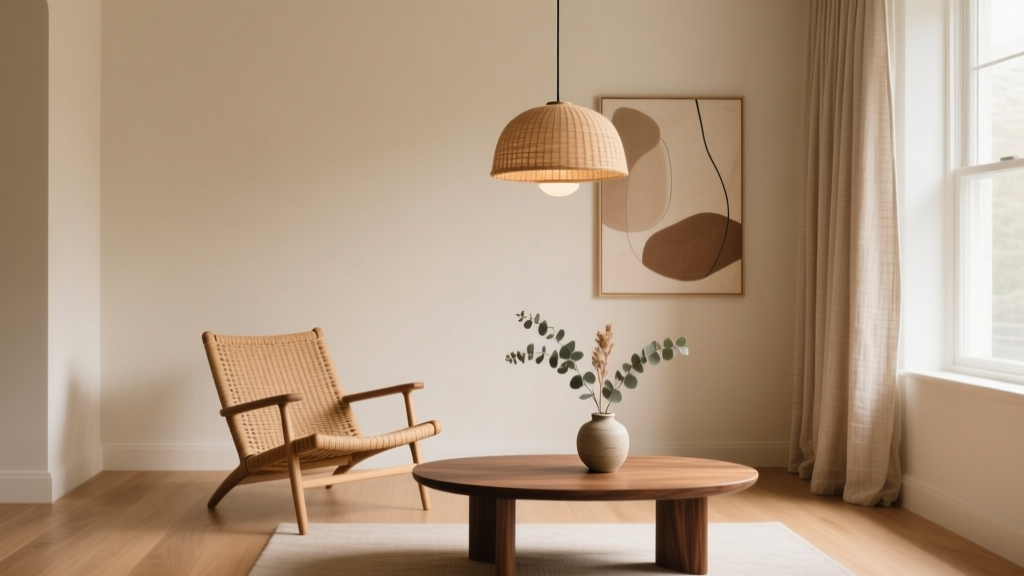
Living Room Warm Minimalist Approach - The Decor Mag
Minimalism has matured. The stark, gallery-white rooms that once defined “minimal” are giving way to something more livable: warm minimalist living rooms that feel calm, inviting, and personal—without slipping into clutter. If your space looks busy (or feels unfinished when you try to simplify), warm minimalism is the sweet spot between “too much” and “not enough.”
This approach matters because the living room isn’t just a showroom—it’s where you land after work, host friends, and spend your most unstructured time. Warm minimalism helps you create a space that’s easier to maintain, visually quiet, and genuinely comfortable. You’ll learn how to choose a warm neutral palette, build texture with natural materials, select the right furniture scale, and style surfaces in a way that still feels like home.
Whether you own or rent, you’ll find practical measurements, budget ranges, and step-by-step guidance to create a warm minimalist living room that reflects current design trends—think earthy tones, soft curves, and layered natural textures—while staying rooted in timeless design principles.
What “Warm Minimalism” Means (and What It’s Not)
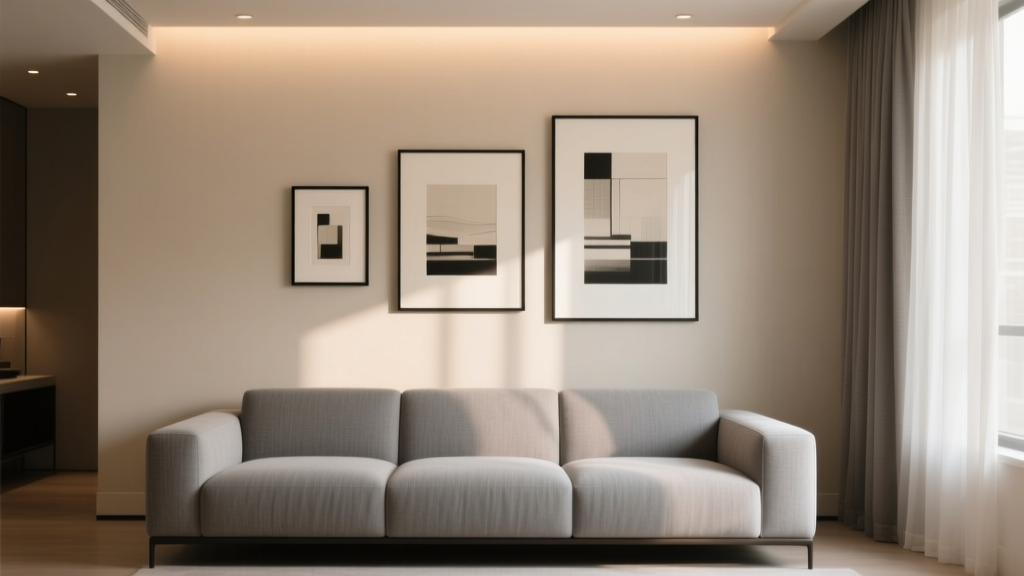
Warm minimalism is a living room design style that prioritizes simplicity, negative space, and functional layout—then softens it with warmth through color, texture, and natural materials. It’s minimal, but not cold.
Core principles
- Fewer, better pieces: You keep what earns its place—by function, comfort, or beauty.
- Warm neutrals over icy whites: Cream, oatmeal, greige, taupe, camel, soft clay.
- Texture replaces “stuff”: Linen, wool, boucle, oak, rattan, leather, stone.
- Soft contrast: Black or bronze accents are used sparingly to add definition.
- Room to breathe: Clear pathways, open surfaces, and intentional negative space.
What warm minimalism is not
- A bare room with no personality
- All-white everything (unless balanced with texture and warmth)
- Expensive “designer-only” furniture—budget-friendly warm minimalist decor is absolutely possible
- Rigid rules; it’s about editing and comfort
Step 1: Start With a Warm Neutral Palette That Flatters Your Light
Color is the fastest way to shift minimalist living room decor from stark to cozy. The key is choosing warm neutrals that work with your room’s natural light.
Pick your base: walls + large upholstery
- North-facing rooms (cooler light): Choose warmer whites and creams (think ivory, linen, soft beige) to counteract grayness.
- South-facing rooms (warm light): Greige, light taupe, and muted sand tones look rich without yellowing.
- East/west-facing rooms: Avoid overly pink beiges; aim for balanced oatmeal/stone shades.
Simple palette formula (easy and reliable)
- 60%: Warm off-white/cream (walls, rug base, curtains)
- 30%: Mid-tone neutral (sofa, accent chair, wood tone)
- 10%: Contrast + accent (matte black, bronze, deep olive, or charcoal)
Paint and finish tips
- Finish: Use eggshell or matte for walls to hide imperfections and keep the look soft.
- Trim: A slightly cleaner white trim can make warm walls feel intentional rather than “dingy.”
- Budget range: $35–$90 per gallon; most living rooms need 1–2 gallons plus primer if changing from a saturated color.
Step 2: Choose Furniture With Comfort, Scale, and Airiness
Warm minimalism succeeds or fails at the furniture level. The goal is to have fewer pieces, but each one should feel comfortable and visually light enough to avoid heaviness.
Living room layout: the measurements that make it work
- Walkways: Keep clear paths at 30–36 inches wide.
- Between sofa and coffee table: Aim for 14–18 inches for easy reach.
- Rug sizing: Choose a rug large enough for at least the front legs of all seating to sit on it. Common sizes:
- Small rooms: 8' x 10'
- Most living rooms: 9' x 12'
- Large rooms/sectionals: 10' x 14' or custom
- TV height: Center of screen roughly 42 inches from the floor (adjust for seating height).
Best furniture silhouettes for warm minimalist living rooms
- Low-profile sofas: Calm, grounded feel; look for slim arms or gently rounded arms.
- Leggy pieces: Sofas or chairs with visible legs create airiness and make small spaces feel bigger.
- Soft curves: A trend that’s staying power—rounded coffee tables, curved accent chairs—because it adds comfort visually and physically.
Product recommendations (style types + materials)
- Sofa upholstery: Performance fabric in warm ivory, oatmeal, or light taupe; textured linen-look weaves hide wear better than flat fabric.
- Wood tones: White oak, natural ash, walnut (use one primary wood tone and repeat it 2–3 times).
- Coffee table: Round oak table or a stone-look top (travertine-style, limewash finish) with simple legs.
- Storage: A low credenza with closed doors (oak veneer, fluted fronts, or cane) to keep visual noise down.
Budget range (realistic):
- Sofa: $900–$3,500 (look for performance fabric and solid or kiln-dried frames)
- Rug: $250–$1,500 (wool is pricier; washable options are great for pets/kids)
- Coffee table: $150–$900
- Media console/credenza: $250–$1,200
Step 3: Layer Texture to Create Warmth Without Clutter
In minimalist living room design, you don’t rely on lots of decor to make the space feel finished. Texture does that heavy lifting. It’s also what keeps warm minimalism from feeling flat.
Go-to material mix (timeless and trend-aligned)
- Textiles: Linen, cotton, wool, boucle (use 2–3 textures in the same color family)
- Wood: Natural oak/walnut with a matte or satin finish
- Stone/ceramic: Travertine-inspired surfaces, ceramic vases with a chalky glaze
- Metal accents: A touch of blackened steel or warm brass to add definition
Quick texture checklist (minimal effort, big payoff)
- Rug: Wool loop, jute-blend (note: jute sheds and can feel scratchy), or a low-pile textured weave
- Throw pillows: 2–4 max; keep to solids or subtle patterns (thin stripes, tiny checks)
- Throw blanket: One draped intentionally—chunky knit or brushed cotton
- Window treatments: Linen or linen-blend curtains hung high and wide
Step 4: Lighting That Feels Soft, Layered, and Intentional
Minimalist spaces can look harsh under a single overhead light. Warm minimalism relies on layered lighting to create a cozy living room atmosphere.
Lighting plan (use all three layers)
- Ambient: Ceiling fixture or recessed lighting on a dimmer
- Task: Reading lamp near the sofa or chair
- Accent: Picture light, wall sconce, or a small table lamp on a credenza
Bulb guidance (this makes a bigger difference than people expect)
- Color temperature: 2700K for warm, homey light; avoid 4000K+ in living rooms.
- Brightness: Use multiple lower-lumen lamps rather than one very bright source.
- Dimmers: If you can add one upgrade, make it dimmers.
Renter-friendly lighting upgrades
- Plug-in wall sconces (no hardwiring)
- Swag pendant kits for a ceiling statement without electrical work
- Warm LED bulbs and smart bulbs to adjust brightness easily
Step 5: Styling the Warm Minimalist Way (So It Looks Curated, Not Empty)
Styling is where warm minimalist decor becomes personal. The trick is to keep surfaces mostly clear, then add a few pieces with varied height and texture.
The “one-tray rule” for coffee tables
Limit coffee table decor to a single tray or cluster. A simple formula:
- 1 book or small stack (neutral covers work best)
- 1 sculptural object (wood, stone, ceramic)
- 1 small vessel (candle or low vase)
Shelf styling that doesn’t feel busy
- Keep 30–40% of shelf space empty.
- Use bookends and stack books horizontally to create calm lines.
- Add one organic element (a branch in a vase, a bowl with natural stone, a plant).
Wall art: fewer pieces, larger impact
- Choose one large piece (think 24" x 36" or larger) instead of many small frames.
- Hang art so the center is around 57–60 inches from the floor.
- For art above a sofa: aim for art that’s about 2/3 the sofa width.
Real-World Scenarios: Warm Minimalism for Different Living Rooms
Scenario 1: A small apartment living room with a TV and no storage
You have a 10' x 12' living room, a loveseat, and a visible tangle of cords. Warm minimalism here looks like:
- A low, closed media console to hide routers, remotes, and consoles
- A single large rug (8' x 10') to visually expand the room
- One floor lamp + one table lamp for layered light
- Two pillows and one throw in textured neutrals to soften the loveseat
Budget-friendly win: Add cord covers and a cable box ($20–$60 total) to instantly reduce visual clutter.
Scenario 2: A family living room that needs to be kid-friendly
Warm minimalist design works beautifully for families because it reduces cleanup and creates flexible space.
- Choose a performance fabric sofa in a mid-tone oatmeal (hides stains better than bright cream)
- Use a washable rug or a low-pile patterned neutral rug for durability
- Add two lidded baskets for toys (one near the sofa, one near the entry)
- Keep decor higher up: one large framed print rather than small objects within reach
Scenario 3: A rental with beige carpet and builder-grade lighting
You can’t replace the carpet and the overhead light is harsh. You can still do warm minimalist living room decor:
- Lean into the carpet with warm whites and camel accents rather than fighting it with cool grays
- Add a large rug on top (yes, layering works) to introduce texture and define the seating zone
- Swap bulbs to 2700K and add two lamps to avoid using the overhead fixture
- Use linen curtains hung high to make the room feel taller and more finished
Common Mistakes to Avoid
- Choosing cool whites and cool grays: This is how “minimalist” becomes chilly. Stick to warm undertones.
- Going too small on the rug: A tiny rug makes furniture float awkwardly and shrinks the room visually.
- Too many small decor items: Ten small objects look like clutter; two larger pieces look curated.
- Forgetting contrast: Warm neutrals need definition—add a black frame, bronze lamp, or charcoal accent.
- Overmatching materials: If everything is the same beige fabric and the same light wood, the room looks flat. Mix textures.
- Ignoring storage: Minimalism isn’t about owning nothing—it’s about having a home for what you own.
FAQ: Warm Minimalist Living Room Design
How do I make a minimalist living room feel warm and cozy?
Use warm neutrals (cream, oatmeal, taupe), layer texture (wool rug, linen curtains, boucle pillows), and add soft lighting at 2700K. A single wood element—like an oak coffee table—adds instant warmth.
What are the best colors for a warm minimalist living room?
Look for warm whites, ivory, greige, sand, clay, camel, and soft olive accents. If you like contrast, add matte black or dark bronze in small doses (frames, lamp bases, hardware).
Can warm minimalism work in a small living room?
Yes—small spaces often look best with warm minimalist decor because fewer pieces reduce visual clutter. Prioritize one great rug (often 8' x 10'), a leggy sofa or loveseat, and closed storage.
What materials fit warm minimalist decor?
Natural materials lead the way: oak, walnut, linen, wool, cotton, rattan, leather, ceramic, and stone or stone-look surfaces (travertine-style is especially popular right now). Stick to matte or low-sheen finishes.
How do I decorate without adding clutter?
Use “bigger, fewer” styling: one large art piece, one tray on the coffee table, and one statement vase or lamp per surface. Keep 30–40% of shelves and tabletops clear.
What’s a realistic budget to refresh a living room with warm minimalist style?
A meaningful refresh can start around $300–$800 (lighting, textiles, curtains, decluttering tools). A more complete update with a new rug and key furniture typically lands around $1,500–$6,000+, depending on sofa and rug quality.
Your Next Steps: A Simple Warm Minimalist Plan for This Weekend
- Edit first: Clear surfaces, corral cords, and remove decor that doesn’t feel intentional.
- Anchor with a rug: Size up so at least front legs of seating sit on it (often 8' x 10' or 9' x 12').
- Add texture: Two pillows + one throw + linen curtains create warmth fast.
- Fix lighting: Switch to 2700K bulbs and add at least one lamp if you only have overhead lighting.
- Style simply: One tray on the coffee table, one large art piece, one natural element (plant or branches).
If you’re aiming for a living room that feels calm, welcoming, and easy to live in, warm minimalism is a smart long-term approach—trend-aware, but not trend-dependent.
Want more ideas? Explore more living room design and decor inspiration on thedecormag.com.
More Articles
 Transitional Living Room Design Guide - The Decor Mag
 Eclectic Living Room Decor Tips - The Decor Mag
 How to Choose the Right Coffee Table Height - The Decor Mag
 How to Mix Old and New in Living Room Decor - The Decor Mag
 Best Display Cabinets for Living Rooms (2026)
 Best Coffee Table Books for Styling - The Decor Mag
 Living Room Monochromatic Design Guide - The Decor Mag
 Best Wall Art Sizes for Over the Sofa - The Decor Mag
 Budget Living Room Furniture 2026: Style & Durability
 Best Living Room Color Guides for Harmony in 2026