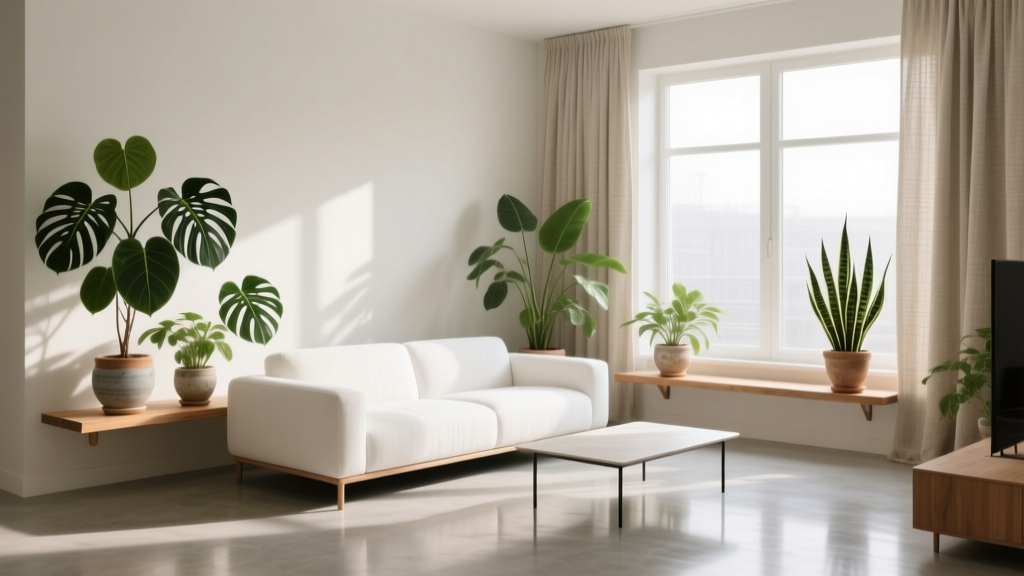
Plants in Living Room Decor: Easy Ideas (2026)
Plants have a way of making a living room feel instantly more inviting. They soften hard edges, add color without committing to a paint job, and bring a sense of life that even the best artwork can’t quite replicate. Whether you rent a small apartment or own a spacious home, adding greenery is one of the most flexible (and often affordable) upgrades you can make to your living room decor.
The best part: you don’t need a “green thumb” or a sunroom to pull it off. With the right plant choices, thoughtful placement, and a few design principles, indoor plants can become as integral to your living room design as your rug, lighting, and furniture layout.
This guide breaks down how to incorporate plants into living room decor in a way that feels intentional, stylish, and easy to maintain. You’ll learn how to pick plants based on light and lifestyle, how to style them like a designer, which planters and stands look current, what measurements to follow, and the common mistakes that make plant decor feel cluttered instead of curated.
Why Plants Work So Well in Living Room Design
Plants are more than “green accessories.” They act like living decor elements that support both modern trends and timeless design principles. Here’s why they’re a staple in well-designed living rooms:
- They add color and texture: Glossy leaves, feathery fronds, and sculptural stems create visual interest without needing bold patterns everywhere.
- They improve balance and scale: A tall plant can visually anchor a corner the way a floor lamp would—often with a softer silhouette.
- They create a finished, layered look: Great living rooms feel collected over time; greenery helps achieve that “lived-in but elevated” vibe.
- They support biophilic design: One of today’s biggest interior design trends, biophilic design prioritizes natural elements—plants, wood, stone, and daylight—to make spaces feel calmer and more restorative.
Start with the Two Essentials: Light and Lifestyle
Before buying planters or rearranging furniture, get clear on what your living room can realistically support. Most plant frustration comes from choosing a plant that doesn’t match the conditions of the space.
Step 1: Assess Your Natural Light (Quick Method)
- Bright direct light: Sunbeams hit the floor for several hours (often south- or west-facing windows).
- Bright indirect light: The room is well-lit, but sunbeams don’t land directly where the plant will sit.
- Medium light: You can read comfortably during the day without turning on lights, but it’s not “sunny.”
- Low light: The room feels dim, especially away from windows. (Many plants “tolerate” low light, but fewer truly thrive.)
Step 2: Be Honest About Your Routine
If you travel often, forget to water, or prefer low-maintenance living room decor, choose resilient plants and build in systems that reduce daily care.
- Busy schedule: Snake plant, ZZ plant, pothos, cast iron plant
- Pet owner: Consider pet-safe options like parlor palm, calathea (check specific varieties), or many ferns; verify toxicity before bringing anything home
- Love styling and tending: Fiddle-leaf fig, rubber plant, bird of paradise (more dramatic, more attention)
Choose Plants Like Decor: Match Size, Shape, and Style
Think of plants as furniture and accessories with a “form factor.” Mixing shapes creates the most designer-looking results.
Three Plant Roles Every Living Room Can Use
- Statement plant (floor plant): A tall plant that anchors a corner or frames a window.
- Mid-level plant (table or stand): Adds dimension on a console, side table, or plant stand.
- Trailing plant: Softens shelves and brings movement (ideal for bookcases and wall shelves).
Size Guidelines (So It Looks Intentional)
- Floor plants: Aim for 4–7 feet tall for a true anchor in most living rooms with standard 8–9 foot ceilings.
- Planter diameter for floor plants: Typically 10–14 inches for medium-to-large plants; bigger specimens may need 16–20 inches.
- Tabletop plants: Keep overall height (plant + pot) at 12–24 inches for coffee tables and side tables so sightlines stay open.
- Clearance from walkways: Leave 24–36 inches for comfortable circulation, especially near sofas and doorways.
Best Living Room Plants (By Look and Light Level)
Bright Indirect Light Favorites (Stylish + Commonly Available)
- Rubber plant (Ficus elastica): Bold leaves, modern look, grows tall with time
- Bird of paradise: Architectural and dramatic; perfect for contemporary and coastal living room decor
- Monstera deliciosa: Iconic split leaves; pairs well with mid-century modern and eclectic spaces
- Fiddle-leaf fig: A design classic; best if you can keep conditions consistent
Medium to Lower Light Options (Great for Apartments)
- Snake plant (Sansevieria/Dracaena trifasciata): Upright, sculptural, nearly indestructible
- ZZ plant: Glossy leaves, tolerant of low light, minimal watering
- Pothos: Perfect trailing plant for shelves; easy to propagate
- Cast iron plant: True to its name—tough and understated
Small-Space Plants That Still Make an Impact
- Parlor palm: Soft texture, fits boho and traditional rooms
- Dracaena marginata: Slim profile, great for tight corners
- Chinese evergreen (Aglaonema): Often has subtle color; excellent for renters
Placement Ideas That Look Designer (Not Random)
Where you place plants matters as much as what you buy. Use these layouts to make greenery feel integrated into your living room design.
1) Anchor an Empty Corner
A bare corner can make a room feel unfinished. A tall plant solves this with less visual weight than a bookcase.
- Best choices: Rubber plant, bird of paradise, dracaena
- Styling tip: Pair with a floor lamp or a woven basket planter for a layered look
- Spacing: Keep the pot 6–12 inches away from the wall to prevent scuffs and allow airflow
2) Frame a Sofa or Media Console
Plants can act like “bookends,” especially in modern living rooms where symmetry feels calming.
- Example: Place two similar-height plants on either side of a media console for balance.
- Height guideline: The top of the plant should be roughly 12–24 inches above the top of the console for pleasing proportion.
3) Add Life to Shelves and Built-Ins
Bookshelves can feel stiff without organic shapes.
- Best choices: Pothos, philodendron, string of hearts (bright light)
- Quick styling formula: Books + one sculptural object + one trailing plant per shelf section
- Protection: Use a saucer or waterproof liner to avoid water rings
4) Use Plant Stands to Create Layers
Plant stands are back in a big way—especially in black metal, light oak, and warm walnut finishes (a nod to mid-century modern decor trends).
- Ideal stand heights: 12–18 inches (low), 24–30 inches (mid), 32–36 inches (tall)
- Rule of three: Cluster 3 plants at different heights for a styled, intentional grouping
- Best materials: Powder-coated steel (durable), sealed wood (warm), terrazzo or concrete (modern)
5) Try a “Green Coffee Table Moment” (Without Clutter)
If you love the idea of a plant on your coffee table but want it to feel polished:
- Choose a compact plant in a low pot (overall height under 16 inches).
- Set it on a tray with one candle and one small book stack.
- Leave at least 60% of the table surface open for real life (drinks, remotes, feet-up lounging).
Planters, Pots, and Materials That Elevate the Look
Planters are where plant decor becomes true living room styling. Mixing materials adds depth, but keeping a consistent palette prevents visual chaos.
Planter Materials (What Works Best in Living Rooms)
- Ceramic: Classic, stylish, heavier (great for stability). Budget: $25–$120 depending on size and finish.
- Terracotta: Timeless and breathable (good for many plants). Looks amazing in Mediterranean, rustic, and modern spaces. Budget: $10–$60.
- Fiberstone/fiberglass: Lightweight with a high-end look (often matte). Budget: $40–$200.
- Seagrass or woven baskets: Warm texture for cozy living room decor, especially Scandinavian or boho. Use a waterproof liner. Budget: $20–$80.
- Metal: Sleek but can show water marks. Best as an outer cachepot. Budget: $20–$90.
Designer Trick: Use a Cachepot System
For easier maintenance, keep plants in a plastic nursery pot and place that inside a decorative planter (cachepot). This makes watering and draining simpler—especially for renters who want to avoid leaks.
- Fit tip: Choose a cachepot that’s 1–2 inches wider than the nursery pot diameter.
- Drainage tip: Add a layer of pebbles at the bottom only if it helps stabilize the nursery pot; it doesn’t replace drainage.
Real-World Living Room Plant Styling Scenarios
Scenario 1: Small Rental Apartment with One Window
You have a compact living room, medium light near the window, and you don’t want to buy plant lights.
- Best approach: One tall, slim plant + one trailing shelf plant
- Plant picks: Dracaena marginata in a 10–12 inch pot; pothos on a high shelf
- Budget range: $60–$180 total (plant + planter + simple stand)
- Layout tip: Put the tall plant within 3–5 feet of the window; place the pothos closer to the light source
Scenario 2: Family Living Room Where Durability Matters
Kids, pets, and lots of activity mean you need plants that won’t create constant stress.
- Best approach: Go bigger but fewer, and keep plants out of traffic lanes
- Plant picks: Snake plant in a heavy ceramic pot; ZZ plant on a stand behind a side chair
- Safety tip: Use heavier planters for floor plants to reduce tipping risk
- Budget range: $80–$250 depending on planter quality
Scenario 3: Open-Concept Living Room That Feels Echoey or Stark
Minimal furniture and lots of hard surfaces can make a space feel cold.
- Best approach: Layer textures with large-leaf plants and woven planters
- Plant picks: Rubber plant + parlor palm + trailing philodendron
- Style tip: Repeat a material (like woven baskets) in 2–3 spots to tie the room together
- Budget range: $150–$450 for a cohesive set of plants and upgraded planters
Step-by-Step: Build a Balanced Plant “Story” in Your Living Room
- Pick your anchor spot: Choose one empty corner, a fireplace side, or a window-adjacent zone.
- Choose your statement plant: Match height to ceiling and keep it proportional to nearby furniture.
- Add one mid-level plant: Use a stand or side table to vary height.
- Finish with one trailing plant: Place on a shelf or atop a bookcase for movement.
- Unify with planters: Stick to a palette (example: matte white ceramic + warm basket + black metal stand).
- Set a simple care routine: Check soil weekly; water only when the top 1–2 inches are dry (varies by plant).
Common Mistakes to Avoid
- Buying plants before checking light: A fiddle-leaf fig in a dim corner is a slow heartbreak.
- Too many tiny plants scattered around: This reads as clutter. Go for fewer, larger plants for a cleaner living room aesthetic.
- Ignoring scale: A small plant next to a large sectional looks accidental. Increase plant size or elevate it on a stand.
- No drainage plan: Water damage on hardwood or rugs is common. Use saucers, cachepots, and waterproof liners.
- Forgetting to rotate plants: Many plants lean toward light. Rotate a quarter turn every 1–2 weeks for even growth.
- Overwatering: The most common plant killer. If leaves yellow and soil stays wet, pull back on watering and check drainage.
Budget-Friendly vs. Investment Options
Under $100 (Starter Setup)
- One medium snake plant or pothos + simple terracotta or basic ceramic pot
- DIY elevate with a thrifted stool as a plant stand
- Great for renters testing what works in their living room
$100–$300 (Most Popular “Designer Look” Range)
- One floor plant (5–6 ft) + one trailing plant + coordinated planters
- Add one stand in black metal or light oak for height variation
- Balanced, styled, and still practical
$300–$800+ (Statement Styling)
- Large specimen plant (6–7 ft) + premium planter (fiberstone/ceramic)
- Multiple planters in a matching finish for cohesion across an open-concept space
- Consider a plant delivery service for a mature, full look on day one
FAQ: Incorporating Plants into Living Room Decor
How many plants should I have in my living room?
A good starting point is 3 plants: one tall floor plant, one mid-sized plant, and one trailing plant. From there, add only if your space still feels visually calm and you can maintain them.
What are the best low-light living room plants?
Try snake plant, ZZ plant, cast iron plant, or pothos. Keep expectations realistic: “low light” usually means slower growth, not no light.
Should my planters match my living room decor?
They don’t need to match perfectly, but they should coordinate. Choose a consistent palette (for example: matte white + warm natural baskets + black accents) so the plants feel like part of the overall living room design.
How do I protect my floors and rugs from water?
Use a nursery pot inside a cachepot, add a waterproof saucer, and water plants in the sink or bathtub when possible. For large plants, use a rolling plant caddy with a lip to catch drips.
What’s the easiest way to make plants look more “high-end”?
Go bigger (one mature plant over five tiny ones), upgrade to a heavier planter (ceramic or fiberstone), and place the plant on a stand or in a well-proportioned corner with good light.
Can I decorate with faux plants in the living room?
Yes—especially if your living room has very low light. Choose high-quality faux options with realistic leaf variation, and place them where you’d naturally expect a plant (near a window, beside a sofa, or in a reading nook) for the most convincing result.
Wrap-Up: Your Next Steps for a Greener Living Room
If you want plants to feel like a natural part of your living room decor (not an afterthought), start small and build intentionally. Choose plants that match your light, use one statement plant to anchor the room, and bring everything together with planters that complement your style.
- Check your light and pick plants that will thrive in it
- Choose one floor plant as your anchor
- Add a trailing plant for softness and movement
- Use cachepots, saucers, and sturdy planters to keep it practical
- Edit as you go—fewer, better-placed plants look more designer
For more plant-friendly living room ideas, furniture layouts, and decor trends you can actually use, explore the latest guides on thedecormag.com.
More Articles
 Bathroom Reading Nook Ideas for 2026
 Living Room Foundations: Support, Ergonomics, Comfort
 Living Room Design From Life, Not Moodboards
 Effortless Living Room Styling: Tips & Ideas
 How to Create a Living Room Focal Point - The Decor Mag
 How to Mix Old and New in Living Room Decor - The Decor Mag
 Living Room Monochromatic Design Guide - The Decor Mag
 Bohemian Living Room Decor Ideas - The Decor Mag
 How to Mix Upholstery Patterns Successfully - The Decor Mag
 Best Display Cabinets for Living Rooms (2026)